- Company Articles
- Products and Technology
- Product knowledge
- The Role of Plastic Pipe End Caps in Reducing Production Downtime

The Role of Plastic Pipe End Caps in Reducing Production Downtime
Related Product
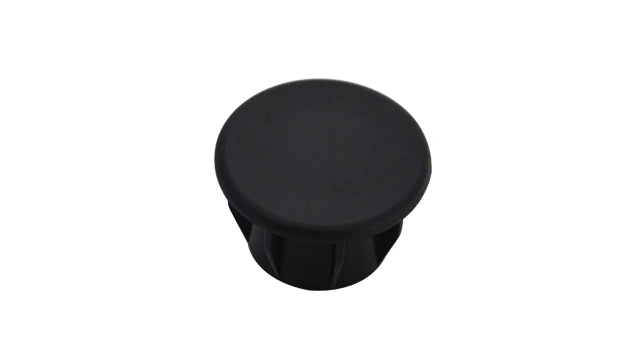
Plastic pipe end cap
Plastic pipe cover, used for 28mm two end cover and protection, to avoid any scratch from sharp metal surface.
The Hidden Cost of Production Downtime
In the fast-paced world of manufacturing, every second counts. A production line that grinds to a halt—even for a few minutes—can send ripples through an entire operation. Whether it's a jammed conveyor, a misaligned workbench, or a damaged component, downtime eats into profits, delays deadlines, and frays the nerves of workers and managers alike. According to industry reports, unplanned downtime costs manufacturers an average of $50,000 per hour, and for high-volume facilities, that number can soar into the six figures. What many overlook, however, is that much of this downtime stems from small, preventable issues—like unprotected pipe ends in lean pipe systems.
Lean manufacturing has revolutionized how we approach production, emphasizing efficiency, flexibility, and waste reduction. Central to this philosophy are lean pipe systems—modular structures built from pipes, joints, and accessories that adapt to everything from assembly lines to material storage. But even the most well-designed lean system is only as strong as its smallest components. Enter plastic pipe end caps: simple, unassuming parts that punch far above their weight in keeping production lines running smoothly.
Lean Pipe Systems: The Backbone of Modern Production Lines
Walk into any modern factory, and you'll likely see lean pipe systems hard at work. From lean pipe workbenches where assembly workers piece together electronics to roller tracks that shuttle components between stations, these systems are the unsung heroes of manufacturing flexibility. Made from materials like steel, aluminum, or PE-coated lean pipe, they're designed to be lightweight, durable, and endlessly customizable. Need a new workstation? Snap together some pipes and joints. Expand a material rack? Add a few more sections. It's this adaptability that makes them indispensable for production assemble environments where change is constant.
But for all their strengths, lean pipe systems have a vulnerable spot: their open ends. Pipes, roller tracks, and aluminum guide rails—key components of everything from workbenches to conveyors—often have exposed ends that collect debris, suffer impacts, or become safety hazards. Over time, these unprotected ends turn from minor nuisances into major sources of downtime. That's where plastic pipe end caps step in. These small, affordable accessories seal off pipe ends, addressing the root causes of many common production disruptions.

What Are Plastic Pipe End Caps?
At first glance, plastic pipe end caps might seem unremarkable—little more than small, molded pieces of plastic. But their design is deceptively thoughtful. Typically made from durable materials like PVC or polyethylene, they're engineered to fit snugly over the ends of pipes, roller tracks, or aluminum profiles. Some are snap-on, requiring no tools to install; others are threaded for a tighter seal. They come in various colors, too—like the bright yellow plastic roller track guide rail caps used in high-visibility areas, or the understated grey ones for standard environments—making them easy to integrate into existing setups.
Think of them as the "protective caps" for your lean pipe system. Just as you'd cap a pen to keep the ink from drying out, end caps shield pipe ends from the daily wear and tear of factory life. They're available in sizes to match common pipe diameters, from 0.5-inch swivel roller balls to 1-inch steel pipes, ensuring a perfect fit for everything from mini aluminum roller tracks to heavy-duty stainless steel pipe series.

The Critical Role of End Caps in Preventing Downtime
To understand why plastic pipe end caps matter, let's break down the ways unprotected pipe ends cause downtime—and how end caps solve them.
Blocking Debris and Contamination
Factories are messy places. Dust, metal shavings, plastic fragments, and even loose screws find their way into every nook and cranny—including the open ends of pipes and roller tracks. Over time, this debris builds up, clogging joints, jamming roller tracks, and interfering with moving parts. Imagine a lean pipe workbench with a roller track used to slide components between workers. If the track's aluminum guide rail has an open end, dust and grit can accumulate inside, causing parts to stick or misalign. A single jam can stop the entire line while a worker cleans it out.
Plastic end caps act as a barrier, sealing off these entry points. For example, a plastic roller track guide rail yellow cap not only matches the track's color but also prevents debris from lodging in the rail's interior. In one automotive parts plant, installing end caps on their 40 steel roller track system reduced track jams by 80% in the first month alone. Workers no longer wasted 15 minutes per shift clearing out gunk—time that could be spent assembling parts instead.
Protecting Pipe Integrity
Pipes and rails take a beating in factories. Trolleys bump into them, tools get dropped, and heavy materials slide across their surfaces. An unprotected pipe end is a sitting duck for impacts. A hard knock can bend the end of a steel pipe, making it impossible to attach a joint or caster wheel later. Even a minor dent in an aluminum guide rail can derail a roller track, causing materials to tip or get stuck.
End caps absorb these impacts, acting as a buffer between the pipe end and the outside world. Take caster wheels, for instance: the pipes that mount casters to trolleys or workbenches are prone to damage when the trolley is moved or loaded. A threaded polyethylene end cap on the bottom of the pipe prevents dents, ensuring the caster remains securely attached and rolls smoothly. This simple protection extends the life of pipes and reduces the need for costly replacements—saving both time and money.
Ensuring Smooth Material Flow in Roller Tracks
Roller tracks are the arteries of production lines, moving parts from station to station with precision. But they're only effective if materials glide across them without resistance. Unprotected roller track ends often have sharp edges or uneven surfaces that catch on boxes, bins, or components. A misaligned part can slow down the entire line, or worse, cause a pileup that requires a full stop to fix.
Plastic end caps eliminate these snags by creating a smooth, rounded edge. For example, the swivel roller balls used in some tracks rely on free movement to shift materials in any direction. If the track's end is unprotected, a stray screw or piece of plastic can wedge between the balls, jamming the mechanism. A 1-inch swivel roller ball end cap covers the track's edge, keeping the balls clear and the materials moving. In a food packaging plant using 38 aluminum roller track yellow systems, end caps reduced track-related downtime by 65% by preventing such jams.
Enhancing Worker Safety
Downtime isn't just about production stops—it's also about worker safety. Exposed pipe ends are sharp, especially if they've been cut or damaged. A worker brushing against an unprotected steel pipe end can suffer a cut, leading to lost time, medical attention, and potential OSHA violations. Even minor injuries disrupt workflow, as colleagues stop to assist or the injured worker takes time off to recover.
End caps turn sharp edges into smooth, safe surfaces. In lean pipe workbench setups, where workers stand for hours assembling products, the legs of the workbench (often made of basic aluminum tube) are at knee height—prime for accidental bumps. Adding end caps to these legs eliminates the risk of scrapes and bruises, keeping workers safe and focused. One electronics manufacturer reported a 40% drop in minor workplace injuries after installing end caps on all exposed pipe ends in their assembly area.
Real-World Impact: Case Studies in Production Assemble
Case Study 1: Electronics Assembly Line Jams
A mid-sized electronics manufacturer in the Midwest relied on a series of lean pipe workbenches connected by 38 aluminum roller track yellow systems to assemble circuit boards. Each workbench was mounted on caster wheels for easy reconfiguration, and the roller tracks shuttled PCBs between stations. For months, the team struggled with frequent track jams—at least twice a week, the line would stop while workers cleared debris (solder bits, plastic shavings, and dust) from the open ends of the roller track's aluminum guide rails. The maintenance log showed these jams consumed 3-4 hours of productive time monthly, not counting the stress of missed deadlines.
After consulting their lean pipe supplier, they ordered plastic roller track guide rail yellow end caps to match their existing track color. Installation took less than an hour—workers simply snapped the caps onto all open rail ends. Within 30 days, track jams dropped to zero. The maintenance team's time spent on track issues plummeted by 95%, and the assembly line met its production targets for the first time in six months. "We never thought a 50-cent cap could save us thousands," said the plant manager.
Case Study 2: Damaged Caster Wheels in Automotive Parts
A large automotive parts supplier used turnover trolleys and racks built with 2.0mm PE coated lean pipe to transport heavy components across the factory floor. Each trolley had four caster wheels, but the team noticed that the caster mounts (steel pipes welded to the trolley frame) frequently got bent or dented when trolleys were loaded/unloaded or bumped into walls. Bent pipes made it hard to replace caster wheels, and misaligned wheels caused trolleys to veer off course, sometimes spilling parts. Repairs took 1-2 hours per trolley, and with 20 trolleys in use, this added up to 40+ hours of downtime monthly.
The solution? Threaded polyethylene end caps for the caster mount pipes. The caps absorbed impacts, preventing dents and keeping the pipe ends straight. When caster wheels needed replacement, workers could easily remove the caps, swap the wheels, and reattach the caps—no more wrestling with bent pipes. Within two months, trolley repair time dropped by 60%, and the number of "spill incidents" fell from 8 to 1 per month. The savings in labor and damaged parts quickly offset the cost of the end caps.
Choosing the Right Plastic Pipe End Caps: Key Considerations
Not all end caps are created equal. To maximize their downtime-reducing benefits, you need to choose the right type for your setup. Here's what to consider:
Material
PVC end caps are lightweight and cost-effective, ideal for dry, low-impact environments like electronics assembly. Polyethylene caps are more flexible and impact-resistant, making them better for heavy-duty areas with frequent bumps, like automotive plants. For ESD-sensitive environments (e.g., semiconductor manufacturing), look for ESD-safe end caps that dissipate static electricity—though these are less common in standard setups.
Size and Fit
End caps must match your pipe diameter exactly. A cap that's too loose will fall off; one that's too tight could crack during installation. Measure your pipes or rails first—common sizes include 0.5-inch (for mini roller tracks), 1-inch (standard lean pipe), and 1.5-inch (heavy-duty steel pipes). Most lean pipe suppliers list cap sizes alongside their pipe products, so check their specs for compatibility.
Installation Method
Snap-on caps are fastest—no tools needed, just push them into place. They're great for quick upgrades or temporary setups. Threaded caps require twisting but create a tighter seal, ideal for pipes exposed to moisture or vibration. For permanent installations, some facilities use adhesive-backed caps, though these are harder to remove if you need to reconfigure the system later.
Environment
Consider your factory's conditions. High-temperature areas (e.g., near ovens) need heat-resistant caps; cold environments may require flexible materials that won't crack. If your facility uses food-grade or pharmaceutical production, look for FDA-approved plastic caps to avoid contamination risks.
Comparing Common Plastic Pipe End Cap Types
| Type | Material | Best For | Key Benefit | Installation Method |
|---|---|---|---|---|
| Snap-on PVC End Cap | PVC | Standard lean pipe, aluminum guide rails | Quick installation, budget-friendly | Push-fit (no tools) |
| Threaded Polyethylene Cap | Polyethylene | Steel pipes, caster wheel mounts | Secure seal, impact-resistant | Twist-on (hand-tightened) |
| Flanged End Cap | PVC or Polypropylene | Roller tracks, conveyor rails | Extra stability, prevents cap from sliding | Snap-on with flange lip |
| Plastic Roller Track Guide Rail Yellow | PVC | High-visibility areas, 38mm aluminum roller tracks | Enhances safety, matches existing yellow rails | Snap-on (custom-fit for roller tracks) |
| Plastic Roller Track Guide Rail Grey | PVC | Standard environments, 40mm steel roller tracks | Low-profile, blends with neutral setups | Snap-on (custom-fit for roller tracks) |
Long-Term Benefits: Beyond Immediate Downtime Reduction
The value of plastic pipe end caps extends far beyond stopping short-term jams. Over time, they deliver a host of secondary benefits that strengthen your entire operation:
Extended Equipment Lifespan
By protecting pipe ends from damage and corrosion, end caps help your lean pipe systems last longer. A well-maintained lean pipe workbench or roller track can serve your facility for 5-7 years instead of 2-3, reducing the need for costly replacements.
Lower Maintenance Costs
Fewer repairs mean less spending on replacement parts, tools, and labor. A single end cap costs pennies compared to the price of a new aluminum guide rail or caster wheel. Multiply that by dozens of pipes in your facility, and the savings add up quickly.
Improved Operational Consistency
Predictable production flow is the cornerstone of lean manufacturing. End caps eliminate the "surprise" downtime caused by random jams or damaged parts, making it easier to schedule shifts, meet deadlines, and keep customers happy.
Worker Satisfaction
There's nothing more frustrating for a worker than repeatedly fixing the same small problem. End caps reduce the stress of dealing with avoidable disruptions, creating a smoother, more enjoyable work environment. Happier workers are more productive—and less likely to leave for a competitor.
Conclusion: Small Components, Big Impact
In the grand scheme of manufacturing, plastic pipe end caps are easy to overlook. They're small, inexpensive, and rarely featured in flashy equipment catalogs. But as we've seen, they play a critical role in keeping production lines moving, workers safe, and costs in check. From blocking debris in roller tracks to protecting caster wheel mounts, these unassuming caps prevent the kind of small, frequent disruptions that add up to big losses over time.
If you're running a lean manufacturing operation, take a walk through your facility today. Check the ends of your lean pipe workbenches, roller tracks, and aluminum guide rails. Are they capped? If not, you're leaving money on the table—and inviting downtime. Talk to your lean pipe supplier about the right end caps for your setup. It's a small investment that delivers outsized returns: smoother operations, happier workers, and a bottom line that's healthier for it.
After all, in lean manufacturing, success lies in the details. And when it comes to reducing downtime, few details matter more than a well-placed plastic pipe end cap.