- Company Articles
- Products and Technology
- Application Cases
- The Role of Roller Track Placon Mount Brackets in Lean Kanban Systems

The Role of Roller Track Placon Mount Brackets in Lean Kanban Systems
Related Product
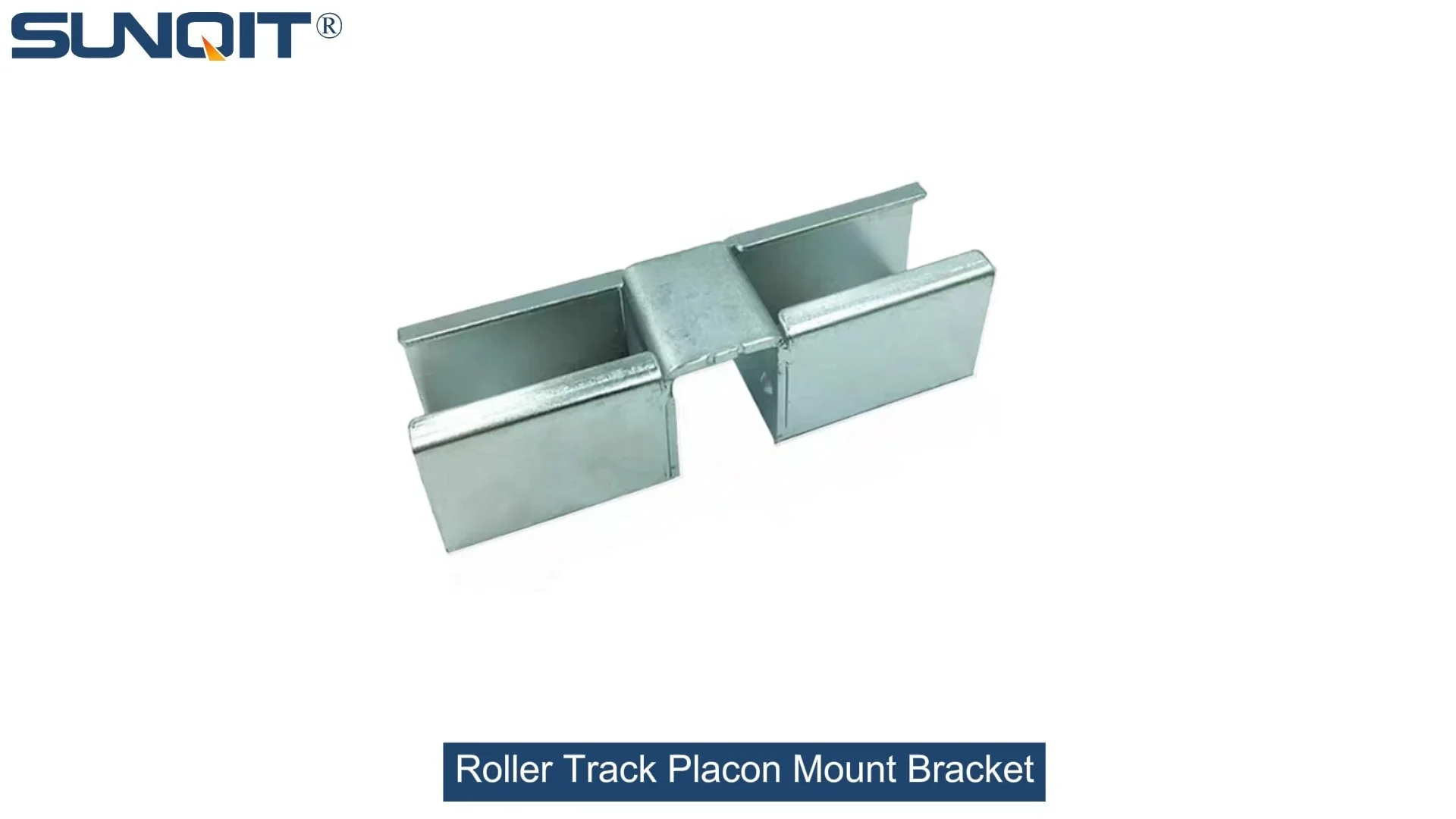
Roller Track Placon Mount Bracket
Roller track placon mount work as a connector for roller track and pipe or aluminum profile in rack syetem, it is a necessary parts in rack system which widely used in industrial plant and logistic,warehouse storage.
How a Small Component Drives Big Efficiency in Modern Manufacturing
Introduction: The Hidden Hero of Lean Flow
Walk into any high-performing manufacturing facility today, and you'll notice a rhythm—a steady, almost musical flow of materials moving from station to station. Parts arrive just as they're needed, assembly lines hum without pause, and waste? It's all but invisible. This isn't magic; it's the power of lean manufacturing, and at the heart of this harmony lies the Kanban system. But even the best Kanban designs rely on critical, often overlooked components to keep things moving. Enter the roller track placon mount bracket—a small but mighty piece that turns disjointed workflows into seamless production symphonies.
In the world of lean, every second counts. A single bottleneck can derail an entire shift, and inefficient material handling remains one of the biggest culprits. That's where roller track systems shine, especially when paired with Kanban's pull-based logic. They ensure parts glide to workers exactly when needed, eliminating delays and reducing manual labor. But none of this works without a stable, adaptable connection between roller tracks and the structures that support them. That's the job of the placon mount bracket. It's the silent connector that holds the system together, allowing for quick adjustments, reliable performance, and the flexibility to evolve with changing production needs.
Over the years, manufacturers across industries—from 3C electronics to medical device production—have learned that the strength of a lean system lies in its components. A flimsy bracket might save a few dollars upfront, but it leads to frequent breakdowns, misaligned tracks, and ultimately, disrupted workflows. On the flip side, a well-designed roller track placon mount bracket becomes the backbone of a resilient Kanban system, supporting everything from lightweight circuit boards to heavy automotive parts with equal efficiency. In this article, we'll dive deep into how these brackets work, why they matter, and how they're shaping the future of lean manufacturing.
Understanding Lean Kanban Systems: Beyond the Basics
Before we explore the specifics of placon mount brackets, let's ground ourselves in what makes lean Kanban systems so transformative. At its core, Kanban is about visualizing work and limiting work-in-progress (WIP) to create a smooth, demand-driven flow. Unlike traditional push systems that flood the line with parts based on forecasts, Kanban pulls materials through production only when the next station signals need. This reduces inventory, cuts down on storage costs, and minimizes the risk of overproduction—all key pillars of lean philosophy.
But for this pull system to work, materials must move effortlessly between stations. Imagine a 3C assembly line building smartphones: tiny components like microchips and connectors need to travel from storage to the soldering station, then to testing, and finally to packaging—each step triggered by the next. If these parts get stuck on a misaligned track or require manual lifting, the entire flow stalls. That's where roller tracks and flow racks become indispensable. They act as the "highways" of the Kanban system, ensuring materials flow with minimal friction.
Here's where the plot thickens: not all roller tracks are created equal. Their performance depends heavily on how they're mounted and supported. A track that wobbles, sags under weight, or can't be adjusted for height differences between workstations becomes a liability. This is precisely why roller track placon mount brackets are more than just "hardware." They're engineering solutions designed to address three critical challenges in lean environments:
The Three Critical Roles of Placon Mount Brackets in Kanban
- Stability Under Pressure: Supporting roller tracks carrying varying loads—from 0.5-inch swivel roller balls for small parts to heavy-duty 85 steel roller tracks for automotive components.
- Flexibility for Change: Allowing quick reconfiguration when production lines shift (e.g., switching from assembling laptops to tablets in a 3C facility).
- Precision Alignment: Ensuring tracks are level and properly spaced to prevent jams, especially critical for ESD-sensitive environments in electronics manufacturing.
Consider a medical device plant producing surgical tools. Here, sterility and precision are non-negotiable. Roller tracks must be easy to clean, and any misalignment could damage delicate instruments. Placon mount brackets designed for aluminum profiles (like the Aluminum Guide Rail A or B) provide the stability needed while allowing for tool-free adjustments—essential for maintaining strict without halting production. It's these real-world demands that make the humble bracket a cornerstone of effective Kanban systems.
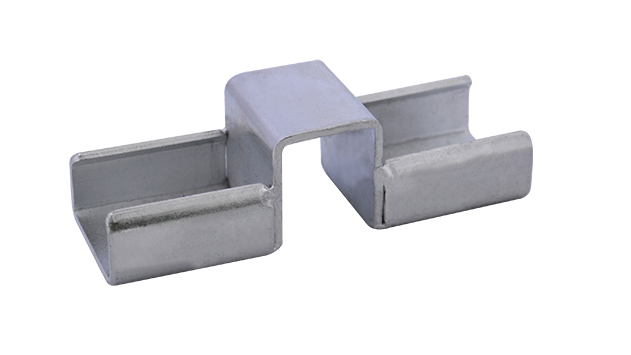
Anatomy of a Roller Track Placon Mount Bracket: Design That Drives Flow
To truly appreciate their impact, let's zoom into the design of roller track placon mount brackets. These components may look simple, but their engineering is a masterclass in lean thinking: functional, durable, and adaptable. Let's break down their key features and why each matters in a Kanban context.
Material Matters: Aluminum, Steel, and the Case for Lightweight Strength
Most placon mount brackets are crafted from aluminum or steel, and the choice isn't arbitrary. Aluminum brackets, like those used with aluminum lean pipes and profiles, offer a winning combination of light weight and corrosion resistance—ideal for clean environments like medical device assembly or food packaging lines. Steel brackets, on the other hand, shine in heavy-duty applications, such as supporting 40 steel roller track yellow wheels carrying automotive axles or engine parts.
Take the "Roller Track Placon Mount for Aluminum Profile High," for example. Its aluminum construction keeps the overall system weight low, making it easier for workers to reposition tracks during line reconfigurations—no need for heavy machinery or extra labor. This aligns perfectly with the lean principle of "respect for people" by reducing physical strain and downtime.
Engineering for Adjustability: The Secret to Lean Adaptability
One of the biggest mistakes in manufacturing setup is treating production lines as "permanent." In reality, lean thrives on continuous improvement—meaning lines need to evolve. Placon mount brackets address this with features like slotted holes, height-adjustable collars, and modular designs. For instance, the "End Support for Roller Track Placon Mount with Stop" includes a built-in stopper that can be repositioned to control material flow, adapting to different part sizes without replacing the entire bracket.
Consider a scenario in a consumer electronics plant: a line producing smartwatches suddenly needs to switch to fitness trackers, which are smaller and lighter. With standard fixed brackets, workers might need to replace the entire roller track setup. But with placon mount brackets that allow adjusting track height and stopper positions, the switch can be done in under an hour—keeping changeover time to a minimum, a key metric in OEE (Overall Equipment Effectiveness).
Compatibility: Playing Well with Others in the Lean Ecosystem
A lean system is only as strong as its weakest link, and brackets must work seamlessly with other components. This means compatibility with everything from aluminum guide rails (like Aluminum Guide Rail B) to roller track connectors and even caster wheels for mobile workstations. The "Roller Track Placon Mount Connector," for example, is designed to link multiple track segments at precise angles, ensuring a continuous flow even around corners—critical for U-shaped production cells common in lean facilities.
Another example is the "Placon Mount for Aluminum Profile Flat," which integrates with 4040 or 3030 aluminum profiles—standard in lean pipe workbenches and flow racks. This compatibility allows manufacturers to build unified systems where tracks, workstations, and storage racks share the same mounting infrastructure, reducing complexity and spare parts inventory.

Placon Mount Bracket Types: Matching the Right Bracket to Your Kanban Needs
With dozens of placon mount bracket variations available, choosing the right one feels like navigating a maze. But here's the good news: each design solves a specific problem. To simplify, we've categorized the most common types by their primary function, along with real-world applications where they excel.
| Bracket Type | Key Design Features | Typical Roller Track Compatibility | Best For |
|---|---|---|---|
| Roller Track Placon Mount for Rail Connection | Angled mounting slots, reinforced side walls | 40 Steel Roller Track (Yellow/Black Wheels), 38 Aluminum Roller Track | Connecting track segments in straight lines; common in 3C assembly lines |
| Placon Mount for Aluminum Profile High | Elevated design, fits 4080/4040 aluminum profiles | 85 Staggered Roller Track, 60 Steel Roller Track (Green/Grey) | Creating height differences between workstations; automotive part transfer |
| End Support with Stop | Adjustable rubber stopper, corrosion-resistant coating | 0.5/1 Inch Swivel Roller Balls, Mini Aluminum Roller Track | Controlling flow of small parts (e.g., medical device components) |
| Placon Mount Center Support Bracket | Dual-point mounting, load-rated for 200+ kg | 40 Steel Roller Track (Black ESD Wheels), 85 Steel Roller Track | Long track spans in ESD workbenches; preventing sag under heavy loads |
| End Support with Wheel | Integrated caster wheel, locking mechanism | All Direction Roller Track, 40 Roller Track Placon Mount drop High | Mobile flow racks for just-in-time delivery to assembly stations |
Let's dive deeper into a few standout types to understand their unique value:
1. The Workhorse: Placon Mount for Aluminum Profile Flat
If there's a " Swiss Army Knife" of brackets, this is it. Designed to mount directly onto flat aluminum profiles (like 3030 or 2020 series), it's the go-to for most general-purpose Kanban setups. What makes it special? Its low-profile design keeps roller tracks close to work surfaces, ideal for ergonomic material handling. In a medical device assembly line, for example, workers can slide trays of sterile components along a 38 aluminum roller track mounted with these brackets, keeping parts at waist height to reduce fatigue.
2. The Precision Player: Roller Track Placon Mount Joint
For lines that require sharp turns or zig-zag paths (common in space-constrained facilities), this bracket is indispensable. It allows roller tracks to be joined at 45° or 90° angles with minimal gaps, preventing parts from getting stuck at the corners. A case in point: a computer peripheral plant using 40 steel roller track yellow wheels to move keyboard assemblies. By using placon mount joints, they routed tracks around a central testing station, reducing the facility footprint by 15% while maintaining continuous flow.
3. The Heavyweight Champion: 40 Roller Track Placon Mount drop High
When dealing with heavy loads—think automotive engines or large appliance parts—standard brackets simply won't cut it. This bracket features a reinforced base and drop-down design that lowers the track height, lowering the center of gravity and reducing sway. A leading automotive Tier 1 supplier uses these brackets with 85 steel roller tracks to move transmission housings, supporting loads up to 300 kg per linear meter without deformation.

Real-World Impact: Case Studies Across Industries
Talking about design features is one thing, but seeing how placon mount brackets transform operations is where the story comes alive. Let's explore three case studies across key manufacturing sectors to understand their tangible impact on lean Kanban systems.
Case Study 1: 3C Electronics – Reducing Changeover Time by 65%
A leading 3C manufacturer in Shenzhen produces smartphones, tablets, and smart home devices—each with unique assembly requirements. Their challenge? Frequent line reconfigurations, which were taking 4+ hours, eating into production time. The root cause: fixed steel brackets that required tools to remove and replace, making track adjustments a logistical nightmare.
The Solution: Switching to modular placon mount brackets (Placon Mount for Aluminum Profile High and End Support with Stop). These brackets featured tool-free thumb screws and slotted mounting holes, allowing workers to adjust track height, angle, and stopper positions in minutes. For example, when switching from tablet to smartphone assembly, they repositioned the 38 aluminum roller track (yellow with wheel flange) by loosening the brackets, sliding them along the aluminum profiles, and retightening—no drills or wrenches needed.
The Result: Changeover time dropped from 4 hours to 90 minutes, increasing annual production capacity by 12%. Additionally, the ability to quickly adjust track alignment reduced part jams by 40%, cutting scrap costs by $80,000 annually.
Case Study 2: Medical Device Manufacturing – Enhancing Sterility and Compliance
A medical equipment maker specializing in surgical instruments faced a dual challenge: maintaining strict sterility standards while meeting growing demand for minimally invasive tools. Their old roller track system used welded steel brackets that were hard to clean (crevices trapped debris) and couldn't be disassembled for autoclaving.
The Solution: Upgrading to aluminum placon mount brackets with smooth, crevice-free surfaces and quick-disconnect pins. They paired these with 38 aluminum roller track black ESD wheels (to prevent static damage to sensitive electronics in the instruments) and plastic roller track guide rails (grey) that could be removed and sanitized separately. The "Roller Track Placon Mount for Aluminum Profile Flat" was key here, as its flat mounting surface eliminated gaps where bacteria could hide.
The Result: Passed FDA audits with zero observations related to material handling, and reduced cleaning time for tracks by 50%. The ESD-safe design also cut static-related defects in electronic components by 25%, improving product reliability.
Case Study 3: Automotive Parts – Boosting Throughput in Heavy-Duty Environments
A Tier 2 automotive supplier produces brake calipers for electric vehicles. Their Kanban system relied on manual carts to move calipers from machining to assembly—a process prone to delays and ergonomic injuries. They needed a roller track system that could handle 25 kg calipers while withstanding the oily, high-vibration environment of a machine shop.
The Solution: Implementing 60 steel roller track green with Placon Mount Center Support Brackets and End Support with Wheel. The center support brackets prevented track sag under the weight of the calipers, while the end support wheels allowed the entire track section to be moved for maintenance access. The brackets were coated with anti-corrosive paint to withstand oil and coolant exposure.
The Result: Eliminated manual cart transport, reducing material handling labor by 30%. The system now moves 120 calipers per hour with zero downtime, and worker compensation claims related to lifting dropped by 100%.
Synergy with Other Lean Components: A System Approach
Great athletes don't win games alone, and neither do great lean components. Roller track placon mount brackets truly shine when integrated with other elements of the lean ecosystem, creating a cohesive system greater than the sum of its parts. Let's explore how they collaborate with key components to drive even more value.
1. Lean Pipe Workbenches: The Perfect Pair for Assembly Cells
Lean pipe workbenches (like Workbench E) are the "command centers" of many production lines, where assembly, testing, and inspection happen. Placon mount brackets bridge the gap between these workbenches and roller tracks, ensuring parts flow directly onto the bench surface. For example, a workstation in a 3C plant might use a single-deck Workbench E without casters, with a 38 aluminum roller track (white with side guide) mounted via placon brackets to the bench edge. This allows components to slide directly from the track onto the work surface, eliminating the need for workers to reach across or bend down—cutting cycle time by 10-15% per unit.
2. Conveyors: Extending Flow Beyond the Kanban Cell
While roller tracks excel at short-distance, high-frequency material movement, conveyors handle longer hauls between production areas. Placon mount brackets play a critical role in connecting roller tracks to conveyors, creating a seamless handoff. For instance, a food packaging facility might use a belt conveyor to move bulk packaging materials to a filling station, where placon-mounted 0.5-inch swivel roller balls transfer individual packages to the sealing line. The brackets ensure the transition is smooth, preventing packages from tipping or jamming at the conveyor-track interface.
3. ESD Workstations: Protecting Sensitive Electronics
In industries like semiconductor manufacturing or medical device assembly, electrostatic discharge (ESD) can destroy sensitive components. ESD workstations require all metal parts to be grounded, including brackets. Placon mount brackets with ESD-compliant coatings (like those used with 40 steel roller track black ESD wheels) ensure the entire roller track system is grounded, dissipating static charges safely. A leading semiconductor equipment maker reported a 90% reduction in ESD-related failures after upgrading to ESD-compliant brackets, saving over $200,000 annually in scrap and rework.
4. Turnover Trolleys and Racks: Mobile Flow for Dynamic Environments
Mobile turnover trolleys (like Hand Trolley B) are essential for just-in-time delivery of materials to Kanban cells. Placon mount brackets with integrated casters (e.g., End Support for Roller Track Placon Mount with Wheel) transform fixed roller tracks into mobile units. A warehouse logistics provider uses these mobile track systems to deliver parts directly to assembly lines, reducing the time workers spend walking to fetch materials by 25%, a significant boost in labor productivity.
The Bottom Line: Why Placon Mount Brackets Matter for Lean Success
At this point, it's clear that roller track placon mount brackets are far more than "nuts and bolts." They're strategic assets that directly impact key lean metrics: throughput, changeover time, labor efficiency, and scrap rates. But let's quantify their value with hard numbers and principles that resonate with manufacturing leaders.
1. Driving Continuous Improvement (Kaizen)
Lean isn't a one-time project; it's a culture of continuous improvement. Placon mount brackets enable Kaizen by making it easy to test and implement small changes. For example, a team might adjust the height of a roller track using placon brackets to see if it reduces worker fatigue, then standardize the change if it works. This "test-and-learn" cycle is impossible with fixed, non-adjustable mounting systems. A study by the Lean Enterprise Institute found that facilities with modular mounting systems (like placon brackets) implement 3x more Kaizen improvements annually than those with fixed infrastructure.
2. Reducing Total Cost of Ownership (TCO)
While high-quality placon mount brackets may cost more upfront than generic hardware, their TCO is significantly lower. Consider: a manufacturer using cheap, non-adjustable brackets might save $5 per bracket initially but spend $50 per hour in downtime when tracks misalign. In contrast, a $15 placon bracket that lasts 5+ years, allows 10+ reconfigurations, and reduces downtime pays for itself in months. A mid-sized automotive parts supplier calculated that switching to premium placon mount brackets reduced their annual maintenance costs by $45,000, even with the higher upfront investment.
3. Enabling Scalability in High-Growth Industries
Industries like 3C and medical device manufacturing are growing at breakneck speeds, requiring production lines to scale quickly. Placon mount brackets support this by allowing "modular expansion"—adding new track sections or workstations without rebuilding the entire system. A startup producing wearable health monitors used placon brackets to triple their production capacity in six months, simply by adding more roller track segments and workbenches to their existing aluminum profile framework.
Conclusion: The Unseen Force Behind Lean Excellence
As we wrap up, let's circle back to that factory floor we imagined at the beginning—the one with the steady rhythm, the seamless flow, the absence of waste. That harmony doesn't happen by accident. It's built on thousands of small decisions, including the choice of roller track placon mount brackets. These unassuming components embody the very spirit of lean manufacturing: solving big problems through smart, focused engineering.
Whether it's supporting a medical device manufacturer's sterility goals, enabling a 3C plant's rapid changeovers, or helping an automotive supplier move heavy parts safely, placon mount brackets do more than hold tracks in place. They hold the promise of a more efficient, adaptable, and human-centered manufacturing future. A future where workers spend less time fighting with cumbersome equipment and more time adding value. A future where every component—no matter how small—contributes to the greater goal of continuous improvement.
So the next time you walk through a well-oiled production facility, take a moment to look down at the roller tracks. Follow them to their supports, and you'll see the quiet heroes: placon mount brackets, working tirelessly to keep the lean dream alive. In the end, lean manufacturing isn't about perfection—it's about progress. And progress, as we've seen, starts with the right connections.