- Company Articles
- Products and Technology
- Solution
- The Role of Single Side Aluminum Pipe in "Lean Digital Transformation"

The Role of Single Side Aluminum Pipe in "Lean Digital Transformation"
Related Product
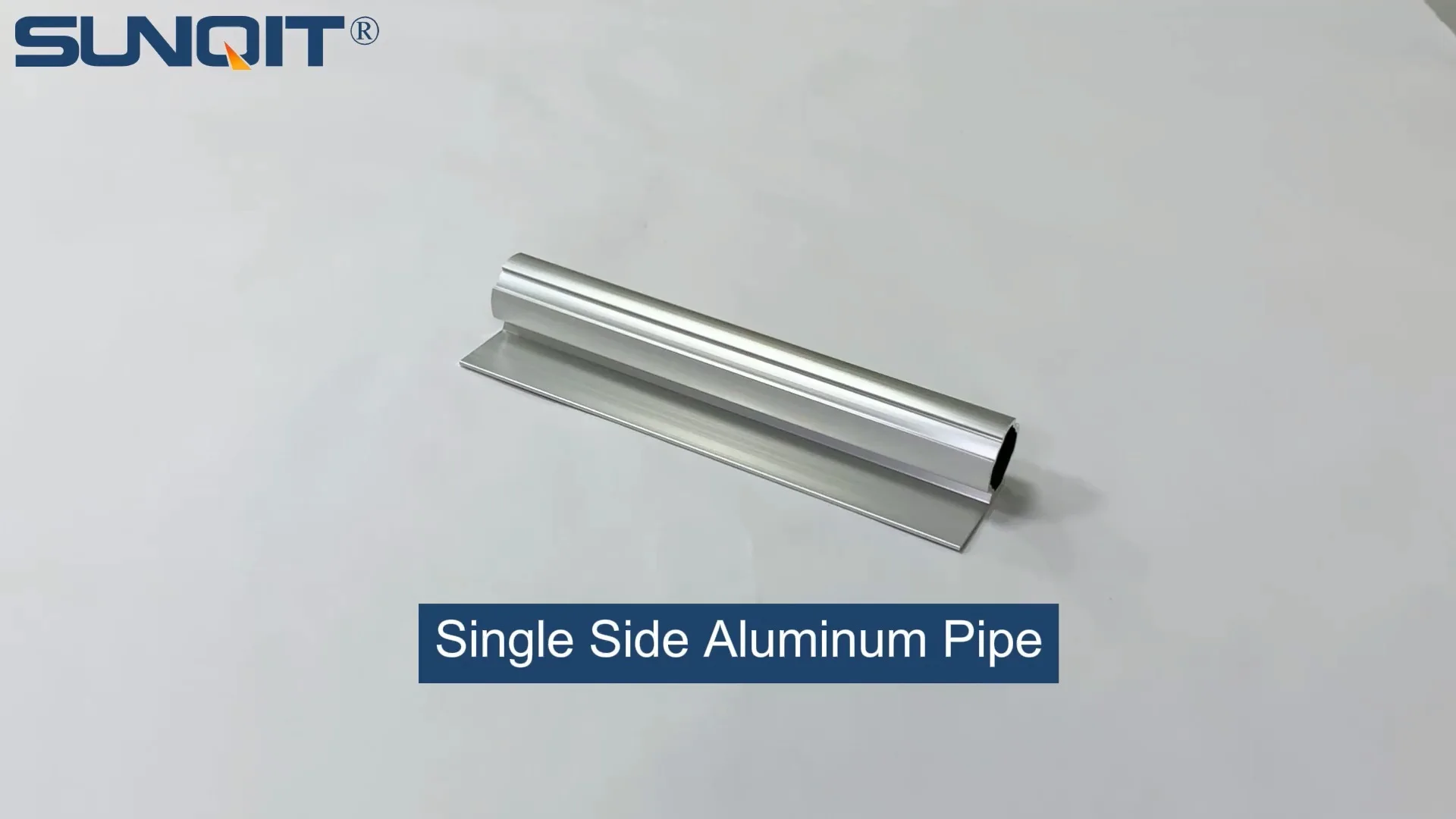
Single Side Aluminum Pipe
The single-sided plane can be installed with a back-mounted material box, and can also be used as a sidewall or partition.
In today's fast-paced manufacturing landscape, the buzz around "lean digital transformation" has become impossible to ignore. It's the sweet spot where time-tested lean principles—eliminating waste, optimizing flow, and continuous improvement—meet cutting-edge digital tools like IoT, AI, and data analytics. But here's the thing: for all the talk of algorithms and smart software, none of this transformation happens in a vacuum. The physical workspace—the benches, tracks, and structures that shape how teams work—plays a silent yet critical role in making lean digital goals a reality. And that's where single side aluminum pipe steps into the spotlight.
Understanding Lean Digital Transformation: More Than Just a Buzzword
Before diving into the specifics of aluminum pipes, let's ground ourselves in what lean digital transformation really means. Traditional lean manufacturing, born from the Toyota Production System, focuses on streamlining processes to minimize waste (think excess inventory, unnecessary movement, or idle time) while maximizing value for customers. Digital transformation, on the other hand, leverages technology to automate, connect, and optimize operations—turning data into actionable insights.
Together, they create a powerhouse: lean provides the mindset of efficiency, and digital provides the tools to measure, adapt, and scale that efficiency. But here's the catch: a digital system can't optimize a workflow that's stuck in rigid, outdated physical infrastructure. If your factory floor is cluttered with fixed workbenches, inflexible material racks, or disjointed assembly lines, even the fanciest software will hit a wall. That's why the right physical tools—like single side aluminum pipe—are the unsung heroes bridging the gap between lean principles and digital innovation.
Single Side Aluminum Pipe: The Workhorse of Modern Workspaces
At first glance, a single side aluminum pipe might seem like just another piece of industrial hardware. But look closer, and you'll see why it's become a cornerstone of lean digital environments. Let's break down its design and why it matters:
Modularity by Design : Unlike rigid steel pipes or fixed wooden structures, single side aluminum pipe is built with a T-slot profile along one side. This simple feature—think of a long, narrow groove running the length of the pipe—lets you attach accessories like brackets, shelves, or roller tracks with ease. No welding, no drilling, no hassle. Need to add a tool holder to your workbench? Slide in a bracket. Want to extend a material rack? Connect another pipe with a joint. This modularity is pure lean gold: it lets you adapt on the fly, eliminating the waste of rebuilding entire structures when needs change.
Lightweight Yet Durable : Aluminum is naturally lightweight, making it easy for teams to reconfigure workspaces without heavy machinery. But don't let its lightness fool you—aluminum alloys are surprisingly strong, handling the daily wear and tear of manufacturing, logistics, and assembly. This balance of strength and portability means less time spent on manual labor (waste) and more time focused on value-adding tasks (lean win).
Sleek Integration with Digital Tools : The T-slot design isn't just for physical accessories. It also provides a perfect mounting point for digital tools. Need to attach a barcode scanner to a production line? Secure it with a T-slot bracket. Want to mount a tablet for real-time production dashboards? Slide in a holder. Even sensors for IoT monitoring—like those tracking workflow bottlenecks or equipment usage—can be easily affixed. In short, single side aluminum pipe turns your workspace into a "digital-ready" canvas, where physical and digital systems work in harmony.

Building Flexible Workspaces: From Workbenches to Lean Systems
One of the core tenets of lean manufacturing is "flow"—ensuring materials, information, and people move smoothly through the production process. Digital tools help map and optimize this flow with data, but the physical layout of your workspace determines whether that flow is possible. Single side aluminum pipe excels here by enabling modular workbenches and custom lean systems that adapt to your team's needs.
Let's take a common scenario: an electronics manufacturer launching a new product line. In a traditional setup, they might order a custom wooden workbench, which takes weeks to build and can't be changed. If the product design shifts (as it often does in agile environments), the bench becomes obsolete, and they're back to square one—wasting time and money. With single side aluminum pipe, they can build a workbench in hours, not weeks. Start with a basic frame: pipes for legs, a top shelf, and a few tool hooks. As the product evolves, add a second tier for components, swap out a flat surface for a sloped one, or even attach a small roller track to feed parts directly to the assembly line. It's lean flexibility in action, powered by a simple pipe.
| Feature | Traditional Fixed Workbench | Single Side Aluminum Pipe Workbench |
|---|---|---|
| Setup Time | Weeks (custom-built) | Hours (modular assembly) |
| Adaptability | None—fixed design | High—easily reconfigured with new accessories |
| Digital Integration | Limited (drilling required for mounts) | Seamless (T-slot for sensors, monitors, etc.) |
| Cost Over Time | High (replacement needed for changes) | Low (reusable components, minimal waste) |

Optimizing Material Flow with Roller Tracks and Aluminum Pipe
Material handling is a classic area where waste creeps into manufacturing. Employees walking back and forth to fetch parts, boxes getting stuck on uneven surfaces, or inventory piling up because it can't reach the next workstation—these are all lean nightmares. Digital tools like ERP systems can track inventory levels, but they can't physically move parts faster. That's where the combination of single side aluminum pipe and roller track accessories shines.
Roller tracks—those lines of small, free-spinning wheels that let materials glide smoothly—are a staple of lean material flow. But their effectiveness depends on how they're integrated into the workspace. Single side aluminum pipe provides the perfect framework here. By mounting roller tracks onto aluminum pipe frames, you can create custom flow paths tailored to your workflow. For example:
Assembly Line Feeding : Imagine a car parts manufacturer where door panels need to move from the painting station to the final assembly line. A sloped roller track, built with aluminum pipe legs and brackets, lets gravity do the work—no manual pushing, no delays. Sensors mounted along the track (secured via T-slots) can send real-time data to a digital dashboard, alerting teams if a panel gets stuck (waste) or if the flow is faster/slower than expected (opportunity for lean improvement).
Order Picking in Warehouses : In logistics, order pickers waste valuable time navigating cluttered aisles. With aluminum pipe and roller track, you can build inclined shelving units where bins slide forward as items are picked, keeping products within easy reach. Add digital labels (mounted on aluminum brackets) that update in real time via RFID or Bluetooth, and pickers always know where to find the next item. It's lean (less movement, less time) and digital (data-driven accuracy) working hand in hand.
The beauty of this setup is its scalability. Need to extend a roller track to a new workstation? Just add more aluminum pipe and track sections. Want to adjust the angle for heavier items? Loosen the joints, reposition, and tighten—done. No waste, no downtime, just continuous flow.

Supporting Sustainability: Lean, Digital, and Green
Lean digital transformation isn't just about efficiency—it's also about sustainability. Both lean (eliminating waste) and digital (optimizing resource use) align with eco-friendly goals, and single side aluminum pipe fits right in. Aluminum is 100% recyclable, with no loss in quality during recycling. When a workspace is reconfigured, old pipes and accessories can be melted down and repurposed, reducing the carbon footprint of manufacturing new materials (waste elimination, check). Plus, its lightweight design means less energy is used in transportation and installation compared to steel alternatives.
Digital tools can amplify this sustainability. For example, using IoT sensors mounted on aluminum pipe structures to monitor energy usage in workbenches or lighting. Data from these sensors can highlight areas where energy is being wasted (like a workbench light left on overnight), allowing teams to adjust habits—a small change with big lean and green benefits.
Real-World Impact: How Companies Are Winning with Single Side Aluminum Pipe
Let's look at a tangible example to see how single side aluminum pipe drives lean digital transformation. Take a mid-sized electronics manufacturer producing smartphones. A few years ago, their assembly line was rigid: fixed workbenches, manual material handling, and limited visibility into production bottlenecks. Digital tools existed (an ERP system, a basic quality control app), but they felt disconnected from the physical workspace.
Then, they switched to single side aluminum pipe. Here's what changed:
Modular Workbenches : They replaced wooden benches with aluminum pipe workbenches, each equipped with T-slot-mounted tablets for real-time access to assembly instructions (digital) and adjustable tool holders (physical). When a new phone model launched, they reconfigured the benches in hours, not days—cutting setup waste by 70%.
Smart Roller Tracks : Aluminum pipe frames supported roller tracks that carried circuit boards from testing to packaging. Sensors along the tracks (mounted via T-slots) sent data to a digital dashboard, flagging if a board was defective or if the track was moving too slowly. This reduced material waste (fewer damaged boards) and improved flow (no more bottlenecks hidden from view).
Sustainable Savings : By reusing aluminum components across reconfigurations, they cut annual waste disposal costs by 40%. And lightweight workbenches meant less energy used in heating/cooling the factory (aluminum conducts temperature more efficiently than wood), trimming utility bills by 15%.
The result? A 30% increase in production efficiency, 25% fewer defects, and a workspace that felt "alive"—adaptable, connected, and ready for whatever digital tool or lean improvement came next.
Choosing the Right Partner: The Role of Suppliers in Lean Digital Success
To unlock the full potential of single side aluminum pipe, you need more than just the pipes themselves—you need a supplier who understands lean digital transformation. A great supplier doesn't just sell products; they offer expertise. Look for partners who:
Offer a Full Ecosystem : Pipes, joints, brackets, roller tracks, digital mounting accessories—having a one-stop shop ensures compatibility. Mixing and matching parts from different suppliers can lead to fit issues (waste) and delays (lean no-no).
Prioritize Quality : Flimsy joints or poorly extruded aluminum pipes will bend, break, or wear out quickly, undoing your lean efforts. Ask about material grades, testing standards, and warranty policies. A reliable supplier stands behind their products, ensuring your workspace stays efficient for years.
Understand Your Lean Goals : The best suppliers take the time to learn about your specific workflow challenges. Maybe you need help designing a roller track system for a tight space, or you're unsure how to integrate digital tools into your aluminum setup. A supplier with lean expertise can offer tailored solutions, not just off-the-shelf parts.
Looking Ahead: Single Side Aluminum Pipe in the Next Wave of Digital Transformation
As lean digital transformation evolves—with AI-driven predictive maintenance, cobots (collaborative robots), and fully connected smart factories—single side aluminum pipe will only grow more critical. Imagine cobots working alongside humans on aluminum pipe workbenches, with T-slot-mounted sensors ensuring safe, efficient collaboration. Or AI algorithms suggesting workspace reconfigurations based on real-time data, with teams using lightweight aluminum components to make those changes in minutes. The pipe itself might even get smarter, with embedded RFID tags that track usage, maintenance needs, or sustainability metrics (like carbon footprint) as part of a circular economy model.
In this future, the line between physical and digital will blur further. Single side aluminum pipe isn't just a tool for today—it's a foundation for tomorrow, ensuring your workspace can keep pace with whatever innovation comes next.
Conclusion: The Quiet Catalyst of Lean Digital Transformation
Lean digital transformation is about more than software and spreadsheets. It's about creating a workspace where every tool—physical and digital—works together to eliminate waste, boost flow, and drive value. Single side aluminum pipe may not grab headlines like AI or IoT, but its impact is undeniable. It's the modular backbone that lets lean principles breathe, the flexible framework that makes digital tools actionable, and the sustainable choice that aligns with the future of manufacturing.
So, the next time you walk through a factory, warehouse, or assembly line that feels "just right"—efficient, adaptable, and connected—take a look around. Chances are, you'll spot single side aluminum pipe holding it all together. It's not just a pipe. It's the quiet catalyst turning lean digital dreams into reality.