- Company Articles
- Products and Technology
- Technology Sharing
- The Role of Turning Angle Code 2020 in Sustainable Lean Manufacturing Practices

The Role of Turning Angle Code 2020 in Sustainable Lean Manufacturing Practices
Related Product
Urning Angle Code 2020
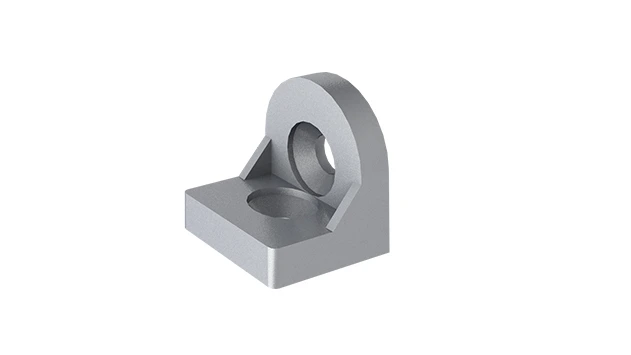
The turning angle aluminum profile connector provides a 90 degree hidden corner connection. 2020 it is means this size is used for 20 series aluminum profile.The corner code comes with set screws that allow for quick, easy connections.
In the fast-paced world of modern manufacturing, where efficiency and sustainability are no longer optional but essential, every component in the production ecosystem plays a critical role. From large conveyor systems to tiny fasteners, each part contributes to the overall goal of creating value while minimizing waste. One such unsung hero in this landscape is the turning angle code 2020 —a small yet mighty aluminum profile accessory that has quietly revolutionized how manufacturers build, adapt, and sustain their production lines. In this article, we'll explore how this unassuming component bridges the gap between lean manufacturing principles and sustainable practices, and why it has become a cornerstone for forward-thinking lean system suppliers and manufacturers worldwide.
What Exactly Is a Turning Angle Code 2020?
Before diving into its impact, let's demystify the turning angle code 2020. At its core, it's a specialized connector designed to join aluminum profiles —specifically the 2020 series, which refers to profiles with a 20mm x 20mm cross-section. These profiles are the backbone of modular manufacturing setups, used to build everything from workbenches and material racks to conveyor frames and machine guards. The turning angle code 2020, often made from high-grade aluminum alloy, features precision-engineered angles (typically 90 degrees, though variations exist) and pre-drilled holes that align perfectly with the T-slots of 2020 aluminum profiles. This design allows for tool-free or minimal-tool assembly, creating strong, rigid connections that can withstand the rigors of daily production.
What sets the turning angle code 2020 apart from traditional steel brackets or welded joints is its versatility. Unlike fixed welded connections, which are permanent and difficult to modify, this angle code enables quick disassembly and reconfiguration. Imagine a production line that needs to shift from assembling small electronic components to larger mechanical parts overnight—with traditional steel frames, this might require cutting, welding, and repainting, generating waste and downtime. With the turning angle code 2020, workers can simply loosen a few screws, reposition the aluminum profiles, and reattach the angle codes, transforming the setup in hours rather than days. This flexibility is a game-changer for lean manufacturing, where adaptability is key to responding to market demands.
Lean Manufacturing and Sustainability: A Perfect Partnership
To understand the turning angle code 2020's role, we first need to revisit the principles of lean manufacturing and sustainability. Lean, pioneered by Toyota, focuses on eliminating waste ("muda") in all forms—overproduction, waiting, transportation, defects, inventory, motion, and overprocessing. Sustainability, on the other hand, emphasizes reducing environmental impact by minimizing resource consumption, cutting emissions, and promoting circularity (reusing and recycling materials). While these two concepts may seem distinct, they are deeply intertwined: lean's waste-reduction goals directly contribute to sustainability, and sustainable practices often enhance lean efficiency by lowering costs and improving resource management.
The challenge for manufacturers, however, has long been finding tools and components that support both. Traditional manufacturing setups often rely on rigid, single-use structures—think heavy steel workbenches bolted to the floor or custom-welded conveyor frames. These are durable but inflexible; when production needs change, they become obsolete, leading to waste (scrapping old equipment) and increased costs (buying new ones). This is where modular components like the turning angle code 2020 step in, offering a solution that aligns with both lean and sustainability objectives.

How Turning Angle Code 2020 Supports Lean Systems
Lean systems thrive on three pillars: flow, flexibility, and continuous improvement. The turning angle code 2020 strengthens each of these pillars in tangible ways.
1. Enhancing Flow: In lean manufacturing, "flow" refers to the smooth, uninterrupted movement of materials and products through the production process. Bottlenecks—caused by inefficient workbenches, poorly designed material racks, or rigid conveyor systems—disrupt this flow, leading to waiting time (a key waste). The turning angle code 2020 helps eliminate bottlenecks by enabling the creation of custom, ergonomic workstations and roller track systems. For example, a workbench built with 2020 aluminum profiles and turning angle codes can be adjusted to the exact height of workers, reducing motion waste (e.g., bending or reaching). Similarly, roller tracks assembled with these angle codes ensure materials glide seamlessly from one station to the next, minimizing jams and delays.
2. Enabling Flexibility: The modern factory can't afford to be static. Product lifecycles are shorter than ever, and customer demands shift rapidly. A production line that takes weeks to reconfigure is a liability. The turning angle code 2020's modular design makes reconfiguration fast and easy. Suppose a manufacturer needs to add a new step to their assembly process—instead of building an entirely new workbench, they can simply extend the existing one by adding more 2020 profiles and angle codes. This "build-as-you-go" approach reduces lead times for new product launches and allows for continuous experimentation (a core tenet of kaizen, or continuous improvement).
3. Reducing Waste: Perhaps the most direct alignment with lean is the turning angle code 2020's ability to cut waste. Traditional steel brackets often require drilling, welding, or painting on-site, generating scrap metal, fumes, and chemical waste. In contrast, these angle codes arrive pre-finished and ready to use, eliminating on-site processing. Moreover, their reusability is a game-changer. When a production line is retired, the angle codes and aluminum profiles can be disassembled, cleaned, and reused in new setups—unlike welded steel, which is often cut up and sent to recycling (losing value in the process). This circularity not only reduces waste but also lowers long-term material costs.

Sustainability: Beyond Lean, Toward a Greener Future
While lean focuses on operational efficiency, sustainability adds an environmental dimension—and here, the turning angle code 2020 shines even brighter. Let's break down its sustainability benefits:
Material Efficiency: Aluminum is inherently sustainable. It's 100% recyclable with no loss of quality, and recycling aluminum uses just 5% of the energy required to produce new aluminum from bauxite ore. The turning angle code 2020, being aluminum-based, contributes to this cycle. Unlike plastic connectors (which degrade over time) or steel brackets (which rust and require frequent replacement), aluminum angle codes have a lifespan of decades. When they do reach the end of their use, they can be melted down and reformed into new components, closing the loop on resource consumption.
Energy Savings: The lightweight nature of aluminum profiles and angle codes reduces the energy needed to transport and install manufacturing equipment. A typical steel workbench might weigh 200kg, while an equivalent aluminum workbench built with 2020 profiles and turning angle codes weighs just 60kg. This not only cuts fuel costs during transportation but also makes on-site assembly easier—requiring fewer workers and less heavy machinery, which further reduces carbon emissions.
Reduced Chemical Use: Steel brackets often require coatings (like paint or zinc plating) to prevent corrosion, which involve toxic chemicals and energy-intensive processes. Aluminum, thanks to its natural oxide layer, is corrosion-resistant without additional coatings. The turning angle code 2020, therefore, eliminates the need for these chemical treatments, reducing a factory's environmental footprint and improving worker safety (fewer toxic fumes or wastewaters).
Real-World Impact: A Case Study
To put these benefits into perspective, let's look at a real example: a mid-sized electronics manufacturer in Southeast Asia that switched from steel workbenches to aluminum modular setups using turning angle code 2020. Prior to the switch, the company struggled with:
- Long reconfiguration times (3-4 days) when launching new smartphone models, leading to missed market deadlines.
- High waste from scrapping old steel workbenches (over 500kg of steel waste annually).
- Worker complaints about heavy lifting and ergonomic issues, leading to higher turnover.
After partnering with a lean system supplier specializing in aluminum profiles and accessories, they replaced 20 steel workbenches with modular aluminum setups using 2020 profiles and turning angle codes. The results were striking:
- Reconfiguration time dropped to 4 hours per line, allowing the company to launch new models 2 weeks earlier than competitors.
- Steel waste was eliminated—old aluminum components were reused to build new material racks, saving $15,000 annually in material costs.
- Worker turnover decreased by 25%, as the lighter, adjustable workbenches reduced physical strain.
- Carbon emissions from transportation and assembly dropped by 18%, aligning with the company's sustainability goals.
This case study isn't an anomaly. Across industries—from automotive to medical device manufacturing—similar stories are emerging, highlighting how the turning angle code 2020 is more than a component; it's a catalyst for positive change.
Comparing Traditional vs. Modern: The Data Speaks
To further illustrate the impact, let's compare traditional steel brackets with turning angle code 2020 in key areas:
| Feature | Traditional Steel Brackets | Turning Angle Code 2020 (Aluminum) |
|---|---|---|
| Assembly Time (per connection) | 15-20 minutes (welding/drilling) | 2-3 minutes (tool-free with T-slot bolts) |
| Reusability | Low (welded joints are permanent; often scrapped) | High (can be disassembled and reused indefinitely) |
| Weight (per unit) | 200g (steel) | 60g (aluminum) |
| Corrosion Resistance | Low (requires coating) | High (natural oxide layer) |
| Waste Generated (per setup) | 10-15kg (scrap metal, paint waste) | 0.5kg (minimal packaging waste) |
| Cost (10-year lifecycle) | Higher (replacement costs, waste disposal) | 30-40% lower (reusability, low maintenance) |
Why Lean System Suppliers Are Embracing the Turning Angle Code 2020
For suppliers, the turning angle code 2020 isn't just a product—it's a value proposition. In an industry where customers demand both lean efficiency and sustainability, offering modular aluminum solutions with these angle codes has become a competitive advantage. Suppliers report higher customer retention rates, as manufacturers appreciate the long-term cost savings and environmental benefits. Moreover, the standardized design of 2020 profiles and angle codes allows suppliers to streamline production, reducing lead times and inventory costs. It's a win-win: suppliers sell more, and manufacturers save more.
Looking Ahead: Innovations in Aluminum Profile Accessories
As manufacturing evolves, so too will the turning angle code 2020. Suppliers are already experimenting with advanced materials, such as recycled aluminum alloys, to further reduce environmental impact. Some are integrating smart features, like RFID tags embedded in angle codes, to track component usage and optimize inventory (a boon for lean's "just-in-time" principles). There's also growing interest in 3D-printed angle codes for custom angles or prototypes, though mass production still relies on extrusion for strength and consistency.
Another trend is the integration of the turning angle code 2020 with Industry 4.0 technologies. For example, modular workbenches built with these angle codes can easily accommodate sensors or IoT devices that monitor production flow, feeding data back to lean managers for continuous improvement. This fusion of physical flexibility and digital intelligence is set to redefine what lean manufacturing looks like in the next decade.
Conclusion: Small Component, Big Impact
The turning angle code 2020 may be small in size, but its impact on sustainable lean manufacturing is enormous. By enabling flexible, waste-free production setups, it helps manufacturers do more with less—less time, less material, and less environmental harm. As the world shifts toward greener, more efficient industrial practices, components like this will continue to be the unsung heroes of the factory floor. Whether you're a manufacturer looking to optimize your line or a supplier aiming to deliver value, the message is clear: in the intersection of lean systems and sustainability, the turning angle code 2020 isn't just a choice—it's a necessity.
So the next time you walk through a modern factory, take a closer look at those aluminum workbenches and roller tracks. Chances are, you'll spot the turning angle code 2020 hard at work—quietly building a future where efficiency and sustainability go hand in hand.