- Company Articles
- Products and Technology
- Technology Sharing
- The Role of Vertical Lean Pipe Joints in Lean Supply Chain Optimization

The Role of Vertical Lean Pipe Joints in Lean Supply Chain Optimization
Related Product
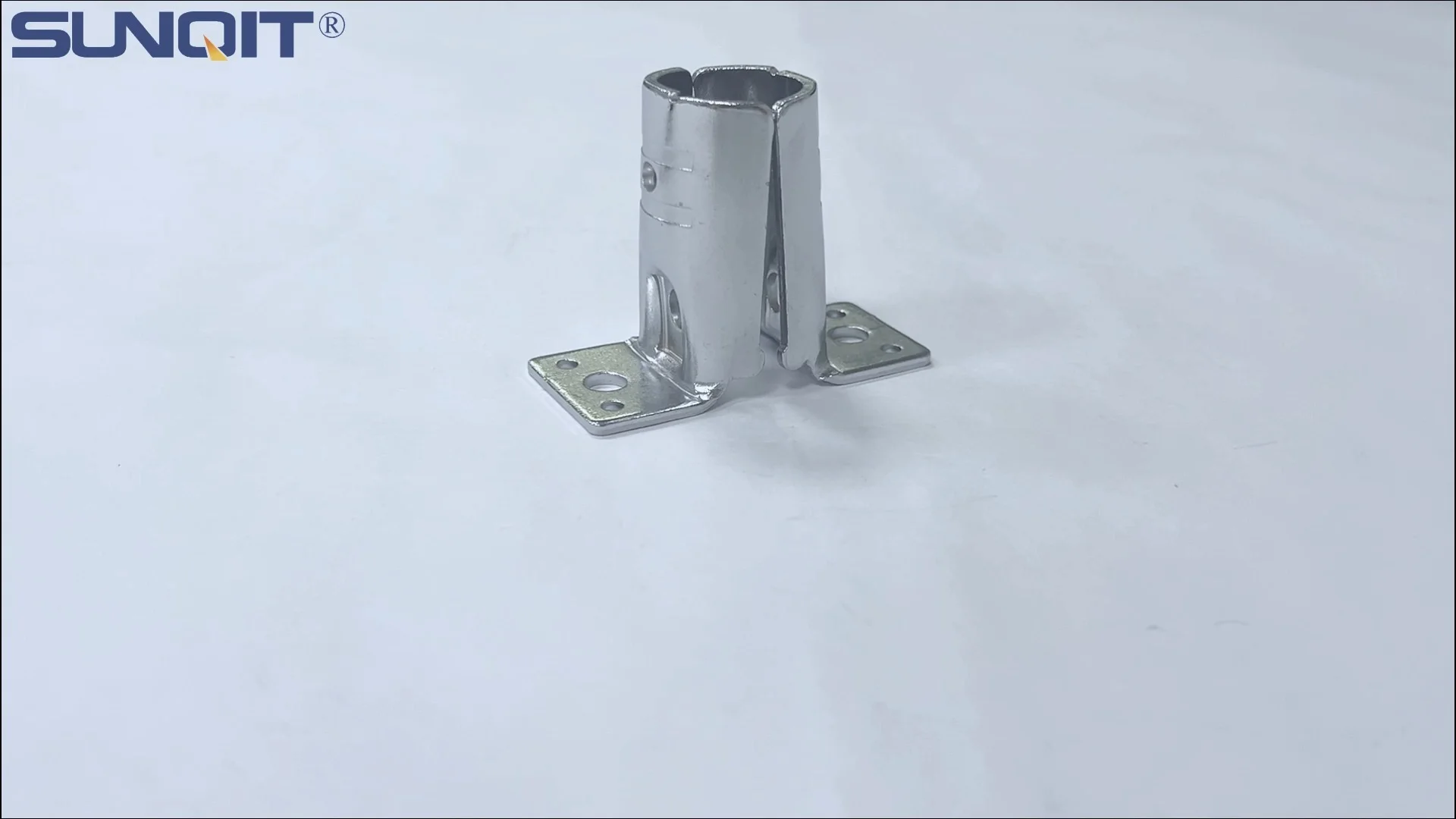
Vertical Lean Pipe Joint
Vertical lean pipe joint is used for 28mm lean pipe fixed on ground and keep it stable.
Introduction: The Changing Landscape of Supply Chain Efficiency
In today's fast-paced global market, supply chains are under constant pressure to do more with less. From manufacturing floors to distribution centers, the ability to adapt quickly, eliminate waste, and maintain productivity has become the cornerstone of competitive advantage. This is where lean principles step in—guiding organizations to streamline processes, reduce inefficiencies, and focus on value-driven operations. Yet, even with the best lean strategies, many supply chains struggle with a critical challenge: rigidity. Traditional equipment and fixed infrastructure often lock teams into static workflows, making it difficult to pivot when product demands shift, production lines retool, or new efficiency goals emerge.
Enter the world of modular lean systems—a category of tools and components designed to bring flexibility to the forefront of operational design. At the heart of this modular revolution lies a seemingly simple yet profoundly impactful component: the vertical lean pipe joint. Far more than just a connector, this unassuming part has quietly transformed how lean supply chains are built, reconfigured, and optimized. In this article, we'll explore how vertical lean pipe joints act as the unsung heroes of modern lean systems, enabling everything from adaptable workbenches to dynamic flow racks and agile conveyors. We'll dive into their design, their role in key lean processes, and the tangible benefits they bring to supply chains striving for excellence.
What Are Vertical Lean Pipe Joints?
Before we unpack their role in supply chain optimization, let's start with the basics: What exactly is a vertical lean pipe joint? At its core, it is a specialized connector designed to join lean pipes (hollow tubes typically made of steel, aluminum, or plastic-coated materials) at vertical angles, though many models also allow for multi-directional adjustments. Unlike fixed welds or rigid fasteners, vertical lean pipe joints are engineered for quick assembly, disassembly, and reconfiguration—no welding torches, no complex tools, just a simple twist or clamp to secure or release.
The magic of vertical lean pipe joints lies in their modularity. Most are designed with a universal fit, compatible with standard lean pipe diameters, which means they can be mixed and matched with other components like horizontal joints, elbows, or T-connectors to build almost any structure imaginable. Whether you're constructing a workbench, a flow rack, or a section of conveyor, these joints serve as the "building blocks" that hold the system together while keeping it adaptable. Made from durable materials like zinc-plated steel or aluminum, they're built to withstand the wear and tear of industrial environments, ensuring longevity even in high-traffic areas.
But what truly sets vertical lean pipe joints apart is their focus on vertical adjustability. Traditional joints might lock pipes into fixed 90-degree angles, limiting how high or low a structure can be. Vertical lean pipe joints, by contrast, often feature rotating or sliding mechanisms that let users tweak the height of shelves, the angle of work surfaces, or the position of conveyor rails with minimal effort. This vertical flexibility is a game-changer for lean systems, where the ability to align workflows with human ergonomics (e.g., adjusting a workbench to reduce worker strain) or product dimensions (e.g., raising a flow rack shelf to accommodate taller boxes) directly impacts efficiency and waste reduction.

Vertical Lean Pipe Joints as the Backbone of Lean Systems
Lean systems are all about creating value by eliminating waste—whether that's wasted time, wasted space, or wasted effort. To do this effectively, the physical infrastructure supporting these systems must be as dynamic as the processes they enable. Vertical lean pipe joints excel here, acting as the backbone that connects key lean components into cohesive, adaptable workflows. Let's explore how they integrate with three critical elements of lean supply chains: workbenches, flow racks, and conveyors.
1. Workbench: Adapting to the Human Element
Workbenches are the heartbeat of manufacturing and assembly lines—where operators spend hours assembling products, inspecting components, or packing orders. In a lean system, a workbench isn't just a table; it's a carefully designed space that minimizes motion waste, reduces fatigue, and keeps tools and materials within arm's reach. But what works for one product or operator might not work for another. A tall worker might need a higher bench to avoid hunching, while a small component assembly might require a lower surface for precision work. This is where vertical lean pipe joints shine.
By using vertical lean pipe joints, teams can build modular workbenches that adjust on the fly. For example, a workbench frame constructed with vertical joints can have its height raised or lowered by simply loosening the joints, sliding the pipes to the desired position, and retightening. This means the same workbench can transition from assembling small electronics in the morning to packing larger gadgets in the afternoon—no need for multiple fixed benches cluttering the floor. Add-ons like tool racks, LED light bars, or storage bins can also be attached via vertical joints, allowing operators to customize their workspace without permanent modifications. Over time, this adaptability reduces the need to purchase new workbenches, cutting costs and keeping the production floor agile.
2. Flow Racks: Keeping Materials Moving Efficiently
Flow racks are a staple of lean material handling, designed to ensure that materials and components move smoothly from storage to the point of use—often following the "first in, first out" (FIFO) principle to minimize waste from expired or obsolete inventory. Traditional flow racks, however, are often built with fixed shelf heights and angles, which can become problematic when product sizes change. A sudden influx of larger boxes might leave shelves underutilized, while smaller items could get lost in deep, wide bins, leading to time wasted searching for parts.
Vertical lean pipe joints solve this by turning flow racks into reconfigurable systems. Imagine a flow rack used in a warehouse that distributes automotive parts. One week, it might need to hold small bolts and washers in shallow bins; the next, larger plastic components that require deeper shelves. With vertical joints, workers can quickly adjust the height of each shelf to fit the new bin sizes, or even tilt the roller tracks (another key component, often paired with vertical joints) to change the flow angle, ensuring gravity moves products at the optimal speed. This not only reduces space waste but also ensures that materials are always presented to operators in the most accessible way, cutting down on picking errors and delays.
3. Conveyors: Bridging Gaps in the Production Flow
Conveyors are the arteries of many lean supply chains, transporting products between workstations, inspection points, or shipping areas. But conveyor systems can be notoriously rigid—once installed, changing their path or elevation often requires significant downtime and costly modifications. This rigidity can become a bottleneck when production lines are rebalanced or new processes are introduced.
Vertical lean pipe joints offer a more agile alternative, especially for smaller-scale or semi-automated conveyor setups. For instance, a section of roller conveyor used to move packages from a packing station to a shipping cart might need to be raised by a few inches to align with a new cart height. With vertical joints connecting the conveyor's support legs, this adjustment can be done in minutes: loosen the joints, adjust the leg height, retighten, and the conveyor is back in action. In more complex setups, vertical joints can even help create "switchback" conveyors, where the path changes direction vertically to save floor space—critical in crowded facilities where every square foot counts. By making conveyors adaptable, vertical lean pipe joints ensure that the flow of products remains uninterrupted, even as the production landscape shifts.

The Tangible Benefits of Vertical Lean Pipe Joints in Lean Supply Chains
The integration of vertical lean pipe joints into workbenches, flow racks, and conveyors isn't just about convenience—it delivers measurable benefits that directly impact a company's bottom line and operational efficiency. Let's break down these advantages:
1. Reduced Waste: The Core of Lean
At the heart of lean thinking is the elimination of waste, and vertical lean pipe joints excel here by targeting two major waste categories: overproduction and unnecessary inventory. Traditional fixed infrastructure often leads teams to overbuild—purchasing extra workbenches or flow racks "just in case" future needs change. With vertical joints, there's no need for excess; a single modular system can be reconfigured to meet new demands, reducing the need to stockpile unused equipment. Additionally, by enabling precise adjustments to storage and workflow, these joints help minimize inventory waste by ensuring materials are stored in the right quantities and locations, reducing the risk of overstocking or stockouts.
2. Lower Costs: From Initial Setup to Long-Term Operations
Modular systems built with vertical lean pipe joints are often more cost-effective than traditional fixed structures in both the short and long term. Initially, they require fewer materials since one system can replace multiple fixed setups. Over time, their reusability shines: when a production line is retired or a warehouse is rearranged, the joints and pipes can be disassembled and repurposed elsewhere, rather than being scrapped. Maintenance costs are also lower—if a joint wears out, it can be replaced individually without rebuilding the entire structure. For small to medium-sized businesses, in particular, this cost flexibility can free up capital for other critical investments.
3. Faster Adaptation to Market Changes
In industries where product lifecycles are short—think consumer electronics or fashion—supply chains must pivot quickly to keep up with trends. Vertical lean pipe joints enable this agility by reducing the time it takes to reconfigure workflows. A toy manufacturer, for example, might need to shift from producing action figures to dolls in a matter of weeks. With vertical joints, the existing workbenches can be adjusted to fit doll assembly tools, flow racks can be reorganized to store smaller doll components, and conveyors can be reangled to accommodate different packaging sizes—all without halting production for days. This speed to adapt can be the difference between capturing a market opportunity and falling behind competitors.
4. Improved Ergonomics and Worker Satisfaction
Lean systems aren't just about machines and materials—they're about people. Poorly designed workspaces can lead to worker fatigue, injuries, and low morale, all of which hurt productivity. Vertical lean pipe joints address this by making ergonomic adjustments simple. A worker with back issues can have their workbench raised to a more comfortable height; a team assembling large items can lower a flow rack shelf to avoid constant bending. When workers feel that their environment is tailored to their needs, job satisfaction increases, leading to lower turnover and higher engagement—both critical for long-term operational success.

Real-World Applications: How Companies Are Leveraging Vertical Lean Pipe Joints
To put these benefits into context, let's look at a real-world example of a company that transformed its supply chain using vertical lean pipe joints. Consider a mid-sized electronics manufacturer based in the U.S. that produces circuit boards for medical devices. Prior to adopting modular lean systems, the company struggled with two major issues: rigid workbenches that couldn't accommodate new board sizes and fixed flow racks that led to frequent stockouts of small components.
The solution? The company invested in a set of vertical lean pipe joints, aluminum lean pipes, and roller track components to rebuild its assembly area. Workers used the joints to construct adjustable workbenches, raising or lowering surfaces based on whether they were assembling large motherboards or small sensors. Flow racks were reconfigured with vertical joints to create variable-height shelves, allowing smaller component bins to be placed at eye level (reducing picking time) and larger equipment to be stored below. Conveyor sections, connected via vertical joints, were adjusted to slope gently downward, using gravity to move boards between stations without manual lifting.
The results were striking: setup time for new product lines dropped by 40%, inventory waste from misplaced components fell by 25%, and worker-reported fatigue decreased by 30%. The company estimates that the investment in vertical lean pipe joints paid for itself within six months, thanks to reduced labor costs and improved productivity. This example isn't an anomaly—it's a testament to how a simple component can drive transformative change when integrated into a lean mindset.
Traditional vs. Modular: A Comparison of Infrastructure Flexibility
To better understand the impact of vertical lean pipe joints, let's compare traditional fixed infrastructure with modular systems built using these joints. The table below highlights key differences:
| Factor | Traditional Fixed Infrastructure | Modular Systems with Vertical Lean Pipe Joints |
|---|---|---|
| Setup Time | Weeks to months (requires custom fabrication or installation) | Hours to days (assembled on-site with basic tools) |
| Reconfiguration Cost | High (often requires new materials or professional installation) | Low (uses existing components, minimal labor) |
| Adaptability to Product Changes | Limited (fixed dimensions can't accommodate new sizes) | High (adjustable heights/angles for variable product specs) |
| Space Efficiency | Low (fixed structures can't be compacted or repurposed) | High (can be disassembled or reconfigured to save space) |
| Worker Ergonomics | Static (one-size-fits-all design may cause strain) | Dynamic (adjustable to individual worker needs) |
Overcoming Challenges: Implementing Vertical Lean Pipe Joints Successfully
While vertical lean pipe joints offer significant benefits, their successful implementation requires careful planning. Here are some common challenges and how to address them:
1. Resistance to Change
Workers accustomed to fixed systems may be hesitant to adopt modular setups, fearing that constant reconfiguration will disrupt their routines. To overcome this, involve teams in the design process—let them help decide how workbenches or flow racks should be adjusted to fit their needs. Training sessions that demonstrate the ease of using vertical joints (e.g., a 10-minute demo on reconfiguring a shelf) can also build confidence.
2. Ensuring Stability and Safety
Critics sometimes worry that modular systems are less stable than fixed ones. While it's true that poorly assembled structures can wobble, this risk is mitigated by following manufacturer guidelines for joint tightening and weight limits. Many vertical lean pipe joints come with torque specifications to ensure a secure fit, and regular inspections (checking for loose joints) can prevent accidents. Additionally, using high-quality joints made from durable materials adds an extra layer of safety.
3. Standardization Across Facilities
For companies with multiple locations, ensuring consistency in modular setups can be challenging. The solution is to create a "kit of parts" standardizing pipe diameters, joint types, and assembly guidelines. This way, teams across facilities can share components and best practices, reducing confusion and ensuring that reconfigurations are uniform.
The Future of Vertical Lean Pipe Joints: Innovation on the Horizon
As lean supply chains continue to evolve, so too will the technology behind vertical lean pipe joints. Looking ahead, we can expect to see several trends shape their development:
First, smarter materials. Manufacturers are already experimenting with lightweight yet stronger alloys for joints, reducing overall system weight while increasing load capacity. This will make modular structures even more versatile, suitable for heavier applications like automotive or aerospace manufacturing.
Second, integration with digital tools. Imagine joints embedded with sensors that alert maintenance teams when they're loosening, or QR codes that link to assembly guides for quick reference. Some suppliers are even exploring augmented reality (AR) apps that overlay reconfiguration instructions onto physical structures, making adjustments faster and more accurate.
Finally, sustainability. As companies prioritize eco-friendly operations, we'll see more joints made from recycled materials or designed for easy disassembly and recycling at the end of their lifecycle. This aligns with lean's focus on reducing waste, creating a circular economy for modular components.
Conclusion: Vertical Lean Pipe Joints—Small Components, Big Impact
In the grand scheme of supply chain optimization, vertical lean pipe joints may seem like small players. But as we've explored, their impact is anything but minor. By enabling adaptable workbenches, reconfigurable flow racks, and flexible conveyors, these unassuming connectors help companies eliminate waste, reduce costs, and adapt to change—all core tenets of lean supply chain management. They bridge the gap between rigid traditional infrastructure and the dynamic needs of modern manufacturing and logistics, proving that sometimes the most powerful innovations are the ones that make flexibility feel effortless.
For supply chain leaders looking to stay competitive in an unpredictable market, the message is clear: investing in modular lean systems built around vertical lean pipe joints isn't just a smart choice—it's a necessary one. As the electronics manufacturer in our earlier example discovered, the right components can transform operations from static and inefficient to agile and thriving. In the end, vertical lean pipe joints aren't just about connecting pipes—they're about connecting businesses to a future of endless possibilities for optimization.