- Company Articles
- Products and Technology
- Product knowledge
- The Science Behind Duplex Aluminum Pipe Joint Strength & Stability

The Science Behind Duplex Aluminum Pipe Joint Strength & Stability
Related Product
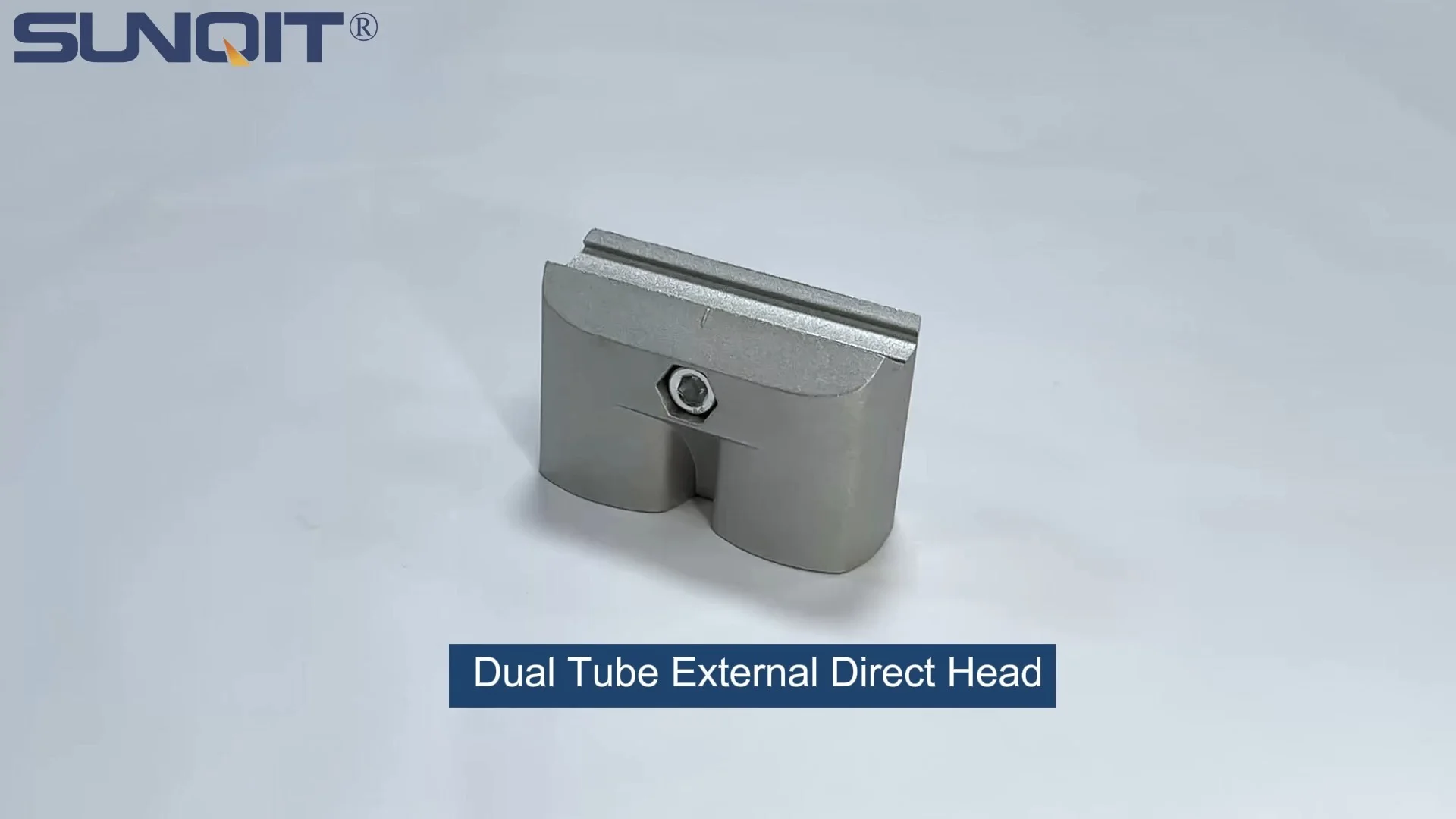
Duplex Aluminum Pipe Joint
Duplex Aluminum pipe joint used for one pcs 28pcs aluminum pipe and one pcs of 28mm duplex pipe connection in straight angle.
Introduction: The Backbone of Modern Industrial Structures
Imagine stepping onto a factory floor where assembly lines hum with precision, workbenches hold rows of tools, and flow racks glide with components destined for the next production step. Every structure around you—from the aluminum workbench where a technician assembles circuit boards to the material rack stacked with heavy machinery parts—relies on one yet critical component: the joints that hold it all together. In the world of industrial design, not all joints are created equal. Among the most innovative and reliable are duplex aluminum pipe joints, the unsung heroes that balance strength, flexibility, and durability in ways that keep operations running smoothly, safely, and efficiently.
But what exactly makes these joints so dependable? Why do manufacturers across industries—from automotive to electronics—trust them to support heavy loads, withstand constant use, and adapt to changing production needs? The answer lies in a blend of material science, engineering design, and precision manufacturing. In this article, we'll take a deep dive into the science behind duplex aluminum pipe joint strength and stability, exploring how their composition, geometry, and construction make them indispensable in modern lean systems and industrial setups.
What Are Duplex Aluminum Pipe Joints?
Before we unpack the science, let's start with the basics: What
are
duplex aluminum pipe joints? At their core, these are mechanical connectors designed to link aluminum pipes—often part of aluminum lean pipe systems—into rigid, modular structures. Unlike traditional welded joints, which are permanent and inflexible, duplex aluminum joints are engineered for
The term "duplex" refers to their dual functionality: they not only secure pipes in place but also allow for rotational or angular adjustments, depending on the design. Think of them as the "knees" and "elbows" of industrial structures—they connect different parts while enabling the system to bend, twist, or extend as needed. Common applications include building workbenches, turnover trolleys, flow racks, and conveyor systems, where stability under load and ease of modification are equally important.
To understand their role, consider a simple example: a basic aluminum tube workbench in an electronics factory. The workbench must support heavy equipment, resist wobbling when tools are used, and maybe even be adjusted in height or length if production needs change. The duplex joints holding its aluminum pipes together must balance two conflicting goals: strength to bear weight and flexibility to allow reconfiguration. How do they pull this off? The answer starts with the material itself: aluminum.

Material Science: Why Aluminum is the Ideal Choice
Aluminum isn't just lightweight—it's a material engineer's dream for structural applications, and its properties are foundational to duplex joint performance. Let's break down why aluminum, particularly aluminum lean pipe, is the go-to material for these critical components.
Strength-to-Weight Ratio: The Lightweight Powerhouse
Aluminum has a strength-to-weight ratio that outperforms many other structural materials, including steel. For example, 6061-T6 aluminum—one of the most common alloys used in industrial pipes—has a tensile strength of about 310 MPa (megapascals) while weighing roughly one-third as much as steel. This means that aluminum lean pipe structures can support heavy loads without adding unnecessary weight to the system. For duplex joints, this translates to less stress on the joint itself: a lighter pipe exerts less downward force on the joint, reducing the risk of fatigue or failure over time.
To put this in perspective: A 1-meter length of 20mm diameter aluminum lean pipe weighs around 0.5 kg, compared to 1.5 kg for a similar steel pipe. When you multiply that by dozens of pipes in a workbench or rack, the weight savings add up—making the entire structure easier to move (if needed) and putting less strain on the joints that hold it together.
Corrosion Resistance: Fighting the Elements
Aluminum naturally forms a thin, protective oxide layer when exposed to air, which prevents further corrosion. This is a game-changer in industrial environments, where moisture, chemicals, or humidity can take a toll on metal components. Unlike steel joints, which require regular painting or coating to prevent rust, duplex aluminum joints resist corrosion with minimal maintenance. This not only extends their lifespan but also ensures that their structural integrity doesn't degrade over time—rust can weaken steel joints by creating cracks, but aluminum's oxide layer acts as a shield, keeping the joint strong and stable for years.
Ductility: Bending Without Breaking
Aluminum is ductile, meaning it can bend or deform under stress without fracturing. This property is critical for joint stability. When a heavy load is applied to an aluminum lean pipe structure—say, a technician placing a 50kg tool on a workbench—the pipes and joints absorb some of the force by flexing slightly. Steel, while stronger, is less ductile and more prone to cracking under sudden impacts. Aluminum's ductility acts as a "shock absorber," distributing stress across the joint rather than concentrating it in one spot, which reduces the risk of failure.

Design Engineering: The Geometry of Stability
While aluminum's material properties lay the foundation, the true genius of duplex aluminum pipe joints lies in their design. Engineers have spent decades refining their geometry to maximize strength, minimize stress, and enable flexibility. Let's explore the key design features that make these joints so stable.
Load Distribution: Spreading the Stress
One of the biggest challenges in joint design is ensuring that
To visualize this, think of how a handshake works: a firm grip with your entire hand is more secure than pinching with just two fingers. Similarly, a duplex joint's "grip" on the pipe uses as much surface area as possible to ensure that the load is shared across the connection, reducing the stress on any single point.
Torque Optimization: The Sweet Spot of Tightness
Anyone who's assembled furniture knows that tightening a bolt too much can strip the threads, while tightening it too little leaves the joint wobbly. Duplex aluminum joints solve this with precision-engineered torque specifications. Manufacturers test each joint design to determine the optimal torque—typically between 15 and 30 Nm (newton-meters)—that ensures a secure fit without damaging the aluminum pipe. This "sweet spot" creates enough friction to prevent slippage under load but not so much that the pipe deforms or the joint's threads wear out.
Many modern duplex joints also feature built-in torque indicators, like a washer that clicks or a bolt head that stops turning when the correct torque is reached. This takes the guesswork out of assembly, ensuring that even untrained workers can achieve a stable connection.
Angular Stability: Resisting Twists and Turns
Industrial structures don't just face vertical loads (like the weight of tools on a workbench); they also endure horizontal forces, such as the push/pull of loading materials onto a flow rack or the vibration of nearby machinery. Duplex joints are designed to resist these lateral forces with features like
For example, some duplex joints have a hexagonal or square inner sleeve that matches the shape of the aluminum pipe, preventing rotational movement. Others use multiple set screws positioned at 90-degree angles around the joint, creating a "triangulated" grip that resists twisting. This angular stability is crucial in applications like conveyor systems, where the constant movement of parts can create lateral stress on the supporting structure.

Manufacturing Processes: Precision That Drives Performance
Even the best design is only as good as its execution. Duplex aluminum pipe joints owe much of their strength to the precision manufacturing processes used to create them. From extrusion to machining, every step is optimized to ensure consistency, durability, and reliability.
Extrusion: The Foundation of Uniformity
Most aluminum pipes used in these joints are made via extrusion—a process where heated aluminum billets are forced through a die to create a uniform cross-section. Extrusion ensures that the pipe has consistent wall thickness and mechanical properties along its entire length, which is critical for joint stability. A pipe with uneven walls would create weak points where stress could, increasing the risk of failure. Extruded aluminum lean pipe, by contrast, provides a smooth, uniform surface for the joint to grip, ensuring even load distribution.
CNC Machining: Tolerances That Matter
The joints themselves are typically machined using computer numerical control (CNC) equipment, which allows for incredibly tight tolerances—often as small as ±0.01mm. This precision ensures that when a joint is assembled with an aluminum pipe, there's no "play" or gaps between the two components. Even a tiny gap could lead to vibration over time, which weakens the joint and loosens the connection. CNC machining eliminates this risk by creating joints that fit the pipe like a glove.
For example, the internal diameter of a duplex joint's sleeve is machined to match the outer diameter of the aluminum pipe exactly. If the pipe is 28mm in diameter, the sleeve might be 28.02mm—just enough room for easy assembly but tight enough to create friction when tightened. This precision is impossible with manual machining, making CNC technology a cornerstone of joint reliability.
Heat Treatment: Strengthening the Aluminum
After machining, many duplex joints undergo heat treatment to enhance their strength. The most common process is T6 tempering, where the aluminum is heated to around 530°C, quenched in water, and then aged at room temperature for several days. This process strengthens the aluminum by forming tiny, uniform precipitates within the metal's microstructure, which resist deformation under stress. A T6-treated duplex joint can withstand up to 40% more load than an untreated one, making it far more durable in heavy-duty applications.
Real-World Performance: How Duplex Joints Stand Up to Industrial Demands
All the science and engineering mean little if duplex aluminum pipe joints don't perform in real-world settings. Let's look at how they hold up in common industrial applications, from workbenches to lean systems.
Workbenches: Stability Under Heavy Loads
Consider a typical aluminum workbench A in a manufacturing plant, designed to hold tools, equipment, and ongoing projects. A standard workbench might measure 1.8m long, 0.8m wide, and 0.9m tall, with a weight capacity of 500kg. To achieve this, the frame relies on duplex joints connecting aluminum pipes at the corners and supports. Under full load, each joint must bear roughly 125kg of downward force, plus lateral forces when tools are moved or dropped.
Thanks to their design, duplex joints distribute this load evenly across the pipe walls, preventing bending or buckling. In stress tests, these joints have been shown to maintain stability even when loaded to 150% of their rated capacity—meaning a 500kg workbench could temporarily hold 750kg without failure. This safety margin is critical in industrial settings, where accidental overloading is a real risk.
Flow Racks and Conveyors: Handling Dynamic Stress
Flow racks and conveyor systems face a different challenge: dynamic stress from moving parts. A material rack B (3 row and 3 floor) in a warehouse, for example, might carry boxes weighing 20kg each, sliding down roller tracks as they're accessed. Each time a box is loaded or unloaded, it creates an impact force that travels through the rack's frame to the joints.
Duplex joints excel here because of aluminum's ductility and the joint's shock-absorbing design. The flexible yet strong aluminum pipes bend slightly under impact, while the joint's clamping mechanism prevents slippage. In one study, a flow rack with duplex joints was subjected to 10,000 cycles of loading and unloading—simulating years of use—and showed no signs of joint loosening or structural degradation.
Lean Systems: Adaptability Without Compromise
In lean manufacturing, where production lines are reconfigured frequently, duplex joints shine. A single structure—say, a turnover trolley—can be disassembled and rebuilt into a workbench or a small flow rack in hours, with no loss of strength. This is possible because the joints maintain their clamping force even after multiple assemblies and dis assemblies. Unlike threaded steel joints, which can wear out after repeated use, aluminum's smooth surface and the joint's precision machining ensure a tight fit every time.
Duplex vs. Other Joint Types: A Comparative Analysis
To truly appreciate duplex aluminum pipe joints, it helps to compare them to other common joint types. The table below breaks down how they stack up against stainless steel, plastic, and traditional welded joints in key performance categories.
| Performance Metric | Duplex Aluminum | Stainless Steel | Plastic | Welded (Steel/Aluminum) |
|---|---|---|---|---|
| Tensile Strength (MPa) | 310–350 | 500–600 | 40–80 | 350–500 (steel); 280–320 (aluminum) |
| Weight (g per joint) | 80–150 | 200–350 | 30–60 | N/A (permanent) |
| Corrosion Resistance | Excellent (oxide layer) | Excellent (chromium oxide layer) | Good (varies by plastic type) | Poor (steel); Good (aluminum) |
| Reconfigurability | High (unlimited assemblies) | Medium (wear after 5–10 assemblies) | Low (prone to cracking) | None (permanent) |
| Cost (per joint, USD) | $3–$8 | $8–$15 | $1–$3 | $5–$10 (labor-intensive) |
| Best For | Modular structures, lean systems, workbenches | High-corrosion environments, heavy loads | Light loads, temporary structures | Permanent, high-stress structures |
As the table shows, duplex aluminum joints strike a unique balance: they're stronger than plastic, lighter and more corrosion-resistant than stainless steel, and far more flexible than welded joints. For most industrial applications, this combination of properties makes them the ideal choice.
Maintenance and Longevity: Keeping Duplex Joints Strong
While duplex aluminum pipe joints are designed for durability, proper maintenance can extend their lifespan even further. Here's how to keep them performing at their best:
Regular Inspections: Catching Issues Early
Even the strongest joints can loosen over time, especially in high-vibration environments. A quick monthly inspection—checking for wobbly connections or visible gaps between the joint and pipe—can prevent small issues from becoming big problems. If a joint feels loose, simply retighten it to the manufacturer's recommended torque (usually marked on the joint or in the assembly manual).
Cleaning: Preserving the Grip
Dirt, grease, or debris between the joint and pipe can reduce friction, weakening the connection. Wiping down joints with a mild detergent and a soft cloth every few months removes buildup and ensures a tight grip. Avoid harsh chemicals, which can damage aluminum's oxide layer.
Avoiding Over-Tightening: Protecting Threads and Pipes
While it's tempting to crank down on a joint to "make sure it's tight," over-tightening can strip threads or deform the aluminum pipe. Always use a torque wrench set to the manufacturer's specification—this ensures a secure fit without damage.
Conclusion: The Future of Industrial Joints
Duplex aluminum pipe joints are more than just connectors—they're a testament to how science and engineering can solve complex industrial challenges. By combining aluminum's material advantages (lightweight, strong, corrosion-resistant) with clever design (load distribution, torque optimization, angular stability) and precision manufacturing (extrusion, CNC machining, heat treatment), these joints deliver the strength, flexibility, and durability that modern industries demand.
As manufacturing continues to evolve—with a focus on lean systems, automation, and sustainability—duplex aluminum joints will only grow in importance. Innovations like lighter aluminum alloys, self-tightening joint designs, and integrated sensors (to monitor torque or stress in real time) are already on the horizon, promising even better performance and reliability.
So the next time you walk through a factory or warehouse, take a moment to appreciate the structures around you. Behind every stable workbench, every smooth-flowing conveyor, and every adaptable lean system, there's a duplex aluminum pipe joint working quietly—proof that even the smallest components can have a huge impact when science and engineering come together.