- Company Articles
- Products and Technology
- Product knowledge
- The Science Behind Parallel Rotatory Lean Pipe Joints: Engineering Insights

The Science Behind Parallel Rotatory Lean Pipe Joints: Engineering Insights
Related Product
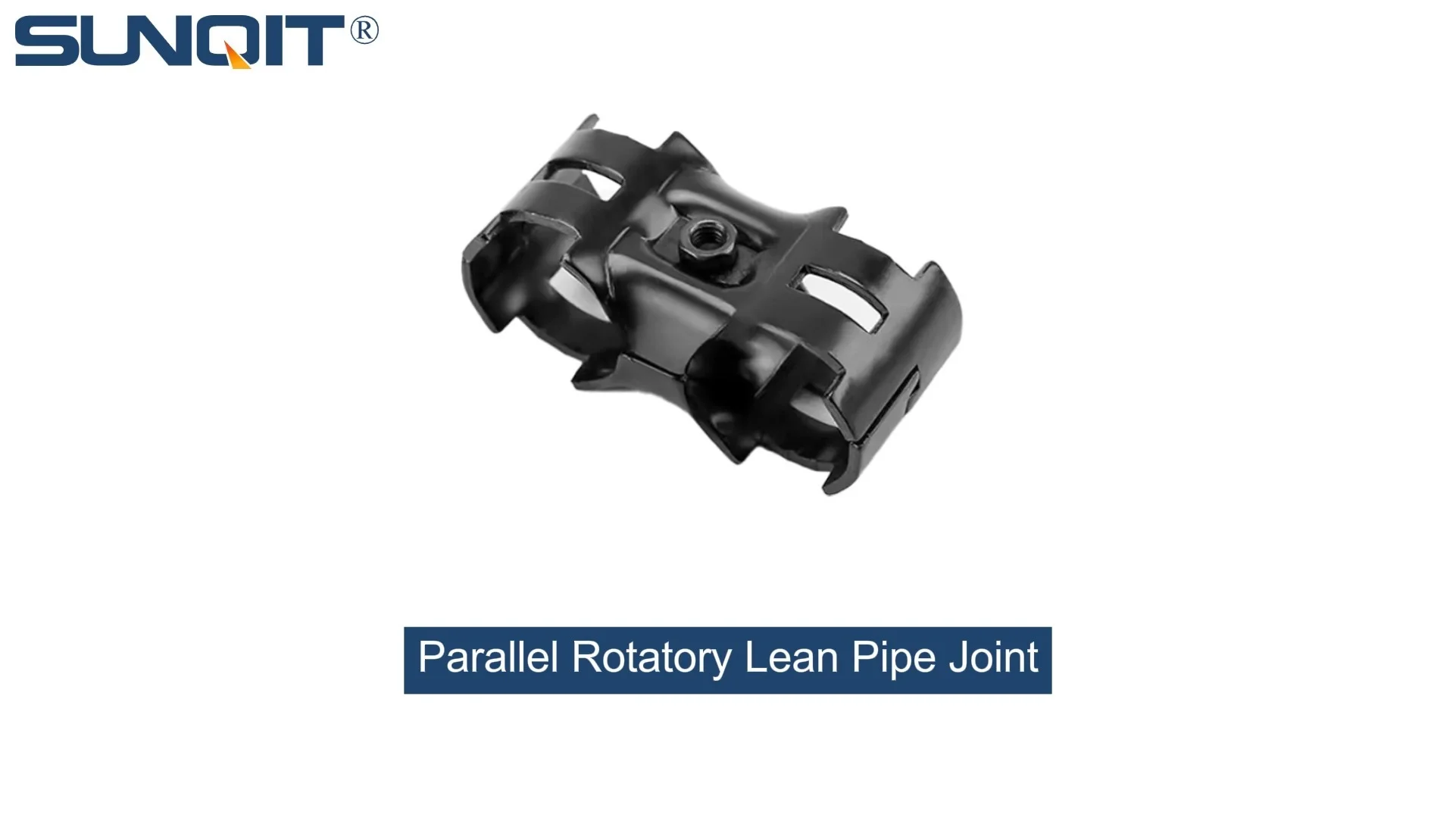
Parallel Rotatory Lean Pipe Joint
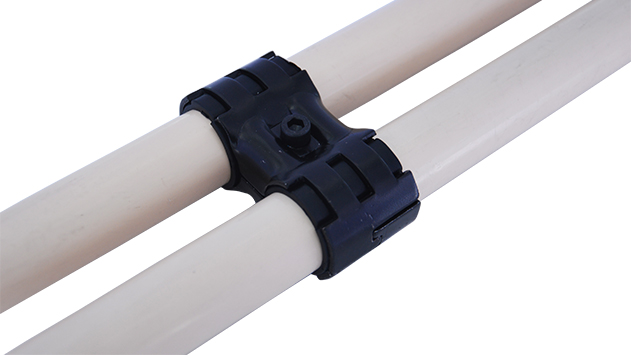
Parallel rotatory lean pipe joint, for 2 pcs pipe conenction in parallel direction with rotatory function.
In the bustling landscape of modern manufacturing, where efficiency is king and waste is the enemy, lean systems have emerged as the backbone of operational excellence. From the smooth flow of materials on roller tracks to the ergonomic design of workbenches, every component plays a role in keeping production lines humming. Yet, among these components, there's one unsung hero that often goes unnoticed: the parallel rotatory lean pipe joint. These small but mighty connectors are the quiet architects of flexibility, enabling lean pipe structures to adapt, rotate, and reconfigure with a precision that transforms how work gets done. Today, we're diving deep into the engineering that makes these joints tick, exploring why they matter, and uncovering how they've become indispensable in the world of lean manufacturing.
Lean Pipe Systems: The Foundation of Modern Efficiency
Before we zoom in on parallel rotatory joints, let's set the stage with a quick primer on lean pipe systems. At their core, these systems are modular frameworks built from lightweight pipes, joints, and accessories—think of them as industrial Erector sets for factories. They're designed to solve a fundamental problem in manufacturing: the need for adaptable, cost-effective structures that can evolve with changing production demands. Unlike rigid, fixed machinery, lean pipe systems (often called "flexible lean systems") can be disassembled, reconfigured, or expanded in hours, not weeks, making them ideal for everything from assembly lines to material storage racks.
The magic of these systems lies in their simplicity. A typical setup includes lean pipe (often aluminum or steel, coated for durability), a variety of joints to connect pipes at different angles, and accessories like casters, roller tracks, and workbench surfaces. Together, these components create structures that are strong enough to support heavy loads but nimble enough to adapt to new workflows. And at the heart of this adaptability? Joints. Specifically, joints that can move, rotate, and pivot without compromising stability—like the parallel rotatory lean pipe joint.
What Are Parallel Rotatory Lean Pipe Joints, Anyway?
Let's start with the basics: A parallel rotatory lean pipe joint is a specialized connector that allows two or more lean pipes to rotate parallel to each other while maintaining structural integrity. Unlike fixed joints (which lock pipes at 90° or 45° angles) or standard rotatory joints (which allow rotation but often in a single plane), parallel rotatory joints are engineered for multi-directional movement. Imagine a workbench shelf that can swing out toward an assembly line, then tuck back in when not needed, or a material rack where entire sections pivot to bring supplies closer to workers—all without tools or disassembly. That's the power of parallel rotation.
But why does "parallel" matter? In manufacturing, alignment is everything. When pipes rotate parallel, they maintain consistent spacing and orientation, preventing misalignment that could jam roller tracks, strain joints, or create safety hazards. This precision is critical for applications like conveyor systems, where even a slight tilt can disrupt material flow, or workbenches, where stability directly impacts worker ergonomics and productivity.
Design Deep Dive: How Do These Joints Actually Work?
To understand the engineering behind parallel rotatory joints, let's break down their key components and mechanics. At first glance, they might look like simple metal connectors, but inside, there's a symphony of design choices working together to enable smooth rotation, load-bearing capacity, and durability.
1. The Rotational Mechanism: Ball Bearings vs. Bushings
At the core of every parallel rotatory joint is its ability to spin freely without binding. Most high-quality joints use either ball bearings or precision bushings to achieve this. Ball bearings, with their low friction and high load capacity, are ideal for heavy-duty applications—think material racks holding hundreds of pounds of components. Bushings, often made of oil-impregnated bronze or self-lubricating plastic, are better suited for lighter loads and environments where maintenance needs to be minimal (like cleanrooms or food processing facilities). Both options ensure that rotation remains smooth even after thousands of cycles, preventing the "sticky" movement that can slow down workflows.
2. Joint Structure: The Art of Load Distribution
A parallel rotatory joint isn't just about movement—it's about supporting weight without bending or breaking. Engineers achieve this through a clever design that distributes load across multiple contact points. Most joints feature a central hub with flanges or clamps that grip the lean pipe tightly, while the rotational element (bearings or bushings) sits between the hub and the outer casing. This setup ensures that weight from the structure above is transferred evenly through the joint, reducing stress on any single component. For example, a well-designed joint might distribute a 200kg load across four clamping points, each handling just 50kg—far below the failure threshold of materials like aluminum or steel.
3. Locking Mechanisms: Stability When You Need It
While rotation is key, there are times when a joint needs to stay put. That's where locking mechanisms come in. Many parallel rotatory joints include a simple yet effective locking collar or set screw that, when tightened, fixes the joint in a specific position. This is crucial for applications like adjustable workbenches, where a worker might set the height or angle of a shelf and need it to stay stable during use. The best locking mechanisms are intuitive—requiring only a wrench or even just a hand twist—so workers can reconfigure the structure quickly without specialized tools.

Materials Matter: Why Aluminum Reigns Supreme
When it comes to parallel rotatory lean pipe joints, material choice is make or break. While steel was once the go-to for industrial components, aluminum has emerged as the material of choice for modern lean systems—and for good reason. Aluminum offers a rare combination of strength, lightweight, and corrosion resistance that makes it ideal for dynamic joints. Let's break down the benefits:
- Weight Savings: Aluminum is roughly 30% the weight of steel, making lean pipe structures easier to move and reconfigure. This is a game-changer for applications like turnover trolleys, where workers need to maneuver loads without straining.
- Corrosion Resistance: Unlike steel, aluminum naturally forms a protective oxide layer that resists rust. This is critical for factories with humid environments or exposure to chemicals, ensuring joints last longer with minimal maintenance.
- Machinability: Aluminum is easier to precision-machine than steel, allowing for tighter tolerances in the rotational components. This means smoother movement and better alignment—key for parallel rotation.
- Cost-Effectiveness: While aluminum can be pricier upfront than steel, its longevity and low maintenance needs make it cheaper over the lifecycle of a lean system. Plus, its lightweight nature reduces shipping and installation costs.
That said, steel still has its place. In ultra-heavy-duty applications—like supporting industrial machinery or bulk material storage—steel joints offer unmatched load capacity. Some manufacturers even blend the two, using steel cores for strength and aluminum casings for corrosion resistance. The key is matching the material to the application, a principle that underscores the versatility of lean pipe systems.

Applications: Where Parallel Rotatory Joints Shine
Parallel rotatory lean pipe joints aren't just engineering curiosities—they're workhorses in real-world manufacturing. Let's explore some of the most common applications where these joints make a tangible difference:
1. Adjustable Workbenches
Imagine a workbench where the height of the tool shelf can pivot up or down to match a worker's arm length, or where the back panel swings out to reveal hidden storage. Parallel rotatory joints make this possible. By connecting the shelf supports to the bench frame with these joints, manufacturers create workstations that adapt to different tasks and workers, reducing fatigue and boosting productivity. In electronics assembly, for example, a technician might lower a component tray for fine soldering work, then raise it out of the way when testing the finished product—all with a simple pivot.
2. Dynamic Material Racks
Material racks are the backbone of inventory management, but fixed racks force workers to stretch, bend, or walk further to reach supplies—wasting time and increasing the risk of injury. Parallel rotatory joints solve this by allowing rack shelves to pivot toward the assembly line. For instance, a three-tier material rack with parallel rotatory joints can have each tier swing out individually, bringing bins of screws, washers, or circuit boards directly to the worker's fingertips. This "lean in" design cuts down on movement waste (a core principle of lean manufacturing) and speeds up production cycles.
3. Foldable Turnover Trolleys
Turnover trolleys are essential for moving materials between stations, but they can take up valuable floor space when not in use. Parallel rotatory joints let these trolleys fold flat, reducing storage footprint by up to 70%. The sides of the trolley, connected via parallel rotatory joints, pivot inward, while the handle folds down—making it easy to stack multiple trolleys in a corner until needed. This is especially valuable in small factories or warehouses where space is at a premium.
Comparing Joint Types: A Technical Breakdown
Not all lean pipe joints are created equal. To understand why parallel rotatory joints stand out, let's compare them to two common alternatives: fixed joints and standard rotatory joints.
| Joint Type | Range of Motion | Max Load Capacity (kg) | Best For |
|---|---|---|---|
| Fixed Joint | 0° (locked in place) | 300–500 | Rigid structures like static racks or fixed-height workbenches. |
| Standard Rotatory Joint | 360° (single plane) | 150–300 | Simple pivoting, like a swinging tool holder or rotating shelf. |
| Parallel Rotatory Lean Pipe Joint | 180°+ (parallel alignment maintained) | 200–400 | Adjustable workbenches, foldable trolleys, dynamic material racks. |
As the table shows, parallel rotatory joints strike a balance between flexibility and strength, making them ideal for applications where both movement and stability are critical. They're not the strongest (fixed joints win there) or the most flexible (standard rotatory joints can spin freely), but they excel in the sweet spot where adaptability meets reliability.
The Future of Parallel Rotatory Joints: What's Next?
As manufacturing evolves, so too will the technology behind lean pipe systems. So, what does the future hold for parallel rotatory lean pipe joints? Here are a few trends to watch:
- Smart Joints with Sensors: Imagine joints that can track how often they're rotated, alerting maintenance teams when parts are wearing out. Embedded sensors could monitor friction, temperature, or load, predicting failures before they happen and reducing downtime.
- 3D-Printed Customization: 3D printing could allow manufacturers to create bespoke parallel rotatory joints tailored to unique applications—like joints with specialized locking mechanisms or custom load capacities—without the high cost of traditional machining.
- Eco-Friendly Materials: As sustainability becomes a priority, we'll likely see joints made from recycled aluminum or bio-based plastics, reducing the environmental footprint of lean systems.
Conclusion: Small Joints, Big Impact
Parallel rotatory lean pipe joints may be small, but their impact on manufacturing efficiency is enormous. By combining clever engineering, durable materials, and intuitive design, these joints enable lean systems to adapt, evolve, and thrive in an era where flexibility is non-negotiable. From adjustable workbenches that reduce worker fatigue to foldable trolleys that save space, they're proof that the most innovative solutions often lie in the details.
As we look to the future, one thing is clear: the science behind these joints will only get more sophisticated. But no matter how advanced they become, their core purpose will remain the same: to make manufacturing smarter, leaner, and more human-centered. After all, in the end, lean systems are about people—and parallel rotatory lean pipe joints are helping build a world where workers have the tools they need to do their best work.