- Company Articles
- Products and Technology
- Procurement Guidelines
- The Ultimate Buying Guide for External Straight Aluminum Joints

The Ultimate Buying Guide for External Straight Aluminum Joints
Related Product
External Straight Aluminum Joint
Aluminum pipe joint outside connection used for two pcs 28pcs aluminum pipe connection in straight angle,it connects two pcs pipe from outside.
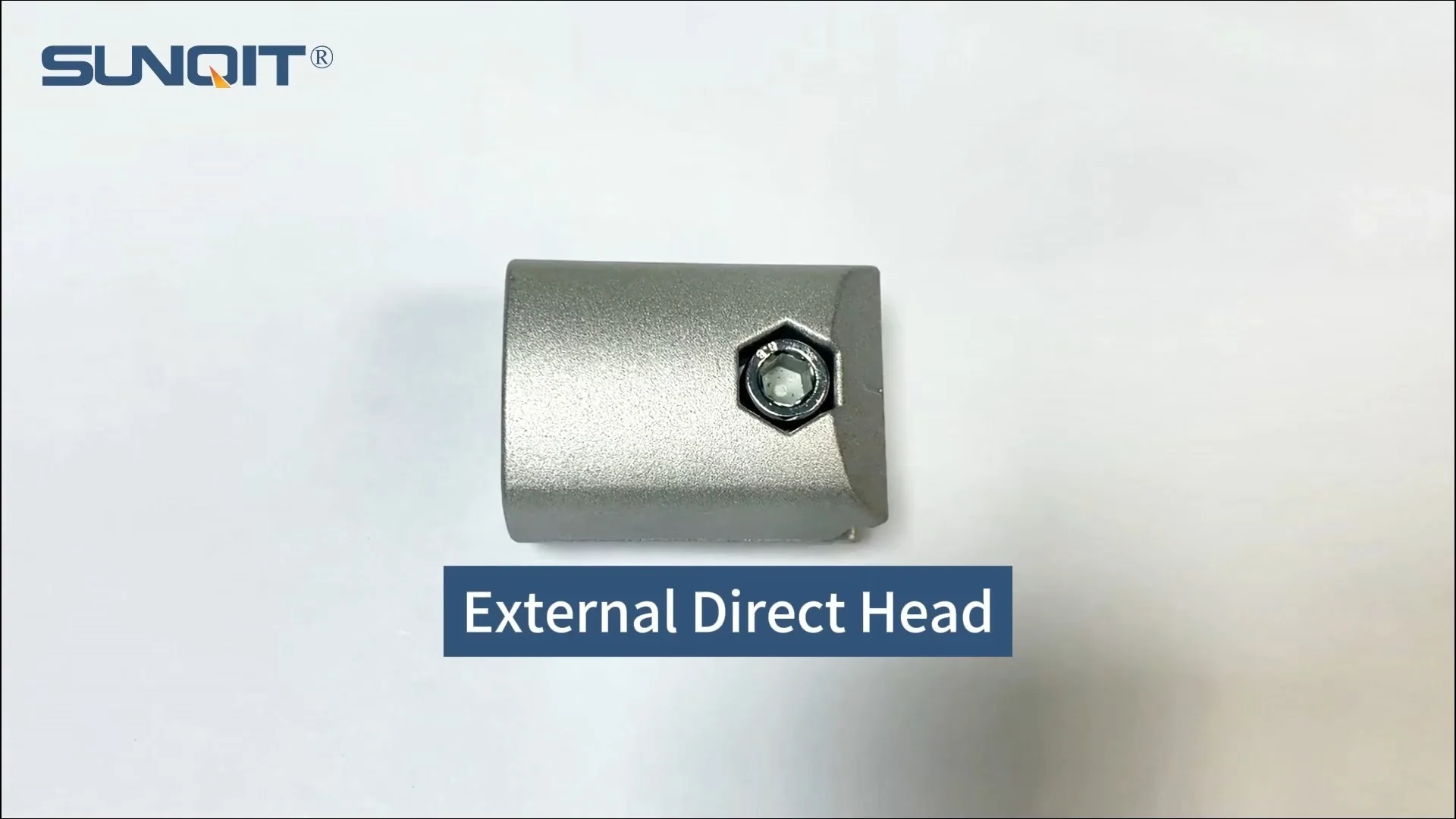
In the world of manufacturing, warehousing, and lean production, the difference between a smooth, efficient workflow and a disjointed, frustrating one often comes down to the small but critical components that hold everything together. Enter external straight aluminum joints—unassuming yet indispensable parts that serve as the "glue" for building flexible, durable structures. Whether you're setting up a production line, assembling a workbench, or organizing a warehouse with flow racks, these joints are the backbone of stability and adaptability. But with so many options on the market, how do you choose the right one for your needs? This guide will walk you through everything you need to know to make an informed decision, from key features to supplier selection, and why these joints matter in the first place.
What Are External Straight Aluminum Joints?
At their core, external straight aluminum joints are mechanical connectors designed to link lengths of aluminum pipe—most commonly aluminum lean pipe—into straight, rigid structures. Unlike traditional welding or permanent fasteners, these joints allow for tool-free assembly and disassembly, making them a cornerstone of lean manufacturing systems. Think of them as the building blocks that let you create custom workbenches, flow racks, material carts, or even entire production lines without the hassle of specialized tools or permanent modifications.
These joints are engineered to fit snugly around the exterior of aluminum pipes, creating a secure bond that can withstand daily wear and tear. They're typically made from high-grade aluminum alloys, chosen for their lightweight strength and resistance to corrosion—qualities that make them ideal for both indoor and outdoor use. And because they're part of a modular system, they work hand-in-hand with aluminum pipe accessories like brackets, casters, and roller tracks, giving you endless possibilities to design structures that grow and change with your needs.
Key Features to Look For: A Buyer's Checklist
Not all external straight aluminum joints are created equal. To ensure you're investing in a product that will stand the test of time (and heavy loads), keep an eye out for these essential features:
To help visualize these features, here's a quick comparison of common joint types and their standout qualities:
| Joint Type | Material | Load Capacity (per joint) | Assembly Time | Best For |
|---|---|---|---|---|
| Standard External Straight Joint | 6063 Aluminum | 50-75kg | 2-3 minutes | Light to medium-duty structures (e.g., workbenches, small flow racks) |
| Reinforced External Straight Joint | 6061 Aluminum | 100-150kg | 3-5 minutes | Heavy-duty applications (e.g., material carts, industrial shelving) |
| ESD-Safe External Straight Joint | Anodized 6063 Aluminum | 60-80kg | 2-3 minutes | Electronics manufacturing (prevents static discharge) |

Why Aluminum? The Case for Choosing Aluminum Lean Pipe Systems
You might be wondering: Why aluminum? Why not steel or plastic? The answer lies in aluminum's unique combination of properties that make it perfect for lean systems. For starters, aluminum is significantly lighter than steel—about 30% the weight of an equivalent steel pipe—making structures easier to move, reconfigure, and install. This is a game-changer in busy warehouses or production floors where time and labor are precious resources.
Aluminum is also naturally resistant to corrosion, thanks to a thin oxide layer that forms on its surface when exposed to air. Unlike steel, which rusts without regular painting or coating, aluminum joints can withstand moisture, humidity, and even mild chemicals without deteriorating. This longevity means fewer replacements and lower maintenance costs over time.
But perhaps most importantly, aluminum is infinitely recyclable. In an era where sustainability is a priority for businesses and consumers alike, choosing aluminum lean pipe and joints aligns with eco-friendly practices. When a structure reaches the end of its life, the aluminum can be melted down and repurposed—no waste, no guilt.

Compatibility: Making Sure Your Joints Play Well With Others
One of the biggest mistakes buyers make is assuming all aluminum pipe joints are universal. The truth is, compatibility depends on two key factors: pipe diameter and profile type. Most external straight aluminum joints are designed for specific pipe sizes—common options include 20mm, 28mm, and 30mm diameters. Before buying, measure your aluminum pipe (or check the specs if you're purchasing new) to ensure a perfect fit. A joint designed for 28mm pipe won't work with 30mm pipe, and vice versa—you'll end up with a loose connection that's unstable.
You'll also need to consider the type of aluminum profile you're using. While external straight joints are primarily for round aluminum lean pipe, some are compatible with square or rectangular aluminum profile (like T-slot profiles used in industrial framing). If you're mixing and matching pipe types, look for joints labeled as "multi-profile compatible" or check with the supplier to confirm compatibility.
Don't forget about aluminum pipe accessories, either. The best joints will work seamlessly with brackets, shelves, casters, and roller tracks, letting you build complete systems. For example, a joint with pre-drilled holes or slots can easily attach to a caster wheel, turning a static workbench into a mobile cart. Always ask the supplier for a compatibility chart or sample kit if you're unsure—better to test before investing in bulk.

Applications: Where External Straight Aluminum Joints Shine
These versatile joints aren't limited to one industry—they're used wherever modular, flexible structures are needed. Here are just a few examples of how businesses are putting them to work:
Manufacturing & Production
In production assemble lines, external straight aluminum joints are used to build custom workstations tailored to specific tasks. For example, an electronics manufacturer might use them to create an ESD workstation with a static-dissipative top, integrated tool holders, and a flow rack for parts—all connected with aluminum lean pipe and joints. When the product line changes, the workstation can be disassembled and rebuilt in hours, not days.
Warehousing & Logistics
Warehouses rely on these joints to build flow racks, picking carts, and turnover trolleys. A flow rack, for instance, uses a series of roller tracks (connected via joints) to let boxes or bins slide from the back to the front, reducing the need for manual lifting. The modular design means you can add or remove shelves as inventory needs change, keeping operations efficient.
Retail & Display
Retailers use aluminum joints to create eye-catching display racks for clothing, electronics, or groceries. Since the joints are lightweight and easy to assemble, stores can quickly update displays for seasonal promotions or new product launches. Plus, aluminum's sleek, modern look adds a professional touch to any retail space.
Choosing a Supplier: More Than Just a Price Tag
Once you know what features to look for, the next step is finding a reliable supplier. With so many options online, it's tempting to go with the cheapest listing—but this is one area where cutting corners can cost you. Here's how to separate the reputable suppliers from the rest:
Common Mistakes to Avoid
Even with the best intentions, it's easy to make missteps when buying external straight aluminum joints. Here are a few pitfalls to steer clear of:
Maintenance: Keeping Your Joints in Top Shape
With proper care, external straight aluminum joints can last for decades. Here's how to keep them performing at their best:
Final Thoughts: Invest in Quality, Reap the Rewards
External straight aluminum joints may seem like small components, but they play a huge role in building the efficient, flexible systems that drive modern businesses. By choosing high-quality joints—made from durable aluminum alloy, with strong connections, and compatible with your aluminum lean pipe and accessories—you're not just buying a product; you're investing in a workflow that can adapt, grow, and thrive.
Whether you're setting up a new production line, organizing a warehouse, or building custom workstations, take the time to research features, check compatibility, and choose a reputable supplier. The right joints will save you time, money, and headaches in the long run—turning your vision of a lean, efficient workspace into reality.