- Company Articles
- Products and Technology
- Procurement Guidelines
- The Ultimate Buying Guide for Parallel Lean Pipe Joint One Side Rotatory Chrome

The Ultimate Buying Guide for Parallel Lean Pipe Joint One Side Rotatory Chrome
Related Product
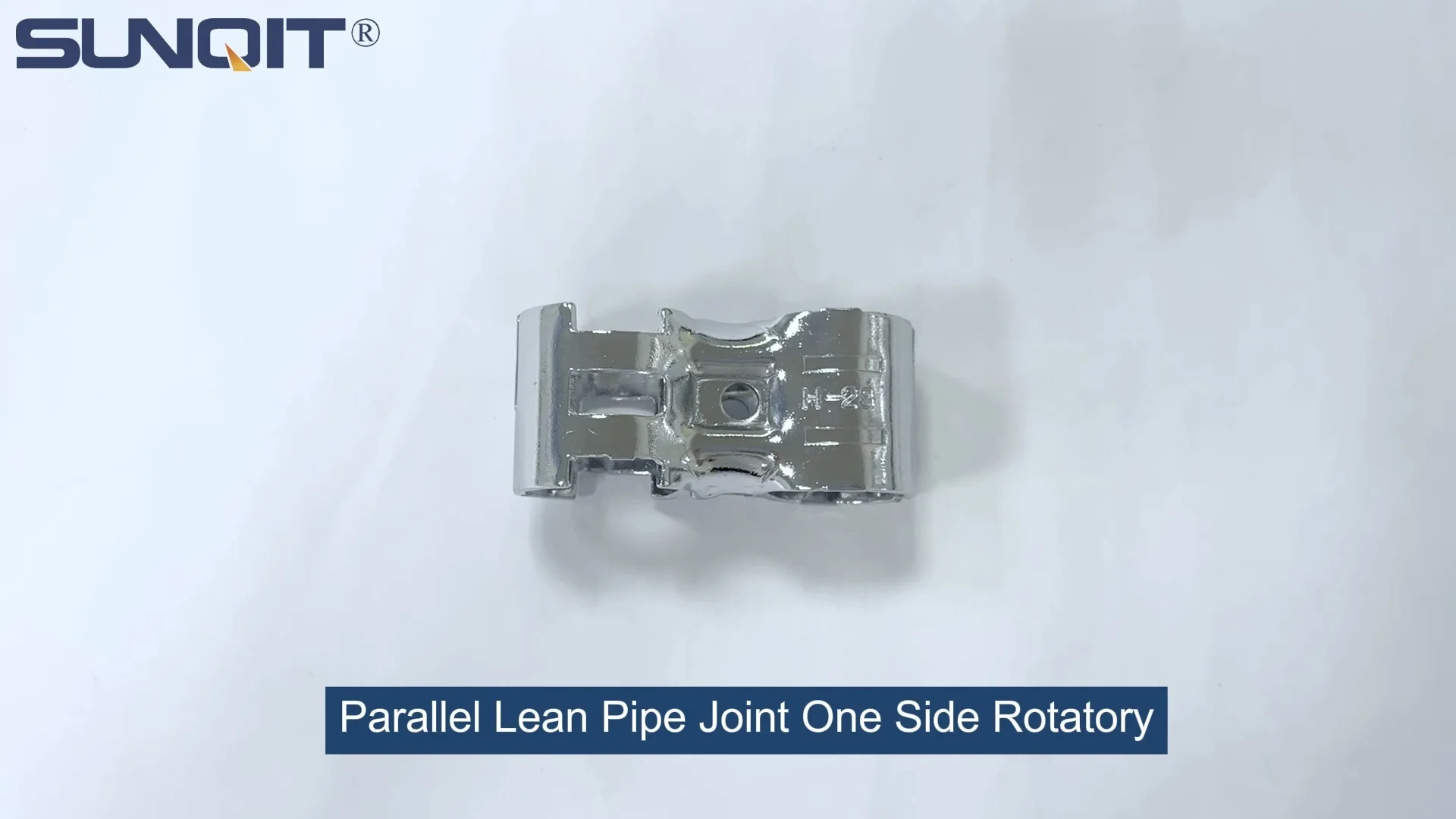
Parallel Lean Pipe Joint One Side Rotatory Chrome
Parallel rotatory lean pipe joint, for 2 pcs 28mm pipe conenction in parallel direction with one side rotatory function.
Introduction: The Backbone of Efficient Workspaces
Walk into any well-run manufacturing facility, warehouse, or workshop, and you'll notice a common thread: organization. Tools are within arm's reach, materials flow seamlessly from one station to the next, and workbenches adapt to the task at hand. Behind this efficiency lies a silent hero: the lean pipe system. At its core are components like the parallel lean pipe joint one side rotatory chrome—a small but critical part that transforms rigid structures into dynamic, flexible workspaces. Whether you're a seasoned operations manager upgrading your production line or a small business owner setting up your first workshop, choosing the right lean pipe joints can mean the difference between smooth workflows and frustrating bottlenecks. This guide will demystify the parallel lean pipe joint one side rotatory chrome, breaking down its features, uses, and how to select the best one for your needs.
What Is a Parallel Lean Pipe Joint One Side Rotatory Chrome?
Let's start with the basics. Lean pipe systems—often called "flexible pipe systems"—are modular setups used to build workbenches, material racks, conveyor lines, and more. They're built from lightweight, durable pipes and joints that connect to form custom structures. The parallel lean pipe joint one side rotatory chrome is a specific type of connector designed to link two parallel lean pipes while allowing rotation on one side. Unlike fixed joints that lock pipes at a static angle, this joint adds a layer of adjustability: imagine a workbench shelf that can tilt to angle materials toward you, or a material rack where a section swivels to let you reach items from either side.
The "chrome" in its name refers to its finish. Chrome plating isn't just for aesthetics; it's a protective layer that shields the underlying metal (typically steel) from rust, corrosion, and daily wear. This makes the joint ideal for environments where moisture, oils, or chemicals are present—think automotive workshops, food processing plants, or electronics assembly lines. When combined with lean pipe and accessories like casters, roller tracks, or aluminum profiles, this joint becomes a versatile building block for lean manufacturing systems.

Key Features to Look for When Buying
Not all parallel lean pipe joints are created equal. To ensure you're investing in a product that lasts and performs, pay attention to these critical features:
1. Material Quality and Chrome Plating
The base material of the joint matters. Most are made from steel, but the thickness and grade vary. Look for high-carbon steel or alloy steel, which offer better strength and resistance to bending. The chrome plating should be uniform, with no bubbles, cracks, or peeling. A thick, smooth plating (typically 0.0005–0.001 inches) will stand up to frequent handling and cleaning. To test quality, run a soft cloth over the surface—if it snags or shows signs of flaking, the plating is poor.
2. Compatibility with Lean Pipes
Lean pipes come in standard diameters, with 28mm (1.1 inches) and 30mm (1.18 inches) being the most common. The parallel lean pipe joint one side rotatory chrome must match your pipe size exactly. A joint designed for 28mm pipes will be too loose on 30mm pipes, leading to wobbly structures, while one for 30mm pipes will crimp smaller pipes. Some suppliers offer adjustable joints with rubberized inserts to fit multiple sizes, but these are less secure than fixed-size options for heavy-duty use. If you're using aluminum lean pipe (lighter and corrosion-resistant), confirm the joint's inner diameter and grip mechanism—aluminum is softer than steel, so the joint should exert gentle but firm pressure to avoid damaging the pipe.
3. Load Capacity
Every joint has a maximum weight it can support, measured in kilograms or pounds. This isn't just the static weight of items on the structure; it also includes dynamic forces, like tools being placed down or materials sliding across a shelf. A joint rated for 50kg might work for a small parts bin but will fail under the weight of a 100kg motor on a workbench. Always check the manufacturer's load rating, and err on the side of caution—if your application is near the limit, upgrade to a higher-capacity joint. For example, material rack B (a 3-row, 3-floor rack) storing heavy components would require joints with a load capacity of at least 80–100kg per connection.
4. Rotation Mechanism
The "one side rotatory" feature is what makes this joint unique. How smoothly does it rotate? Is there a locking mechanism to hold it in place once adjusted? A quality joint should rotate freely without sticking, even after months of use. Look for a precision-engineered pivot point with ball bearings or a lubricated sleeve to ensure smooth movement. Some joints have a friction-based lock—tighten a bolt to hold the rotation angle—or a spring-loaded pin that clicks into preset positions. For applications like adjustable workbenches, a lockable rotation is essential to prevent accidental movement; for conveyor guides, a free-spinning joint might be preferable.
5. Ease of Installation
Time is money, especially when setting up or reconfiguring a workspace. Opt for joints that are easy to install. Many modern designs use tool-free assembly: hand-tightened bolts, quick-release levers, or snap-on mechanisms. If you need tools, ensure they're common ones (like hex keys or adjustable wrenches) that your team already has. Some lean pipe suppliers even include installation guides or video tutorials, which can save hours of frustration. Avoid joints with overly complex designs—if it takes 10 minutes to install one joint, imagine the delay when building a rack with 50 of them.
| Feature | Why It Matters | Red Flag to Avoid |
|---|---|---|
| Chrome Plating | Prevents rust and corrosion in harsh environments | Flaking, uneven coverage, or discoloration |
| Load Capacity | Ensures the joint can support your structure's weight | No listed load rating or vague claims like "heavy-duty" |
| Rotation Smoothness | Allows easy angle adjustments without sticking | Jerky movement or excessive play in the pivot |
| Compatibility | Ensures a snug fit with your existing lean pipes | Loose connections or gaps between pipe and joint |

Common Applications: Where This Joint Shines
The parallel lean pipe joint one side rotatory chrome isn't a one-trick pony. Its adjustability makes it indispensable in a range of settings. Here are some of its most practical uses:
Workbenches: Adaptable Workspaces
Workbenches are the heart of any workshop, and flexibility is key. A workbench built with parallel lean pipe joint one side rotatory chrome can have adjustable shelves, tool holders, or even tilting surfaces. For example, a electronics assembly workbench might use these joints to angle a component tray toward the operator, reducing neck strain. In a woodworking shop, a rotatory joint could let a shelf swing out of the way when using large tools, then swing back to hold supplies. Pair it with an ESD workbench (designed to dissipate static electricity) for electronics manufacturing, and you've got a setup that's both safe and adaptable.
Material Racks: Easy Access to Inventory
Material racks—like the popular "material rack B (3 row and 3 floor)"—often store heavy or bulky items. Fixed shelves can make it hard to reach items at the back, but with rotatory joints, a section of the rack can swivel out, bringing the back row forward. This is a game-changer in warehouses where time spent searching for parts adds up. For example, an auto repair shop storing oil filters, belts, and hoses could use these joints to create a "lazy Susan" style rack, letting mechanics spin sections to find what they need in seconds.
Turnover Trolleys: Mobile, Adjustable Transport
Turnover trolleys are used to move materials between workstations, and their design directly impacts efficiency. A trolley with side rails connected by rotatory joints can adjust to the size of the load: lower the rails for tall boxes, raise them to contain small parts. Some trolleys even use these joints to add fold-down shelves, expanding capacity when needed and saving space when not in use. When paired with durable casters (another key lean pipe accessory), these trolleys become nimble tools for keeping materials flowing.
Conveyor Systems: Guiding Materials with Precision
Conveyor lines rely on guide rails to keep products on track. Fixed rails work for uniform items, but when handling different sizes—say, small and large boxes—a rotatory joint lets you angle the rails to guide items gently. For example, in a shipping department, a conveyor with adjustable guide rails can switch from sorting small envelopes to large packages in minutes, without needing to rebuild the entire line. The parallel lean pipe joint one side rotatory chrome ensures the rails stay stable even under the constant movement of products.
How to Choose the Right Lean Pipe Supplier
Even the best joint design is useless if it's poorly manufactured. Choosing a reputable lean pipe supplier is just as important as evaluating the product itself. Here's what to look for:
1. Quality Certifications
Reputable suppliers adhere to industry standards. Look for certifications like ISO 9001 (quality management) or ISO 14001 (environmental management). These certifications indicate that the supplier has strict quality control processes in place, from raw material sourcing to production. For example, an ISO 9001-certified supplier will test samples from each batch of joints to ensure they meet load capacity and durability standards.
2. Product Range and Compatibility
A good lean pipe supplier should offer more than just joints. They should stock a full range of lean pipe and accessories: pipes (steel, aluminum, or stainless steel), casters, roller tracks, and workbench components. This ensures compatibility—you won't end up with a joint that doesn't fit your supplier's own pipes. For example, if you buy aluminum lean pipe from Supplier A and joints from Supplier B, you might discover the pipe diameter is slightly off, leading to loose connections.
3. Customization Options
Every workspace is unique. Does the supplier offer custom solutions? Maybe you need a joint with a specific rotation range, or a chrome finish that meets food-grade standards. A flexible supplier will work with you to modify existing designs or create new ones. Avoid suppliers that only offer "one-size-fits-all" products—your operation deserves a solution tailored to its needs.
4. Customer Support
From technical questions ("What's the load capacity of this joint?") to post-purchase issues ("This joint arrived damaged"), responsive customer support is critical. Test the supplier's responsiveness before buying—send an email or call with a question and see how quickly they reply. A supplier that takes days to answer basic queries is unlikely to help when you're facing a production emergency.
5. Reviews and References
Don't take the supplier's word for it—check reviews from other customers. Look for feedback on product durability, delivery times, and problem resolution. If possible, ask the supplier for references from businesses similar to yours. A supplier with happy clients in your industry is more likely to understand your specific needs.
Maintenance Tips to Extend Your Joint's Lifespan
A quality parallel lean pipe joint one side rotatory chrome is built to last, but proper maintenance will keep it performing at its best for years. Here's how to care for it:
1. Regular Cleaning
Dust, grease, and debris can build up in the rotation mechanism, causing it to stick. Wipe the joint with a soft, damp cloth weekly to remove surface grime. For heavier buildup, use a mild detergent (avoid harsh chemicals like bleach, which can damage the chrome). Dry thoroughly to prevent water spots or rust.
2. Lubricate the Rotation Mechanism
The pivot point of the joint needs lubrication to stay smooth. Every 3–6 months (or more often if used heavily), apply a small amount of machine oil or silicone lubricant to the rotation axis. Avoid over-lubricating—excess oil can attract dust. Wipe away any drips to keep the joint clean.
3. Tighten Connections
Vibration from daily use can loosen the bolts that hold the joint to the lean pipe. Check the bolts monthly and tighten them with a wrench if they're loose. Be careful not to overtighten—this can strip the threads or damage the pipe.
4. Inspect for Wear
Regularly check the joint for signs of wear: cracks in the metal, peeling chrome, or excessive play in the rotation. If the joint feels wobbly or the rotation is no longer smooth, it may be time to replace it. Catching wear early prevents sudden failures that could damage your structure or injure someone.
Frequently Asked Questions (FAQs)
Q: Can I use this joint with aluminum lean pipe?
A: Yes, but ensure the joint's inner diameter matches the aluminum pipe's outer diameter. Aluminum is softer than steel, so avoid joints with overly tight clamps—they can dent or crush the pipe. Many suppliers offer joints specifically designed for aluminum, with rubberized inserts to grip gently but securely.
Q: What's the difference between "parallel" and "non-parallel" lean pipe joints?
A: Parallel joints connect two pipes that run alongside each other (like the sides of a workbench), while non-parallel joints connect pipes at angles (like the legs of a rack). The parallel lean pipe joint one side rotatory chrome is designed for side-by-side pipes, adding rotation to one of the connections.
Q: How much weight can a typical parallel lean pipe joint one side rotatory chrome support?
A: Load capacity varies by design, but most range from 50kg to 150kg per joint. Always check the manufacturer's specs—higher-capacity joints are thicker and use stronger materials. For heavy loads (like material racks storing metal parts), opt for joints rated 100kg or more.
Q: Can I paint over the chrome finish if I need a different color?
A: Chrome is a smooth, non-porous surface, so paint won't adhere well. If color is important, look for joints with powder-coated finishes (available in colors like blue, red, or yellow) or consult your supplier about custom color options. Avoid painting chrome yourself—it will likely chip or peel.
Q: Are replacement parts available if the rotation mechanism wears out?
A: It depends on the supplier. Reputable lean pipe suppliers often stock replacement parts like pivot pins, washers, or locking bolts. Cheaper, low-quality joints may not have replaceable parts, forcing you to buy a whole new joint. When purchasing, ask about replacement part availability to save money long-term.
Conclusion: Investing in Flexibility
The parallel lean pipe joint one side rotatory chrome may seem like a small component, but its impact on workspace efficiency is huge. By allowing adjustability in lean pipe structures, it turns static workbenches, racks, and trolleys into tools that adapt to your needs—saving time, reducing waste, and improving safety. When shopping for this joint, prioritize material quality, load capacity, rotation smoothness, and compatibility with your existing lean pipe and accessories. And don't overlook the importance of choosing a reliable lean pipe supplier—one that offers quality products, responsive support, and a range of compatible components.
Whether you're building a single workbench or overhauling an entire production line, the right joint will pay dividends in flexibility and durability. So take the time to evaluate your needs, ask suppliers questions, and test samples if possible. Your workspace—and your team—will thank you.