- Company Articles
- Products and Technology
- Product knowledge
- The Ultimate Guide to Adjustable Leveling Feet: From Selection to Maintenance in Manufacturing

The Ultimate Guide to Adjustable Leveling Feet: From Selection to Maintenance in Manufacturing
Related Product
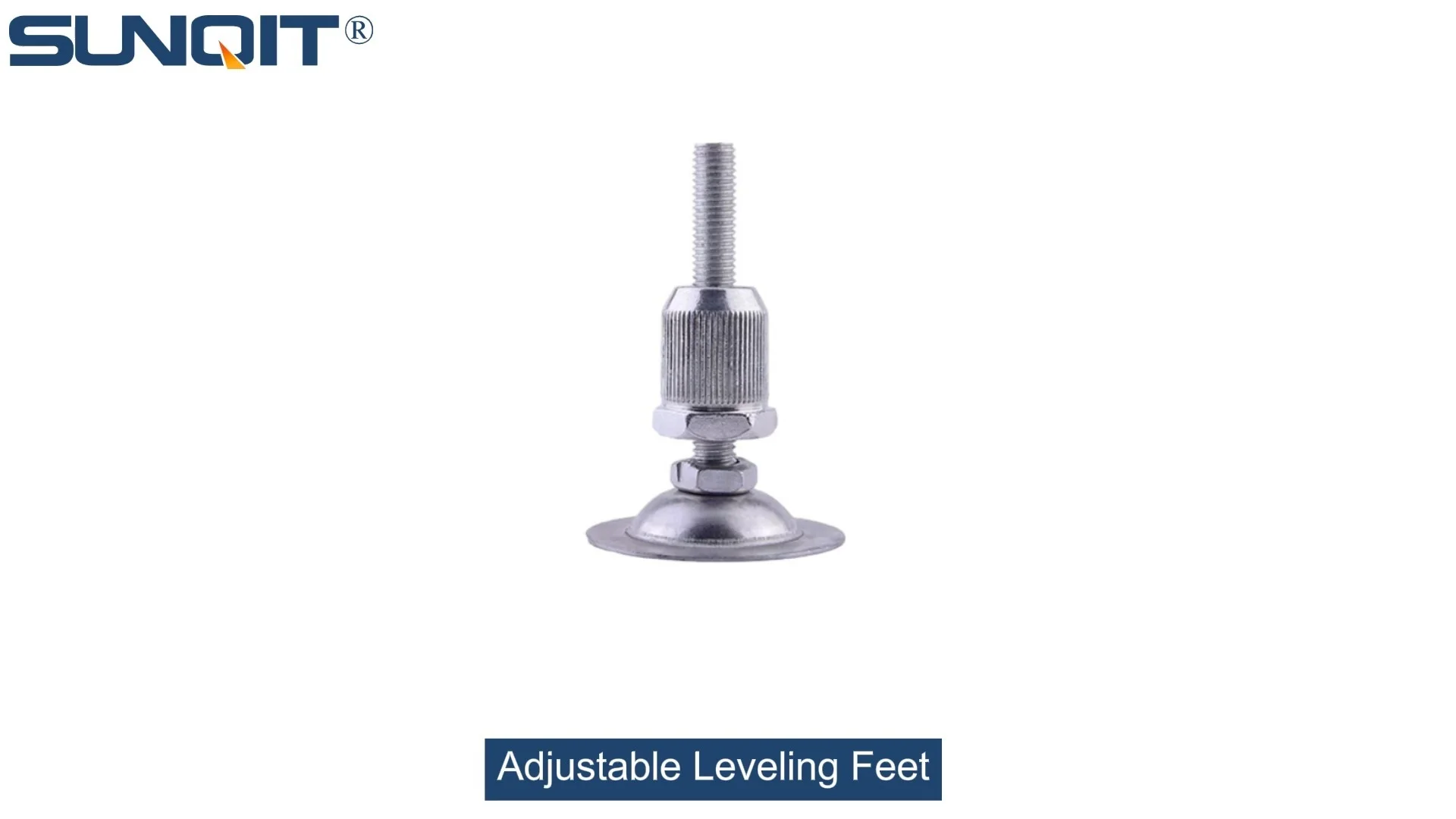
Adjustable Leveling Feet
Adjustable leveling feet are designed to keep machines level when placed on uneven or sloped ground. Otherwise known as adjustable equipment feet, they are available to order in a wide variety of size and load capacity combinations.
Walk into any manufacturing facility, and you'll notice a symphony of moving parts: conveyor belts gliding, workbenches humming with activity, and machines churning out precision components. But amid all this motion, there's an unsung hero keeping everything steady, aligned, and efficient: the adjustable leveling foot. These small, unassuming components might not grab headlines, but they're the backbone of stability in factories worldwide. Whether you're setting up a new lean system, assembling a workbench, or ensuring a conveyor runs smoothly, choosing the right adjustable leveling feet can mean the difference between seamless productivity and costly downtime. In this guide, we'll dive deep into everything you need to know about these critical tools—from understanding their role in manufacturing to selecting the perfect type for your needs, installing them like a pro, and keeping them in top shape for years to come.
What Are Adjustable Leveling Feet, and Why Do They Matter?
At their core, adjustable leveling feet are mechanical components designed to support heavy equipment, adjust height, and compensate for uneven surfaces. Think of them as the "feet" of your manufacturing setup—they keep workbenches, conveyor systems, material racks, and machines balanced, even when the factory floor isn't perfectly flat (and let's be honest, few floors are). But their role goes beyond just "leveling." They reduce vibration, prevent slipping, protect floors from damage, and even extend the lifespan of your equipment by ensuring weight is distributed evenly.
In a lean system, where efficiency and waste reduction are king, stability is non-negotiable. A wobbly workbench can throw off assembly precision, leading to defective products. A misaligned conveyor might jam, halting production. And unevenly supported machines? They vibrate more, wear out faster, and pose safety risks to operators. Adjustable leveling feet solve these problems by letting you fine-tune each piece of equipment to the unique contours of your facility. They're not just accessories—they're essential tools for maintaining the precision and reliability that modern manufacturing demands.
Breaking Down the Basics: Key Components of Adjustable Leveling Feet
Before we jump into selecting the right feet, let's get familiar with their anatomy. Most adjustable leveling feet share a few core components, each playing a critical role in performance:
1. Threaded Stem
This is the "adjustable" part of the foot. Typically made of steel or stainless steel, the stem is a long, threaded rod that screws into the equipment (like the leg of a workbench or the base of a conveyor). By rotating the stem, you raise or lower the foot to adjust height.
2. Base Plate
The base is the part that touches the floor. It distributes the equipment's weight over a larger area, preventing indentations in concrete or damage to delicate floors. Bases can be made of rubber, plastic, or metal, and some (like anti-slip adjustable leveling feet) have textured or rubberized surfaces to grip the floor and prevent movement.
3. Adjustment Nut
Once you've set the desired height, the adjustment nut locks the stem in place. Tightening it against the equipment's leg prevents the foot from unscrewing over time, even with vibration.
4. Anti-Slip Features (In Specialized Models)
For environments where stability is critical—think wet floors, oily surfaces, or high-vibration machines—anti-slip adjustable leveling feet take things up a notch. These often have rubber bases with tread patterns or soft, grippy materials that "stick" to the floor, reducing the risk of equipment sliding or shifting during operation.

Types of Adjustable Leveling Feet: Finding the Right Fit for Your Needs
Not all adjustable leveling feet are created equal. Just as you wouldn't use a wrench to hammer a nail, you need to match the foot to the job. Let's explore the most common types and when to use them:
Standard Adjustable Leveling Feet
These are the workhorses of the leveling world. Made with a metal stem (usually steel) and a plastic or metal base, they're affordable, versatile, and ideal for light to medium-duty applications. Think small workbenches, shelving units, or low-weight conveyor sections. They offer basic height adjustment and are easy to install, making them a go-to for general manufacturing setups.
Anti-Slip Adjustable Leveling Feet
When safety and stability are non-negotiable, anti-slip models shine. These feet feature a rubber or elastomer base with a textured surface that grips floors, even in slippery conditions (like factories with oil or coolant spills). They're perfect for heavy workbenches where operators stand for hours, conveyor systems that vibrate, or machines that process delicate parts (where even a tiny shift could ruin a product). The anti-slip design also reduces noise by dampening vibration—another win for factory ergonomics.
M10*56 Rubber Leveling Feet
For heavy-duty applications, you need a foot that can handle serious weight. Enter the M10*56 rubber leveling feet. The "M10*56" refers to the stem size: 10mm in diameter and 56mm in length—large enough to support thousands of kilograms. The rubber base adds flexibility, absorbing shocks and reducing vibration, while the steel stem ensures durability. These are commonly used in industrial machinery, large conveyor systems, and heavy-duty material racks (like the 3-row, 3-floor material rack B you might find in warehouses). If your equipment weighs more than 500kg, these feet are a must.
Stainless Steel Adjustable Leveling Feet
In corrosive environments—think food processing, pharmaceutical manufacturing, or facilities with high humidity—stainless steel feet are the way to go. They resist rust and chemical damage, ensuring longevity even when exposed to water, cleaning agents, or harsh industrial fluids. They're often paired with stainless steel workbenches or conveyor components for a seamless, low-maintenance setup.
| Type | Material | Load Capacity (Typical) | Best For | Key Features |
|---|---|---|---|---|
| Standard | Steel stem, plastic/metal base | Up to 300kg | Light workbenches, small racks | Basic height adjustment, cost-effective |
| Anti-Slip | Steel stem, rubber base | Up to 800kg | Slippery floors, vibrating equipment | Textured grip, vibration dampening |
| M10*56 Rubber | Steel stem, rubber base | 500kg–2000kg | Heavy machinery, large conveyors | Large stem (M10*56), high load capacity |
| Stainless Steel | Stainless steel stem/base | Up to 1500kg | Corrosive environments | Rust-resistant, chemical-proof |

How to select the Perfect Adjustable Leveling Feet: 5 Key Factors
Choosing the right adjustable leveling feet isn't a one-size-fits-all process. It depends on your equipment, environment, and goals. Here's what to consider:
1. Load Capacity: Know Your Weight
First, calculate the total weight your feet will need to support. This includes the equipment itself plus any materials or products it will hold. For example, a workbench might weigh 100kg empty but hold 200kg of tools and parts—so each foot (if there are 4) needs to support at least 75kg (300kg total ÷ 4 feet). Err on the side of caution: overloading feet can lead to bending, cracking, or failure. For heavy setups, M10*56 rubber leveling feet or stainless steel models are safer bets.
2. Floor Conditions: Smooth, Rough, or Slippery?
Is your factory floor polished concrete, rough asphalt, or prone to spills? Smooth floors might work with standard feet, but uneven or slippery surfaces demand anti-slip adjustable leveling feet. If you're in a food or chemical plant, stainless steel feet will resist corrosion from cleaning agents. For outdoor or dirty environments, look for feet with sealed adjustment nuts to prevent debris from jamming the threads.
3. Equipment Type: Workbench, Conveyor, or Machine?
Different equipment has different needs. A lightweight workbench e (single deck, without casters) might only need standard feet, while a conveyor with moving parts requires anti-slip feet to counteract vibration. Heavy machinery needs M10*56 rubber feet for stability, and lean system setups (which prioritize flexibility) might benefit from feet with quick-adjustment nuts for easy reconfiguration.
4. Adjustment Range: How Much Height Do You Need?
Measure the maximum unevenness of your floor. If some areas are 2cm higher than others, your feet need at least 2cm of adjustment range. Most standard feet offer 1–5cm of adjustment, while heavy-duty models like M10*56 can go up to 10cm. Don't skimp here—insufficient adjustment means you'll never get your equipment truly level.
5. Compatibility: Thread Size and Mounting
Finally, ensure the feet fit your equipment. Check the threaded holes on your workbench legs or machine base—common sizes include M8, M10 (like the M10*56), and M12. If the holes are too small, you'll need to drill them out (or use adapters); if too large, the stem will wobble. Some feet also come with flanges or plates for bolt-on mounting, which is useful for equipment without pre-threaded holes.

Installation 101: How to Fit Adjustable Leveling Feet Like a Pro
Installing adjustable leveling feet isn't rocket science, but a few tips can ensure a stable, long-lasting setup. Here's a step-by-step guide:
Step 1: Prep Your Equipment
Start by moving the equipment to its final location (or as close as possible). If it's heavy, use a pallet jack or lift to avoid straining yourself. Clean the mounting points—dust, grease, or debris can prevent the feet from seating properly.
Step 2: Screw in the Feet
Hand-thread the leveling feet into the equipment's mounting holes. Don't overtighten yet—you'll need to adjust them later. For feet with flanges, align the holes with the equipment base and secure with bolts (use washers to prevent stripping).
Step 3: Level the Equipment
Place a spirit level on top of the equipment (for workbenches, check both lengthwise and crosswise). Slowly turn the adjustment nut on each foot to raise or lower it until the bubble is centered. For uneven floors, you might need to adjust one foot more than others—this is where that adjustment range comes in handy!
Step 4: Lock Them In
Once level, tighten the adjustment nut against the equipment base to lock the stem in place. For extra security, use a wrench (but be careful not to over-tighten and damage the threads). If you're using anti-slip feet, press down firmly to ensure the rubber base makes full contact with the floor.
Step 5: Test for Stability
Give the equipment a gentle shake. If it wobbles, recheck the level and tighten any loose nuts. For conveyors or vibrating machines, run them briefly to ensure the feet don't shift. If they do, you may need to add thread-locking compound to the stem threads to prevent loosening over time.
Maintenance Tips: Keeping Your Leveling Feet in Top Shape
Like any equipment, adjustable leveling feet need regular care to perform their best. Here's how to keep them working for years:
1. Inspect Regularly
Add leveling feet to your monthly maintenance checklist. Look for signs of wear: cracked rubber bases, bent stems, or rust (on non-stainless models). Tighten any loose adjustment nuts—vibration can cause them to unscrew over time.
2. Clean the Threads
Dust, dirt, and grease can jam the threads, making adjustment hard. Wipe the stems with a clean cloth, and use a small brush (like a toothbrush) to dislodge debris from the threads. For stubborn grime, apply a mild degreaser and rinse with water (avoid harsh chemicals on rubber bases).
3. replace Worn Parts
If the rubber base on your anti-slip feet is cracked or smooth (no grip left), replace them immediately. Similarly, bent stems or stripped threads mean the foot can't support weight safely. It's cheaper to replace a $20 foot than to fix a $10,000 machine that crashed because of a failed foot.
4. Lubricate Threads (When Needed)
If adjusting the feet becomes stiff, apply a small amount of lubricant (like silicone spray or machine oil) to the threads. Avoid oil on rubber bases, though—it can degrade the material over time.
5. Re-Level After Moves
If you reposition equipment (common in lean system setups), always recheck the level. Even a small move can throw off the feet, leading to instability.
Troubleshooting Common Issues
Even with the best setup, problems can pop up. Here's how to fix the most common leveling foot headaches:
Problem: Equipment Wobbles After Installation
Solution: Check if the feet are all making contact with the floor. If one is (hanging), adjust it down until it touches. If the floor is severely uneven, use shims under the base plate (but only as a last resort—shims can slip over time).
Problem: Feet Keep Loosening
Solution: Vibration is usually the culprit. Tighten the adjustment nut with a wrench, and apply thread-locking compound (like Loctite) to the stem threads. For anti-slip feet, ensure the rubber base isn't worn—smooth bases slip more, causing the stem to twist loose.
Problem: Can't Adjust the Height (Threads Are Jammed)
Solution: Clean the threads with a brush and degreaser. If that doesn't work, apply lubricant and let it sit for 10 minutes. Gently turn the stem back and forth to break up debris—never force it, as you could strip the threads.
Problem: Rubber Base Cracking
Solution: This is a sign of age or chemical exposure. replace the foot with a new anti-slip model, and avoid using harsh cleaners near the base. If you're in a chemical-heavy environment, switch to stainless steel feet with resistant rubber (or pure stainless bases).
Real-World Impact: How Adjustable Leveling Feet Boost Manufacturing Efficiency
Still not convinced these small components make a big difference? Let's look at a real example. A mid-sized electronics manufacturer was struggling with defective circuit boards. After investigating, they found their assembly workbenches were wobbling—just 1–2mm of movement was enough to misalign delicate components during soldering. They replaced the old, fixed feet with anti-slip adjustable leveling feet, re-leveled the benches, and saw defect rates drop by 35% in a month. The feet also reduced vibration, making the workbench more comfortable for operators, who reported less fatigue. And because the feet were easy to adjust, the team could quickly reconfigure the workbenches for new product lines—aligning perfectly with their lean system goals.
Another example: a food packaging plant using conveyor systems with standard feet. The conveyors kept jamming because the uneven floor caused misalignment. Switching to M10*56 rubber leveling feet stabilized the system, cutting downtime by 20% and extending the conveyor's lifespan by 3 years. The rubber bases also reduced noise, making the plant a quieter, more pleasant place to work.
Final Thoughts: Investing in the Foundation of Your Factory
Adjustable leveling feet might not be the most glamorous part of manufacturing, but they're undeniably essential. They're the foundation that supports your lean system, keeps your workbenches steady, and ensures your machines run at peak precision. By taking the time to select the right type (whether anti-slip, M10*56 rubber, or stainless steel), install them carefully, and maintain them regularly, you'll avoid costly mistakes, boost productivity, and create a safer, more efficient factory floor.
So the next time you walk through your facility, take a moment to appreciate those little feet under your equipment. They're not just holding things up—they're holding your entire operation together.