- Company Articles
- Products and Technology
- Installation And Maintenance
- The Ultimate Guide to Aluminum Pipe Adjustable Leveling Feet Maintenance

The Ultimate Guide to Aluminum Pipe Adjustable Leveling Feet Maintenance
Related Product
Aluminum Pipe Adjustable Leveling Feet
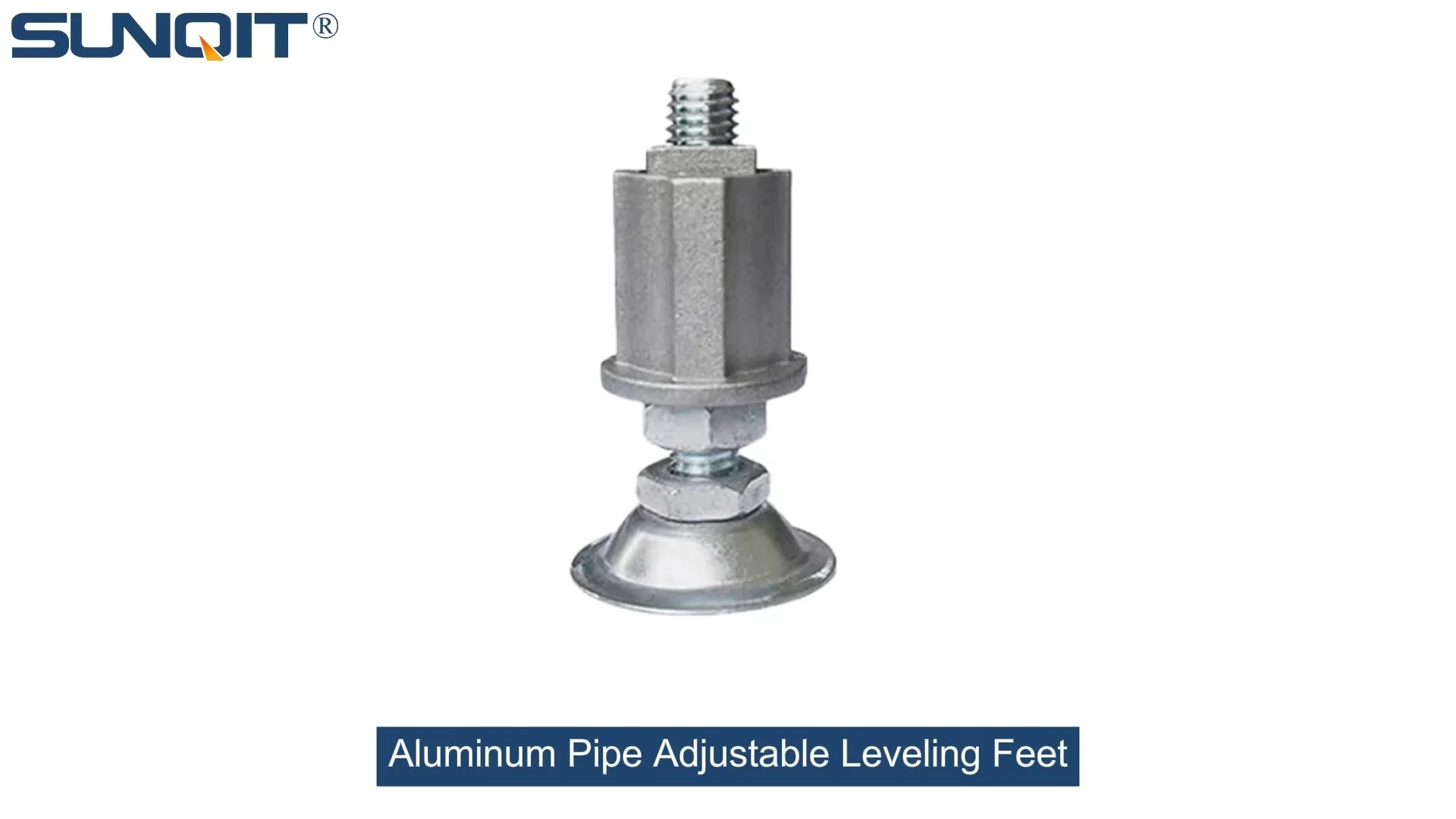
Aluminum Pipe Adjustable Leveling Feet are designed to keep machines level when placed on uneven or sloped ground. Otherwise known as adjustable equipment feet, they are available to order in a wide variety of size and load capacity combinations.
Walk into any well-organized workshop, manufacturing floor, or warehouse, and you'll likely spot a common hero keeping everything steady: aluminum pipe adjustable leveling feet. These unassuming components are the silent backbone of stability for workbenches, flow racks, material racks, and even turnover trolleys—especially when built with aluminum lean pipe or aluminum profile systems. Whether you're using a single-deck workbench without casters or a multi-tier material rack B (3 row and 3 floor), these feet ensure your setup stays balanced, safe, and efficient, even on uneven floors. But like any hardworking tool, they need regular care to perform their best. In this guide, we'll break down everything you need to know to maintain your aluminum pipe adjustable leveling feet, from daily checks to troubleshooting tricky issues—so your aluminum pipe systems keep running smoothly for years.
Understanding the Basics: What Are Aluminum Pipe Adjustable Leveling Feet?
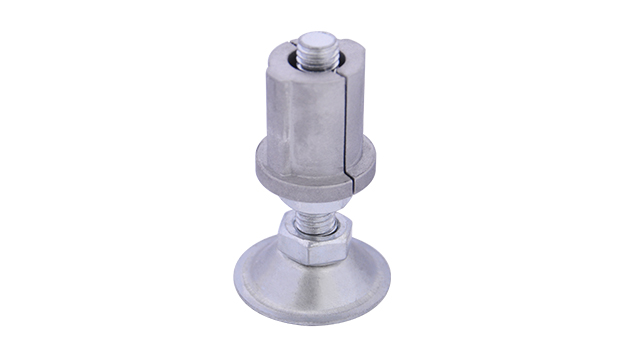
Before diving into maintenance, let's get clear on what these feet actually are. Aluminum pipe adjustable leveling feet are specialized components designed to attach to the bottom of aluminum pipe structures—think aluminum lean pipe workbenches, aluminum profile material racks, or even conveyor supports. They consist of three main parts: a threaded stem (usually made of durable aluminum or steel), an adjustable nut, and a base (often rubber or plastic) that grips the floor. The magic lies in the threading: twist the nut, and the stem extends or retracts, raising or lowering that corner of your structure to compensate for uneven ground.
Why aluminum? Aluminum pipe is lightweight, corrosion-resistant, and easy to assemble—perfect for lean systems that need to be reconfigured quickly. When paired with adjustable leveling feet, it creates a setup that's both flexible and rock-solid. And since they're often used with aluminum pipe accessories like joints, clamps, or aluminum guide rails, maintaining the feet ensures the entire system stays aligned. Imagine building a house on shaky foundations—without well-maintained leveling feet, even the sturdiest aluminum profile workbench will wobble, risking damage to tools, materials, or worse, worker safety.
Key Components to Know
To care for your leveling feet, you need to recognize their parts. Here's a quick breakdown:
- Threaded Stem: The metal rod (often aluminum or steel) that screws into the aluminum pipe or structure. Its threads allow for height adjustment.
- Adjustment Nut: The ring that locks the stem in place once you've set the desired height. It prevents accidental slipping.
- Base: The bottom part that touches the floor. Most have a rubber or plastic pad to grip surfaces and reduce noise. Over time, this pad can wear down, so it's a critical maintenance spot.
- Mounting Bracket: The part that connects the foot to your aluminum pipe or aluminum profile. This might be a clamp, a welded plate, or a threaded insert—depending on your system.
Daily Maintenance: Quick Habits That Prevent Big Problems
You don't need to spend hours each day maintaining your leveling feet, but a few minutes of attention can save you from costly repairs later. Here's what to do every day:
1. Visual Inspection: The "Glance Test"
Start with a quick walk-around of your aluminum pipe structures. Look for obvious red flags: Is the workbench or material rack leaning? Are any leveling feet off the ground (a sign they're not bearing weight)? Check the base of each foot—are there cracks in the rubber pad? Is there debris (like sawdust, oil, or metal shavings) stuck between the foot and the floor? Even small bits of debris can throw off balance, so brush them away with a dry cloth or compressed air.
2. Tighten Loose Nuts (Gently!)
Aluminum lean pipe systems vibrate during use—whether from tools, conveyor belts, or workers moving materials. Over time, this vibration can loosen the adjustment nut on your leveling feet. Grab a wrench (avoid over-tightening!) and give each nut a gentle twist to ensure it's snug. If the nut spins freely without raising or lowering the stem, that's a sign the threads might be stripped—note that for later troubleshooting.
3. Clean Up Spills Immediately
Oil, coolant, or cleaning fluids on the floor can seep into the base of the leveling feet, causing the rubber pad to degrade or the threads to corrode. Wipe up spills around your aluminum pipe structures right away with a degreasing cleaner (mild soap and water works for most cases). Avoid harsh chemicals like bleach, which can eat away at aluminum or rubber.
Weekly Deep Dive: Going Beyond the Basics
Once a week, set aside 15–20 minutes for a more thorough check. This is when you'll catch issues that daily glances might miss, like worn threads or hidden corrosion.
1. Check Thread Integrity
The threads on the stem are crucial for smooth adjustment. Over time, dirt, rust, or metal shavings can gunk them up, making it hard to raise or lower the foot. To clean them:
- Twist the adjustment nut to raise the foot fully, exposing the entire stem.
- Use a soft-bristled brush (an old toothbrush works!) to scrub away debris.
- Wipe with a cloth dampened in rubbing alcohol to remove oil or grease.
- If you notice bent or damaged threads (common if the foot was kicked or hit), mark that foot for replacement—damaged threads can't hold height adjustments reliably.
2. Lubricate Threads (Sparingly)
After cleaning, a tiny bit of lubricant will keep threads moving smoothly. Use a dry lubricant (like graphite powder) or silicone spray—avoid thick oils, which attract more dirt. Apply a small amount to the threads, then twist the stem up and down a few times to distribute it evenly. Wipe off excess to prevent gunk buildup.
3. Inspect the Rubber Base
The rubber pad on the base is what keeps your structure from sliding and absorbs shocks. Press down on each pad—if it feels hard, cracked, or compressed (no bounce back), it's time to replace it. You can find replacement pads at most aluminum pipe suppliers, or even use adhesive-backed rubber pads from a hardware store (just make sure they're the same thickness as the original to avoid throwing off height adjustments).
4. Test Adjustment Range
Twist each leveling foot to its lowest and highest positions. Does it move smoothly without sticking? If it jams, there might be debris in the threads (go back to step 1!) or a bent stem. If it won't lower all the way, check if the stem is hitting the floor or if the mounting bracket is bent. A stuck foot can't compensate for uneven floors, so fix this ASAP.

Troubleshooting: Fixing Common Problems
Even with regular maintenance, issues can pop up. Here's how to solve the most common ones:
| Problem | Probable Cause | Solution |
|---|---|---|
| Structure wobbles, even after tightening nuts | Uneven floor, or one foot is shorter than others | Use a level to check the structure. Adjust the shortest foot until the bubble is centered. If the floor is very uneven, add a shim (like a metal washer) under the base. |
| Foot won't adjust (stuck in one position) | Debris in threads, or threads are rusted/stripped | Clean threads with alcohol and a brush. If still stuck, apply penetrating oil (like WD-40) and let sit for 10 minutes. Twist gently—never force! If threads are stripped, replace the foot. |
| Rubber base slides on smooth floors | Worn pad, or floor is oily | replace the rubber pad with a textured or non-slip version. Clean the floor with degreaser to remove oil. |
| Stem spins but doesn't raise/lower the structure | Mounting bracket is loose (stem isn't attached to the structure) | Check the bracket where the foot attaches to the aluminum pipe. Tighten screws or clamps. If the bracket is stripped, replace it with new aluminum pipe accessories. |

Long-Term Care: Extending the Life of Your Leveling Feet
With daily and weekly maintenance, your aluminum pipe adjustable leveling feet should last 5–7 years. To stretch that even further, follow these tips:
1. replace Parts Proactively
Don't wait for a foot to fail completely. If a rubber pad is 50% worn, or threads are starting to look dull (not shiny), order replacements from your aluminum pipe supplier. Keeping spare feet, pads, and nuts on hand means you can swap them out in minutes, avoiding downtime.
2. Protect from Corrosion
Aluminum resists rust, but if your workspace is humid (like a food processing plant) or near chemicals, the steel parts (if any) of the foot can corrode. Wipe feet with a dry cloth after cleaning to prevent moisture buildup. For extra protection, apply a thin coat of clear nail polish to steel threads—this acts as a barrier against water.
3. Match Feet to the Load
Using a small, lightweight foot on a heavy structure (like a loaded material rack B) will wear it out fast. Check the weight rating of your feet (usually listed by the supplier) and ensure they can handle the load. If you're unsure, ask your aluminum pipe supplier for guidance—they can recommend heavy-duty options for high-weight setups.
4. Reconfigure with Care
Aluminum lean pipe systems are meant to be reconfigured, but yanking or dragging structures can stress the leveling feet. When moving a workbench or rack, lift it slightly (use a dolly!) instead of sliding. This prevents the feet from scraping the floor and bending the stems.
Final Thoughts: Small Efforts, Big Results
Aluminum pipe adjustable leveling feet might not be the flashiest part of your workspace, but they're essential for safety, efficiency, and peace of mind. By spending a few minutes each day inspecting, cleaning, and tightening, and a bit more time weekly on deep maintenance, you'll keep your aluminum pipe systems steady, extend their lifespan, and avoid costly repairs. And when parts do wear out? Your aluminum pipe supplier is just a call away, with replacement feet, rubber pads, or aluminum pipe accessories to get you back on track. After all, a stable foundation makes everything else—from assembling products to moving materials—that much easier. Here's to steady workbenches, wobble-free racks, and leveling feet that go the distance!