- Company Articles
- Products and Technology
- Product knowledge
- The Ultimate Guide to End Support for Roller Track Placon Mount with Stop in Lean Manufacturing

The Ultimate Guide to End Support for Roller Track Placon Mount with Stop in Lean Manufacturing
Related Product
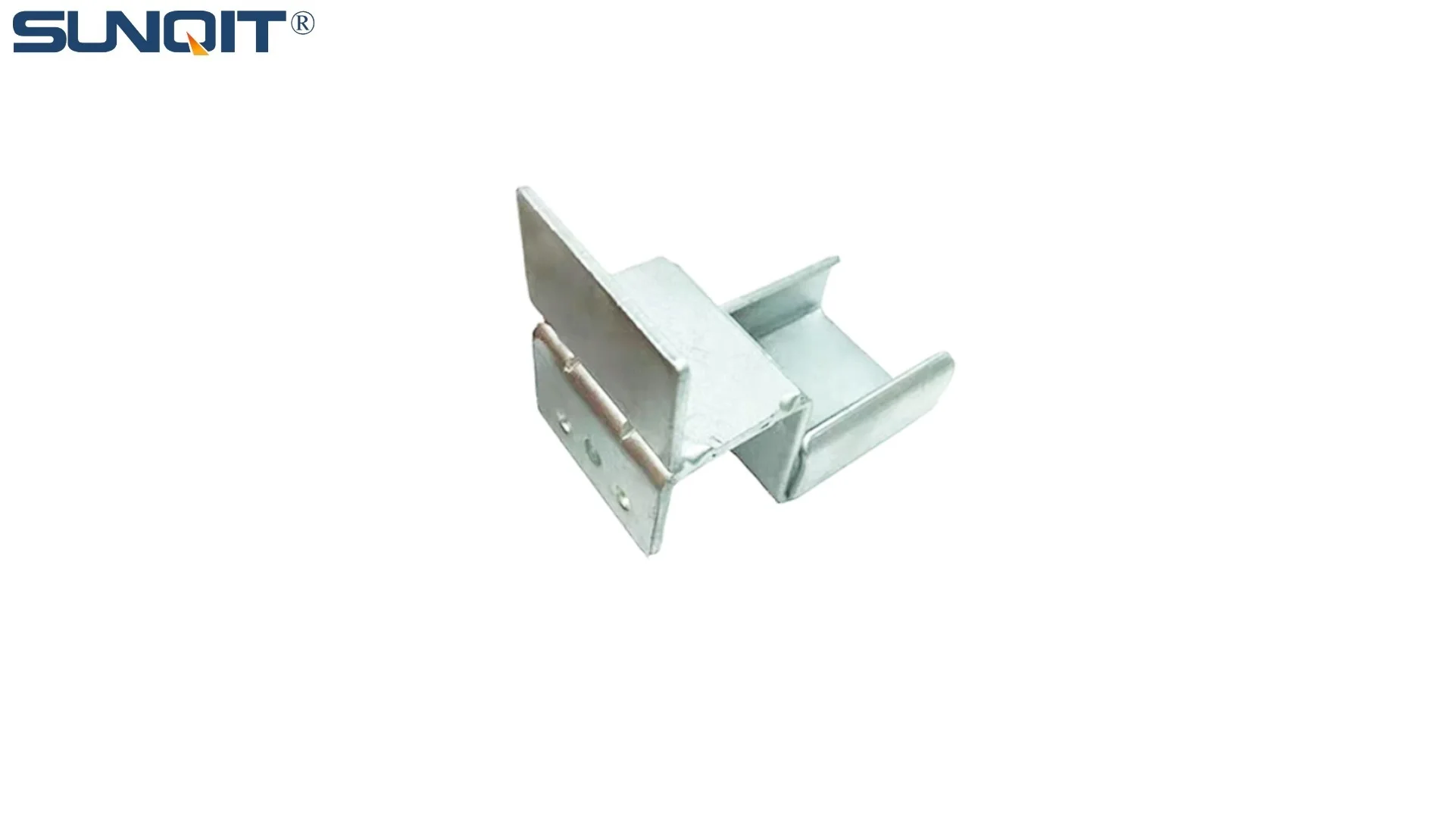
End Support for Roller Track Placon Mount with Stop
Roller track placon mount work as a connector for roller track and pipe or aluminum profile in rack syetem, it is a necessary parts in rack system which widely used in industrial plant and logistic,warehouse storage.
Ever walked through a busy factory and marveled at how smoothly materials glide from one station to another? Behind that seamless flow—whether it's a box of phone parts sliding toward an assembly line or a tray of medical components moving to packaging—are hundreds of small, often overlooked parts working together. Today, we're zooming in on one of those unsung heroes: the End Support for Roller Track Placon Mount with Stop . It might sound like a mouthful, but think of it as the "traffic cop" of your production line—quietly ensuring everything stays on track, moves at the right speed, and never oversteps its bounds. In the world of lean manufacturing, where every second and every cent counts, even the tiniest parts can make or break your efficiency. Let's dive in and uncover why this little component deserves a spot in your lean toolkit.
First Things First: What Even Is This "End Support" Thing?
Let's break down the name piece by piece—no engineering degree required. "Roller Track Placon Mount" refers to the metal or plastic tracks (we'll talk about aluminum profile later, a popular choice here) that hold the rollers you see on flow racks . These tracks need to be mounted securely to something—usually a frame or a workbench. That's where the "End Support" comes in: it's the bracket or stand that holds the end of the track steady. And the "with Stop"? That's the small but mighty piece that juts up from the support, like a speed bump, to keep materials from sliding off the end of the track. Simple enough, right? But don't let its simplicity fool you.
Imagine building a bookshelf without the side panels—your books would tumble right off. The end support does the same for your roller track: it adds rigidity, prevents sagging (especially under heavy loads), and ensures the track stays aligned. The stop, on the other hand, is like the guardrail on a highway. Without it, a heavy box could slide too fast, crash into the next station, or even fall off the rack—wasting time, damaging parts, and risking worker safety. Together, they're the dynamic duo keeping your roller track system stable, safe, and efficient.
Why Lean Manufacturing Can't Afford to Ignore It
Lean manufacturing is all about cutting waste—whether that's wasted time, wasted materials, or wasted effort. Every component in your system should pull its weight in making things run smoother, faster, and smarter. So where does this end support fit into that picture? Let's count the ways:
1. It Eliminates "Micro-Stops" in Production
Ever noticed how a single stuck wheel on a shopping cart can turn a quick trip to the store into a frustrating struggle? The same goes for production lines. If a roller track sags in the middle or wobbles at the ends, materials slow down, get stuck, or even jam. That leads to "micro-stops"—tiny pauses that add up over a shift. A sturdy end support keeps the track straight and stable, so materials glide without hesitation. No more stopping to nudge a stuck box or realign a misbehaving track. Just steady, consistent flow—exactly what lean manufacturing craves.
2. It Protects Your Materials (and Your Bottom Line)
Scratched phone screens, cracked medical vials, dented auto parts—these aren't just quality issues; they're money down the drain. The "stop" feature on the end support acts like a gentle handbrake. Instead of a material slamming into the end of the track (or worse, falling off), it slows to a controlled stop. Think of it as the difference between dropping a glass on the floor and setting it carefully on the table. For delicate items like 3C components or medical devices, that's a game-changer. Less damage means fewer rejects, lower replacement costs, and happier customers—all key to lean's goal of maximizing value.
3. It Makes Your Workstation Safer (and Workers Happier)
A wobbly track isn't just inefficient—it's dangerous. If a heavy container slides off, it could hit a worker's foot or damage equipment. The end support adds stability, and the stop prevents unexpected slides. That means fewer accidents, lower injury rates, and a team that feels confident in their workspace. Happy, safe workers are more productive workers—another lean win. Plus, in regulated industries like medical manufacturing, safety features like these aren't just nice to have; they're required. The end support with stop helps you check that box without adding extra hassle.

How It Plays Well with Other Lean Stars
No part in lean manufacturing works alone. The end support with stop is like the bass player in a band—you might not notice it, but the whole group falls apart without it. Let's see how it teams up with other key players in your production setup:
Teaming Up with Flow Racks
If you've ever used a flow rack (those gravity-fed shelves where materials roll forward as you take the front one), you've seen the end support in action. Flow racks rely on angled roller tracks to let gravity do the work, but without end supports, those tracks would bend or shift over time. The end support keeps the track locked in place, so the angle stays consistent, and materials roll at the perfect speed. And the stop? It ensures the last item on the rack doesn't roll off when you pull the one in front. It's the reason you can grab a part, and the next one automatically takes its place—no extra effort, no wasted motion. That's lean in action.
Working with Lean Pipe Workbenches
Many factories pair flow racks with lean pipe workbenches —customizable workstations built from lightweight pipes and joints. Imagine a lean pipe workbench where an assembler puts together circuit boards. Right next to the bench is a flow rack holding components, fed by a roller track. The end support with stop ensures the component trays stop exactly at the edge of the bench, within easy reach of the worker. No stretching, no leaning, no wasted steps. The worker grabs a tray, assembles the board, and the next tray is ready and waiting. It's a seamless dance between the workbench and the flow rack, with the end support keeping the rhythm steady.
Built to Last with Aluminum Profile
Ever wonder why so many lean components are made from aluminum profile ? It's lightweight, strong, corrosion-resistant, and easy to customize—perfect for lean's "adapt and improve" mindset. Many end supports are crafted from aluminum profile too, which means they're durable enough to handle daily wear and tear but light enough to reposition if you rearrange your line. Aluminum also won't rust, so even in dusty or slightly damp environments (like warehouses), it stays strong. That longevity aligns with lean's focus on sustainability—no need to replace parts every few months. Invest once, and it keeps working for years.

Real-World Stories: When End Supports Saved the Day
Still not convinced this little part is a big deal? Let's look at two real-world examples where end supports with stop made a tangible difference for manufacturers:
Case 1: A 3C Factory Cuts Downtime by 20%
A major 3C (computer, communication, consumer electronics) manufacturer was struggling with their assembly line for smartwatches. The line used flow racks to feed small component trays to workers, but the roller tracks kept sagging at the ends. Workers had to stop every 15-20 minutes to push stuck trays or straighten the tracks. Frustrated, the team installed end supports with stop on all their roller tracks. The result? No more sagging, no more jams, and trays that stopped perfectly at the workstation edge. Over a month, micro-stops dropped by 20%, and the line hit production targets consistently for the first time in six months. The plant manager later joked, "We should have installed these years ago—they paid for themselves in a week!"
Case 2: A Medical Supplier Slashes Rejects by 35%
A medical device supplier was losing money due to damaged vials. Their flow racks transported vials from filling to capping, but without stops, vials would slide off the end of the track and crack. The team tried adding foam padding at the ends, but it got dirty easily and needed frequent replacement. Then they switched to roller tracks with end supports and stops. The stops gently caught the vials, and the aluminum supports stood up to daily cleaning (critical in medical settings). Rejects from damaged vials dropped by 35%, and the team saved hours each week not having to replace foam. Plus, the supports were easy to sanitize, helping them pass their next FDA inspection with flying colors.

How to Choose the Right End Support for Your Line
Not all end supports are created equal. To get the most out of yours, you'll need to pick the right one for your specific needs. Here's what to consider:
| Factor to Consider | What to Ask Yourself | Example Scenario |
|---|---|---|
| Weight of Materials | How heavy are the items sliding on the track? (e.g., 5kg boxes vs. 50kg crates) | Heavy auto parts need a steel end support; light electronics can use aluminum. |
| Track Length | Longer tracks sag more—do you need extra support in the middle too? | A 10ft track might need two end supports plus a center bracket. |
| Environment | Is it dusty? Humid? Exposed to chemicals? | Food or medical settings need corrosion-resistant aluminum or stainless steel. |
| Stop Type | Do you need a fixed stop or an adjustable one? (Adjustable stops let you change the stopping point.) | Assembly lines with varying tray sizes might prefer adjustable stops. |
| Compatibility | Does it fit your existing roller track and frame? (Check measurements!) | If your tracks are 40mm wide, don't buy a 30mm end support. |
Pro tip: When in doubt, ask your supplier for a sample. Test the end support with your actual materials and track setup before ordering in bulk. A good lean solution provider will even help you troubleshoot and recommend the best fit—no guesswork required.
Caring for Your End Supports: Maintenance Tips
Like any hardworking team member, your end supports need a little TLC to keep performing their best. Here's how to keep them in top shape:
- Check for tightness monthly: Over time, bolts can loosen from vibration. Grab a wrench and make sure the end support is securely fastened to the frame.
- Clean the stop regularly: Dust, grease, or debris can build up on the stop, making it less effective. Wipe it down with a damp cloth (or a mild cleaner for aluminum) to keep it smooth.
- Inspect for wear: Look for cracks in the support bracket or a bent stop. If the stop is dented, it might not stop materials as effectively—replace it before it causes issues.
- Lubricate moving parts (if applicable): Some adjustable stops have moving parts. A drop of machine oil every few months will keep them sliding smoothly.
These simple steps take 5 minutes per rack and can extend the life of your end supports by years. Remember: in lean manufacturing, prevention is always cheaper than repair.
Wrapping Up: Small Part, Big Impact
At the end of the day, lean manufacturing isn't just about big machines or fancy software. It's about the details—the small, intentional choices that add up to big efficiency gains. The End Support for Roller Track Placon Mount with Stop might not get the spotlight, but it's a perfect example of that philosophy. It stabilizes your tracks, protects your materials, keeps your team safe, and works hand-in-hand with other lean stars like flow racks , lean pipe workbenches , and aluminum profile frames.
So the next time you walk through your production line, take a second to notice the end supports. Give them a little nod—they've earned it. And if you're still using tracks without them? Maybe it's time to upgrade. After all, in lean, every small improvement is a step toward a smarter, smoother, more profitable operation. Your team, your customers, and your bottom line will thank you.