- Company Articles
- Products and Technology
- Product knowledge
- The Ultimate Guide to Lean Pipe Fixed Clamp Specifications

The Ultimate Guide to Lean Pipe Fixed Clamp Specifications
Related Product
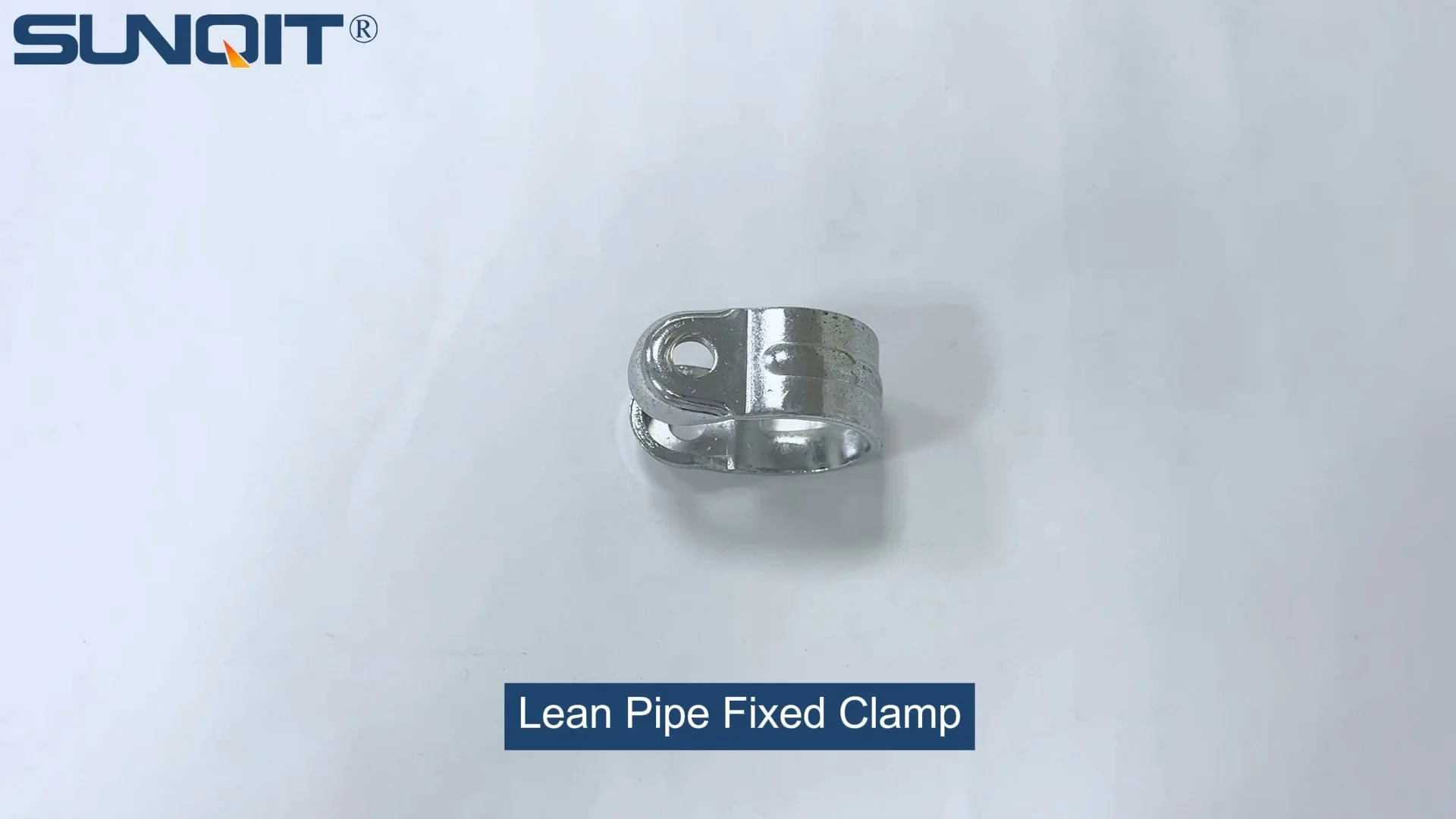
Lean Pipe Fixed Clamp
Lean pipe fixed clamp is used for pipe connector fixing the correct position during workbench flow rack hand trolley assemble work.
In the world of manufacturing and production, where efficiency is the backbone of success, every component in your workflow matters—even the smallest ones. If you've ever walked through a well-organized factory floor, you've probably seen those sleek, modular structures: workbenches that adapt to new tasks overnight, flow racks that glide materials from station to station, and conveyor systems that keep production lines moving without a hitch. Behind all of these is a silent hero: the lean pipe fixed clamp. These unassuming components are the glue that holds lean systems together, turning basic pipes and joints into customized, flexible workspaces. But not all clamps are created equal. Choosing the right one means understanding specifications that can make or break your setup's stability, durability, and adaptability. In this guide, we'll dive deep into everything you need to know about lean pipe fixed clamp specifications—from materials and sizes to load capacities and real-world applications—so you can build a lean system that grows with your needs.
What Are Lean Pipe Fixed Clamps, Anyway?
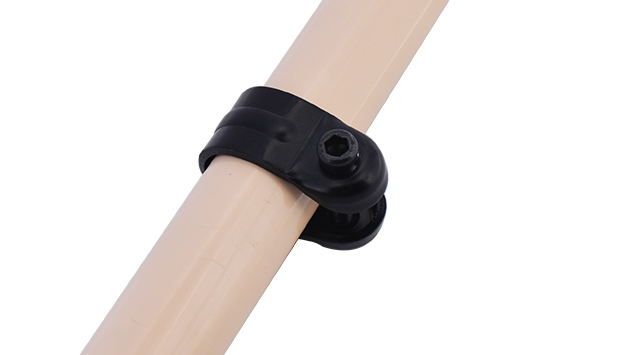
Let's start with the basics. A lean pipe fixed clamp is a mechanical device designed to securely connect two or more lean pipes (or other structural components) at a fixed angle. Unlike swivel or adjustable joints, fixed clamps lock components in place, ensuring stability in structures that need to withstand regular use, vibration, or heavy loads. Think of them as the "permanent" fasteners in your lean system—while lean pipe joints might let you pivot or rotate sections, fixed clamps keep critical parts steady. They're part of the broader family of lean pipe and accessories, working alongside joints, casters, and rails to create everything from simple workbenches to complex material handling systems.
But why does "fixed" matter? In lean manufacturing, consistency is key. If your workbench legs start shifting or your flow rack rails wiggle under the weight of parts, you're looking at wasted time, increased errors, and even safety risks. Fixed clamps eliminate that uncertainty by creating rigid connections that maintain their position over years of use. Whether you're building a static assembly station or a semi-permanent material rack, these clamps ensure your structure stays exactly how you designed it.
Key Specifications to Consider: The Details That Make a Difference
When shopping for lean pipe fixed clamps, you'll encounter a list of specs that might seem like technical jargon at first. But each one plays a critical role in how well the clamp will perform in your setup. Let's break them down, one by one.
1. Clamp Opening Diameter
The most fundamental specification is the clamp's opening diameter—the size of the hole that fits around your lean pipe. This has to match your pipe's outer diameter exactly; a clamp that's too loose will slip, while one that's too tight might crack the pipe or fail to close properly. Common pipe diameters in lean systems are 28mm (standard lean pipe), 30mm (heavy-duty), and 40mm (aluminum profile), so clamps are typically labeled to match these sizes. For example, a "28mm fixed clamp" is designed for standard 28mm lean pipes, while a "40mm aluminum pipe clamp" pairs with larger aluminum extrusion profiles.
Pro tip: Always measure your pipe's outer diameter with a caliper before buying. Even "standard" pipes can have slight variations due to manufacturing tolerances, and a 1mm difference can mean the clamp won't grip securely.
2. Material Composition
Lean pipe fixed clamps are made from a range of materials, each suited to different environments and budgets. The most common options include:
- Steel (Zinc-Plated or Powder-Coated): The workhorse of clamps. Steel clamps are strong, affordable, and resistant to impact—ideal for general-purpose use in dry, indoor environments. Zinc plating adds corrosion resistance, while powder coating (often in blue or gray) provides extra protection and a clean look.
- Stainless Steel: For environments where moisture, chemicals, or hygiene are concerns (like food processing or pharmaceutical labs), stainless steel clamps are a must. They resist rust and corrosion, though they come with a higher price tag.
- Aluminum: Lightweight and corrosion-resistant, aluminum clamps are perfect for applications where weight matters—such as mobile trolleys or overhead structures. They pair especially well with aluminum pipe, creating a sleek, lightweight setup that's easy to move and install.
The material also affects the clamp's weight and conductivity. For example, aluminum clamps are non-magnetic and non-sparking, making them safe for use near sensitive electronics or in explosive environments (though ESD-safe versions may still be needed for static control).
3. Load Capacity (Static and Dynamic)
Load capacity refers to how much weight the clamp can safely support without bending, breaking, or slipping. Manufacturers typically list two values: static load (weight when the structure is stationary) and dynamic load (weight when the structure is moving, like a trolley being pushed). For example, a standard steel clamp might have a static load capacity of 500kg and a dynamic load of 300kg—meaning it can hold 500kg when bolted to the floor but only 300kg when the structure is on casters.
Why does this matter? If you're building a material rack to hold heavy machinery parts, underestimating load capacity could lead to the clamp deforming, causing the rack to collapse. On the flip side, overbuying a clamp with a 1000kg capacity for a lightweight workbench is a waste of money. Always calculate the total weight your structure will bear (including the weight of the pipes, accessories, and the materials you'll place on it) and choose a clamp with a load rating that exceeds that by at least 20% to account for unexpected stress.
4. Clamping Mechanism and Torque Rating
How does the clamp actually hold the pipe? Most use a screw-driven mechanism: you place the pipe in the clamp, tighten a bolt or nut, and the clamp's jaws squeeze the pipe to create friction. The torque rating tells you how much force to apply when tightening that bolt (usually measured in Newton-meters, Nm). Too little torque, and the clamp might loosen over time; too much, and you could strip the threads or damage the pipe (especially if it's a softer material like aluminum).
Some clamps feature quick-release levers or cam locks for faster assembly, but these are less common in fixed clamps—precision matters more here than speed. Look for clamps with clearly marked torque ratings (e.g., "Max Torque: 25 Nm") and use a torque wrench to ensure you're tightening them correctly. It's a small step that can drastically extend the life of your structure.
5. Compatibility with Other Components
A clamp is only as useful as its ability to work with the rest of your lean pipe and accessories. This means checking compatibility with your pipes (obviously), but also with joints, brackets, and profile systems. For example, if you're using aluminum extrusion profiles with T-slots, you'll need clamps designed to fit into those slots or attach to the profile's edges. Similarly, if your system uses a mix of steel and aluminum pipes, make sure the clamp's material won't cause galvanic corrosion (a reaction between dissimilar metals in the presence of moisture). Stainless steel clamps are often a safe bet here, as they're compatible with most materials.
Don't forget about angles, either. Fixed clamps are available for straight (180°), 90°, 45°, or even custom angles. A 90° clamp won't work if you need to connect pipes at 30°, so double-check the angle specification before purchasing. Some manufacturers label clamps by angle (e.g., "90° fixed elbow clamp"), making this easy to spot.
6. Finish and Environmental Resistance
The clamp's finish isn't just about aesthetics—it's about durability. In dusty factories, a smooth powder-coated finish might resist buildup better than a rough zinc-plated one. In wet or humid environments, a corrosion-resistant finish (like stainless steel or passivated aluminum) prevents rust from weakening the clamp over time. Even in cleanrooms, you might need clamps with a low-particulate finish to avoid contaminating sensitive products.
ESD (Electrostatic Discharge) resistance is another consideration for electronics manufacturing. ESD-safe clamps are made with conductive materials or coatings that dissipate static electricity, protecting sensitive components from damage. These are often labeled as "ESD-compliant" and may have a surface resistance rating (e.g., 10^6 to 10^9 ohms) to verify their effectiveness.
A Closer Look: Comparing Common Clamp Types by Specification
To make this more concrete, let's compare three popular types of lean pipe fixed clamps across key specifications. This table will help you see how different models stack up for common use cases:
| Specification | Standard Steel Fixed Clamp (28mm) | Stainless Steel Heavy-Duty Clamp (30mm) | Aluminum Lightweight Clamp (40mm) |
|---|---|---|---|
| Clamp Opening Diameter | 28mm (fits standard steel lean pipe) | 30mm (fits heavy-duty steel/stainless pipe) | 40mm (fits aluminum extrusion profiles) |
| Material | Zinc-plated steel | 304 stainless steel | 6063 aluminum alloy |
| Static Load Capacity | 300kg | 600kg | 200kg |
| Dynamic Load Capacity | 150kg | 350kg | 100kg |
| Torque Rating | 20 Nm | 30 Nm | 15 Nm (lower to avoid damaging aluminum) |
| Angle | 90° and 180° options | 90° only | 90°, 45°, and T-joint options |
| Environmental Resistance | Moderate (resists rust in dry indoors) | High (corrosion-resistant; ideal for wet/clean environments) | High (corrosion-resistant; lightweight for mobile setups) |
| Best For | Basic workbenches, light material racks | Food/pharmaceutical production, heavy tool storage | Mobile trolleys, overhead structures, cleanrooms |

Materials Deep Dive: Why Aluminum Pipe Clamps Are Gaining Popularity
While steel clamps have long been the standard, aluminum pipe clamps are quickly becoming a favorite in modern lean systems—especially in industries like automotive, electronics, and logistics. What's driving this shift? Let's break down the benefits of aluminum pipe and its clamps:
Lightweight, But Still Strong
Aluminum is about 30% lighter than steel, which makes a big difference when building large structures or mobile setups. A 40mm aluminum pipe weighs roughly 1.2kg per meter, compared to 2.5kg for a steel pipe of the same diameter. This means structures built with aluminum pipe and clamps are easier to assemble, disassemble, and reconfigure—critical for lean systems that need to adapt to changing production lines. Don't let the weight fool you, though: aluminum alloys like 6063 have impressive tensile strength (around 240 MPa), so aluminum clamps can still handle moderate loads (up to 200kg static) for most workbench and light rack applications.
Corrosion Resistance for Longevity
Aluminum naturally forms a thin oxide layer that protects it from rust and corrosion, even in humid or slightly acidic environments. Unlike steel, which needs plating or painting to resist moisture, aluminum clamps require minimal maintenance—just a quick wipe with a damp cloth to remove dust. This makes them ideal for facilities with washdown procedures (like food processing plants) or outdoor storage areas where steel clamps might degrade over time.
Sleek Aesthetics and Brand Image
Let's not overlook the visual appeal. Aluminum has a clean, modern look that steel (even painted steel) can't match. For customer-facing areas—like demo labs or factory tours—aluminum structures signal professionalism and attention to detail. Aluminum clamps often come in anodized finishes (silver, black, or custom colors) that resist scratches and maintain their appearance for years. It's a small touch, but a well-designed workspace can boost employee morale and impress clients.
Compatibility with T-Slot Profiles
Many aluminum pipe clamps are designed to work with T-slot aluminum profiles—extruded aluminum beams with slots along their length that let you attach accessories (like shelves, lights, or tool holders) without drilling. This integration turns your lean system into a fully customizable workspace. For example, you could use an aluminum fixed clamp to attach a T-slot profile to a vertical pipe, then slide a tool hook into the slot—no extra hardware needed. This versatility is why aluminum is a top choice for modern manufacturing facilities.

Real-World Applications: How Clamp Specifications Impact Performance
Specs are important, but how do they translate to real use cases? Let's walk through three scenarios where choosing the right clamp specification was critical to success.
Scenario 1: Assembly Workbench in an Electronics Factory
A contract manufacturer needed to build 50 assembly workbenches for smartphone circuit boards. The requirements: ESD-safe to protect sensitive components, lightweight for easy reconfiguration, and stable enough to hold tools, magnifying lamps, and circuit board trays. They chose 40mm aluminum pipe (for weight and ESD properties) and paired it with aluminum fixed clamps rated for 150kg static load (each bench holds ~100kg total). The clamps had ESD-compliant anodized finishes (surface resistance 10^7 ohms) and T-slot compatibility, allowing them to attach ESD-safe mats and tool holders directly to the bench frame. The result? A workspace that reduced static-related defects by 40% and cut reconfiguration time from 8 hours to 2 hours when switching between phone models.
Scenario 2: Heavy-Duty Material Rack in an Automotive Plant
An auto parts supplier needed a rack to store engine blocks (each weighing 80kg) in a warehouse with high humidity. They opted for 30mm stainless steel pipes and heavy-duty stainless steel fixed clamps with a 600kg static load capacity (each shelf holds 4 engine blocks, ~320kg). The clamps featured a 90° angle design to create a rigid square frame, and their stainless steel construction prevented rust despite occasional water exposure from floor cleaning. After 2 years of use, the racks showed no signs of corrosion, and the clamps remained tight—no loosening or sagging, even with daily loading/unloading.
Scenario 3: Mobile Trolley for Hospital Supply Rooms
A hospital needed mobile trolleys to transport medical supplies between departments. The key requirements: lightweight (to be pushed by staff), easy to clean (to meet infection control standards), and stable enough to hold glass vials and sterile packages. They chose 28mm aluminum pipe and aluminum fixed clamps with a 100kg dynamic load rating (trolleys carry ~80kg). The clamps' smooth aluminum finish allowed for quick wipe-downs with disinfectant, and their lightweight design made the trolleys easy to maneuver through narrow hallways. Over six months, staff reported fewer strains from pushing heavy carts and zero incidents of supplies falling due to unstable connections.
Installation Tips: Getting the Most Out of Your Clamps
Even the best clamp won't perform well if installed incorrectly. Here are some pro tips to ensure your fixed clamps deliver maximum stability and longevity:
- Prep the Pipe Surface: Before clamping, clean the pipe with a cloth to remove oil, dust, or debris. Even a thin layer of grime can reduce friction, causing the clamp to slip over time.
- Align Pipes Precisely: Use a square or level to ensure pipes are at the correct angle before tightening the clamp. A 1° misalignment can create uneven stress on the clamp, leading to premature failure.
- Tighten to the Exact Torque Rating: Invest in a small torque wrench (under $50) and set it to the clamp's recommended torque (e.g., 25 Nm). Over-tightening can strip threads; under-tightening leads to loosening.
- Use Lock Washers for Vibration-Prone Areas: In environments with machinery vibration (like near conveyor belts), add a lock washer between the clamp and bolt to prevent loosening. This is extra insurance for critical connections.
- Inspect Regularly: Schedule monthly checks to tighten any loose clamps—especially in high-use areas. Temperature changes, repeated loading, and minor impacts can all cause bolts to loosen over time.
Choosing a Supplier: What to Look For Beyond Specifications
Once you know your specs, the next step is finding a reliable supplier. With so many options online, it's tempting to go with the cheapest listing, but that can backfire. Here's what to prioritize when choosing a lean pipe fixed clamp supplier:
Quality Certifications
Look for suppliers whose clamps meet industry standards, like ISO 9001 (quality management) or RoHS (restriction of hazardous substances). Certifications show the supplier has rigorous quality control processes, reducing the risk of receiving defective clamps (e.g., inconsistent opening diameters or weak welds).
Sample Testing
A good supplier will send free samples so you can test clamps with your actual pipes and load conditions. Before placing a bulk order, assemble a small structure with sample clamps and stress-test it (e.g., stack weights on it for a week) to check for slipping or deformation.
Technical Support
You'll likely have questions: "Will this clamp work with my 40mm aluminum profile?" or "What torque should I use for ESD-safe models?" A supplier with knowledgeable technical staff can save you time and prevent costly mistakes. Avoid suppliers who take days to respond to emails or can't explain their products' specs in detail.
Inventory and Lead Times
Lean manufacturing thrives on just-in-time delivery. Choose a supplier with local warehouses or fast shipping (2–3 days) to avoid production delays. If you need custom clamps (e.g., non-standard angles or finishes), ask about lead times upfront—some suppliers take 4–6 weeks for custom orders.
Final Thoughts: Clamps That Build Success
At the end of the day, lean pipe fixed clamps are more than just hardware—they're the foundation of a system that empowers your team to work smarter, not harder. By understanding specifications like diameter, material, load capacity, and torque, you can choose clamps that keep your structures stable, durable, and adaptable. Whether you're building a simple workbench or a complex material handling system, the right clamp will ensure your lean system delivers on its promise: efficiency, flexibility, and long-term value.
So the next time you're planning a lean project, don't overlook these small but mighty components. Take the time to match specs to your needs, test samples, and partner with a reliable supplier. Your future self (and your production line) will thank you.