- Company Articles
- Products and Technology
- Product knowledge
- The Ultimate Guide to Parallel Rotatory Lean Pipe Joints: 2025 update

The Ultimate Guide to Parallel Rotatory Lean Pipe Joints: 2025 update
Related Product
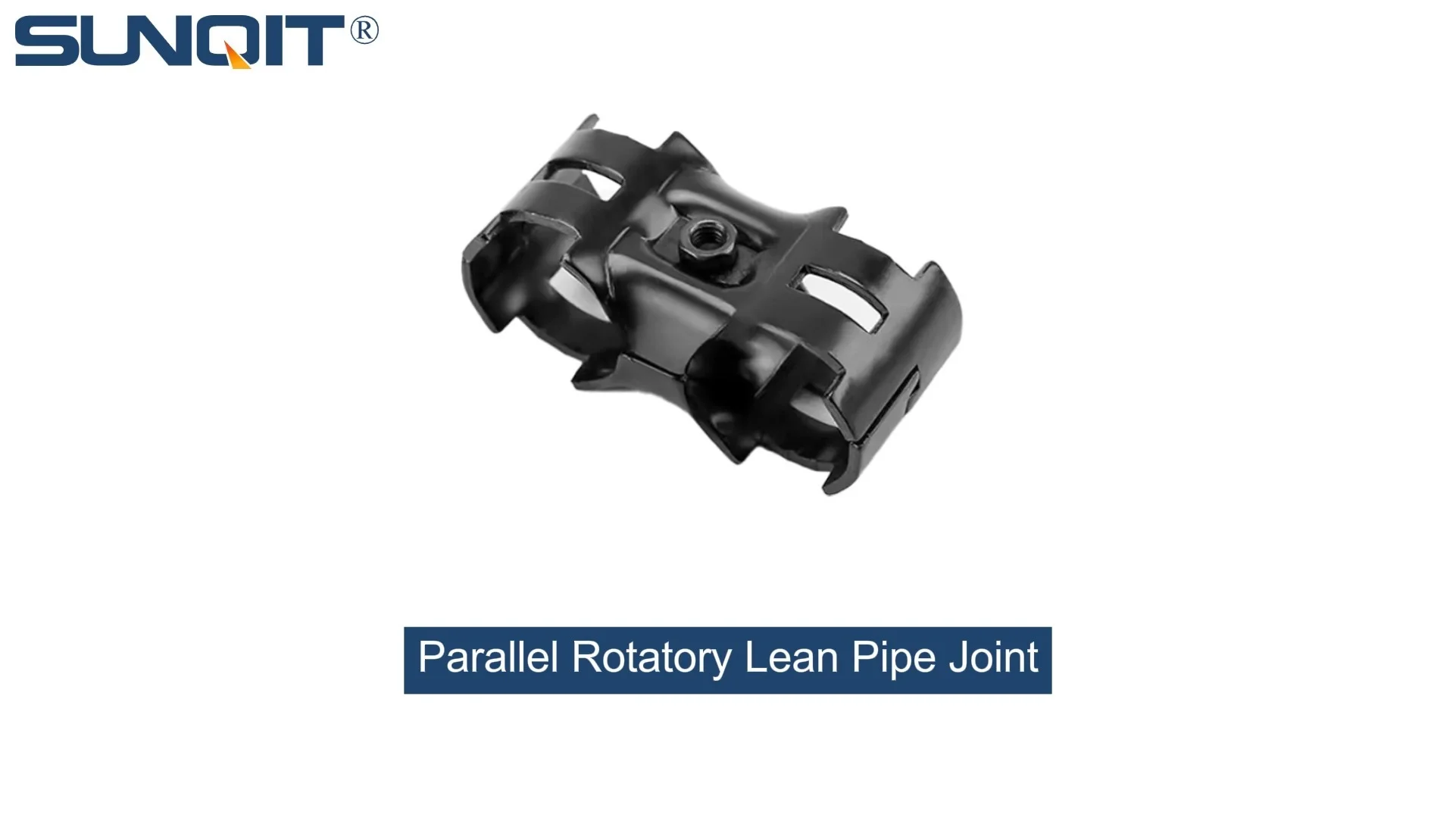
Parallel Rotatory Lean Pipe Joint
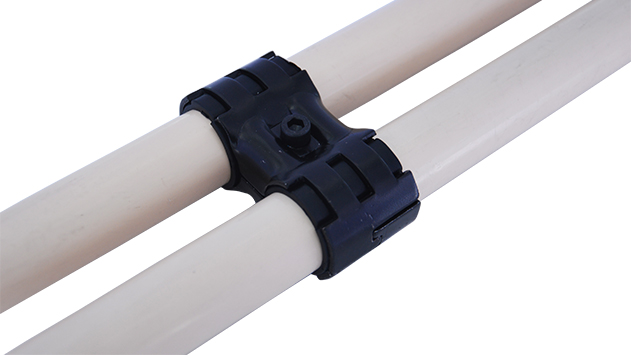
Parallel rotatory lean pipe joint, for 2 pcs pipe conenction in parallel direction with rotatory function.
Walk into any modern manufacturing facility, and you'll notice a quiet revolution happening on the shop floor. Gone are the days of clunky, one-size-fits-all workstations that stay fixed for years, even as production needs shift. Today's factories thrive on flexibility—and at the heart of that flexibility lies a small but mighty component: the parallel rotatory lean pipe joint. If you've ever struggled with rigid material racks that can't adapt to new product sizes, or workbenches that force your team into awkward workflows, you know why these joints have become a game-changer. In this guide, we'll dive deep into what parallel rotatory lean pipe joints are, how they transform lean systems, and why the 2025 updates make them more essential than ever.
What Are Parallel Rotatory Lean Pipe Joints, Anyway?
Let's start with the basics. If you're familiar with lean manufacturing, you know that lean pipe (often called "flexible pipe" or "kitchen pipe") is the backbone of modular workstations, racks, and trolleys. It's lightweight, easy to assemble, and designed to reduce waste by letting teams build exactly what they need, when they need it. But lean pipe alone is just a tube—it's the joints that give it structure and, in the case of parallel rotatory joints, movement.
Defining the Star: Parallel Rotatory Lean Pipe Joint
A parallel rotatory lean pipe joint is a specialized connector that links two or more lean pipes while allowing controlled rotation along a parallel axis. Unlike fixed joints (which lock pipes in place at a set angle) or swivel joints (which rotate 360 degrees freely), these joints balance stability with movement. Imagine a workbench shelf that can tilt slightly to slide materials toward an operator, or a material rack where a section rotates to present parts at eye level—all without disassembly. That's the magic of parallel rotation.
Materials Matter: Chrome-Plated for the Long Haul
Most parallel rotatory joints on the market today are made from high-grade steel with a chrome plating, often referred to as parallel rotatory lean pipe joint chrome . Why chrome? It's not just for shine. Chrome plating adds a hard, corrosion-resistant layer that stands up to the daily grind of factory floors—oil, grease, humidity, and even occasional bumps from forklifts. In 2025, suppliers have upped their game, using thicker plating (up to 0.002 inches) and improved adhesion techniques to prevent chipping, ensuring these joints last 5+ years in heavy use.
Key Features That Make These Joints a Must-Have in 2025
What sets parallel rotatory lean pipe joints apart from other connectors? Let's break down their standout features, updated for 2025 to meet the demands of smarter, faster production lines.
1. Precision Rotation: Smooth, Controlled Movement
Older rotatory joints often had two flaws: too much play (wobbling) or too much friction (sticking). The 2025 models fix this with precision-engineered bearings and tension-adjustable knobs. You can set the rotation resistance to match your needs—tight enough to hold a heavy tool tray steady, loose enough for a lightweight parts bin to glide with a gentle push. Some brands even offer "click-stop" settings, locking the joint at 15°, 30°, or 45° increments for repeatable positioning.
2. Universal Compatibility: Works with Your Existing Setup
No one wants to replace their entire lean system to upgrade a single component. That's why 2025 parallel rotatory joints are designed to fit standard 28mm lean pipes (the most common size) and even work with aluminum lean pipes, a popular lightweight alternative. They also pair seamlessly with other joint types—so you can mix fixed 90° joints for the frame and parallel rotatory joints for the moving parts of a workstation.
3. Load Capacity: Stronger Than They Look
Don't let their compact size fool you. A quality parallel rotatory joint can handle up to 150 lbs of evenly distributed weight—enough for a shelf stacked with metal parts or a tool organizer loaded with power drills. The secret? Reinforced internal ribs and high-tensile steel pins that distribute stress evenly. For heavier loads (think 200+ lbs), look for "heavy-duty" models with thicker walls and dual bearings.
4. Tool-Free Adjustment: No Wrenches, No Downtime
In lean manufacturing, downtime is the enemy. That's why 2025 joints prioritize quick adjustments. Most models feature a hand-tightened locking nut or a lever-style clamp—no need for wrenches or Allen keys. A line operator can reposition a rotating shelf in 30 seconds flat, keeping production rolling without waiting for maintenance.
How Parallel Rotatory Joints Supercharge Your Lean System
Lean manufacturing is all about eliminating waste—whether it's excess inventory, unnecessary movement, or time spent reworking inefficient setups. Parallel rotatory lean pipe joints fit perfectly into this philosophy, turning static lean systems into dynamic tools that adapt to your team's needs.
Reducing Motion Waste: Bring the Work to the Worker
Ergonomics and efficiency go hand in hand. When a worker has to reach, bend, or twist repeatedly to grab materials, they waste time and risk injury. Parallel rotatory joints solve this by letting workstations "meet" the operator. For example: A assembly line workbench with a rotating tool tray can swing tools from the back to the front of the bench as needed, cutting reach time by 2-3 seconds per part. Multiply that by 1,000 parts a day, and you're saving hours of labor weekly.
Supporting Small-Batch Production: Quick Changeovers
Modern factories rarely run the same product 24/7. Small-batch, custom orders are the norm, and that means workstations need to switch setups fast. A material rack built with parallel rotatory joints can reconfigure in minutes: rotate one section to hold small boxes for a new part, tilt another to feed larger components, and lock everything in place. No disassembly, no extra parts—just a quick adjustment.
Encouraging Continuous Improvement: Let Teams Experiment
The best lean ideas often come from the people on the floor. Parallel rotatory joints lower the barrier to experimentation. A team might try rotating a shelf to reduce, or tilting a conveyor section to speed up part transfer. If it works, they keep it; if not, they adjust back—no permanent changes, no risk. This culture of "test and learn" is how great lean systems evolve.

Real-World Applications: Where These Joints Shine
Theory is great, but let's look at how parallel rotatory lean pipe joints are making a difference in actual factories. Here are three common use cases where they've become indispensable:
1. Dynamic Workbenches: The Heart of the Production Line
A workbench isn't just a table—it's a command center. With parallel rotatory joints, it becomes a multitasking hub. Picture this: A electronics assembly workbench with a rotating upper shelf that holds component bins. When assembling a phone, the operator rotates the shelf to bring resistors and capacitors into view. When switching to a tablet, they rotate it again to access larger circuit boards. Under the bench, a tilting tool tray swings out for easy access to screwdrivers and pliers, then tucks away to free up legroom. It's like having a custom workbench for every job, without building a new one each time.
2. Turnover Trolleys: Moving Materials with Less Effort
Turnover trolleys (used to transport parts between stations) often get stuck with fixed shelves that force workers to lift heavy items over the edge. Add parallel rotatory joints, and the shelves tilt forward, sliding materials toward the edge. A trolley loaded with plastic bins? Tilt the shelf 10°, and the bins glide to the front—no more straining. Some factories even use dual-rotation trolleys: shelves rotate parallel to the floor for transport, then tilt perpendicular to unload. It's a small change that cuts material handling time by 15-20%.
3. Material Racks: Adapting to Odd-Shaped Parts
Not all parts are square boxes. Think about automotive components—curved panels, long hoses, irregular brackets. A fixed material rack forces you to stack them awkwardly, risking damage or wasted space. Parallel rotatory joints let you angle shelves to cradle curved parts, rotate sections to align with the shape of long hoses, or tilt to prevent small brackets from sliding off. One auto parts supplier reported a 30% reduction in part damage after retrofitting their racks with these joints.

Installation 101: Setting Up Your Parallel Rotatory Joints
Ready to add these joints to your lean system? Installation is straightforward, even if you're new to lean pipe assembly. Here's a step-by-step guide to get you started:
Tools You'll Need (Mostly Just Your Hands)
– Lean pipes (28mm diameter recommended)
– Parallel rotatory lean pipe joints (chrome-plated for durability)
– A rubber mallet (to tap pipes into joints gently)
– Optional: A level (to ensure shelves are straight)
– Optional: A torque wrench (for heavy-duty setups, to lock joints securely)
Step 1: Plan Your Layout
Sketch your design first. Mark where fixed joints will go (for the frame) and where parallel rotatory joints will be (for moving parts). For example, a workbench frame might use fixed 90° joints for the legs and top rails, with parallel rotatory joints connecting the adjustable shelf to the frame.
Step 2: Assemble the Fixed Frame
Start with the static parts. insert lean pipes into fixed joints, tapping gently with a rubber mallet to seat them fully. Make sure the frame is square and stable—wobbling here will throw off your rotating parts later.
Step 3: Attach the Parallel Rotatory Joints
Slide the rotatory joints onto the pipes where marked. Most joints have a split design: loosen the clamp bolt, position the joint, then tighten by hand until snug. For now, leave the rotation lock loose—you'll adjust that next.
Step 4: Set Rotation Tension and Locking
Rotate the joint to test movement. If it's too loose (wobbles), tighten the tension knob clockwise. If it's too stiff, loosen it counterclockwise. Once it moves smoothly, test the locking mechanism: engage the lock and try to rotate the joint—it should hold firmly. If not, adjust the lock nut until it's secure.
Step 5: Test and Tweak
Load the setup with actual materials (not just empty boxes) to test weight capacity and movement. Have operators use it for a shift, then ask for feedback. Maybe the rotation needs to be stiffer, or the angle adjusted slightly. Lean systems are never "done"—tweak until it works perfectly for your team.
How Do They Compare? A Joint Showdown
With so many lean pipe joints on the market, how do parallel rotatory joints stack up? Let's compare them to three common alternatives to see when they're the best choice.
| Joint Type | Key Feature | Best For | Limitations | 2025 Parallel Rotatory Edge |
|---|---|---|---|---|
| Fixed 90° Joint | Locks pipes at 90° angle | Stationary frames (workbench legs, rack sides) | No movement; requires disassembly to reconfigure | Adds movement to static setups without replacing the entire frame |
| Swivel Joint | 360° free rotation | Tool hooks, hanging bins | Too much movement for shelves; hard to lock in place | Controlled rotation with locking positions for stability |
| Adjustable Angle Joint | Locks at multiple fixed angles (30°, 45°, 90°) | Inclined shelves, sloped racks | Requires tools to change angles; no smooth movement | Tool-free, smooth rotation between angles for quick adjustments |
The takeaway? Parallel rotatory joints aren't here to replace other joints—they complement them. Use fixed joints for stability, swivel joints for free movement, and parallel rotatory joints when you need controlled, tool-free adjustment. Together, they create a lean system that's both strong and flexible.
2025 Updates: What's New in Parallel Rotatory Lean Pipe Joints
Like any technology, these joints evolve. Here are the biggest updates for 2025 that make them more powerful than ever:
Eco-Friendly Materials: Chrome-Plating Gets Greener
Chrome plating is effective, but traditional processes use harsh chemicals. 2025 models use "tri-chrome" plating, which reduces toxic waste by 40% while maintaining corrosion resistance. Some suppliers even offer nickel-free options for factories with strict environmental standards.
Smart Locking: Built-In Sensors for Safety
A few premium brands now include tiny sensors in the locking mechanism that alert operators if a joint is loose (via a small LED light). This prevents accidents from shelves unexpectedly rotating under load—a game-changer for high-safety environments like aerospace or medical device manufacturing.
Modular Inserts: Customize for Special Pipes
Need to use aluminum lean pipe (lighter) or stainless steel pipe (for cleanrooms)? 2025 joints come with removable plastic inserts that adapt to different pipe diameters (25mm, 28mm, 30mm). No more buying separate joints for different pipe types—one joint fits all with a quick insert swap.
Conclusion: Flexibility Is the Future of Lean
In a world where manufacturing demands change faster than ever, rigidity is a liability. Parallel rotatory lean pipe joints aren't just connectors—they're enablers. They let your team build lean systems that grow, adapt, and improve alongside your business. Whether you're assembling a dynamic workbench, a flexible material rack, or a turnover trolley that cuts handling time, these joints turn "good enough" setups into "perfect for us" solutions.
As we move into 2025 and beyond, the best factories won't just use lean tools—they'll use tools that make lean easier. Chrome-plated, precision-engineered, and designed for real-world use, parallel rotatory lean pipe joints are exactly that. So grab a few, gather your team, and start building. The only limit is your imagination (though we won't say that word). Your next great lean improvement is just a rotation away.