- Company Articles
- Products and Technology
- Product knowledge
- The Ultimate Introduction to 2040 Aluminum Profile End Caps

The Ultimate Introduction to 2040 Aluminum Profile End Caps
Related Product
2040 Aluminum Profile End Cap
The aluminum profile end cap adds a finishing touch to your project and closes off profile ends to limit dust and debris buildup, also it can avaid some scratch for material and labor during the assemble work.
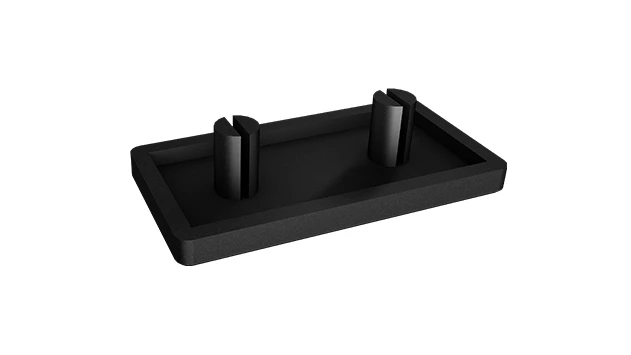
In the world of industrial manufacturing, workshop organization, and modular system design, few components have proven as versatile and transformative as aluminum extrusion profiles. These lightweight, durable, and highly customizable structures form the backbone of everything from assembly lines and workbenches to material racks and automated conveyors. Among the countless sizes and configurations available, the 2040 aluminum profile stands out as a workhorse—balancing strength, flexibility, and space efficiency to meet the demands of modern production environments. Yet, even the most robust aluminum extrusion profile is only as effective as the accessories that complete it. Enter the 2040 aluminum profile end cap: a small but critical component that often goes unnoticed, yet plays a pivotal role in safety, functionality, and aesthetics. In this guide, we'll dive deep into what 2040 aluminum profile end caps are, why they matter, and how they elevate the performance of aluminum profile systems across industries.
What Are 2040 Aluminum Profile End Caps?
At first glance, an end cap might seem like a simple afterthought—a plastic or nylon cover that snaps onto the open ends of an aluminum profile. But to dismiss it as "just a cover" is to overlook its multifaceted purpose. 2040 aluminum profile end caps are specifically designed to fit the exposed ends of 2040 aluminum extrusion profiles, which are defined by their cross-sectional dimensions of 20mm (width) x 40mm (height). These caps are engineered to seal off the hollow interior of the profile, creating a clean, finished look while addressing several practical challenges inherent in open-ended profiles.
Think of an aluminum profile as a building block: its T-slot design allows for easy attachment of brackets, panels, and other components, but its open ends can collect dust, debris, or moisture over time. Worse, those sharp, unfinished edges pose a safety risk to workers who might brush against them during daily operations. End caps solve both problems in one compact package. They act as a barrier against contaminants, preventing them from clogging the profile's internal channels (which could hinder future modifications or repairs), and they soften the profile's edges, reducing the risk of cuts or scrapes. In short, they're the finishing touch that turns a functional component into a polished, user-friendly system.
Why 2040 Aluminum Profiles Matter in Industrial Design
Before we delve further into end caps, it's worth understanding why the 2040 aluminum profile itself is so widely used. As part of the broader family of aluminum extrusion profiles, the 2040 size strikes a unique balance between structural support and space efficiency. Its 20mm x 40mm cross-section makes it ideal for applications where moderate load-bearing capacity is needed without sacrificing maneuverability or excessive space. This versatility has made it a staple in industries ranging from electronics manufacturing to automotive assembly, and even in hobbyist projects like 3D printer frames or custom workbenches.
Common uses for 2040 profiles include building modular workbenches (a critical tool in lean manufacturing setups), material racks (such as the popular "material rack b (3 row and 3 floor)" configuration), lightweight conveyor systems, and machine guards. Its T-slots—grooves running along its length—allow for quick and tool-free adjustments, letting teams reconfigure their setups as production needs change. This adaptability is why 2040 profiles are often described as the "Swiss Army knife" of aluminum extrusion: they're not the largest or strongest option, but they're the one you reach for when you need a reliable, flexible solution.

The Role of End Caps in Aluminum Profile Accessories
Aluminum profile systems are only as effective as the accessories that complement them. From brackets and connectors to hinges and casters, these components transform raw profiles into functional structures. Among these, end caps might seem, but their role is indispensable. As a key part of "aluminum profile accessories," they contribute to three core areas: safety, maintenance, and aesthetics.
Safety First: Softening Sharp Edges
In any workshop or factory, worker safety is paramount. Aluminum extrusion profiles, while durable, have sharp, unfinished edges at their open ends. These edges can easily catch on clothing, gloves, or skin, leading to lacerations or other injuries. End caps eliminate this hazard by covering these edges with a smooth, rounded surface. Even in high-traffic areas where profiles are frequently handled—such as during the assembly of a turnover trolley or the reconfiguration of a workbench—end caps provide peace of mind, ensuring that daily operations proceed without unnecessary risk.
Protection Against Contaminants
The hollow interior of aluminum profiles is both a strength and a potential weakness. While it reduces weight and allows for cable management (by routing wires through the profile), it also acts like a magnet for dust, dirt, and even small tools or debris. Over time, this buildup can corrode the profile from the inside, weaken its structural integrity, or make it harder to insert T-slot nuts or other fasteners when modifications are needed. End caps seal off these open ends, creating a barrier that keeps contaminants out. This is especially important in cleanroom environments or electronics manufacturing, where even a speck of dust can compromise product quality.
Aesthetics: From Functional to Professional
Industrial equipment doesn't have to be utilitarian to be effective. A well-organized, visually consistent workspace can boost morale, improve efficiency, and even leave a positive impression on clients or auditors. End caps play a subtle but significant role in this by giving aluminum profile systems a finished, professional look. Instead of exposed, rough-cut ends, the profiles appear intentional and well-crafted. Many end caps are available in neutral colors like black, white, or gray, which blend seamlessly with most workshop decors, or in custom colors to match company branding. This attention to detail might seem minor, but it reflects a commitment to quality that resonates throughout the workplace.

Materials and Design: What Makes a Quality 2040 End Cap?
Not all end caps are created equal. The best ones are designed to withstand the rigors of industrial use while maintaining their functionality and appearance. Most 2040 aluminum profile end caps are made from high-quality plastics or nylon, chosen for their durability, flexibility, and resistance to impact. Nylon, in particular, is a popular choice because it's lightweight, chemical-resistant, and has a slight give—meaning it can absorb minor impacts without cracking. Some end caps also feature reinforced edges or thicker walls for added strength, making them suitable for heavy-duty applications like material handling racks.
Design-wise, end caps are typically "snap-fit," meaning they require no tools to install. They're engineered with a slight interference fit, so they can be pressed onto the profile end by hand and stay securely in place. This simplicity is key: in fast-paced manufacturing environments, downtime for tool changes or complex installations is costly, so accessories that can be installed in seconds are highly valued. Some end caps also include small drainage holes, which are useful in environments where moisture might accumulate (such as outdoor or washdown areas), preventing water from pooling inside the profile.
Comparing End Caps Across Aluminum Profile Sizes
While this guide focuses on 2040 profiles, end caps are available for all standard aluminum profile sizes, from the compact 2020 to the heavy-duty 4080. Each size has its own end cap design, tailored to fit the profile's unique dimensions. To better understand how 2040 end caps stack up, let's compare them to end caps for other common profile sizes:
| Profile Size (mm) | End Cap Dimensions (approx.) | Primary Applications | Key Features |
|---|---|---|---|
| 2020 | 20mm x 20mm | Small frames, 3D printers, light-duty shelves | Compact, lightweight; often used in hobby projects |
| 2040 | 20mm x 40mm | Workbenches, material racks (e.g., material rack b), conveyors | Balances coverage and flexibility; fits most modular systems |
| 3030 | 30mm x 30mm | Medium-duty racks, machine guards, assembly stations | Thicker walls for added durability; common in industrial settings |
| 4040 | 40mm x 40mm | Heavy-duty workbenches, production lines, load-bearing structures | Larger surface area; often used with reinforced materials |
As the table shows, 2040 end caps are defined by their balance: they're not as small as 2020 end caps (which are often used in tight spaces) nor as large as 4040 end caps (which prioritize maximum coverage for heavy loads). Instead, they're designed for the mid-range applications where 2040 profiles excel—providing enough coverage to seal the profile and protect users without adding unnecessary bulk.
Real-World Applications: How 2040 End Caps Improve Daily Operations
To truly appreciate the value of 2040 end caps, let's look at how they perform in real-world scenarios. Take, for example, a electronics manufacturing facility that uses 2040 profiles to build workbenches for circuit board assembly. These workbenches are used around the clock, with operators leaning against the profile edges, placing tools on the surface, and moving components across the bench. Without end caps, the open profile ends would quickly accumulate solder flux, dust, and small screws, making cleanup difficult and potentially damaging the profile over time. With end caps, the workbench remains clean, and operators don't have to worry about snagging their gloves on sharp edges while handling delicate components.
Another example is a "material rack b (3 row and 3 floor)" setup, which is commonly used to store and organize production materials. These racks are often built with 2040 profiles for their balance of strength and weight, allowing them to hold boxes of parts without being too heavy to reposition. End caps on the rack's vertical and horizontal profiles prevent dust from settling inside the profiles, which is crucial for maintaining a clean storage environment. They also make the rack safer to move (if equipped with casters), as there are no sharp edges to catch on doorways or other equipment during relocation.
Choosing the Right End Cap Supplier
Not all end caps are created equal, so selecting a reputable supplier is key to ensuring quality and compatibility. When shopping for 2040 end caps, look for suppliers that specialize in aluminum profile accessories and can provide details about material composition (e.g., food-grade nylon for cleanrooms or UV-resistant plastic for outdoor use). A good supplier will also offer samples, allowing you to test the fit and durability before placing a large order. Additionally, consider suppliers that stock a range of colors, as matching end caps to your existing equipment can enhance workplace aesthetics and brand consistency.
Conclusion: The Small Accessory That Makes a Big Difference
In the grand scheme of industrial equipment and aluminum extrusion profile systems, 2040 aluminum profile end caps may seem like a minor detail. But as we've explored, their impact is anything but small. They enhance safety by softening sharp edges, protect profiles from contaminants that could compromise their longevity, and add a professional finish to modular setups. Whether you're building a workbench, organizing a material rack, or designing a custom conveyor system, end caps are an essential accessory that should never be overlooked.
As aluminum extrusion profiles continue to dominate modern manufacturing and workshop design, the demand for high-quality accessories like end caps will only grow. By understanding their role and investing in quality options, you can ensure that your aluminum profile systems are not just functional, but safe, durable, and built to last. After all, in industrial design, it's often the smallest components that hold the biggest systems together.