- Company Articles
- Products and Technology
- Product knowledge
- The Working Principle of 2040 Aluminum Profile End Caps

The Working Principle of 2040 Aluminum Profile End Caps
Related Product
2040 Aluminum Profile End Cap
The aluminum profile end cap adds a finishing touch to your project and closes off profile ends to limit dust and debris buildup, also it can avaid some scratch for material and labor during the assemble work.
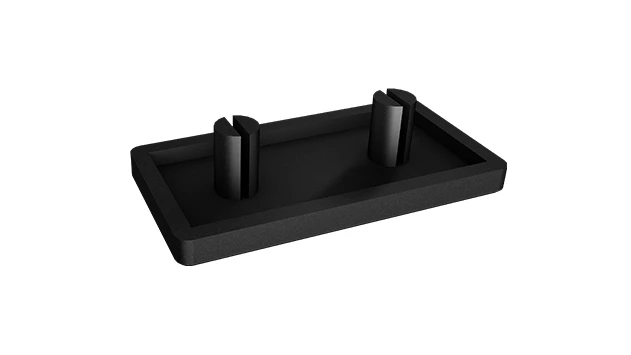
Walk into any modern manufacturing workshop, assembly line, or even a DIY garage, and you'll likely spot sleek, modular structures holding up workbenches, guiding conveyor belts, or framing equipment. Chances are, those structures are built from aluminum extrusion profiles—versatile, lightweight, and endlessly customizable building blocks that have revolutionized how we design and build everything from factory workstations to retail displays. But if you lean in closer, you might notice something small yet crucial at the ends of these profiles: tiny caps that seal off the open edges. These are aluminum profile end caps, and for anyone working with 2040 aluminum profiles (one of the most common sizes in industrial and commercial applications), the 2040 aluminum profile end cap is more than just a finishing touch. It's a silent workhorse that ensures safety, durability, and functionality in every project.
In this article, we'll dive deep into the world of 2040 aluminum profile end caps. We'll explore what they are, why they matter, and most importantly, how they work to protect both the profiles and the people using them. Whether you're a seasoned engineer, a small business owner setting up a production line, or a hobbyist building your first aluminum frame, understanding the working principle of these unassuming accessories will help you make smarter choices, avoid common pitfalls, and get the most out of your aluminum extrusion profile projects.
Aluminum Extrusion Profiles: The Backbone of Modern Design
Before we can appreciate the role of end caps, we need to start with the star of the show: the aluminum extrusion profile. Aluminum extrusion is a manufacturing process where raw aluminum is heated and forced through a die to create long, uniform shapes with consistent cross-sections. The result? Profiles that come in a variety of sizes, from tiny 10x10mm strips to massive beams, each designed to serve specific structural or functional needs.
What makes aluminum profiles so popular? For starters, aluminum is lightweight (about a third the weight of steel) but surprisingly strong, making it easy to handle and transport without sacrificing durability. It's also resistant to corrosion, thanks to a natural oxide layer that forms on its surface, and highly recyclable, aligning with modern sustainability goals. But perhaps the biggest advantage is its modularity. Most aluminum profiles feature T-slots—longitudinal grooves along their length—that allow accessories like brackets, connectors, and panels to be attached without drilling or welding. This means you can build, modify, and disassemble structures with minimal effort, saving time and money in the long run.
Among the thousands of profile sizes available, the 2040 aluminum profile stands out as a workhorse. As the name suggests, it measures 20mm in width and 40mm in height (though exact dimensions can vary slightly by manufacturer). Its balanced proportions make it ideal for medium-duty applications: not too flimsy for supporting tools or materials, but not overly bulky for projects where space is tight. You'll find 2040 profiles in everything from lean system workbenches and material racks to automated machinery frames and laboratory equipment. And like all aluminum extrusion profiles, the 2040 profile has one defining feature that makes it both versatile and, without the right accessories, a bit problematic: open ends.
The Problem with Open Ends: Why End Caps Matter
Imagine (oops, scratch that—let's consider ) a 2040 aluminum profile fresh off the extrusion line. Its cross-section is a 20x40mm rectangle, with T-slots running along its length, but its ends are completely open. At first glance, that might not seem like a big deal. After all, the profile's main job is to provide structure, right? But in reality, those open ends create a host of issues that can compromise safety, functionality, and even the lifespan of the profile itself.
Real-World Headache: The Sharp Edge Incident
A small electronics manufacturer in Ohio once set up a production line using 2040 profiles to build workstations for assembling circuit boards. They skipped end caps to save a few dollars, figuring the open ends were "out of the way." A month later, a technician reaching for a tool brushed against the end of an exposed profile and gashed their hand on the sharp, unfinished edge. The injury led to downtime, a workers' comp claim, and a costly rework of all workstations to add end caps. What seemed like a minor oversight ended up costing far more than the price of the caps themselves.
So, what exactly do open ends cause? Let's break it down:
- Safety Hazards: The cut edges of extruded aluminum are often sharp, with burrs or rough spots left from the manufacturing process. Even a light brush against an exposed end can cause cuts or scrapes—especially risky in high-traffic areas like assembly lines where workers move quickly.
- Debris and Contamination: Open ends act like tiny funnels, collecting dust, dirt, oil, and even small tools or (parts) that fall into them. Over time, this debris can clog T-slots, making it hard to attach accessories, or corrode the interior of the profile, weakening it from the inside.
- Moisture Damage: In humid environments or areas with spills (like food processing plants or car washes), water can seep into open profile ends. Aluminum resists corrosion well, but trapped moisture combined with debris can still lead to oxidation, especially in hard-to-clean crevices.
- Aesthetic and Acoustic Issues: Exposed ends look unfinished, giving even the most well-built structure a sloppy, unprofessional appearance. They can also rattle or vibrate against other components, creating unnecessary noise in quiet workspaces like labs or offices.
Enter the 2040 aluminum profile end cap: a simple, low-cost solution designed to address all these problems in one small package. But how exactly does this tiny accessory work? Let's start by understanding what it's made of and how it's designed.

2040 Aluminum Profile End Caps: Design and Components
At first glance, a 2040 end cap might look like a basic plastic or metal plug—and in some ways, that's exactly what it is. But don't let its simplicity fool you. Good end caps are engineered with precision to fit the unique dimensions of 2040 profiles, ensuring a snug, secure seal that solves all the issues we listed above. Let's break down the key components and design features that make them work.
1. The Body: Material and Durability
Most 2040 end caps are made from one of three materials: plastic (usually polypropylene or nylon), aluminum, or rubber. Each has its own pros and cons, but plastic is by far the most common, thanks to its low cost, light weight, and resistance to corrosion. Plastic end caps are also easy to mold into complex shapes, allowing manufacturers to add features like grip tabs for easy installation or textured surfaces for better handling.
Aluminum end caps, on the other hand, are often used in heavy-duty applications where extra strength is needed—for example, in profiles that might be bumped or hit frequently. They match the look of the aluminum profile perfectly, creating a seamless, high-end finish. Rubber end caps are less common but useful in environments where vibration dampening or extra grip is important, such as on the feet of workbenches or mobile trolleys.
2. The Insertion Lip: The Secret to a Tight Fit
The most critical part of any end cap is its insertion lip—the portion that actually fits inside the open end of the 2040 profile. This lip is precision-engineered to match the inner dimensions of the profile, with a slight taper or "draft" that allows it to slide in easily but resist popping out once installed. For 2040 profiles, which typically have an inner width of around 18mm (since the walls are about 1mm thick), the insertion lip will be just slightly smaller than 18mm, creating a friction fit that holds the cap in place without the need for adhesives or screws.
Some end caps take this a step further by adding small, flexible tabs or ribs along the insertion lip. These tabs compress slightly when the cap is inserted, increasing friction and creating an even tighter seal. In cases where extra security is needed (like on profiles that move or vibrate), you might find end caps with a small hole for a setscrew, which can be tightened into the profile's T-slot to lock the cap in place permanently.
3. The Outer Flange: Safety and Aesthetics
On the opposite end of the insertion lip is the outer flange—the part of the end cap that's visible once installed. This flange is slightly larger than the profile's outer dimensions (usually by 1-2mm on each side) to ensure it fully covers the cut edge of the profile. Not only does this hide the rough, unfinished end, but it also creates a smooth, rounded edge that eliminates the risk of cuts. Many flanges are also slightly domed or curved, which helps shed water and debris, preventing buildup on top of the cap.
4. Optional Seals: Extra Protection
Some premium 2040 end caps include a thin rubber or foam seal around the base of the flange. This seal compresses when the cap is installed, creating a watertight or dust-tight barrier that's especially useful in harsh environments like outdoor settings, chemical plants, or cleanrooms. While not all end caps need this feature, it's a valuable addition for applications where contamination is a concern.

How 2040 End Caps Work: The Core Principle
Now that we understand the design, let's get to the heart of the matter: how do these components work together to solve the problems of open aluminum profile ends? The working principle of a 2040 aluminum profile end cap can be summed up in one word: containment . By creating a physical barrier at the end of the profile, the cap contains or blocks the issues that open ends cause—sharp edges, debris, moisture, and noise—while adding minimal weight or cost.
1. Safety First: Eliminating Sharp Edges
The outer flange is the hero here. When the end cap is installed, the flange sits flush against the end of the profile, covering the sharp, cut edge completely. Instead of a jagged aluminum edge, workers and equipment interact with the smooth, rounded flange (usually made of plastic or rubber, which is softer than aluminum). This simple barrier dramatically reduces the risk of lacerations, even in high-traffic areas.
2. Blocking Debris and Moisture
The insertion lip, with its friction fit, acts like a plug in a bottle, preventing dust, dirt, and liquids from entering the profile's hollow interior. Without an end cap, gravity would pull debris into the open end, where it could accumulate and cause problems later. The end cap stops this at the source, keeping the inside of the profile clean and clear for years. In profiles used for cable management (where wires run through the hollow center), this is especially important—debris could damage wires or interfere with signal transmission.
3. Reducing Noise and Vibration
Ever noticed how a hollow tube makes more noise than a solid one when tapped? That's because the hollow interior amplifies vibrations. Open-ended aluminum profiles act the same way, turning small vibrations (from nearby machinery, footsteps, or even wind) into annoying rattles. The end cap, by sealing the end, dampens these vibrations by creating a closed cavity, which reduces resonance and noise. In quiet workspaces like offices or labs, this can make a noticeable difference in comfort.
4. Enhancing Aesthetics
While not a "functional" working principle in the mechanical sense, the end cap's role in improving appearance is worth mentioning. A project built with aluminum extrusion profiles is only as professional-looking as its details—and exposed ends stick out like a sore thumb. The end cap, with its clean flange and color-matched design (many are available in silver, black, or white to match common profile finishes), gives the structure a polished, intentional look that signals quality and attention to detail.
Installation: How to Put It All Together
The beauty of 2040 aluminum profile end caps lies not just in how they work, but in how easy they are to install. Unlike some aluminum profile accessories that require tools, specialized training, or even welding, end caps are designed for a "press-fit" installation—meaning you can pop them in by hand in seconds. Here's a step-by-step breakdown of the process:
- Prepare the Profile End: First, make sure the end of the 2040 profile is clean and free of burrs. If there are rough spots (common after cutting the profile to length), use a deburring tool or sandpaper to smooth them out. This ensures the end cap sits flush and reduces the risk of damaging the insertion lip during installation.
- Align the End Cap: Hold the end cap with the insertion lip facing the profile end. Check that the flange is oriented correctly—most end caps are symmetrical, but some have features (like grip tabs) that need to face a specific direction. Align the insertion lip with the opening of the profile, making sure it's centered.
- Press Firmly: Using your thumb or the palm of your hand, apply even pressure to the flange of the end cap. Push straight into the profile—avoid twisting, as this can bend the insertion lip. You'll feel a slight "pop" or resistance as the lip engages with the inner walls of the profile. Keep pressing until the flange is flush against the end of the profile.
- Test for Security: Give the end cap a gentle tug to ensure it's seated properly. It should not come loose with light pressure. If it does, check for debris in the profile or a damaged insertion lip—you may need to clean the profile or replace the cap.
For end caps with setscrews (used in high-vibration applications), there's an extra step: after pressing the cap in, use a small Allen wrench to tighten the setscrew into the profile's T-slot. This locks the cap in place permanently, preventing it from vibrating loose over time.
Pro Tip: The "Tap" Trick for Tight Fits
Occasionally, a new end cap might be slightly too tight (due to manufacturing tolerances) to press in by hand. Instead of forcing it (which can crack the cap), place a soft cloth over the flange and gently tap it with a rubber mallet. The cloth protects the flange from scratches, and the mallet provides even force to seat the cap without damage.
Types of 2040 Aluminum Profile End Caps: Choosing the Right One
Not all 2040 end caps are created equal. Depending on your project's needs—whether it's safety, aesthetics, environment, or budget—there are different types to choose from. Let's compare the most common variants to help you pick the right one.
| Type | Material | Key Features | Best For | Price Range |
|---|---|---|---|---|
| Standard Plastic End Cap | Polypropylene (PP) or Nylon | Smooth flange, friction-fit insertion lip, lightweight | General-purpose use (workbenches, frames, non-critical applications) | Low ($0.50–$1.50 per cap) |
| Aluminum End Cap | Anodized Aluminum | Matches profile finish, high strength, corrosion-resistant | Heavy-duty applications, outdoor use, high-end aesthetics | Medium ($2.00–$5.00 per cap) |
| Rubber-Sealed End Cap | Plastic with rubber O-ring | Watertight/dust-tight seal, vibration dampening | Cleanrooms, labs, outdoor settings, chemical environments | Medium-High ($1.50–$4.00 per cap) |
| ESD-Safe End Cap | Conductive plastic (carbon-filled) | Dissipates static electricity, prevents ESD damage | Electronics manufacturing, circuit board assembly | High ($3.00–$7.00 per cap) |
| Domed End Cap | Plastic or Aluminum | Rounded, convex flange; sheds water/debris | Outdoor use, applications with frequent cleaning | Medium ($1.00–$3.00 per cap) |
For most projects, standard plastic end caps will do the job. They're affordable, easy to install, and available in bulk. But if you're working in a specialized environment—like a cleanroom or electronics plant—investing in rubber-sealed or ESD-safe caps is worth the extra cost to protect your equipment and materials.
Beyond the Basics: End Caps in the Ecosystem of Aluminum Profile Accessories
2040 aluminum profile end caps don't work in isolation. They're part of a larger family of aluminum profile accessories that includes brackets, connectors, hinges, and yes, even aluminum profile rubber strips, which are used to seal gaps between profiles or add grip to surfaces. Together, these accessories turn raw aluminum extrusion profiles into fully functional systems.
For example, a typical lean system workstation might use 2040 profiles for the frame, aluminum profile rubber strips along the edges of work surfaces to prevent slipping, and end caps on all exposed profile ends to ensure safety. The end caps, in this case, are the final piece that ties the whole system together—ensuring that every part works in harmony to create a safe, efficient workspace.
This ecosystem approach is what makes aluminum extrusion profiles so powerful. You're not just buying a piece of metal; you're investing in a modular system where every accessory has a specific role. And while end caps might be one of the smallest accessories, they're also one of the most essential—proof that sometimes, the little things make the biggest difference.
Maintenance and Longevity: Keeping Your End Caps Working
Like any component, 2040 end caps require minimal maintenance to keep performing at their best. Here's how to ensure they last as long as your aluminum profile system:
- Clean Regularly: Wipe end caps with a damp cloth to remove dust and debris. For plastic caps, avoid harsh chemicals (like acetone) that can degrade the material—mild soap and water work best.
- Inspect for Wear: Check end caps periodically for cracks, loose fits, or damaged flanges. replace any that show signs of wear, as a damaged cap can't protect the profile effectively.
- replace When Necessary: End caps are inexpensive, so there's no need to repair a damaged one—just replace it. Most manufacturers sell them in packs of 10 or 100, making it easy to keep spares on hand.
With proper care, plastic end caps can last 5–10 years in indoor environments, while aluminum caps can last even longer—often the lifetime of the profile itself.
Conclusion: The Unsung Hero of Aluminum Profiles
The 2040 aluminum profile end cap may be small, but its impact is huge. By sealing open profile ends, it transforms raw aluminum extrusion profiles from functional but flawed building blocks into safe, durable, and professional systems. Its working principle—simple containment through a precision-fit design—solves critical problems like sharp edges, debris buildup, and noise, all while adding minimal cost or complexity.
Whether you're building a workbench in your garage, setting up a production line in a factory, or designing a custom display for a retail store, don't overlook the importance of end caps. They're a reminder that in engineering and design, the best solutions are often the simplest ones—and that attention to detail is what separates a good project from a great one.
So the next time you see a sleek aluminum structure, take a moment to appreciate the tiny caps at the ends. They might not get the spotlight, but they're working hard to keep everything safe, clean, and running smoothly. And isn't that what great engineering is all about?