- Company Articles
- Products and Technology
- Product knowledge
- Thin-Wall 1.0mm Stainless Steel Pipe: Lightweight Yet Strong

Thin-Wall 1.0mm Stainless Steel Pipe: Lightweight Yet Strong
Related Product
1.0mm Stainless Steel Pipe
Stainless steel pipe, lean pipe, diameter is 28mm, material is SS201 or SS304, SS201 is normally used in the market. It knows a KARAKURI, KAIZEN material for industrial plant to improve efficiency, save labor cost, standard management.
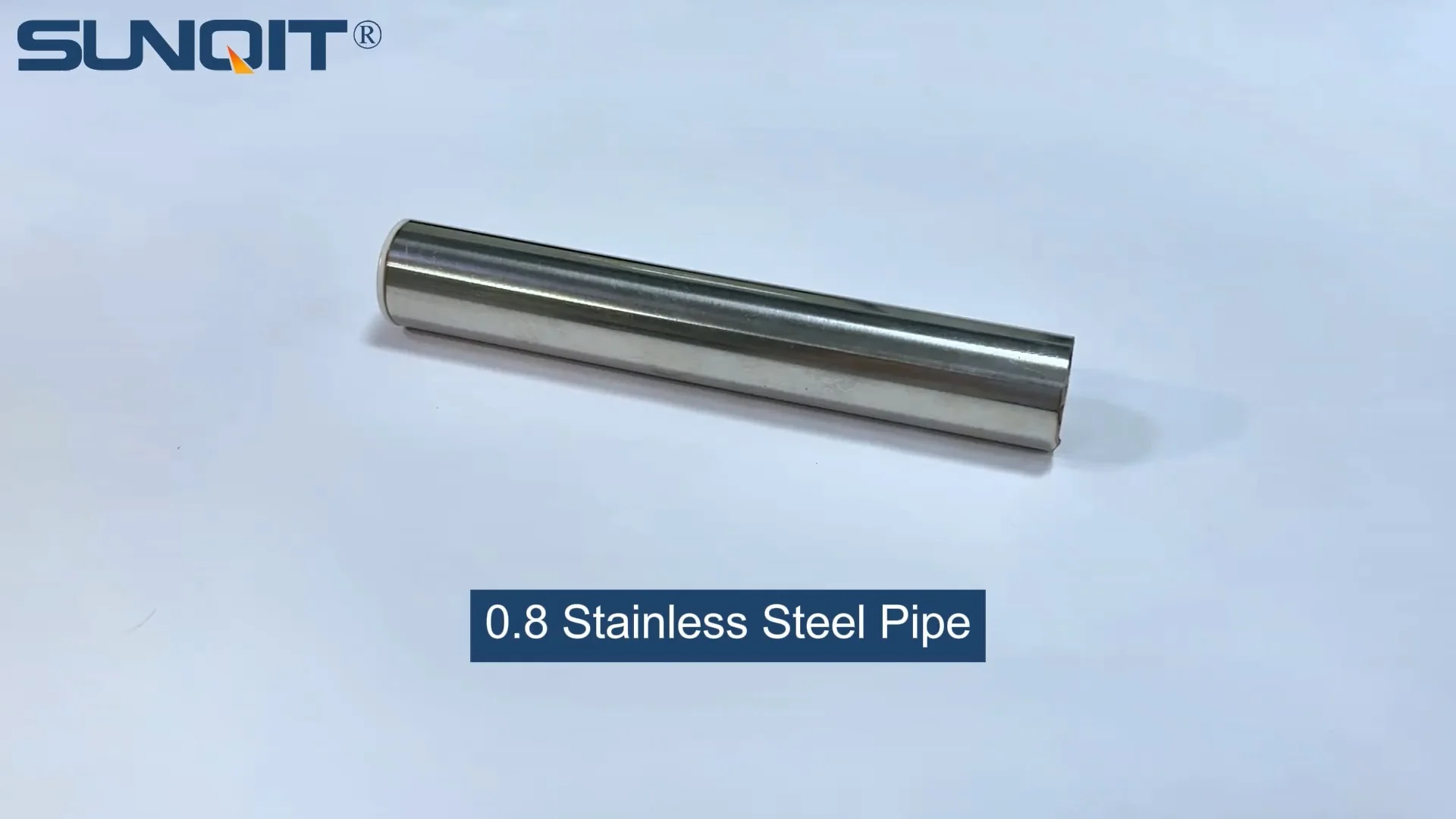
Walk into any modern factory, warehouse, or assembly line, and you'll notice a quiet revolution unfolding. The clunky, heavy equipment of yesteryear is making way for sleeker, more agile systems—ones that move with the rhythm of production, adapt to changing needs, and lighten the load for the workers who keep operations running. At the heart of this transformation lies a seemingly unassuming component: the thin-wall 1.0mm stainless steel pipe. It's not just a piece of metal; it's a bridge between strength and flexibility, a solution that answers the manufacturing world's cry for more with less .
For decades, manufacturers faced a frustrating trade-off: build with thick, sturdy materials that guaranteed durability but slowed down processes and strained workers, or opt for lighter options that sacrificed longevity. Then came the 1.0mm stainless steel pipe—a game-changer that flips this trade-off on its head. How does a pipe so thin hold up in high-pressure environments? How does its lightweight design translate to real-world efficiency? And why has it become a cornerstone of lean system setups worldwide? Let's dive in.
The Science Behind the 1.0mm Sweet Spot
Stainless steel has long been a staple in manufacturing for its corrosion resistance and strength, but traditional stainless steel pipes often erred on the side of thickness. A 2.0mm or 1.5mm pipe might feel "safe," but in reality, it's overkill for most applications—adding unnecessary weight and cost without proportional benefits. The 1.0mm thin-wall variant isn't just a scaled-down version; it's the result of precision engineering and material science working in harmony.
At its core, this pipe is crafted from high-grade stainless steel alloys, typically 304 or 316, known for their balance of tensile strength and ductility. The "thin-wall" designation refers to the wall thickness, not the overall diameter, which can range from 20mm to 50mm depending on the application. What makes 1.0mm special is its ability to strike a perfect equilibrium: thick enough to withstand the rigors of daily use—think constant loading, vibrations, and even minor impacts—yet thin enough to shave off precious kilograms from every meter of pipe used.
Manufacturing this pipe is no small feat. It requires advanced cold-drawing or roll-forming processes that compress the steel grains, enhancing its structural integrity without adding bulk. The result? A pipe that can handle tensile strengths of up to 600 MPa—strong enough to support heavy workbenches, conveyor systems, and material racks—while weighing up to 30% less than a 1.2mm stainless steel pipe of the same diameter. That difference might sound small, but multiply it across an entire production line, and you're looking at a significant reduction in strain on both equipment and employees.
Lightweight: The Unsung Hero of Workplace Efficiency
Let's talk about weight—specifically, how reducing it transforms day-to-day operations. Imagine pushing a turnover trolley loaded with components across a factory floor. If that trolley's frame is built with 1.5mm stainless steel pipes, it might weigh 25kg empty. Swap those pipes for 1.0mm versions, and suddenly the trolley weighs 18kg. That 7kg difference? It's the difference between a worker straining to maneuver it around corners and gliding through the space with ease. Over a full shift, that translates to less fatigue, fewer injuries, and more energy directed toward productive tasks.
But the benefits go beyond manual labor. Lightweight pipes make modular systems—like those used in lean system setups—far easier to reconfigure. In a traditional manufacturing environment, rearranging a workbench or adjusting a conveyor line might require a team of workers and heavy lifting equipment. With 1.0mm stainless steel pipes, a single operator can disassemble and reassemble a section of the line in minutes, adapting to new product runs or process changes on the fly. This agility is critical in today's fast-paced manufacturing landscape, where downtime equals lost revenue.
Transportation and installation also get a boost. Shipping bulk quantities of thinner pipes reduces fuel costs and carbon footprints, as more pipes fit into a single container. On-site, installing a flow rack or a workbench frame becomes a one-person job instead of a two-person chore, cutting down on installation time and labor expenses. Even something as simple as mounting the pipe to walls or ceilings is easier, as lighter loads mean less stress on fixtures and supports, reducing the risk of structural failure over time.

Strength That Doesn't Quit: Durability in the Trenches
Of course, lightweight design means nothing if the pipe can't stand up to real-world abuse. Let's put the 1.0mm stainless steel pipe to the test. Take a typical assembly line workbench: it's used 8 hours a day, 5 days a week, with tools, parts, and even the occasional operator leaning on it. A workbench frame built with 1.0mm pipes can easily support 200kg of evenly distributed weight—more than enough for most industrial applications. And because stainless steel is inherently corrosion-resistant, it holds up in environments with moisture, chemicals, or high humidity, unlike aluminum or plastic alternatives that might degrade over time.
Consider a food processing plant, where sanitation is non-negotiable. Traditional steel pipes might rust if not constantly treated, but 1.0mm stainless steel pipes? They're impervious to rust and easy to clean, making them ideal for areas where hygiene standards are strict. Similarly, in automotive manufacturing, where oil, grease, and metal shavings are part of the daily grind, these pipes resist corrosion and maintain their structural integrity, ensuring that roller track systems and material racks don't fail mid-production.
Another test: impact resistance. drop a 5kg tool from waist height onto a 1.0mm stainless steel pipe frame. Chances are, the pipe might dent slightly, but it won't crack or bend permanently. That's thanks to the pipe's ductility—the ability to absorb energy without breaking. Compare that to a thin aluminum pipe, which might buckle under the same impact, or a plastic pipe, which could shatter. In high-traffic areas where accidents happen, this resilience is priceless.

Integrating with Lean Systems: A Match Made in Manufacturing Heaven
Lean manufacturing isn't just a buzzword; it's a philosophy centered on minimizing waste and maximizing value. And the 1.0mm stainless steel pipe? It's a lean manufacturer's dream come true. Let's break down why:
Waste Reduction: Traditional thick pipes often lead to over-engineering—using more material than necessary to "play it safe." The 1.0mm pipe eliminates this waste by providing exactly the strength needed without excess bulk. This reduces material costs and cuts down on scrap, aligning with lean's "just-in-time" ethos.
Flexibility: Lean systems thrive on adaptability. A production line that can reconfigure quickly to meet changing demand reduces lead times and improves responsiveness. With lightweight 1.0mm pipes, workers can modify workbench heights, adjust conveyor angles, or reposition material racks in minutes, not hours. No more waiting for maintenance crews or specialized tools—just quick, efficient changes that keep production flowing.
Ergonomics: Lean isn't just about machines; it's about people. Heavy equipment leads to worker fatigue, which in turn leads to slower production and more errors. By reducing the weight of tools, trolleys, and workstations, 1.0mm stainless steel pipes make jobs easier and safer. Happy, healthy workers are more productive workers—and that's a win for any lean operation.
Comparing the Competition: Why 1.0mm Stainless Steel Beats Alternatives
To truly appreciate the 1.0mm stainless steel pipe, let's stack it against common alternatives. Below is a comparison table highlighting key factors like weight, strength, cost, and best-use scenarios:
| Material | Weight (kg/m, 30mm diameter) | Tensile Strength (MPa) | Corrosion Resistance | Cost (Relative) | Best For |
|---|---|---|---|---|---|
| 1.0mm Stainless Steel Pipe | 0.7 | 550-600 | Excellent | Moderate | Lean systems, workbenches, food/pharmaceutical environments |
| 1.2mm Stainless Steel Pipe | 0.9 | 550-600 | Excellent | High | Heavy-duty applications with extreme load requirements |
| Aluminum Lean Pipe (1.5mm wall) | 0.5 | 200-300 | Good | High | Light-duty setups with minimal corrosion risk |
| Plastic-Coated Lean Pipe (1.0mm steel core) | 0.8 | 400-450 | Good (coating-dependent) | Low | Low-cost, temporary setups; not ideal for heavy loads |
As the table shows, 1.0mm stainless steel pipe offers the best balance of weight, strength, and corrosion resistance. Aluminum might be lighter, but it's significantly weaker—making it unsuitable for heavy workbenches or roller track systems. Plastic-coated pipes are cheaper, but their steel cores are often lower-grade, and the coating can chip or peel over time, exposing the metal to rust. Thicker stainless steel pipes? They're strong, but their added weight and cost make them overkill for most applications.
Take the example of a flow rack used to store and transport automotive parts. A flow rack built with 1.0mm stainless steel pipes can hold hundreds of kilograms of parts while remaining lightweight enough to reposition if needed. An aluminum rack might save a little more weight but could sag under the load, leading to jams in the roller track. A plastic-coated rack might start to show signs of wear after a few months, requiring costly replacements. The 1.0mm stainless steel rack? It's built to last, with minimal maintenance and maximum efficiency.
Accessories and Compatibility: Building a Complete Solution
A pipe is only as good as the components it connects to, and the 1.0mm stainless steel pipe plays well with a wide range of accessories, making it easy to build custom solutions. Let's explore some key pairings:
Lean Pipe Joints: These connectors are the glue that holds modular systems together. Made from zinc-plated steel or stainless steel, they attach to the 1.0mm pipes with set screws, allowing for quick assembly and disassembly. Whether you need a 90° elbow, a T-joint, or a swivel connector, there's a joint designed to work seamlessly with thin-wall stainless steel pipes.
Caster Wheels: Add a set of heavy-duty caster wheels to a pipe frame, and you've got a mobile workstation or turnover trolley. The lightweight pipe means the trolley is easy to push, even when loaded, while the stainless steel frame ensures durability. Look for casters with brake mechanisms for added safety in busy areas.
Roller Tracks: When paired with roller tracks, 1.0mm stainless steel pipes create efficient material flow systems. The pipes form the frame, while the rollers allow parts to glide smoothly from one workstation to the next—perfect for assembly lines or order-picking stations in warehouses.
Workbench Tops: Combine a 1.0mm pipe frame with a plywood, metal, or phenolic resin top, and you've got a sturdy, lightweight workbench. Add accessories like tool hooks, shelves, or LED lights, and it becomes a fully functional workstation tailored to specific tasks.
The beauty of these accessories is that they're standardized, meaning you don't need custom parts to build what you need. A reputable supplier will offer a full stainless steel pipe series along with compatible joints, casters, and tracks, ensuring that every component works together flawlessly.
Choosing the Right Supplier: Quality Matters
Not all 1.0mm stainless steel pipes are created equal. To get the most out of this material, you need a supplier who prioritizes quality, consistency, and customer support. Here's what to look for:
Material Certification: Ensure the supplier provides certificates of compliance (e.g., ISO 9001) and material test reports (MTRs) that verify the pipe's alloy composition, tensile strength, and corrosion resistance. This is especially important in regulated industries like aerospace or pharmaceuticals.
Precision Manufacturing: Look for suppliers who use advanced production techniques to ensure uniform wall thickness and straightness. A pipe with inconsistent thickness might weaken under load, while a bent pipe can throw off the alignment of modular systems.
Range of Products: The best suppliers offer not just pipes, but a full suite of accessories—joints, casters, roller tracks, and more. This one-stop-shop approach saves time and ensures compatibility between components.
Customization Options: While standard sizes work for most applications, sometimes you need a custom length or diameter. A good supplier will accommodate custom orders without excessive lead times or costs.
Technical Support: Whether you're designing a simple workbench or a complex conveyor system, having access to engineering support can make all the difference. Look for suppliers who offer design assistance, CAD drawings, or installation guides to help you get the most out of your 1.0mm stainless steel pipes.
Real-World Success Stories: From Factory Floors to Bottom Lines
Don't just take our word for it—let's look at how companies are using 1.0mm stainless steel pipes to transform their operations:
Automotive Assembly Plant: A major car manufacturer replaced its 1.5mm steel pipe workbenches with 1.0mm stainless steel versions. The result? A 25% reduction in workstation weight, making it easier for workers to adjust heights and reposition benches. Assembly line changeover times dropped by 40%, and worker fatigue complaints decreased significantly.
Pharmaceutical Warehouse: A pharmaceutical company needed corrosion-resistant material racks for storing sensitive medications. They opted for 1.0mm stainless steel pipe racks with roller tracks. The racks are lightweight enough to move during deep cleaning but strong enough to hold 50kg per shelf. Plus, their smooth surfaces are easy to sanitize, meeting strict FDA guidelines.
Electronics Manufacturer: An electronics firm switched to 1.0mm stainless steel pipes for its lean system setups. The lightweight frames allow for quick reconfiguration of production lines when launching new products, reducing time-to-market by 30%. The pipes also resist static electricity, protecting sensitive components—a bonus in electronics manufacturing.
The Future of Manufacturing: Lightweight, Strong, and Sustainable
As manufacturing continues to evolve, the demand for materials that offer strength, flexibility, and sustainability will only grow. The 1.0mm stainless steel pipe checks all three boxes. Its lightweight design reduces energy consumption during transportation and use, while its durability means fewer replacements, lowering waste. And because stainless steel is 100% recyclable, it aligns with the global push toward more sustainable manufacturing practices.
Looking ahead, we can expect to see even more innovations in thin-wall stainless steel technology. Advances in alloy development might lead to pipes with even higher strength-to-weight ratios, while improvements in manufacturing processes could reduce costs further. We might also see integration with smart technologies—sensors embedded in pipes to monitor load levels or detect wear, for example—making predictive maintenance a reality.
Conclusion: More Than a Pipe—A Catalyst for Change
The thin-wall 1.0mm stainless steel pipe is more than just a component; it's a catalyst for change in the manufacturing world. It's proof that you don't have to choose between strength and lightweight design—that with the right engineering, you can have both. Whether you're building a workbench , a conveyor system, or a full lean manufacturing setup, this pipe offers the efficiency, durability, and flexibility needed to thrive in today's fast-paced environment.
So, the next time you walk through a factory or warehouse, take a closer look at the structures around you. Chances are, you'll spot 1.0mm stainless steel pipes hard at work—supporting, connecting, and moving the world of manufacturing forward. And as more companies discover its benefits, there's no doubt that this unassuming pipe will continue to redefine what's possible in the pursuit of lean, efficient, and human-centered production.
In the end, it's simple: when you reduce weight without sacrificing strength, you don't just build better systems—you build better workplaces. And that's a win for manufacturers, workers, and the planet alike.