- Company Articles
- Products and Technology
- Product knowledge
- Three Way Aluminum Pipe Joints: A Key Component in Lean Material Flow Systems

Three Way Aluminum Pipe Joints: A Key Component in Lean Material Flow Systems
Related Product
Three Way Aluminum Pipe Joint
Aluminum 3 way pipe joint for 28mm aluminum pipe connection in 3 direction.
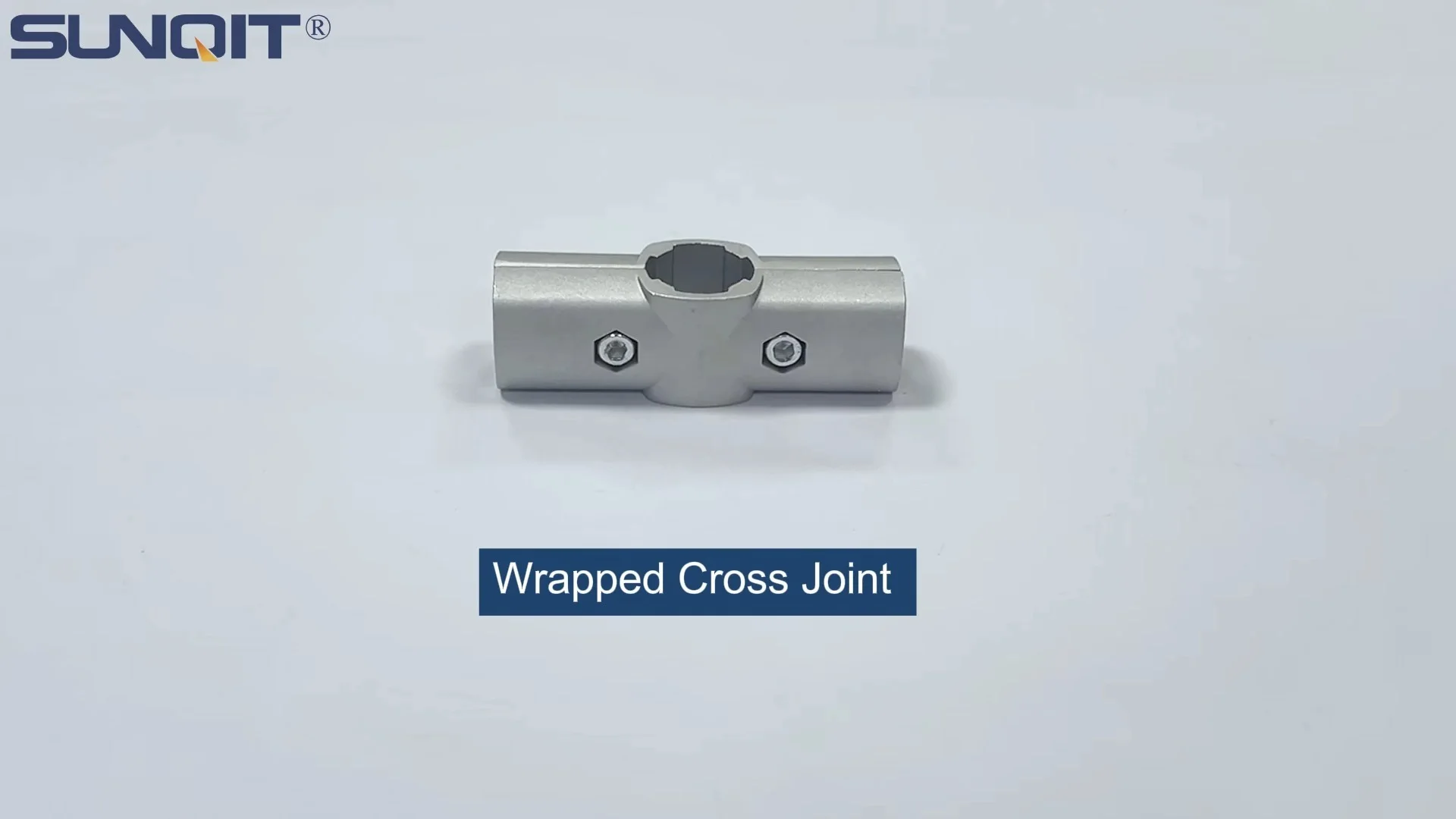
Three Way Aluminum Pipe Joints: A Key Component in Lean Material Flow Systems
In the fast-paced world of manufacturing, where every second counts and waste is the enemy, lean material flow systems stand as the backbone of efficient production. These systems are the silent conductors orchestrating the movement of parts, tools, and products—ensuring they arrive exactly when and where they're needed, without delays, bottlenecks, or excess inventory. At the heart of these systems lies a network of modular components, each playing a critical role in building adaptable, scalable, and waste-free workflows. Among these components, one unsung hero often goes unnoticed: the three way aluminum pipe joint . Small in size but mighty in impact, this unassuming connector is the glue that holds lean material flow systems together, enabling the flexibility and resilience modern factories rely on.
Whether you're setting up a new production line, reconfiguring a workbench, or building a custom roller track for material handling, three way aluminum pipe joints quietly deliver the adaptability that makes lean manufacturing possible. In this article, we'll dive deep into why these joints are more than just "parts"—they're the enablers of smarter, more efficient, and more responsive manufacturing. We'll explore their design, their role in lean system integration, and how they work hand-in-hand with components like aluminum profile , roller track , and workbenches to transform factory floors into hubs of productivity.
Understanding Lean Material Flow: Why Modularity Matters
Before we zoom in on three way aluminum pipe joints, let's first ground ourselves in what lean material flow really means. At its core, lean material flow is about creating a seamless, predictable, and waste-free movement of materials throughout the production process. It's the opposite of the "push" systems of the past, where materials were stockpiled "just in case," leading to excess inventory, cluttered floors, and longer lead times. Instead, lean flow is a "pull" system: materials move only when the next step in production demands them, minimizing storage costs, reducing handling time, and cutting down on errors.
But here's the catch: to achieve this level of precision, manufacturing systems can't be rigid. Factories today face constant change—new product lines, shifting demand, updated safety standards, or even sudden disruptions like supply chain delays. A static production line built with fixed, welded steel structures can't adapt to these changes without costly overhauls. This is where modularity comes in. Modular systems are built from interchangeable components that can be easily assembled, disassembled, and reconfigured—no welding, no custom fabrication, no downtime. They're like the Lego sets of manufacturing: same basic pieces, endless possibilities.
Modular components include aluminum pipes, profiles, roller tracks, workbenches, and trolleys—but none of these would work without the connectors that hold them together. Joints are the critical interface between components, determining how easily a system can be adjusted, how much weight it can bear, and how long it will last. And among all joint types, three way aluminum pipe joints are uniquely positioned to enable the multi-directional, 3D structures that make modular systems so versatile.
Three Way Aluminum Pipe Joints: What Are They, and How Do They Work?
Breaking Down the Basics
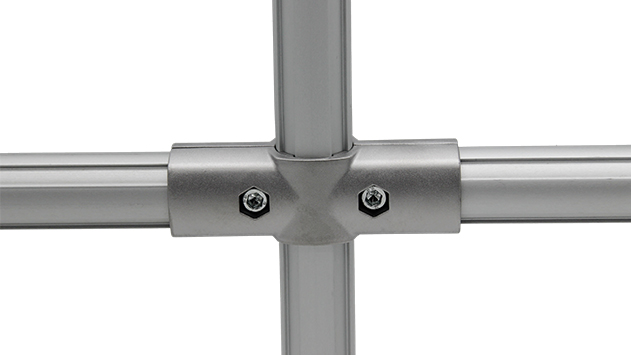
At its simplest, a three way aluminum pipe joint is a connector designed to join three aluminum pipes (or profiles) at a single point, allowing for connections in multiple directions—typically along the x, y, and z axes. Unlike fixed 90-degree or 45-degree joints, which lock pipes into a specific angle, many three way joints offer rotational flexibility, letting users adjust the angle of each connected pipe to suit their needs. This flexibility is game-changing: it means you can build structures that aren't just square or straight, but curved, angled, or tiered—perfect for fitting into tight spaces or optimizing workflow paths.
Most three way aluminum pipe joints are made from high-grade aluminum alloy, chosen for its winning combination of strength, light weight, and corrosion resistance. Aluminum is lighter than steel, making the joints (and the structures they build) easier to handle during assembly and reconfiguration. It's also naturally resistant to rust, which is critical in factory environments where moisture, oils, or chemicals might be present. Some joints are even anodized—a surface treatment that adds a protective layer, durability and giving them a sleek, professional finish.
Design That Delivers: Key Features of Three Way Aluminum Pipe Joints
What sets three way aluminum pipe joints apart from other connectors? Let's break down their most important features:
- Multi-directional connectivity: As the name suggests, these joints connect three pipes, but not just in a straight line. Depending on the design, they can join pipes at 90-degree angles (forming a T-shape or cross), or allow for 360-degree rotation around one or more axes. This means you can build vertical supports, horizontal shelves, and diagonal braces—all from the same joint.
- Tool-less assembly: Most three way aluminum pipe joints use a friction-fit or clamping mechanism, meaning you can assemble them by hand or with basic tools like hex keys—no welding, drilling, or specialized equipment required. This cuts down setup time from hours to minutes, a critical factor in lean systems where quick reconfiguration is key.
- Load-bearing capacity: Don't let their small size fool you—these joints are built to handle heavy loads. High-quality three way aluminum joints can support anywhere from 50kg to 200kg per connection, depending on the pipe diameter and material thickness. This makes them suitable for everything from lightweight tool racks to heavy-duty workbenches.
- Compatibility: Three way joints are designed to work with standard aluminum pipe sizes (often 28mm, 30mm, or 40mm diameters) and aluminum profile systems, ensuring they integrate seamlessly with other modular components. This compatibility means you can mix and match parts from different suppliers (or even repurpose old components) without worrying about fit issues.
- Reusability: Unlike welded joints, which are permanent, three way aluminum joints can be disassembled and reused repeatedly. If a production line is retired or reconfigured, the joints can be stripped down, cleaned, and used to build something new—reducing waste and lowering long-term costs.

Why Aluminum? The Material Advantage in Lean Systems
You might be wondering: why aluminum, and not steel, plastic, or another material? The answer lies in how aluminum's properties align with the goals of lean manufacturing. Let's compare aluminum to other common joint materials to see why it's the top choice:
| Material | Weight | Strength | Corrosion Resistance | Cost (Long-Term) | Best For |
|---|---|---|---|---|---|
| Aluminum | Light (1/3 the weight of steel) | High strength-to-weight ratio | Excellent (naturally rust-resistant) | Moderate upfront, low long-term (reusable, low maintenance) | Modular systems, frequent reconfiguration, clean environments |
| Steel | Heavy | Very high strength | Poor (requires painting/coating to prevent rust) | Low upfront, high long-term (maintenance, replacement costs) | Fixed, heavy-load structures (rarely reconfigured) |
| Plastic | Lightest | Low (not suitable for heavy loads) | Good (resistant to chemicals) | Low upfront, high long-term (prone to wear, breakage) | Light-duty applications (e.g., small shelving, non-industrial use) |
For lean systems, aluminum's light weight is a huge advantage. When workers need to reconfigure a workbench or adjust a roller track, they don't want to wrestle with heavy steel joints—aluminum makes these tasks faster and safer. Its corrosion resistance also means less maintenance: no repainting, no rust removal, and a longer lifespan, which reduces waste from frequent replacements. And while aluminum joints might cost a bit more upfront than plastic, their durability and reusability make them cheaper in the long run—a classic lean win, where investing in quality upfront saves money (and waste) later.

Real-World Applications: How Three Way Joints Power Lean Systems
Three way aluminum pipe joints aren't just theoretical—they're hard at work on factory floors around the world, enabling everything from simple workbenches to complex material handling systems. Let's look at some of their most common applications:
1. Workbenches: The Foundation of Efficient Workstations
Workbenches are the command centers of manufacturing—where assembly, inspection, and testing happen. In lean systems, workbenches need to be customizable: adjustable heights, integrated tool storage, and space for roller track to feed parts directly to the operator. Three way aluminum pipe joints make this customization possible. For example, a basic workbench frame might use three way joints to connect vertical support pipes, horizontal crossbars, and overhead shelving—all in one go. If an operator needs a side shelf for tools, you can simply add a third pipe to the joint, no extra brackets needed. If the workbench needs to be taller, loosen the joints, adjust the vertical pipes, and retighten. It's that easy.
One manufacturer we worked with recently used three way joints to build adjustable workbenches for their electronics assembly line. When they launched a new product with larger components, they reconfigured the same workbenches in under an hour by adjusting the height and adding side extensions—saving the cost of buying new workbenches and avoiding downtime.
2. Roller Tracks: Smooth Material Flow, No Bottlenecks
Roller tracks are essential for moving materials between workstations—think of them as the highways of the factory floor. Whether it's sliding bins of parts from one station to the next or feeding finished products to packaging, roller tracks need to be precisely angled to ensure smooth, gravity-driven flow. Three way aluminum pipe joints excel here because they allow for easy adjustment of track angles and the creation of multi-tiered or branching tracks. For example, a single main track can split into two using three way joints, directing materials to two different workstations without manual handling. The joints' rotational flexibility means you can fine-tune the angle of each branch to match the weight of the materials—steeper for heavier bins, gentler for lighter parts.
3. Material Racks and Trolleys: Adaptable Storage for Changing Needs
Storage is a common source of waste in manufacturing—either too much (cluttering the floor) or too little (delaying production). Modular material racks, built with three way aluminum pipe joints, solve this by growing or shrinking with your inventory. Need more shelf space? Add a third vertical pipe to a joint and attach a new shelf. Need to move racks to a new location? Disassemble the joints, load the pipes onto a trolley (also built with three way joints!), and reassemble in minutes. Trolleys themselves benefit from three way joints too: they can be built with adjustable handles, foldable sides, or custom compartments—all thanks to the joints' ability to connect pipes in multiple directions.
Three Way Joints and the Lean Journey: Beyond the Factory Floor
The impact of three way aluminum pipe joints extends far beyond the physical structures they build—they support the entire lean mindset of continuous improvement. In lean manufacturing, the goal isn't just to "set and forget" a production line; it's to constantly analyze, adjust, and optimize. Three way joints make this iteration possible without the fear of high costs or downtime. They turn "what if" into "let's try," empowering teams to experiment with new layouts, test new workflows, and adapt to feedback—all while keeping production running.
Consider a scenario where a team notices parts are piling up at a workstation, causing delays. With a modular system built on three way joints, they can quickly reconfigure the roller track to redirect parts to a nearby station, or add a temporary workbench to split the task—all in the time it would take to order a custom bracket for a fixed system. This ability to iterate in real time is why lean experts often call modular components "enablers of kaizen" (the Japanese term for continuous improvement).
Moreover, three way aluminum pipe joints support sustainability—a key pillar of modern lean manufacturing. By enabling reusability, they reduce the need for new materials, cutting down on waste and lowering the carbon footprint of production. Aluminum itself is highly recyclable, so even if a joint eventually wears out (which takes years, thanks to its durability), it can be melted down and repurposed—no landfill waste.
Choosing the Right Three Way Aluminum Pipe Joint: What to Look For
Not all three way aluminum pipe joints are created equal. To ensure you're getting a joint that will support your lean system for years to come, keep these factors in mind:
- Load capacity: Check the manufacturer's specs for maximum load per joint. If you're building a heavy-duty workbench or rack, opt for joints rated for higher weights (150kg+).
- Flexibility: Do you need fixed angles or rotational adjustment? Some joints lock into place, while others allow 360-degree rotation. Choose based on how often you'll reconfigure the structure.
- Compatibility: Ensure the joint fits your existing aluminum pipes or profiles. Most joints are designed for standard diameters (28mm, 30mm, etc.), but double-check before buying.
- Quality of materials: Look for joints made from high-grade aluminum alloy (e.g., 6061 or 6063) and check for anodization or other protective coatings to prevent corrosion.
- Ease of use: Test how easy the joint is to assemble and disassemble. Look for features like ergonomic tightening knobs or quick-release levers to save time during reconfiguration.
When in doubt, ask for samples! Many suppliers will send a few joints for testing, allowing you to see how they fit with your pipes, how much weight they can hold, and how easy they are to work with.
Conclusion: The Small Component That Drives Big Results
Three way aluminum pipe joints may not be the most glamorous part of a lean material flow system, but they are undeniably essential. They are the connectors that turn individual pipes and profiles into adaptable, efficient, and waste-free systems. They empower manufacturers to build, reconfigure, and improve their production lines without the cost, time, or waste of fixed structures. They support the lean principles of continuous improvement, sustainability, and customer value—one joint at a time.
As manufacturing continues to evolve, with shorter product lifecycles and higher demand for customization, the need for modular, adaptable systems will only grow. Three way aluminum pipe joints will be there, quietly enabling the factories of the future—factories that are not just efficient, but resilient, innovative, and ready for whatever comes next.
So the next time you walk through a factory, take a closer look at the workbenches, the roller tracks, the material racks. Chances are, you'll spot the three way aluminum pipe joints holding them together—small in size, but mighty in the role they play in keeping lean manufacturing alive and thriving.