- Company Articles
- Products and Technology
- Product knowledge
- Three Way Aluminum Pipe Joints for High-Volume Production: Durability Under Pressure

Three Way Aluminum Pipe Joints for High-Volume Production: Durability Under Pressure
Related Product
Three Way Aluminum Pipe Joint
Aluminum 3 way pipe joint for 28mm aluminum pipe connection in 3 direction.
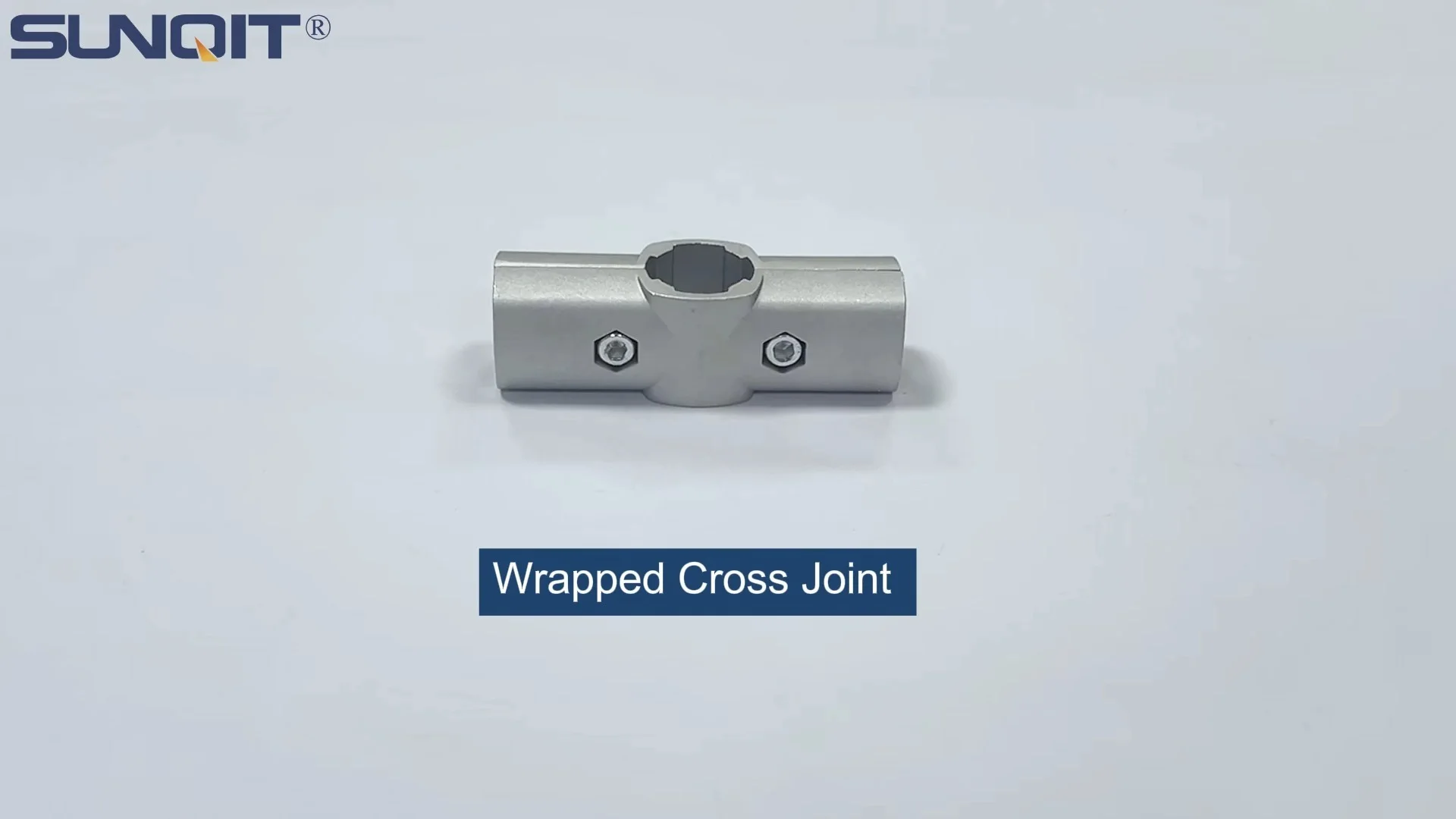
Walk into any high-volume production facility—whether it's an automotive plant churning out hundreds of cars daily, a electronics factory assembling smartphones by the thousands, or a food packaging warehouse moving pallets around the clock—and you'll notice a common theme: constant stress . Machinery hums nonstop, workers and robots move with precision, and every piece of equipment, from conveyor belts to workbenches, is pushed to perform day in and day out. In this chaos, there's an unsung hero holding everything together: the three way aluminum pipe joint. These small, unassuming connectors are the backbone of the flexible, durable structures that make lean manufacturing possible. Today, we're diving deep into why three way aluminum pipe joints are irreplaceable in high-pressure production environments, how their design and material make them stand up to the test, and why they're a cornerstone of modern lean systems.
What Are Three Way Aluminum Pipe Joints, and Why Do They Matter?
Let's start with the basics: A three way aluminum pipe joint is exactly what it sounds like—a connector designed to join three aluminum pipes at once, forming stable, multi-directional structures. Think of them as the "elbows" and "T-joints" of the industrial world, but engineered for the unique demands of production floors. Unlike generic plastic or steel connectors, these joints are precision-crafted to work seamlessly with aluminum profiles—hollow, extruded aluminum tubes that come in standard sizes (like 2020, 3030, or 4040 aluminum profiles) and form the building blocks of everything from workbenches to material racks.
But why does this matter in high-volume production? Lean manufacturing, the philosophy that drives efficiency in modern factories, relies on two key principles: flexibility and durability . You need structures that can be reconfigured quickly as production needs change (think: adjusting a workbench height for a new product line) but also strong enough to withstand years of heavy use. Three way aluminum pipe joints deliver on both. They're easy to assemble and disassemble (no welding or specialized tools required), and they're built to last—even when supporting heavy loads, enduring vibrations, or facing exposure to oils, coolants, and humidity.
Aluminum Profile: The Secret to Their Strength
To understand why three way aluminum pipe joints are so durable, we first need to talk about their partner in crime: the aluminum extrusion profile. Aluminum has long been a favorite in manufacturing for its unique blend of properties, and when extruded into precise profiles, it becomes even more powerful. Extrusion is a process where aluminum is forced through a die, creating consistent, complex shapes with built-in features like T-slots—those handy grooves along the length of the profile that let you attach accessories (like brackets, shelves, or, yes, three way joints) without drilling or cutting.
Aluminum extrusion profiles offer three critical advantages for high-volume production:
- Strength-to-weight ratio: Aluminum is about 1/3 the weight of steel but offers comparable strength for most industrial applications. This means structures built with aluminum profiles and three way joints are lightweight enough to move or reconfigure easily (a boon for lean flexibility) but strong enough to support heavy equipment, tools, or materials.
- Corrosion resistance: Unlike steel, which rusts without protective coatings, aluminum naturally forms a thin oxide layer that shields it from corrosion. In factories where liquids (like machine coolants or cleaning agents) are common, this is a game-changer—no more rusted joints weakening your workbench after a few months.
- Consistency: Extruded aluminum profiles are made to tight tolerances, ensuring every piece fits perfectly with three way joints. This precision eliminates "play" in the structure (that annoying wobble you get with ill-fitting parts) and distributes weight evenly across the joint, reducing stress points.
When you pair these profiles with a well-designed three way aluminum pipe joint, the result is a structure that's not just strong, but smartly strong —able to handle the daily grind of high-volume production without sacrificing flexibility.
Design Features That Make Three Way Aluminum Pipe Joints Durable Under Pressure
It's not just the aluminum material that makes these joints tough—it's how they're designed. Let's break down the key features that allow three way aluminum pipe joints to thrive under pressure:
Load Distribution: Spreading Stress, Not Collecting It
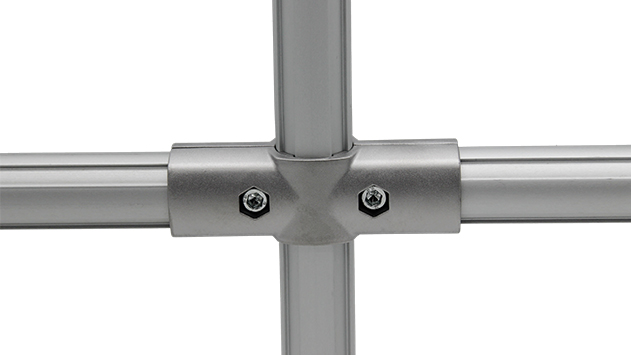
Imagine stacking 50kg of parts on a shelf built with flimsy plastic joints. The weight would (concentrate) at the connection points, causing the joints to warp or crack over time. Three way aluminum pipe joints solve this with radial load distribution . Their internal geometry is engineered to spread weight evenly across all three connected pipes, rather than focusing it on a single point. For example, a well-designed joint might have a triangular internal rib structure that acts like a truss, transferring stress from the vertical pipe to the two horizontal pipes (and vice versa). This design mimics how bridges distribute weight, ensuring no single part of the joint bears the brunt of the load.
Tight Tolerances: No Wobble, No Weakness
In high-volume production, even small amounts of movement can add up to big problems. A workbench that wobbles by 2mm every time a worker sets down a tool might not seem like much, but over months of use, that movement wears down the joint's connection, leading to looseness and, eventually, failure. Three way aluminum pipe joints avoid this by mating perfectly with aluminum profiles. Most joints use a combination of set screws and friction fit: the joint slides over the end of the aluminum profile, and a set screw (or two) tightens into the T-slot of the profile, creating a secure, vibration-resistant connection. Reputable manufacturers (like the lean pipe suppliers and aluminum profile suppliers mentioned in industry circles) machine these joints to tolerances of ±0.1mm, ensuring a snug fit that stays tight even after thousands of cycles of loading and unloading.
Material Thickness: Built for the Long Haul
Not all aluminum joints are created equal. Cheaper, low-quality joints might use thin-walled aluminum or recycled scrap, which bends or cracks under stress. High-performance three way aluminum pipe joints, however, are made from high-grade aluminum alloys (often 6061-T6, a common aerospace-grade alloy) with wall thicknesses of 2-3mm or more. This extra material adds strength without adding excessive weight. For example, a 4040 aluminum profile paired with a 3mm-thick three way joint can support static loads of up to 500kg—more than enough for a workbench loaded with tools, parts, and even a worker leaning on it.

Real-World Applications: Where Three Way Joints Shine
To truly appreciate the durability of three way aluminum pipe joints, let's look at their most common applications in high-volume production. These aren't just theoretical benefits—they're proven in factories around the world every day.
Workbenches: The Heart of the Production Line
A workbench is more than just a table; it's a command center. In an automotive parts plant, it might hold torque wrenches, gauges, and bins of fasteners. In a medical device factory, it could support sterile tools and delicate assembly fixtures. No matter the use, a workbench in high-volume production is under constant stress: workers lean on it, tools are dropped, heavy parts are set down, and overhead racks (also built with aluminum profiles and three way joints) add even more weight. Three way joints form the legs, cross-braces, and shelf supports of these workbenches, ensuring they stay level and stable for years. Unlike wooden workbenches, which warp or crack, or steel workbenches, which rust and are hard to reconfigure, aluminum workbenches with three way joints remain sturdy and adaptable.
Material Racks and Flow Racks: Moving Heavy Loads Safely
Material racks—especially flow racks, where parts slide down roller tracks to workers—are another area where three way aluminum pipe joints excel. Consider a material rack B (3 row and 3 floor) setup, common in warehouses for storing and organizing small parts. Each shelf is supported by aluminum profiles, with three way joints connecting the vertical posts to the horizontal beams. Every time a bin of parts (weighing 20-30kg) is loaded onto the shelf, or slides down the roller track, those joints absorb the impact. Over time, that's thousands of loads—and aluminum joints handle it without complaint. Compare that to plastic joints, which might crack after a few hundred cycles, or welded steel joints, which are impossible to adjust if you need to change shelf heights for a new part size.
Lean System Flexibility: Reconfiguring Without Reinventing the Wheel
One of the biggest advantages of three way aluminum pipe joints is their role in lean systems. Lean manufacturing demands that production lines adapt quickly to changes—whether it's a new product, a higher volume, or a shift in workflow. With aluminum joints, reconfiguring a structure takes minutes, not days. Need to raise a workbench by 10cm? Loosen the set screws, adjust the pipes, retighten the joints. Want to add a shelf to a flow rack? Slide a new aluminum profile into a three way joint and secure it. This flexibility reduces downtime and keeps production moving—critical in high-volume environments where even an hour of lost time can cost thousands of dollars.

How Do They Compare to the Alternatives? A Head-to-Head
To really understand why three way aluminum pipe joints are the top choice for durability, let's compare them to the other options on the market: steel joints, plastic joints, and welded connections. The table below breaks down their key attributes in high-volume production settings:
| Attribute | Three Way Aluminum Pipe Joints | Steel Three Way Joints | Plastic Three Way Joints | Welded Steel Connections |
|---|---|---|---|---|
| Weight (per unit) | Light (100-200g) | Heavy (300-500g) | Lightest (50-100g) | N/A (permanent) |
| Max Static Load (kg) | 300-500kg | 500-800kg | 50-150kg | 800+kg |
| Corrosion Resistance | Excellent (natural oxide layer) | Poor (rusts without coating) | Good (resists liquids, but UV-sensitive) | Poor (rusts without paint/coating) |
| Assembly Cycles (before wear) | 100+ (reusable) | 50-100 (threads wear) | 10-20 (plastic deforms) | 1 (permanent) |
| Flexibility (reconfigurability) | High (tool-free adjustment) | Medium (requires tools, heavy to move) | Medium (easy to assemble, but weak) | None (permanent) |
| Cost (relative) | Medium ($5-$15 per joint) | High ($10-$30 per joint) | Low ($1-$5 per joint) | High (labor + materials) |
As the table shows, aluminum joints strike the perfect balance. Steel joints can handle higher loads, but they're heavy, prone to rust, and expensive. Plastic joints are cheap and light, but they're too weak for high-volume use. Welded connections are strong but permanent—no reconfiguration possible, which violates lean principles. Aluminum joints, on the other hand, offer enough strength for most applications, are lightweight and corrosion-resistant, and allow for endless reconfigurations. For high-volume production, where flexibility and durability are equally important, they're the clear winner.
Accessories That Boost Durability Even Further
Three way aluminum pipe joints don't work alone—they're part of a ecosystem of aluminum profile accessories that enhance their performance. Here are a few key accessories that help these joints stand up to the pressures of high-volume production:
Gusset Plates: Reinforcing the Weak Spots
In high-stress areas (like the corners of a workbench or the base of a heavy material rack), even the strongest three way joint can use a little help. Gusset plates—small, L-shaped pieces of aluminum or steel—bolt onto the joint and the adjacent profiles, adding extra support and distributing load more evenly. Think of them as "training wheels" for your joints, preventing flexing or bending under extreme loads.
End Caps: Protecting the Profiles (and the Joints)
Aluminum profiles are hollow, and their open ends can collect dirt, debris, or moisture over time—all of which can weaken the joint connection. End caps (like the 4040 aluminum profile end cap or 3030 aluminum profile end cap) snap or screw onto the ends of the profiles, sealing them off. They also prevent sharp edges, which can cut workers or damage parts sliding along the profiles. A small accessory, but one that extends the life of both the profiles and the joints.
Caster Wheels: Mobility Without Sacrificing Stability
Many structures built with three way joints (like mobile workbenches or turnover trolleys) need to move. Caster wheels (and their accessories, like caster brakes or fixed plates) attach to the base of aluminum profile frames, allowing you to roll heavy loads without lifting. The key here is that the three way joints at the base of the frame must support both the vertical load of the structure and the horizontal forces from rolling. High-quality caster wheels with sturdy mounting plates distribute this stress to the joints, ensuring they don't loosen or bend during movement.
Testing the Limits: How Manufacturers Ensure Durability
You don't just take a manufacturer's word for it when it comes to durability—reputable suppliers subject their three way aluminum pipe joints to rigorous testing to ensure they meet industry standards. Here's what goes into proving a joint can handle high-volume production:
Static Load Testing
In static load tests, joints are mounted to aluminum profiles and subjected to increasing weights until they deform or fail. For example, a joint might be tested with 100kg, 200kg, 300kg, etc., with engineers measuring deflection (how much it bends) at each step. A good joint should show less than 1mm of deflection at 300kg and only fail at loads well above the manufacturer's rated capacity (typically 1.5x the rated load).
Dynamic Fatigue Testing
High-volume production isn't just about static loads—it's about repeated loads. A bin sliding down a flow rack, a worker stepping on a shelf, a tool being hung and removed—these are all dynamic forces that cause fatigue over time. Dynamic testing machines simulate this by applying and releasing loads thousands of times (often 10,000+ cycles) and checking for wear, loosening, or cracks. A joint that passes this test is ready for the daily grind of a production floor.
Corrosion Testing
Factories are messy places. Oils, coolants, cleaning chemicals, and humidity can all take a toll on metal joints. Salt spray testing (a common corrosion test) exposes joints to a mist of saltwater for 500+ hours, simulating years of exposure to moisture. Aluminum joints typically pass with flying colors, showing little to no corrosion thanks to their natural oxide layer—unlike steel joints, which rust heavily without protective coatings.
Case Study: How a Automotive Supplier Cut Costs with Aluminum Joints
To put this all in perspective, let's look at a real-world example. A major automotive parts supplier was using welded steel workbenches and material racks in their production line. Over time, they faced two big problems: the steel racks were rusting (even with paint), and reconfiguring them for new part sizes required cutting and rewelding, which took days and cost thousands in downtime. They switched to aluminum profiles and three way aluminum pipe joints, and the results were dramatic:
- Maintenance costs dropped by 40%: No more rust meant no more repainting or replacing corroded steel parts. The aluminum joints and profiles cleaned easily with soap and water, and end caps kept debris out, reducing wear.
- Reconfiguration time went from days to hours: Instead of welding, workers used Allen wrenches to loosen joints, adjust profiles, and retighten. A new product line that once required a week of downtime for rack adjustments now took just 4 hours.
- Worker satisfaction improved: The lighter aluminum structures were easier to move, reducing strain injuries, and the T-slots let workers add accessories (like tool holders or bins) exactly where they needed them, boosting efficiency.
After two years, the supplier estimated they'd saved over $100,000 in maintenance and downtime costs—all thanks to switching to three way aluminum pipe joints and aluminum profiles.
Conclusion: The Unsung Heroes of High-Volume Production
In the fast-paced world of high-volume manufacturing, every component matters. Three way aluminum pipe joints may not get the same attention as robots or conveyor belts, but they're just as critical to keeping production lines running smoothly. Their unique combination of aluminum's strength and corrosion resistance, precision design, and compatibility with aluminum profiles and accessories makes them the ideal choice for durable, flexible structures. Whether you're building a workbench, a flow rack, or a mobile trolley, these joints deliver the durability needed to withstand years of pressure—all while keeping your operation lean, adaptable, and efficient.
So the next time you walk through a busy factory, take a closer look at the structures around you. Chances are, they're held together by three way aluminum pipe joints—quietly doing their job, under pressure, day in and day out. They may be small, but their impact on the world of manufacturing is anything but.