- Company Articles
- Products and Technology
- Product knowledge
- Three Way Aluminum Pipe Joints for Lightweight Material Handling Systems

Three Way Aluminum Pipe Joints for Lightweight Material Handling Systems
Related Product
Three Way Aluminum Pipe Joint
Aluminum 3 way pipe joint for 28mm aluminum pipe connection in 3 direction.
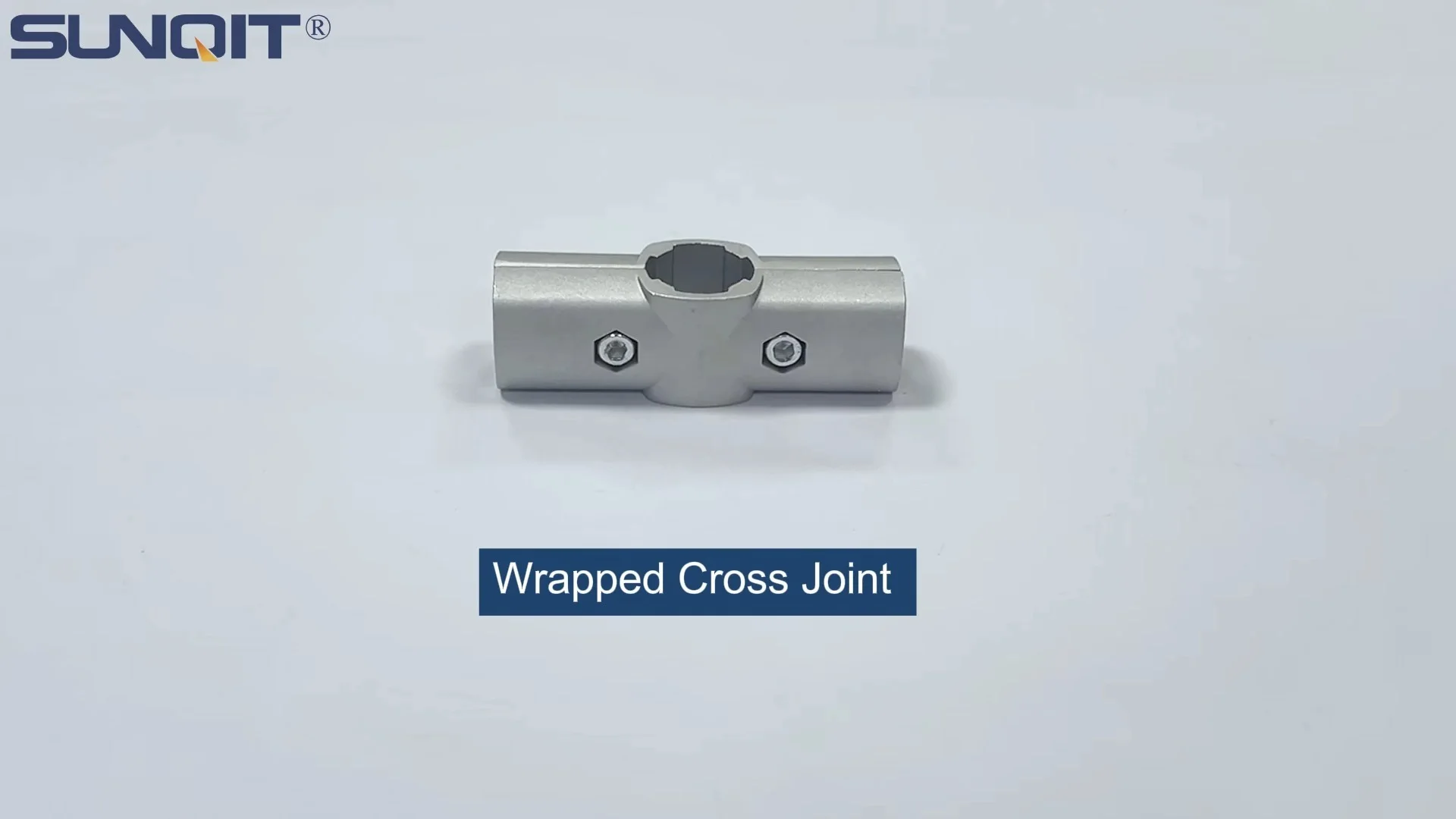
Ever stepped onto a manufacturing floor, warehouse, or even a small workshop and wondered what keeps everything running like a well-oiled machine? It's easy to notice the big stuff—the conveyor belts, the workbenches, the racks stacked with materials. But the real unsung heroes? The small, unassuming components that hold these systems together. Today, we're shining a spotlight on one such hero: the three way aluminum pipe joint. These little connectors might not grab headlines, but they're the backbone of lightweight, flexible material handling systems that keep businesses efficient, adaptable, and ready for whatever the day throws at them.
In a world where production lines shift overnight, where warehouses need to accommodate new products weekly, and where every inch of space counts, rigid, one-size-fits-all systems just don't cut it. That's where aluminum comes in. Lightweight yet surprisingly strong, aluminum profiles and pipes have revolutionized material handling. And at the heart of this revolution? The three way aluminum pipe joint. It's the piece that turns simple pipes into customizable workbenches, flow racks, and lean systems that grow with your business. Let's dive into why these joints matter, how they work, and why they might just be the missing link in your operation.
Why Lightweight Material Handling Matters (Spoiler: It's Not Just About Weight)
Before we get into the nitty-gritty of three way joints, let's talk about why lightweight systems are taking over factories and warehouses. Think about it: traditional material handling systems were often built with steel—strong, yes, but heavy. Moving a steel workbench or reconfiguring a steel rack meant bringing in heavy machinery or a team of people. And if your needs changed next month? You'd be stuck with a system that couldn't adapt, wasting time and money.
Lightweight systems, on the other hand, are all about agility. They're easy to assemble, easy to reconfigure, and easy to move—no forklift required. This agility translates to real-world benefits: less downtime when rearranging workflows, lower labor costs, and a safer environment for workers (since lighter components mean fewer strains and injuries). And when it comes to lightweight systems, aluminum is the go-to material. It's about 1/3 the weight of steel but still strong enough to handle most material handling tasks. Plus, it resists corrosion, so it holds up in damp warehouses or factories with harsh chemicals.
But aluminum profiles and pipes alone aren't enough. To build something truly flexible, you need joints that can connect pipes at different angles, support various loads, and stay secure even after repeated adjustments. Enter the three way aluminum pipe joint. It's the connector that turns a pile of aluminum pipes into a functional, adaptable system.
What Is a Three Way Aluminum Pipe Joint, Anyway?
Let's start with the basics. A three way aluminum pipe joint is exactly what it sounds like: a small, typically T-shaped or Y-shaped component designed to connect three aluminum pipes at once. But don't let its simplicity fool you. These joints are engineered to balance strength, flexibility, and ease of use. Most are made from high-grade aluminum alloys like 6063-T5, which offers a great mix of strength and machinability—meaning the joints can be precision-machined to fit pipes perfectly, ensuring a tight, wobble-free connection.
What makes these joints special? Unlike some connectors that require welding, drilling, or specialized tools, three way aluminum pipe joints are usually bolt-on or clamp-on. That means you can assemble a system with nothing more than a hex key or a wrench. Need to adjust the angle of a shelf? Loosen the bolts, move the joint, retighten, and you're done. No need to call in a welder or wait for parts to be custom-fabricated. This "tool-less" adjustability is a game-changer for businesses that need to pivot quickly.
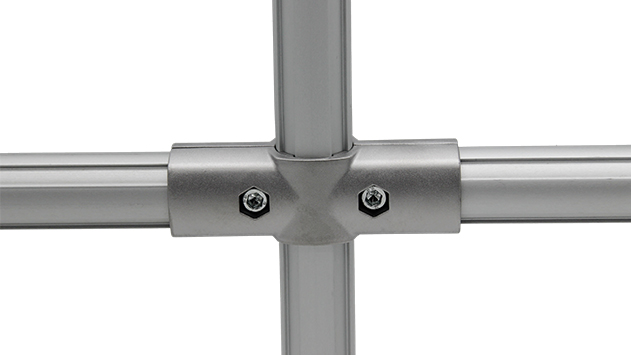
Another key feature? Compatibility. Most three way aluminum joints are designed to work with standard aluminum profile sizes—think 20x20mm, 30x30mm, or 40x40mm pipes. This standardization means you can mix and match components from different suppliers (though we'll talk later about why sticking with a trusted supplier matters) and build systems that fit your exact needs. Whether you're connecting pipes vertically, horizontally, or at a 45-degree angle, there's a three way joint designed for the job.
The Features That Make Three Way Aluminum Joints Stand Out
Not all joints are created equal. A cheap plastic joint might work for a temporary setup, and a heavy steel joint might handle massive loads, but three way aluminum pipe joints hit that sweet spot between strength, flexibility, and practicality. Let's break down their standout features:
1. Lightweight but Strong
Aluminum's claim to fame is its strength-to-weight ratio. A typical three way aluminum joint weighs in at around 150-200 grams—light enough that even a single worker can carry a handful of them. But don't let the weight fool you: these joints can support surprising loads. Depending on the design and alloy, a well-made three way aluminum joint can handle 30-50kg per connection. That's more than enough for most workbenches, small flow racks, or lean system components.
2. Corrosion Resistance
Steel joints rust. Plastic joints can degrade in harsh environments. Aluminum? It forms a natural oxide layer that resists corrosion, making it ideal for damp warehouses, food processing facilities, or outdoor applications. Even better, many aluminum joints are anodized—a process that thickens that oxide layer, giving them extra protection against scratches and chemicals. This durability means your joints (and the systems they support) will last longer, saving you money on replacements.
3. Tool-Free Adjustability
Remember that earlier point about agility? It all starts with how easy these joints are to use. Most three way aluminum joints use a simple bolt-and-nut system or a cam lever design. Loosen the bolt, adjust the angle or position of the pipes, then tighten it back down. No welding, no drilling, no mess. This makes reconfiguring your system a breeze. For example, if you need to lower a shelf on a flow rack to accommodate taller boxes, you can do it in 5 minutes with a hex key—no need to dismantle the entire rack.
4. Versatility in Design
Three way joints aren't one-trick ponies. While the classic T-shape is common (connecting one vertical and two horizontal pipes), you'll also find Y-shaped joints (for angled connections), cross-shaped joints (connecting four pipes), and even adjustable-angle joints that let you set angles anywhere from 30 to 180 degrees. This variety means you can build almost anything: L-shaped workbenches, multi-tiered flow racks, or even custom trolleys with handles and shelves.

Real-World Applications: Where Three Way Aluminum Joints Shine
Enough talk about features—let's get practical. Where do three way aluminum pipe joints actually get used? The answer is: almost everywhere lightweight, flexible material handling is needed. Here are a few common applications that might sound familiar:
Workbenches: The Heart of the Workshop
Workbenches are where the magic happens—whether it's assembling electronics, packing orders, or repairing machinery. A good workbench needs to be sturdy, customizable, and ergonomic. Three way aluminum joints make all that possible. Imagine a workbench for a small electronics assembly line. The operator needs tools within arm's reach, parts bins below, and a flat surface to work on. With three way joints, you can:
- Attach a vertical pipe to the back of the bench, then use a T-shaped three way joint to add a shelf above for tools.
- Add horizontal pipes on the sides with Y-shaped joints to hold parts bins at a 45-degree angle, making it easy to grab components without bending over.
- Even add a small overhead light bar by connecting a cross-shaped joint to the vertical pipe—no drilling into the ceiling required.
And if the operator changes, or the task shifts? Loosen the joints, adjust the height of the shelves, or reposition the bins. The workbench evolves with the job, not the other way around.
Flow Racks: Gravity-Fed Efficiency
Flow racks are a staple in warehouses and distribution centers, using gravity to move materials from the back to the front of the rack—perfect for first-in, first-out (FIFO) inventory systems. The key to a good flow rack is adjustability: each shelf needs to be angled just right to ensure items glide smoothly but don't slide too fast. Three way aluminum joints make adjusting these angles a cinch.
For example, a flow rack for small parts might use 30x30mm aluminum pipes and three way joints to support each shelf. If you switch from small boxes to larger, heavier ones, you can loosen the joints, tilt the shelf up slightly (to increase the angle and speed up flow), and tighten them back down. No need to replace the entire shelf or buy new components. And since aluminum is lightweight, even a single worker can adjust the shelves without straining—unlike steel racks, which often require two people and a lot of muscle.
Lean Systems: Adapting to Change
Lean manufacturing is all about eliminating waste—whether it's wasted time, wasted space, or wasted effort. A lean system built with aluminum profiles and three way joints is inherently waste-free because it's so adaptable. Let's say your production line currently uses a straight conveyor to move parts from Station A to Station B. Next month, you're adding a new machine that requires the parts to take a 90-degree detour. With three way joints, you can reconfigure the conveyor in hours:
- Use T-shaped joints to connect a new section of conveyor at the 90-degree angle.
- Adjust the height of the new section with vertical joints to match the existing conveyor.
- Add side rails using Y-shaped joints to keep parts from falling off during the turn.
This kind of flexibility is why lean system suppliers often recommend aluminum-based setups. When your system can adapt to changes in production, you avoid the waste of building entirely new systems from scratch.

How Three Way Aluminum Joints Compare to Other Options
You might be thinking, "Why not just use plastic joints? They're cheaper." Or, "Steel joints are stronger, right?" It's true—there are alternatives. But three way aluminum pipe joints offer a unique balance that makes them the best choice for most lightweight material handling systems. Let's break down the pros and cons with a quick comparison:
| Joint Type | Material | Weight (per unit) | Max Load Capacity | Assembly Method | Reusability | Best For |
|---|---|---|---|---|---|---|
| Three Way Aluminum Joint | 6063-T5 Aluminum Alloy | 150-200g | 30-50kg (per connection) | Bolt-on/clamp-on (hex key or wrench) | High (can be adjusted/reused hundreds of times) | Light to medium duty, adaptable systems (workbenches, flow racks, lean setups) |
| Plastic Three Way Joint | Nylon or ABS Plastic | 80-120g | 10-20kg (per connection) | Snap-fit or bolt-on | Low (plastic deforms over time with repeated adjustments) | Light duty, temporary setups (e.g., trade show displays, short-term projects) |
| Steel Three Way Joint | Mild Steel or Stainless Steel | 300-400g | 80-100kg (per connection) | Weld-on or bolt-on (requires welding tools for permanent setups) | Medium (bolt-on can be reused, but welding makes reconfiguration hard) | Heavy duty, fixed systems (e.g., industrial machinery bases, permanent storage racks) |
As you can see, aluminum joints hit the sweet spot. They're stronger than plastic, lighter than steel, and far more reusable than either. For most businesses, the ability to reconfigure systems without replacing joints is worth the slightly higher upfront cost compared to plastic. And unless you're dealing with extremely heavy loads (think tons of material), aluminum is more than strong enough—plus, you save on labor and equipment costs thanks to its lightweight design.
Accessorizing Your System: It's All in the Details
A three way aluminum pipe joint is great on its own, but it's even better when paired with the right accessories. Aluminum profile accessories like caster wheels, roller tracks, and end caps can turn a basic frame into a fully functional system. For example:
- Caster Wheels: Add casters to the bottom of a workbench or trolley using three way joints, and suddenly you've got a mobile workstation that can move wherever it's needed. Look for casters with brakes to keep the system stable when in use.
- Roller Tracks: Attach roller tracks to a flow rack using T-shaped three way joints, and you've got a gravity-fed system for moving boxes or parts. Many roller tracks come with plastic or aluminum wheels that glide smoothly, reducing friction and ensuring materials move evenly.
- End Caps: Simple but important—end caps snap onto the ends of aluminum pipes to cover sharp edges, preventing scratches on materials (or workers!). They're a small detail, but they add a professional, finished look to any system.
The best part? Since most accessories are designed to work with standard aluminum profiles, you can mix and match to create a system that's uniquely yours. Need a workbench with a roller track for moving parts? Combine three way joints, aluminum pipes, and a roller track—no custom fabrication required.
Choosing the Right Supplier: It's About More Than Just Parts
Okay, so you're sold on three way aluminum pipe joints. Now what? The next step is finding a reliable supplier. This might seem like a no-brainer, but not all suppliers are created equal. Here's what to look for:
Quality Materials
Not all aluminum is the same. Cheaper suppliers might use low-grade alloys that bend or crack under load, or joints that aren't precision-machined (leading to loose, wobbly connections). Look for suppliers that specify the aluminum alloy (like 6063-T5) and offer quality certifications. A good supplier will also test their joints for load capacity and durability—ask to see test reports if you're unsure.
Range of Products
You'll want a supplier that carries not just three way joints, but a full range of aluminum profile accessories: different joint types (L-shaped, cross-shaped), pipes in various sizes, casters, roller tracks, and more. This way, you can source everything from one place, ensuring compatibility and saving on shipping costs.
Technical Support
Even the most flexible systems can be confusing to design. A good supplier should offer technical support—whether it's helping you choose the right joint for your application, providing CAD drawings, or troubleshooting assembly issues. Avoid suppliers that just sell parts and disappear; look for partners that want to help you build a system that works.
Consistency and Reliability
Imagine ordering 100 three way joints and finding out half of them are slightly smaller than the other half—suddenly, your system won't assemble properly. Reliable suppliers have strict quality control processes to ensure every joint (and every pipe, and every accessory) meets the same specifications. They also keep stock on hand, so you don't have to wait weeks for parts when you need them in a hurry.
Wrapping Up: Small Joints, Big Impact
At the end of the day, three way aluminum pipe joints are more than just connectors. They're the reason businesses can build material handling systems that are lightweight, flexible, and ready to adapt. They turn static, rigid setups into dynamic, evolving workspaces that keep up with changing needs. Whether you're building a simple workbench or a complex lean system, these joints are the quiet force that makes it all possible.
So the next time you walk into a smoothly running warehouse or workshop, take a closer look at the structures holding everything together. Chances are, you'll spot a few three way aluminum joints doing their job—quietly, reliably, and without fanfare. And now that you know their story, you'll appreciate just how much they contribute to keeping the world of material handling moving forward.
Ready to build your own lightweight material handling system? Start with the right foundation: quality aluminum profiles, a solid selection of accessories, and—of course—dependable three way aluminum pipe joints. Your team (and your bottom line) will thank you.