- Company Articles
- Products and Technology
- Product knowledge
- Three Way Aluminum Pipe Joints for Mobile Material Handling Carts

Three Way Aluminum Pipe Joints for Mobile Material Handling Carts
Related Product
Three Way Aluminum Pipe Joint
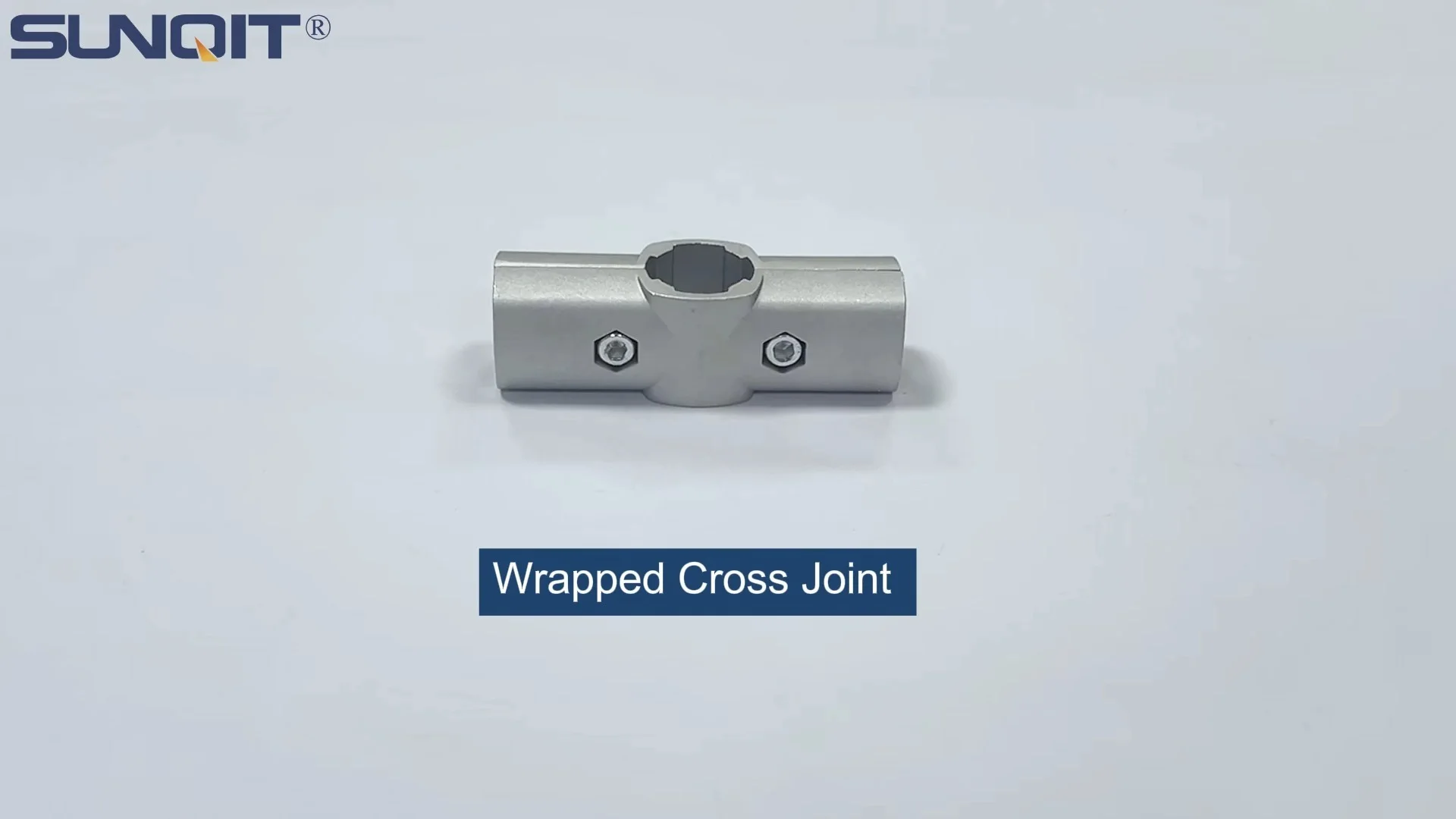
Aluminum 3 way pipe joint for 28mm aluminum pipe connection in 3 direction.
In the bustling world of warehouses, manufacturing plants, and distribution centers, efficiency isn't just a buzzword—it's the backbone of daily operations. Every minute saved in moving parts, every reduction in physical strain on workers, and every dollar cut from unnecessary equipment costs adds up to a smoother, more profitable workflow. At the heart of this efficiency lie mobile material handling carts—versatile workhorses that transport goods, tools, and components across facilities. But what makes these carts so adaptable, durable, and cost-effective? The answer often comes down to a small but mighty component: the three way aluminum pipe joint. These unassuming connectors are the unsung heroes that turn simple aluminum pipes into customized, robust carts tailored to any workspace's unique needs.
The Role of Mobile Material Handling Carts in Modern Workspaces
Before diving into the specifics of three way aluminum pipe joints, let's take a moment to appreciate the carts themselves. Mobile material handling carts are more than just "rolling shelves"—they're dynamic tools that adapt to the rhythm of a workspace. In a manufacturing plant, they might ferry assembly parts from storage to the production line, keeping workers supplied without constant trips to the warehouse. In a retail backroom, they organize inventory for quick restocking. In a healthcare facility, they safely transport medical supplies or lab samples. The key to their versatility? Customization. No two workspaces are identical, and a one-size-fits-all cart rarely cuts it. This is where modular design—powered by components like three way aluminum pipe joints—becomes game-changing.
Traditional carts, often made of welded steel or heavy plastic, suffer from two major flaws: rigidity and weight. Welded steel carts are sturdy but fixed in shape; if your needs change (e.g., you need a taller shelf or a wider base), you're stuck buying a new cart. Plastic carts are lighter but lack the strength to handle heavy loads, leading to cracks or warping over time. Enter aluminum-based carts, built with lightweight aluminum profiles, durable caster wheels, and modular joints. These carts combine the best of both worlds: strength, flexibility, and ease of modification—all thanks to the humble three way aluminum pipe joint.
Anatomy of a Three Way Aluminum Pipe Joint: Design and Functionality
At first glance, a three way aluminum pipe joint might seem like a simple piece of hardware, but its design is surprisingly thoughtful. As the name suggests, these joints connect three aluminum pipes at once, enabling the creation of complex, multi-directional structures. Unlike one-way (straight) or two-way (elbow) joints, three way joints unlock T-shapes, Y-shapes, and L-shapes in the cart frame—critical for building shelves, reinforcing corners, or adding side extensions. Let's break down what makes them so effective.
Material Matters: Why Aluminum?
Three way aluminum pipe joints are crafted from high-grade aluminum alloy, chosen for its unbeatable balance of strength and lightness. Aluminum is naturally corrosion-resistant, a boon in environments where moisture (e.g., from cleaning solutions or humid warehouses) might rust steel components. It's also non-magnetic and non-sparking, making aluminum carts safe for use in sensitive areas like electronics manufacturing or chemical labs. Perhaps most importantly, aluminum is easy to machine, allowing for precision in joint design—ensuring a tight, secure fit with aluminum profiles every time.
Design Features That Drive Versatility
The magic of three way aluminum pipe joints lies in their simplicity and adaptability. Most models feature a central hub with three arms (or "ports"), each designed to grip an aluminum pipe. The connection is typically secured with set screws—small, threaded bolts that tighten against the pipe, creating friction that holds everything in place. This design eliminates the need for welding, riveting, or specialized tools; even someone with minimal technical skill can assemble or disassemble a cart using just a hex key or screwdriver.
But it's not just about holding pipes together—it's about holding them at the right angle. Three way joints are available in various configurations to suit different structural needs: 90° joints for sharp corners (e.g., building a rectangular cart base), 45° joints for sloped shelves or angled supports, and 135° joints for creating "offset" structures (e.g., a cart with a side extension for tools). Some advanced models even offer adjustable angles, letting users fine-tune the joint's position before locking it down. This flexibility means a single set of joints and pipes can be reconfigured into dozens of cart designs, from simple two-shelf transporters to complex mobile workbenches with tool racks and bin holders.
Load Capacity: Strength Without the Bulk
A common misconception about aluminum is that it's "weak" compared to steel. While it's true that aluminum is less dense than steel, modern aluminum alloys (like 6061-T6, widely used in industrial applications) offer impressive strength-to-weight ratios. A well-designed three way aluminum pipe joint can easily support 200–350 kg of weight per joint, depending on the pipe size and alloy. For context, that's enough to carry stacks of heavy boxes, power tools, or even small machinery parts without bending or warping. Compare this to plastic joints, which often crack under loads over 50 kg, or steel joints, which add unnecessary weight to the cart, making it harder to push and increasing wear on caster wheels.
Aluminum Profile: The Perfect Partner for Three Way Joints
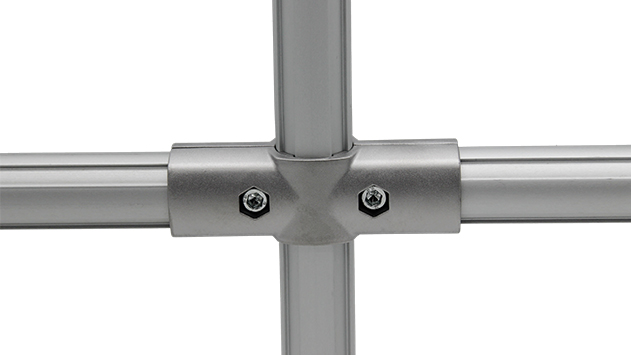
Three way aluminum pipe joints are only as good as the pipes they connect, and here's where aluminum profile shines. Aluminum profiles—also called aluminum extrusions—are long, hollow tubes with a consistent cross-sectional shape, typically featuring T-slots (lengthwise grooves) that run along their sides. These slots are a game-changer for modular design, as they allow accessories (like shelf brackets, tool hooks, or bin holders) to be attached anywhere along the pipe without drilling or welding. When paired with three way joints, aluminum profiles become the building blocks of a truly customizable cart.
Why Aluminum Profile Beats Traditional Pipes
Traditional steel pipes or PVC tubes lack the T-slot design, limiting how you can attach accessories. With steel, you'd need to drill holes and use bolts, which weakens the pipe and makes modifications permanent. With PVC, adhesives or plastic clips are unreliable for heavy loads. Aluminum profiles solve this with T-slots that accept T-nuts, bolts, and brackets—simply slide the accessory into the slot, tighten the fastener, and it's secure. This "click-and-go" functionality is a huge time-saver during assembly and reconfiguration.
Profile size also matters. Common industrial aluminum profiles come in standard sizes, such as 20mm x 20mm (2020), 30mm x 30mm (3030), and 40mm x 40mm (4040). Smaller profiles (2020) are ideal for lightweight carts, like those used in offices or retail, while larger profiles (4040) are better for heavy-duty applications, such as manufacturing or warehouse logistics. Three way aluminum pipe joints are designed to match these sizes, ensuring a snug fit regardless of the profile diameter. For example, a 4040 three way joint will grip a 40mm aluminum profile tightly, preventing wobbling or slippage even under heavy loads.
Aesthetic and Ergonomic Benefits
Beyond functionality, aluminum profiles offer subtle but impactful benefits for workspace morale. Unlike rust-prone steel or drab plastic, aluminum has a clean, modern look that brightens up industrial environments. Many profiles come in anodized finishes (silver, black, or even custom colors), resisting scratches and maintaining their appearance over time. This might seem trivial, but studies show that organized, visually appealing workspaces boost employee satisfaction and productivity. Additionally, aluminum's light weight makes carts easier to push, reducing strain on workers' backs and shoulders—a small change that can lead to fewer injuries and lower absenteeism.

Aluminum Pipe Accessories: Completing the Cart Puzzle
Three way aluminum pipe joints and aluminum profiles form the "bones" of a cart, but it's the accessories that add the "muscle." Aluminum pipe accessories are the unsung supporting cast, turning a basic frame into a fully functional tool. From caster wheels that enable mobility to shelf brackets that add storage, these components work in harmony with joints and profiles to create a cohesive system. Let's explore some key accessories and how they enhance cart performance.
Caster Wheels: Mobility Redefined
What good is a cart if it doesn't roll smoothly? Caster wheels are the final link between the cart frame and the floor, and choosing the right ones is critical. Most modular carts use swivel caster wheels with brakes, allowing 360° movement for easy navigation around tight corners, plus the ability to lock the cart in place during loading/unloading. Aluminum cart frames, paired with lightweight caster wheels, make even fully loaded carts easy to maneuver—no more straining to push heavy steel carts across the warehouse.
Caster wheels attach to the cart frame using mounting plates, which connect to the aluminum profiles via (you guessed it) three way aluminum pipe joints or angle brackets. This modularity means you can upgrade wheels as needed: swap out standard rubber wheels for polyurethane ones if you move to a smoother floor, or add heavy-duty casters for carts carrying extra-heavy loads. Some casters even feature shock-absorbing springs, protecting fragile items during transport—perfect for electronics or glassware.
Shelf Supports and Brackets: Custom Storage Solutions
Once the cart frame is built with three way joints, the next step is adding shelves. Aluminum pipe accessories like shelf supports and brackets slide into the T-slots of aluminum profiles, creating stable platforms for storing goods. Adjustable shelf brackets are particularly useful; by moving them up or down the profile, you can customize shelf height to fit tall boxes, bulky tools, or small parts bins. For added strength, corner brackets reinforce the connection between shelves and the frame, preventing sagging under heavy loads. Some brackets even feature built-in stops to keep shelves from sliding sideways—a small detail that prevents items from falling off during transport.
End Caps, Label Holders, and Safety Features
It's the little things that make a cart user-friendly. Aluminum pipe end caps, for example, fit over the exposed ends of profiles, eliminating sharp edges that could snag clothing or cause cuts. Label holders, which clip into T-slots, let workers quickly identify cart contents (e.g., "Production Line A Parts" or "Weekly Inventory"), reducing time spent searching. For safety, tool hooks and bin holders keep sharp tools or small parts secure, preventing them from rolling off shelves. Even cable management clips—another aluminum pipe accessory—can be added to route power cords if the cart doubles as a mobile workbench with electric tools.

Comparing Joint Types: Why Three Way Aluminum Pipe Joints Stand Out
Three way joints aren't the only game in town—so why choose them over plastic, steel, or even other aluminum joint types? Let's compare to highlight their unique advantages.
| Joint Type | Weight | Corrosion Resistance | Assembly Time | Reconfigurability | Load Capacity (per Joint) |
|---|---|---|---|---|---|
| Three Way Aluminum Pipe Joint | Light (50–150g) | High (anodized aluminum resists rust) | 5–10 minutes (no welding; uses set screws) | Excellent (easily disassembled and reconfigured) | 200–350 kg |
| Plastic Three Way Joint | Very light (30–80g) | High (but prone to UV damage) | 3–5 minutes (snap-fit or screws) | Good, but plastic weakens with repeated use | 50–150 kg (prone to cracking under heavy loads) |
| Steel Welded Joint | Heavy (200–500g) | Low (requires painting/coating to prevent rust) | 30+ minutes (requires welding equipment) | Poor (permanent; cannot be reconfigured) | 500+ kg (but adds significant cart weight) |
| Two Way Aluminum Joint | Light (40–120g) | High | 5–10 minutes | Good, but limited to two directions | 200–300 kg |
As the table shows, three way aluminum pipe joints strike an unbeatable balance. They're lighter than steel, stronger than plastic, and infinitely more flexible than welded joints. For businesses that value agility—whether adapting to seasonal demand, new product lines, or facility rearrangements—this flexibility is priceless. A small electronics manufacturer, for example, might start with a simple two-shelf cart, then add a third shelf and tool hooks using extra three way joints when they expand production. A warehouse could reconfigure a fleet of carts from "picking carts" to "shipping carts" in a weekend, avoiding the cost of buying new equipment.
Real-World Applications: How Three Way Aluminum Pipe Joints Transform Workspaces
To truly understand the impact of three way aluminum pipe joints, let's look at a few real-world scenarios where they've made a difference.
Case Study 1: Automotive Assembly Plant
A mid-sized automotive parts manufacturer was struggling with inefficiency on their assembly line. Workers spent too much time walking to and from the parts storage area, and the fixed steel carts they used were either too small (requiring multiple trips) or too large (hard to maneuver around tight corners). The solution? Modular carts built with 4040 aluminum profiles, three way aluminum pipe joints, and swivel caster wheels with brakes. The plant's maintenance team designed carts with adjustable shelves (using T-slot brackets) and added side hooks for tools. Since the joints allowed for easy reconfiguration, they built 10 base frames and swapped out shelves/accessories as needed: longer shelves for door panels, shorter ones for small hardware, and even mobile workbenches (by adding a wooden top to the frame) for on-the-spot repairs. The result? A 30% reduction in time spent fetching parts and a 20% drop in worker fatigue complaints.
Case Study 2: Retail Distribution Center
A large retail chain's distribution center faced a seasonal challenge: during the holiday rush, they needed more carts to handle increased inventory, but during slower months, the extra carts took up valuable storage space. Traditional plastic carts were lightweight but cracked under heavy holiday loads, while steel carts were durable but too heavy to stack when not in use. The solution? Aluminum carts built with 3030 profiles and three way aluminum pipe joints. The lightweight aluminum frames were easy to stack (saving storage space), and the three way joints allowed the center to disassemble and rebuild carts as needed—adding extra shelves for holiday stock or removing them for everyday use. They also added label holders to quickly identify cart contents (e.g., "Electronics," "Clothing"), reducing sorting time. By the next holiday season, the center had cut cart storage costs by 40% and eliminated the need to rent extra carts.
Case Study 3: Laboratory Research Facility
A university research lab needed carts to transport sensitive equipment and samples between rooms. The carts had to be non-magnetic (to avoid interfering with experiments), corrosion-resistant (to withstand frequent cleaning with disinfectants), and quiet (to maintain a calm workspace). Steel carts were magnetic, plastic carts warped with harsh cleaners, and traditional lab carts were expensive and non-customizable. The solution? Carts built with anodized aluminum profiles, three way aluminum pipe joints, and soft rubber caster wheels. The aluminum was non-magnetic and corrosion-resistant, the joints allowed for custom shelving to fit microscopes and sample trays, and the soft wheels rolled silently on tile floors. The lab even added small drawers (attached via T-slot brackets) for storing gloves and cleaning supplies. Best of all, when the lab expanded, they simply bought more profiles and joints to build new carts—no need to redesign from scratch.
Maintenance and Care: Keeping Your Aluminum Carts Rolling
Like any equipment, modular aluminum carts built with three way joints require basic maintenance to ensure longevity. The good news? Aluminum is low-maintenance compared to steel or plastic, and upkeep is simple enough for any staff member to handle.
Inspect Joints Regularly
Over time, the set screws in three way aluminum pipe joints can loosen due to vibration (e.g., from rolling over uneven floors). A quick monthly check with a hex key to tighten any loose screws will prevent pipes from slipping and keep the cart stable. Pay extra attention to joints holding heavy shelves or supporting the caster wheels—these take the most strain.
Clean Aluminum Profiles and Joints
Aluminum resists rust, but dust, grease, and grime can build up in T-slots and on joint surfaces, making it harder to attach accessories. Wipe down profiles and joints with a damp cloth and mild soap every few weeks—avoid harsh chemicals like bleach, which can damage the anodized finish. For tough grease, a soft-bristled brush works well to dislodge debris from T-slots.
Lubricate Caster Wheels
Caster wheels are the cart's "feet," and keeping them rolling smoothly reduces strain on both the wheels and the frame. Apply a few drops of silicone-based lubricant to caster axles every 3–6 months (more often if the cart is used daily). This prevents squeaking, reduces wear on wheel bearings, and makes the cart easier to push.
replace Worn Parts Promptly
Even the best aluminum joints and profiles can wear out over time. If a joint becomes cracked (uncommon, but possible with extreme overloading), or a caster wheel develops a flat spot, replace it immediately. Delaying replacement can lead to bigger issues—e.g., a wobbly cart might damage the aluminum profile, requiring a full frame replacement instead of just a new joint.
The Future of Modular Carts: Sustainability and Innovation
As businesses increasingly prioritize sustainability and flexibility, the demand for modular, aluminum-based solutions will only grow. Three way aluminum pipe joints align perfectly with these trends. Aluminum is 100% recyclable, and modular carts generate less waste than disposable plastic carts or fixed steel ones (which often end up in landfills when needs change). Some manufacturers even offer take-back programs for old aluminum components, melting them down to make new joints and profiles—closing the loop on sustainability.
Innovation is also driving new possibilities. Smart carts, for example, could integrate sensors (attached via T-slots) to track inventory levels or monitor cart location via RFID. Lightweight aluminum frames make it easy to add battery-powered lights or small screens for digital pick lists. As workspaces become more automated, modular carts built with three way joints will adapt—serving as mobile platforms for collaborative robots (cobots) or as flexible storage for automated retrieval systems.
Choosing the Right Three Way Aluminum Pipe Joints and Accessories
If you're ready to invest in modular carts, here are a few tips to ensure you choose the right components:
- Start with the load capacity: Determine the heaviest item your cart will carry, then choose joints and profiles rated for at least 20% more (to account for dynamic loads, like bumps during transport).
- Match joint size to profile size: A 3030 joint won't fit a 4040 profile—double-check dimensions before ordering.
- Consider your environment: If you work in a wet or corrosive setting (e.g., food processing), opt for anodized aluminum joints and stainless steel set screws.
- Don't skimp on caster wheels: Invest in high-quality casters with brakes—they're the difference between a cart that glides and one that fights you.
- Buy extra joints and brackets: Having spares on hand makes reconfiguration faster and easier when needs change.
Conclusion: Small Joints, Big Impact
In the grand scheme of industrial equipment, three way aluminum pipe joints might seem. But as we've explored, they're the linchpin of modular mobile material handling carts—enabling customization, durability, and efficiency in ways traditional carts never could. Whether you're running a small workshop or a large distribution center, these joints empower you to build carts that adapt to your needs, not the other way around. They reduce costs, save time, and make workspaces safer and more productive. So the next time you see a mobile cart gliding through a warehouse, take a closer look—chances are, it's the three way aluminum pipe joints holding it all together, quietly driving the efficiency that keeps modern workspaces moving forward.