- Company Articles
- Products and Technology
- Product knowledge
- Three Way Aluminum Pipe Joints for Turnover Carts in Lean Material Handling

Three Way Aluminum Pipe Joints for Turnover Carts in Lean Material Handling
Related Product
Three Way Aluminum Pipe Joint
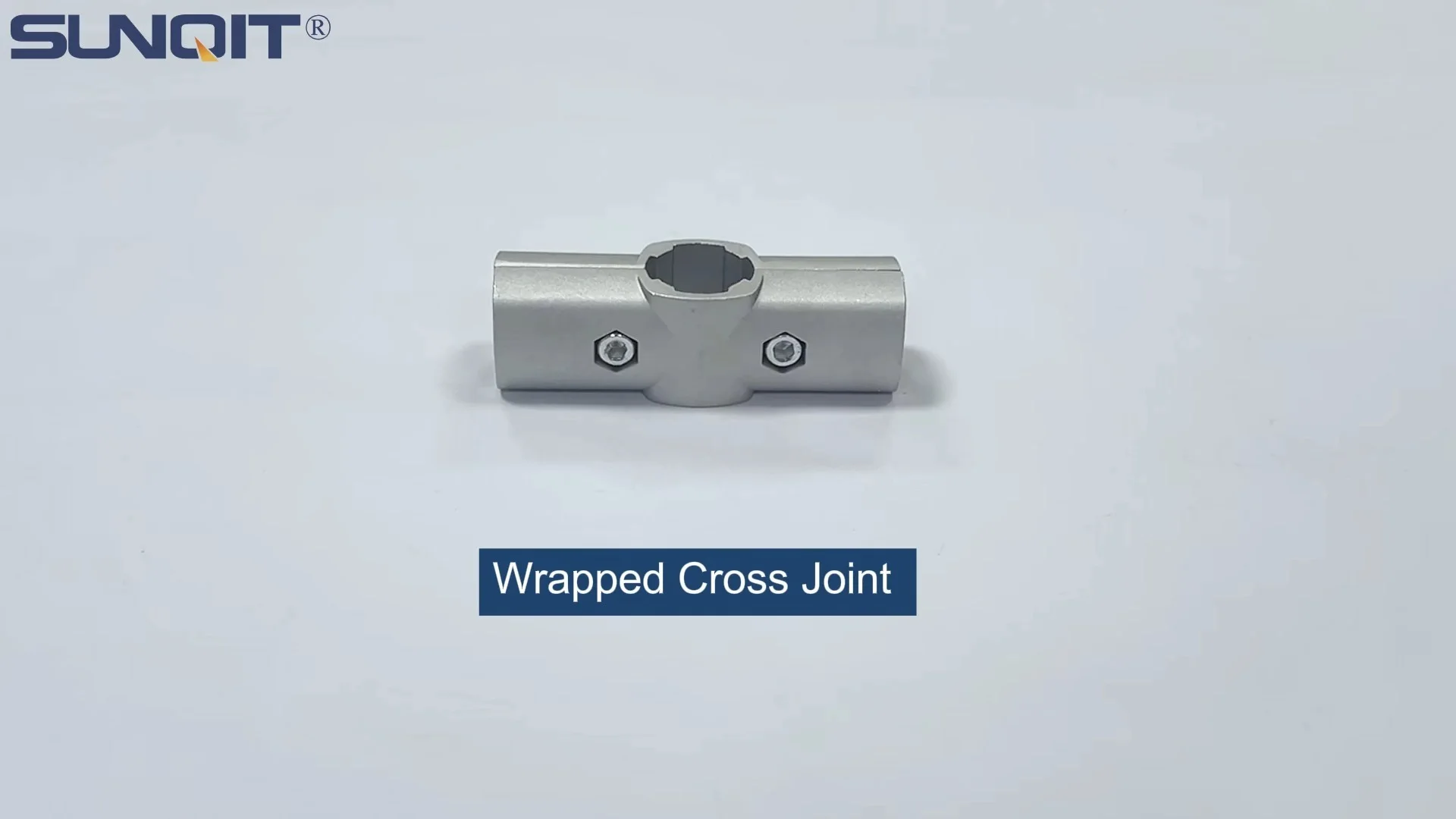
Aluminum 3 way pipe joint for 28mm aluminum pipe connection in 3 direction.
In the fast-paced world of manufacturing and warehousing, efficiency isn't just a buzzword—it's the backbone of a successful operation. Every minute wasted on cumbersome material movement, every dollar spent on unnecessary equipment, and every inch of space cluttered with inflexible tools eats into your bottom line. That's where lean material handling comes in, a philosophy centered on eliminating waste, streamlining workflows, and creating systems that adapt to your needs. At the heart of this transformation? The yet powerful components that hold your operations together. Today, we're diving deep into one such component: the three way aluminum pipe joint, and how it revolutionizes turnover carts in lean systems.
Understanding Lean Material Handling: More Than Just "Cutting Costs"
Before we zoom in on the three way aluminum pipe joint, let's ground ourselves in what lean material handling truly means. Lean isn't about slashing budgets or cutting corners—it's about intelligent optimization . It's about looking at your facility's material flow—how parts move from the warehouse to the assembly line, how finished products are stored, how tools are accessed—and asking: Where is the waste? Is it in unnecessary movement? Overstocked inventory? Carts that break down mid-shift? Or maybe rigid systems that can't adapt when production needs change?
At its core, lean material handling aims to create a "flow" state: materials move smoothly, without bottlenecks, and tools are exactly where they need to be, exactly when they're needed. This isn't just about speed; it's about consistency, reliability, and reducing the physical strain on your team. And one of the most critical tools in achieving this flow? The humble turnover cart. But not just any cart—turnover carts built with flexibility, durability, and adaptability in mind. That's where three way aluminum pipe joints, paired with aluminum pipe and smart accessories, step into the spotlight.
Turnover Trolley and Rack: The Unsung Heroes of Material Flow
Turnover carts—often called "trolleys" or "material handling carts"—are the workhorses of any facility. They transport raw materials, work-in-progress, and finished goods between stations, warehouses, and shipping areas. But not all carts are created equal. A poorly designed cart can become a liability: too heavy to maneuver, too flimsy to carry heavy loads, or too rigid to reconfigure when your production line shifts. In lean terms, that's "waste" in action—waste of time, waste of labor, and even waste of space.
Enter the modern turnover cart, built using modular components like aluminum pipe, aluminum profile accessories, and yes, three way aluminum pipe joints. These carts aren't just pieces of equipment; they're systems designed to grow and change with your needs. Need a cart with shelves for small parts today? Add a few extra pipes and joints. Tomorrow, need to expand it to hold larger components? Swap out the shelves for a flat surface. This modularity is key to lean systems, where adaptability means staying competitive.
The Star Player: Three Way Aluminum Pipe Joints
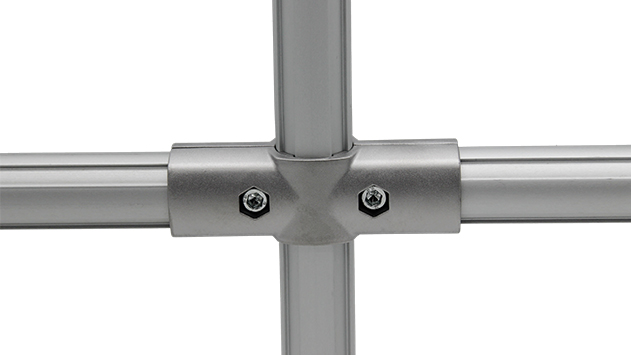
Let's talk about the component that makes this modular magic possible: the three way aluminum pipe joint. At first glance, it might look like a simple T-shaped connector, but its design is a masterclass in functional engineering. As the name suggests, this joint connects three aluminum pipes at once, creating stable, multi-directional structures that form the frame of turnover carts, racks, and workbenches. But why is this "three-way" capability so game-changing?
Imagine (oops, scratch that—let's consider ) a standard two-way joint: it connects two pipes in a straight line. A 90-degree joint connects two pipes at a right angle. Useful, sure, but limited. A three way joint, on the other hand, lets you branch off in a third direction—perfect for adding a shelf, a side rail, or a cross-brace to reinforce your cart. This flexibility means you're not stuck with a one-size-fits-all design. You can build a cart that's exactly the height, width, and depth you need, with features tailored to your materials—whether that's dividers for small parts, raised edges to prevent spills, or extra support for heavy loads.
But the three way aluminum pipe joint isn't just about flexibility. It's about strength, too. Made from high-grade aluminum, these joints are lightweight yet surprisingly robust. They're designed to lock pipes securely in place, often using set screws or friction-fit mechanisms that ensure a tight connection without welding or drilling. This not only speeds up assembly (no waiting for glue to dry or welds to cool) but also makes disassembly and reconfiguration a breeze—another win for lean systems, where downtime is the enemy.

Why Aluminum Pipe? The Material That Makes It All Work
Of course, the joint is only as good as the pipe it connects. That's why aluminum pipe is the ideal partner for three way aluminum pipe joints. Aluminum brings a host of benefits that make it perfect for lean material handling:
- Lightweight: Aluminum is significantly lighter than steel, which means the turnover carts you build are easier to push, pull, and maneuver—reducing strain on your team and lowering the risk of workplace injuries.
- Corrosion-Resistant: Unlike steel, aluminum doesn't rust, even in damp or humid environments (think warehouses with temperature fluctuations or food processing facilities). This extends the life of your carts and reduces maintenance costs.
- Strong for Its Weight: Don't let the lightness fool you—aluminum pipe has impressive load-bearing capacity. When paired with three way joints, it can support hundreds of pounds, making it suitable for everything from small electronic components to heavy machinery parts.
- Recyclable: Lean systems aren't just about efficiency—they're about sustainability, too. Aluminum is 100% recyclable, so if you ever need to retire a cart, you can do so knowing you're minimizing waste.
- Easy to Customize: Aluminum pipe comes in standard sizes (like 20mm, 30mm, or 40mm diameters), making it easy to find the right fit for your joints. It's also easy to cut to length, so you can create carts that fit your exact space requirements.

Design & Functionality: How Three Way Joints Solve Real Problems
Let's get into the nitty-gritty of how three way aluminum pipe joints work in practice. Picture this: You run a small electronics assembly plant, and your team needs a cart to transport circuit boards from the soldering station to the testing area. The boards are delicate, so the cart needs a flat, stable surface, plus a lip around the edges to prevent them from sliding off. It also needs to fit through narrow doorways, so width is a concern. And tomorrow, you might need to add a second shelf for tools. How do three way joints help here?
First, you'd start with four aluminum pipes for the cart's legs. Then, using three way joints, you'd connect horizontal pipes across the top to form the frame of the shelf. Want a lip? Add shorter vertical pipes to the edges, connected via three way joints to the top frame. Need a second shelf later? Use more three way joints to attach horizontal pipes halfway up the legs. The joints allow you to add these features without compromising the cart's structural integrity—each connection is secure, and the weight is evenly distributed.
Another key feature of three way aluminum pipe joints is their adjustability. Most designs allow you to rotate the connected pipes slightly, so you can fine-tune angles for a perfect fit. This is especially useful if you're building a cart with non-standard dimensions or need to align shelves with existing equipment. And because they don't require permanent fasteners, you can tweak the design as you go—no need to start over if you make a mistake.
Integration with Aluminum Profile Accessories: The Cherry on Top
Three way aluminum pipe joints and aluminum pipe are powerful on their own, but when you add aluminum profile accessories into the mix, you unlock even more possibilities. These accessories—things like end caps, pipe clamps, casters, and shelf brackets—turn a basic frame into a fully functional turnover cart. Let's see how they work together:
Take casters, for example. To make your cart mobile, you'll need to attach wheels to the bottom. Aluminum profile accessories like caster mounts (designed to fit aluminum pipe) let you connect casters directly to the legs of your cart, using—you guessed it—three way joints for extra stability. Need to lock the cart in place during loading? Choose casters with brakes, another accessory that integrates seamlessly.
Or consider shelf brackets. If you want to add a second level to your cart, aluminum profile accessories like angle brackets can be attached to the vertical pipes (via three way joints) to support a horizontal shelf. The brackets are designed to fit snugly into the T-slots of aluminum pipe, creating a secure connection without extra hardware. And if you need to adjust the shelf height later? Just loosen the bracket, slide it up or down, and tighten it again—simple as that.
Even small details like end caps matter. Aluminum profile accessories like plastic or rubber end caps fit over the ends of aluminum pipes, preventing snags on clothing or damage to materials. They also give your cart a polished, professional look—because lean systems can be functional and aesthetically pleasing.
Joint Comparison: Why Three-Way Stands Out
To truly appreciate three way aluminum pipe joints, it helps to see how they stack up against other common joint types. Let's take a look at a comparison table:
| Joint Type | Design | Load Capacity (Avg.) | Best For | Flexibility |
|---|---|---|---|---|
| Three Way Aluminum Pipe Joint | T-shaped, connects 3 pipes | 200-300 lbs per joint | Shelves, cross-braces, multi-level carts | High (branching, reconfiguration) |
| Two-Way Straight Joint | Straight, connects 2 pipes | 250-350 lbs per joint | Long horizontal/vertical frames | Low (only straight lines) |
| 90-Degree Angle Joint | L-shaped, connects 2 pipes at 90° | 150-250 lbs per joint | Corners, right-angle frames | Medium (fixed angle) |
As you can see, three way joints strike a balance between load capacity and flexibility. While two-way joints might handle slightly more weight in a straight line, they can't branch off to create shelves or add-ons. 90-degree joints are great for corners but lack the adaptability to create multi-level or multi-directional structures. For lean systems that demand both strength and customization, three way aluminum pipe joints are the clear winner.
Real-World Applications: From Factory Floors to Warehouses
Still not convinced? Let's look at how three way aluminum pipe joints are making a difference in real-world settings. Take, for example, a mid-sized automotive parts manufacturer in Ohio. Before switching to aluminum turnover carts with three way joints, their team was using heavy steel carts that were difficult to move and impossible to reconfigure. If a new part came in with different dimensions, they'd have to buy a whole new cart—a costly, wasteful process.
After investing in aluminum pipe, three way joints, and aluminum profile accessories, they built custom carts tailored to each part type. One cart, designed for small bolts and washers, has three shelves (thanks to three way joints) with dividers to separate sizes. Another, for larger engine components, has a reinforced frame and a lower shelf for tools. When a new part line was added, they simply disassembled an old cart, cut the aluminum pipes to the new dimensions, and reassembled it with three way joints—saving thousands of dollars in new equipment costs.
Or consider a warehouse that ships e-commerce orders. Their biggest challenge? Keeping up with seasonal spikes in demand. During the holidays, they need more carts to move packages from picking stations to packing. In slower months, those carts take up valuable space. With three way aluminum pipe joints, they built collapsible turnover carts: when not in use, the carts can be disassembled and stored flat, freeing up floor space. When demand surges, they're reassembled in minutes—no tools required.
Maintenance Tips: Keeping Your Joints (and Carts) in Top Shape
Like any piece of equipment, three way aluminum pipe joints and aluminum pipe carts need a little TLC to stay in peak condition. Here are some simple maintenance tips to ensure they last for years:
- Clean Regularly: Wipe down aluminum pipes and joints with a damp cloth to remove dust, dirt, or grease. For stubborn grime, use a mild soap solution—avoid harsh chemicals that can damage the aluminum finish.
- Check Connections: Periodically tighten the set screws on three way joints (if they use them) to prevent loosening from vibration. A quick once-over with a hex key can save you from a wobbly cart later.
- Inspect for Wear: Look for signs of damage, like bent pipes or cracked joints. Aluminum is durable, but heavy impacts can cause dents. replace any damaged components immediately to avoid compromising the cart's stability.
- Lubricate Moving Parts: If your cart has casters or hinges (another aluminum profile accessory), add a drop of lubricating oil to the wheels or pins to keep them rolling smoothly.
- Store Properly: If you disassemble carts for storage, keep the pipes and joints in a dry, cool area to prevent moisture buildup (though aluminum's corrosion resistance helps here).
Conclusion: Building a Leaner Future, One Joint at a Time
In the world of lean material handling, every component counts. From the aluminum pipe that forms the frame to the aluminum profile accessories that add functionality, each part plays a role in creating systems that are efficient, adaptable, and sustainable. But at the center of it all—literally and figuratively—is the three way aluminum pipe joint. It's the unsung hero that turns simple pipes into powerful tools, enabling businesses to build turnover carts, racks, and workstations that grow with their needs, reduce waste, and empower their teams.
Whether you're running a small workshop or a large manufacturing plant, investing in three way aluminum pipe joints and modular aluminum systems isn't just a purchase—it's a step toward a leaner, more productive future. So the next time you see a turnover cart gliding smoothly through a warehouse, take a closer look. Chances are, there's a three way joint holding it all together—quietly, reliably, and efficiently, just like the best lean systems do.