- Company Articles
- Products and Technology
- Product knowledge
- Three Way Aluminum Pipe Joints in Medical Equipment Racks: Sterility and Compliance

Three Way Aluminum Pipe Joints in Medical Equipment Racks: Sterility and Compliance
Related Product
Three Way Aluminum Pipe Joint
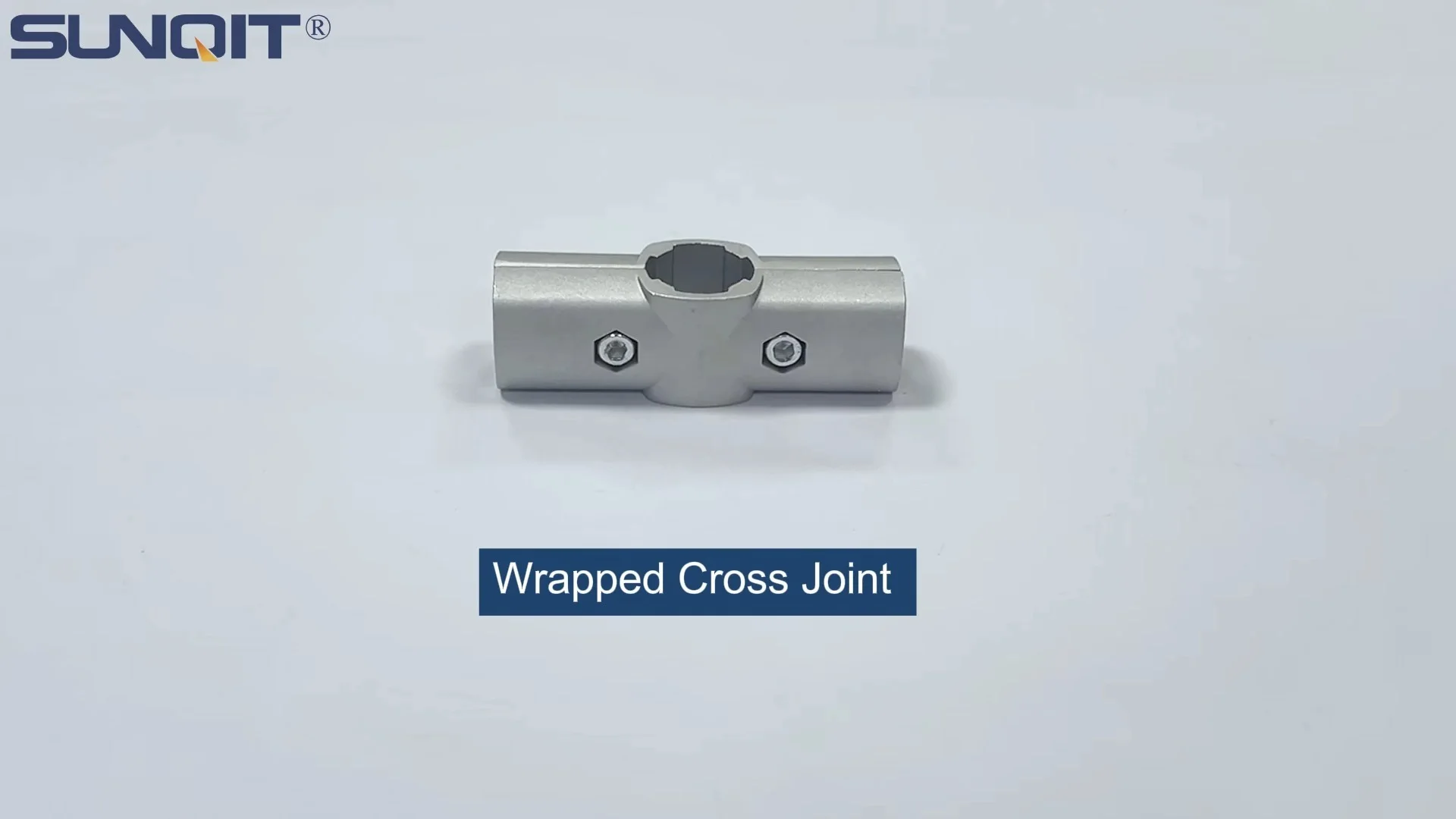
Aluminum 3 way pipe joint for 28mm aluminum pipe connection in 3 direction.
In the fast-paced world of healthcare, every detail matters. From the precision of surgical tools to the reliability of diagnostic machines, the smallest components can have a profound impact on patient safety and operational efficiency. One such unsung hero? The humble medical equipment rack. These structures, often overlooked, are the backbone of organized healthcare facilities—holding everything from surgical instruments to lab samples, medication carts to mobile workstations. But what makes a medical equipment rack truly effective? It's not just about strength or size; it's about sterility and compliance —two non-negotiables in an industry where contamination risks and regulatory standards can mean the difference between life and death.
Enter the world of aluminum pipe systems, and more specifically, the three way aluminum pipe joint . These unassuming connectors are revolutionizing how medical equipment racks are designed, built, and maintained. In this article, we'll dive into why aluminum has become the material of choice for these critical structures, how three way joints elevate both sterility and compliance, and why healthcare facilities worldwide are turning to modular aluminum systems to meet their most demanding needs.
The Critical Role of Medical Equipment Racks: Beyond Just Storage
Before we unpack the specifics of three way aluminum pipe joints, let's first understand why medical equipment racks are so vital. In a busy hospital corridor, a cluttered rack might seem like a minor inconvenience—but in reality, it's a liability. Imagine a nurse rushing to retrieve a life-saving drug from a disorganized cart, or a lab technician struggling to access a sample because the rack holding it is unstable. These scenarios aren't just inefficiencies; they're risks to patient care.
Medical equipment racks must perform multiple roles: they need to be sturdy enough to hold heavy loads (think of a rack stacked with glassware or metal instruments), mobile enough to be moved between rooms, and—most importantly—easy to clean to prevent the spread of pathogens. In environments like operating rooms, ICUs, or cleanrooms, even a tiny crevice where bacteria can hide is unacceptable. And with regulations like the FDA's Current Good Manufacturing Practices (cGMP) and ISO 13485 (for medical device quality management), racks must meet strict standards for material safety, durability, and cleanability.
Traditional rack materials—like steel or plastic—often fall short here. Steel, while strong, is prone to rust if not properly coated, creating rough surfaces where bacteria thrive. Plastic, on the other hand, can warp under heat or chemical exposure, compromising structural integrity. This is where aluminum steps in, offering a unique blend of properties that make it ideal for healthcare settings.
Why Aluminum? The Material Advantage in Healthcare
Aluminum has long been valued in industries ranging from aerospace to automotive for its strength-to-weight ratio, but in healthcare, its benefits go beyond durability. Let's break down why aluminum, particularly aluminum extrusion profile , has become the gold standard for medical equipment racks:
| Property | Why It Matters in Healthcare |
|---|---|
| Corrosion Resistance | Aluminum naturally forms a protective oxide layer, making it resistant to rust and degradation from harsh cleaning agents (like bleach or alcohol)—essential for daily sanitization. |
| Lightweight Yet Strong | Aluminum is 30% lighter than steel, making racks easier to move (critical for mobile carts in busy hospitals) without sacrificing load-bearing capacity. |
| Smooth, Non-Porous Surface | Unlike wood or some plastics, aluminum has a sleek, non-porous finish that leaves no cracks or crevices for bacteria, viruses, or mold to colonize. |
| Customizability | Aluminum extrusion profiles can be shaped into precise cross-sections, allowing for modular designs that adapt to evolving healthcare needs (e.g., adding shelves, adjusting heights). |
| Recyclability | Aluminum is 100% recyclable, aligning with healthcare facilities' growing focus on sustainability and reducing environmental impact. |
But even the best materials need the right connectors to create a system that works. This is where the three way aluminum pipe joint comes into play. Unlike rigid, one-size-fits-all welding or plastic snap-ons, these joints enable a level of flexibility and precision that's game-changing for medical rack design.
Three Way Aluminum Pipe Joints: The Unsung Heroes of Modular Design
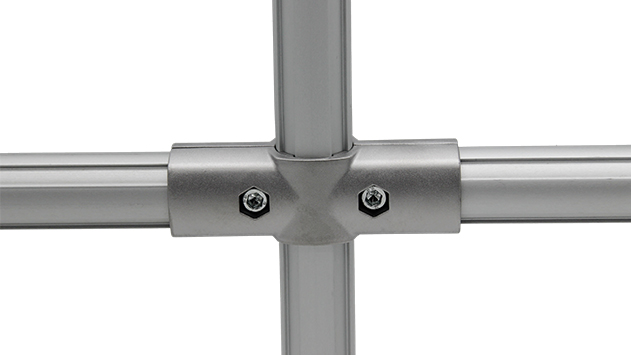
At first glance, a three way aluminum pipe joint might look like little more than a T-shaped piece of metal. But its design is deceptively clever. These joints are engineered to connect three aluminum pipes at 90-degree angles (or custom angles, depending on the model), creating stable, modular structures that can be assembled, disassembled, and reconfigured with minimal effort. No welding, no drilling, no specialized tools—just a simple twist or bolt to secure the pipes in place.
Why does this matter for medical equipment racks? Let's consider a common scenario: a hospital wants to upgrade its medication carts to include additional storage for personal protective equipment (PPE) during a pandemic. With traditional steel racks, this might require ordering entirely new carts or hiring a welder to modify existing ones—costly, time-consuming, and disruptive. With a modular aluminum system using three way joints, the facility can simply add new aluminum extrusion profile shelves to the existing frame, reconfiguring the cart in minutes. This adaptability isn't just convenient; it's a lifeline in crisis situations.
But the real magic of three way joints lies in their impact on sterility and compliance. Let's break that down.
Sterility: No Gaps, No Germs
In healthcare, cleanliness is everything. According to the World Health Organization (WHO), healthcare-associated infections (HAIs) affect millions of patients annually, with contaminated surfaces being a major transmission route. Medical equipment racks, which are touched, moved, and cleaned multiple times a day, are prime targets for bacterial growth—unless their design actively prevents it.
Traditional rack joints (think: welded steel or plastic clips) often have micro-gaps —tiny crevices where moisture, dust, or organic matter can accumulate. Over time, these gaps become breeding grounds for pathogens like Staphylococcus aureus or E. coli . Even rigorous cleaning with disinfectants might not reach these hidden spots, leaving behind a persistent contamination risk.
Three way aluminum pipe joints solve this problem through precision engineering. High-quality joints are machined to fit snugly with aluminum pipes, creating a seamless connection with no gaps. Their smooth, rounded edges (no sharp corners!) prevent debris from catching, and their non-porous aluminum surface is resistant to chemical corrosion—meaning harsh disinfectants (like hydrogen peroxide or quaternary ammonium compounds) can be used without damaging the joint or leaving residue.
Take, for example, a mobile surgical instrument rack used in an operating room. Every surface, including the joints, must be sterilized to meet the strict standards of a sterile field. With a three way aluminum joint, the cleaning staff can wipe down the entire structure with a disinfectant wipe in seconds, confident that no germs are hiding in hard-to-reach places. This not only reduces HAI risks but also saves valuable time during pre-surgery preparations.
Compliance: Meeting the Letter of the Law
Healthcare facilities don't just want to be sterile—they're legally required to be. Regulatory bodies like the FDA, EU MDR, and ISO have strict guidelines for medical device storage, material safety, and infection control. Failure to comply can result in fines, operational shutdowns, or worse, loss of accreditation.
Three way aluminum pipe joints are designed with compliance in mind. Here's how:
- Material Certifications: Reputable manufacturers produce aluminum joints using medical-grade aluminum alloys (often 6061-T6, known for its biocompatibility and corrosion resistance). These alloys are certified to meet standards like ISO 10993 (Biological Evaluation of Medical Devices), ensuring they won't leach harmful substances or trigger allergic reactions.
- Traceability: Many aluminum pipe suppliers provide batch testing reports and material certificates, allowing facilities to track the origin and quality of every joint—critical for audits and compliance documentation.
- Load-Bearing Standards: Medical racks must support heavy loads without bending or collapsing. Three way joints are tested to meet industry load standards (e.g., ANSI/BIFMA for furniture stability), ensuring they can safely hold everything from glass vials to heavy diagnostic equipment.
- Anti-Static Properties: In environments like laboratories or pharmacies, static electricity can damage sensitive equipment or ignite flammable substances. Some three way joints are available with anti-static coatings or conductive materials, complying with standards like IEC 61340 for electrostatic control.
Perhaps most importantly, the modular nature of aluminum systems with three way joints makes compliance easier to maintain over time. When regulations change (as they often do), facilities don't need to replace entire racks—they can simply swap out components or reconfigure the structure to meet new requirements. For example, if a new FDA guideline mandates that medication racks have lockable compartments, adding a lockable shelf using three way joints is a straightforward upgrade, not a complete overhaul.

Real-World Applications: How Three Way Joints Are Transforming Healthcare Spaces
To understand the impact of three way aluminum pipe joints, let's look at a few real-world examples of how they're being used in healthcare settings today.
Case Study 1: Operating Room Instrument Racks
A large urban hospital was struggling with traditional stainless steel instrument racks in its operating rooms. The racks were heavy, difficult to move, and their welded joints had begun to rust in humid conditions, creating potential contamination risks. The hospital switched to a modular aluminum system using three way joints, and the results were immediate: the new racks were 40% lighter (easier for staff to maneuver), their smooth aluminum surfaces were simpler to sterilize, and the joints showed no signs of corrosion after six months of daily cleaning with harsh disinfectants. Most notably, the hospital's HAI rates in those ORs dropped by 18% within a year—a direct result of reduced surface contamination.
Case Study 2: Laboratory Sample Storage Racks
A research lab specializing in infectious disease testing needed racks that could hold thousands of sample tubes while maintaining strict temperature control. Traditional wooden or plastic racks warped under the lab's cold storage conditions, and their fixed shelves made it hard to adjust for different tube sizes. By switching to aluminum extrusion profiles connected with three way joints, the lab created custom racks with adjustable shelf heights, ensuring a perfect fit for every sample type. The aluminum's thermal stability prevented warping, and the seamless joints eliminated gaps where condensation (a breeding ground for mold) could collect. The lab also reported a 30% reduction in time spent on rack cleaning, thanks to the easy-to-wipe surfaces.
Case Study 3: Mobile Medication Carts
A nursing home was facing compliance issues with its medication carts, which often failed inspections due to cluttered, hard-to-clean interiors. The home adopted modular aluminum carts built with three way joints, allowing staff to customize compartments for different medication types, syringes, and PPE. The carts' smooth surfaces and lack of hidden gaps made daily cleaning faster and more effective, and their lightweight design reduced strain on nurses pushing them between rooms. During the next regulatory inspection, the carts passed with zero violations—a first for the facility.

Beyond Joints: The Role of Aluminum Profile Accessories
While three way aluminum pipe joints are the stars of the show, they don't work alone. A range of aluminum profile accessories complement these joints, further enhancing sterility, compliance, and functionality. Let's explore a few key ones:
- End Caps: These simple plastic or aluminum caps fit over the ends of aluminum pipes, preventing dust, moisture, or debris from entering the hollow interior. In medical settings, they're a must-have for maintaining sterility—no more hidden dust bunnies inside the pipes!
- Anti-Slip Pads: Placed under rack feet or shelves, these pads prevent the structure from sliding on smooth hospital floors, reducing the risk of accidents. Many are made from non-porous, latex-free materials to comply with allergy and safety standards.
- Sealed Gaskets: For joints that need extra protection (e.g., in wet environments like dialysis units), silicone or rubber gaskets can be added between the joint and pipe, creating a watertight seal that further blocks contamination.
- Label Holders: Clear, shatterproof label holders attach to aluminum profiles, making it easy to identify rack contents (e.g., "Sterile Instruments" or "Biohazard Samples"). This reduces errors and supports compliance with labeling regulations like OSHA's Hazard Communication Standard.
These accessories might seem small, but they're critical to creating a cohesive, compliant system. When paired with three way joints and aluminum extrusion profiles, they turn a basic rack into a precision tool for healthcare excellence.
Future Trends: Where Aluminum Pipe Systems Are Headed
As healthcare continues to evolve, so too will the technology behind medical equipment racks. Here are a few emerging trends that three way aluminum pipe joints are poised to lead:
Smart Racks: Imagine a medication cart with built-in sensors that track inventory levels or alert staff when a shelf is left open. Aluminum profiles with integrated wiring channels (enabled by three way joints that accommodate cables) are making this possible, turning passive storage into active, data-driven tools.
Sustainability: With healthcare facilities under increasing pressure to reduce their carbon footprints, aluminum's recyclability will become even more valuable. Manufacturers are already developing joints made from recycled aluminum, and modular systems mean less waste when racks need to be updated or replaced.
3D-Printed Customization: While mass-produced three way joints work for most applications, some facilities need ultra-specific angles or designs. 3D printing is enabling the creation of custom aluminum joints tailored to unique needs—e.g., a rack for a specialized MRI machine component—without the high cost of traditional machining.
Conclusion: The Power of the "Small" Component
In the grand scheme of healthcare innovation, three way aluminum pipe joints might not grab headlines like AI-powered diagnostics or robotic surgery. But their impact is undeniable. These simple connectors are redefining what medical equipment racks can be—modular, sterile, compliant, and adaptable to the ever-changing needs of patient care.
For healthcare facilities, the message is clear: when it comes to sterility and compliance, the details matter. Choosing the right materials (aluminum), the right design (modular), and the right connectors (three way joints) isn't just a cost-saving measure—it's an investment in patient safety, staff efficiency, and long-term operational success.
So the next time you walk through a hospital or lab, take a closer look at the racks holding the tools of modern medicine. Chances are, there's a three way aluminum pipe joint holding it all together—quietly, reliably, andly ensuring that healthcare can happen, one connection at a time.