- Company Articles
- Products and Technology
- Product knowledge
- Three Way Aluminum Pipe Joints vs. Plastic Joints: Which Is Better for Manufacturing?

Three Way Aluminum Pipe Joints vs. Plastic Joints: Which Is Better for Manufacturing?
Related Product
Three Way Aluminum Pipe Joint
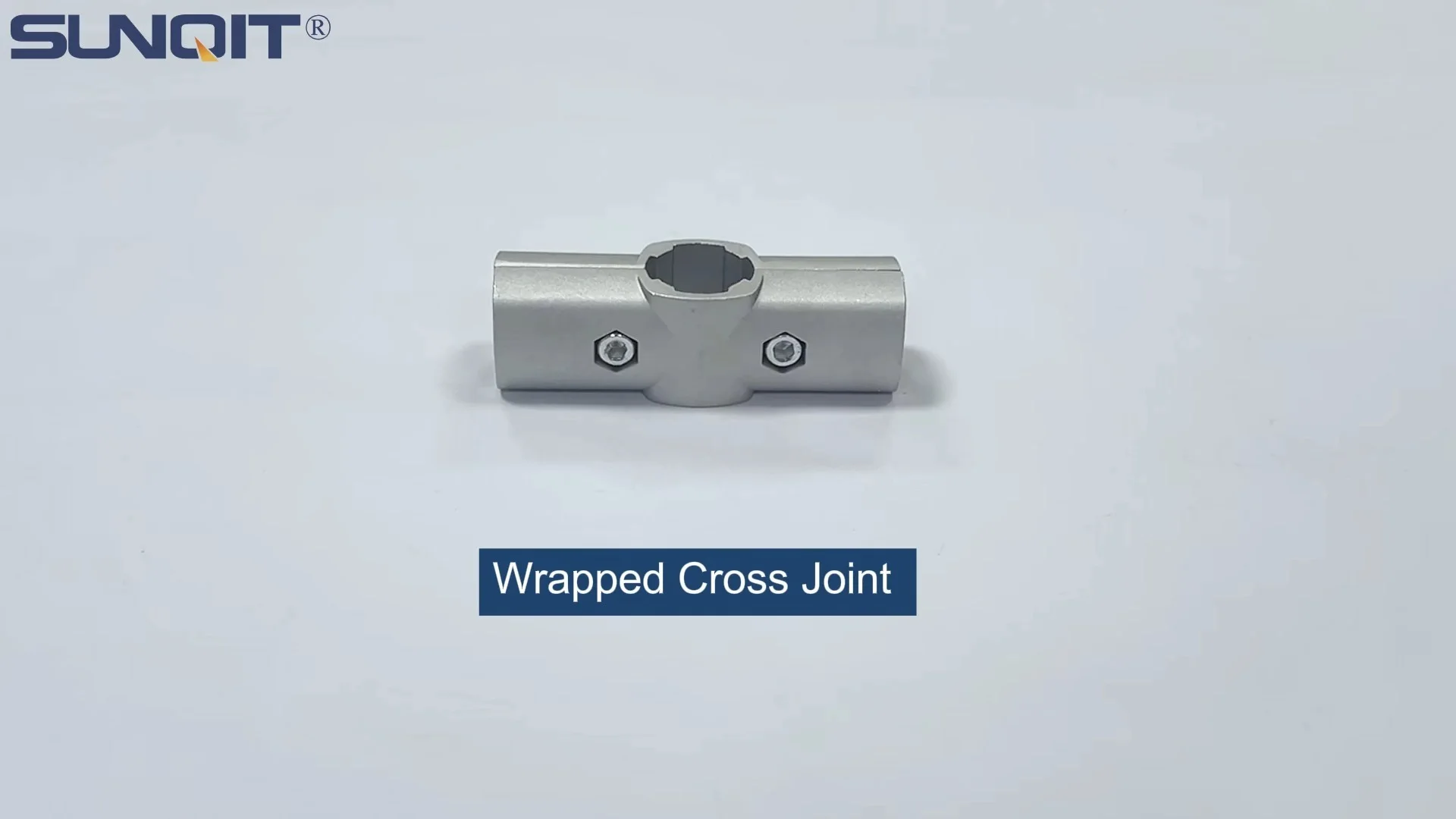
Aluminum 3 way pipe joint for 28mm aluminum pipe connection in 3 direction.
Walk into any manufacturing facility, and you'll notice a silent hero holding everything together: the joints that connect pipes, form workbenches, and structure flow racks. These small components might not grab headlines, but they're the backbone of lean systems, ensuring workflows run smoothly, materials move efficiently, and teams can adapt quickly to changing demands. Among the most critical of these are three way joints—versatile connectors that split pipelines, support shelves, and turn simple pipes into complex, functional structures. But when it comes to choosing between three way aluminum pipe joints and plastic joints, manufacturers often face a tough decision: prioritize strength and durability, or opt for flexibility and cost savings? Let's dive into the nuances of this debate, exploring how each material performs in real-world manufacturing scenarios, and helping you decide which is right for your operation.
Understanding Three Way Joints: The Unsung Architects of Manufacturing Efficiency
Before we compare materials, let's clarify what three way joints do. In manufacturing, especially within lean systems, these joints are the "cornerstones" that transform basic pipes—whether aluminum, steel, or plastic—into usable structures. A three way joint typically has three connection points, allowing pipes to branch off in two or three directions (think of a T-shape or a Y-shape). This versatility makes them indispensable for building lean pipe workbenches, where they might support a shelf above a workstation; flow racks, where they split lanes for different materials; or turnover trolleys, where they reinforce corners to handle heavy loads.
Their role goes beyond just holding pipes together. In lean manufacturing, adaptability is key—production lines need to reconfigure quickly for new products, and workstations must adjust to worker ergonomics. Three way joints enable this flexibility: they're often designed for tool-free assembly, letting teams disassemble and rebuild structures in hours, not days. And because they're compatible with a range of pipes and accessories—like aluminum profile accessories or plastic roller track guide rails—they're the glue that holds entire lean ecosystems together.
Three Way Aluminum Pipe Joints: The Heavy-Duty Contenders
Aluminum has long been a favorite in manufacturing for its unique blend of strength and lightness, and three way aluminum pipe joints carry that legacy forward. Made from aluminum alloys (often combined with other metals to boost durability), these joints are built to handle the rigors of industrial environments. Let's break down their strengths:
1. Strength That Stands Up to Heavy Loads
Aluminum's inherent structural integrity means these joints can support significantly more weight than their plastic counterparts. A typical three way aluminum joint, when paired with aluminum pipes, can easily handle 50-100 kg of evenly distributed weight—critical for lean pipe workbenches used in automotive assembly, where workers might place heavy tools or engine parts. In one automotive plant I visited, they'd switched from plastic to aluminum joints on their main assembly line workbenches after plastic joints began to crack under the weight of torque wrenches and metal components. The aluminum joints, they reported, hadn't shown any signs of wear after two years of daily use.2. Durability in Harsh Environments
Manufacturing floors are tough on equipment: there's exposure to oils, coolants, chemicals, and even temperature fluctuations. Aluminum joints resist corrosion naturally (thanks to a thin oxide layer that forms on their surface), making them ideal for environments like food processing or electronics manufacturing, where cleanliness and resistance to moisture are non-negotiable. Unlike steel, they won't rust, and unlike plastic, they won't degrade when exposed to industrial solvents. I spoke with a manager at a semiconductor plant who noted, "We can't risk metal particles contaminating our circuits, so we use aluminum joints with aluminum pipes. They hold up to our daily cleaning protocols without flaking or corroding."3. Precision and Compatibility with Aluminum Profiles
Aluminum joints are engineered to fit seamlessly with aluminum pipes and aluminum profiles—a key advantage for manufacturers using modular systems. Many three way aluminum joints are designed with T-slots or internal threads that align perfectly with aluminum extrusion profiles, allowing for secure connections without gaps or wobble. This precision is crucial for flow racks, where even a small misalignment can cause materials to jam or slow down. For example, in a pharmaceutical packaging facility, aluminum joints paired with aluminum guide rails ensure that pill bottles glide smoothly along roller tracks, reducing bottlenecks in the packaging line.4. Longevity: A Cost-Saver in the Long Run
While aluminum joints often have a higher upfront cost than plastic, their longevity makes them cost-effective over time. A well-maintained aluminum joint can last 10+ years, even in high-traffic areas. Compare that to plastic joints, which might need replacement every 2-3 years in heavy-use scenarios. A manufacturing consultant I worked with calculated that a mid-sized factory using aluminum joints for their lean pipe workbenches saved 30% on replacement costs over five years compared to a similar facility using plastic.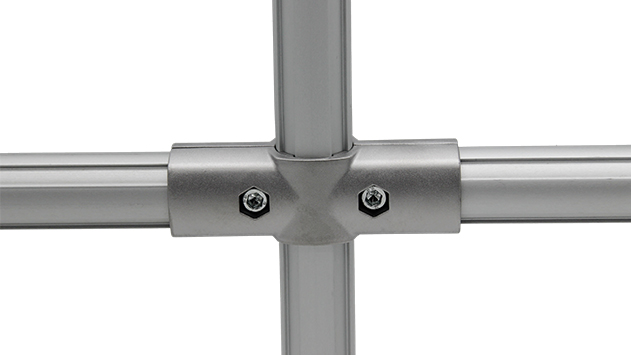
Plastic Joints: The Lightweight, Flexible Alternative
Plastic joints, typically made from polypropylene or nylon, have their own set of advantages that make them appealing for certain manufacturing setups. They're not as strong as aluminum, but they shine in scenarios where flexibility, weight, and cost are priorities. Let's explore their benefits:
1. Lightweight and Easy to Handle
Plastic joints are significantly lighter than aluminum—often weighing 50-70% less. This makes them ideal for structures that need to be moved frequently, like temporary workstations or portable flow racks. For example, a small electronics manufacturer I visited uses plastic joints to build lightweight turnover trolleys that workers can push between assembly lines without straining. The plastic joints keep the trolley's total weight under 20 kg, making it easy for a single person to maneuver, whereas an aluminum version would weigh closer to 35 kg.2. Cost-Effective for Short-Term or Low-Load Applications
Plastic joints are generally cheaper upfront—sometimes half the cost of aluminum. This makes them a smart choice for startups or facilities with tight budgets, especially if they're building low-load structures. A local furniture manufacturer, for instance, uses plastic three way joints to build temporary flow racks for storing lightweight upholstery materials. Since these racks are only used for 6-8 months per product line, the lower cost of plastic joints outweighs the need for long-term durability.3. Corrosion Resistance (Without the Weight of Aluminum)
Like aluminum, plastic is inherently corrosion-resistant, but it adds the bonus of being non-conductive—making it safer for environments with electrical equipment. In battery manufacturing plants, where even a small spark can be dangerous, plastic joints are preferred for workbenches near charging stations. They also won't react with acids or alkalis, making them useful in chemical processing facilities where metal joints might corrode.4. Flexibility in Design
Plastic is easier to mold than aluminum, so manufacturers can create more complex joint shapes. Some plastic three way joints, for example, come with built-in cable management channels or slots for attaching labels—features that simplify workstation organization. A medical device manufacturer I spoke with uses these specialized plastic joints to route wires under their lean pipe workbenches, keeping cords from tangling and reducing tripping hazards.
Head-to-Head: Aluminum vs. Plastic in Key Manufacturing Metrics
To make the decision clearer, let's compare three way aluminum pipe joints and plastic joints across the metrics that matter most to manufacturers:
As the table shows, aluminum joints excel in strength, longevity, and harsh environments, while plastic joints lead in cost, weight, and flexibility. But the "best" choice depends on your specific needs—let's break down when to pick each.
| Metric | Three Way Aluminum Pipe Joints | Plastic Joints |
|---|---|---|
| Max Load Capacity (per joint) | 50-100 kg (evenly distributed) | 15-30 kg (evenly distributed) |
| Expected Lifespan | 10+ years (with proper maintenance) | 2-5 years (heavy use); 5-7 years (light use) |
| Upfront Cost | Higher ($8-$15 per joint) | Lower ($3-$8 per joint) |
| Weight (per joint) | 150-250 grams | 50-100 grams |
| Resistance to Heat/Chemicals | High (resists up to 150°C; withstands oils, solvents) | Moderate (resists up to 80-100°C; may degrade in strong chemicals) |
| Compatibility with Pipes/Accessories | Best with aluminum pipes and aluminum profile accessories; works with steel pipes | Best with plastic pipes; limited compatibility with metal pipes (may slip) |
| Installation Ease | Tool-free (most designs); tight, secure fit | Tool-free; lighter, easier to maneuver during assembly |

When to Choose Three Way Aluminum Pipe Joints
Aluminum joints are the right call when your manufacturing setup demands reliability and performance over the long haul. Here are the scenarios where they shine:
1. Heavy-Duty Workstations and Flow Racks
If your lean pipe workbenches or flow racks regularly hold loads over 30 kg—think automotive parts, metal components, or large machinery—aluminum joints are non-negotiable. A case in point: a heavy machinery plant in Ohio switched to aluminum three way joints after plastic joints failed under the weight of 40 kg engine blocks on their flow racks. The aluminum joints not only supported the load but also reduced vibration, preventing parts from shifting during transport.2. High-Temperature or Harsh Chemical Environments
Manufacturing processes involving heat (e.g., welding stations, lines) or corrosive substances (e.g., battery production, chemical blending) need joints that can withstand extreme conditions. Aluminum joints handle temperatures up to 150°C without warping, and their corrosion resistance means they won't degrade when exposed to oils, coolants, or mild acids. In contrast, plastic joints can soften or crack in temperatures above 100°C, making them a risky choice here.3. Long-Term Lean System Investments
If you're building structures meant to last 5+ years—like permanent assembly lines or core workbenches—aluminum joints offer better ROI. While they cost more upfront, their 10+ year lifespan means you won't spend time or money replacing cracked plastic joints every few years. A food packaging plant in Texas calculated that investing in aluminum joints for their main flow racks saved them $12,000 over 7 years compared to replacing plastic joints annually.4. Compatibility with Aluminum Profiles
If your facility already uses aluminum extrusion profiles or aluminum pipes, three way aluminum joints are the natural choice. They're designed to fit snugly with these components, often using T-slot connections that align with aluminum profile accessories like brackets or guide rails. This compatibility reduces assembly time and ensures a sturdier final structure. For example, an aerospace manufacturer using aluminum profiles for their workbenches reported that aluminum joints cut assembly time by 30% compared to forcing plastic joints to fit aluminum pipes.When to Choose Plastic Joints
Plastic joints aren't "inferior"—they're just specialized. Here are the scenarios where they're the better option:
1. Light-Duty or Temporary Structures
For setups that don't need to support heavy loads—like workbenches for small electronics assembly or flow racks for lightweight materials (e.g., fabrics, foam)—plastic joints work perfectly. A toy manufacturer I visited uses plastic three way joints to build seasonal flow racks for storing holiday-themed packaging materials. These racks are only used for 3-4 months a year, and since the boxes weigh less than 10 kg each, the plastic joints hold up just fine.2. Mobile or Frequently Reconfigured Systems
When you need to move or rebuild structures often—like pop-up workstations for short-run production—plastic's light weight is a game-changer. A contract manufacturer that produces custom promotional items, for example, reconfigures their assembly line every 2-3 weeks for new orders. Using plastic joints lets their team disassemble and rebuild workbenches in under 2 hours, whereas aluminum joints would add weight and time to the process.3. Tight Budgets or Startups
For new manufacturers or facilities with limited capital, plastic joints offer a way to build functional lean systems without breaking the bank. A startup making eco-friendly packaging used plastic three way joints to build their initial lean pipe workbenches and flow racks for under $2,000. As they scaled, they gradually replaced plastic joints with aluminum in high-load areas, but the initial plastic setup let them launch production without a huge upfront investment.4. Non-Conductive or Low-Noise Environments
In industries where electricity or noise is a concern—like electronics manufacturing or medical device assembly—plastic joints have unique advantages. They're non-conductive, reducing the risk of static discharge that could damage sensitive components. They also produce less noise than metal joints when materials slide across flow racks. A medical device plant noted that switching to plastic joints on their pill bottle flow racks cut noise levels by 15 dB, making the workspace quieter for workers.The Role of Accessories: How Joints Work with Pipes and Profiles
No joint works in isolation—it's part of a system that includes pipes, profiles, and accessories. For aluminum joints, compatibility with aluminum profile accessories is a major advantage. These accessories—like aluminum guide rails, roller track placon mounts, or caster wheels—are designed to integrate seamlessly with aluminum joints, creating a cohesive structure. For example, an aluminum guide rail A can slot directly into a three way aluminum joint, providing a smooth surface for roller tracks to glide on. This precision reduces gaps and wobbles, which is critical for flow racks where materials need to move evenly.
Plastic joints, on the other hand, often rely on plastic accessories—like plastic roller track guide rails (yellow or grey)—which are lighter and cheaper but less durable. While some plastic joints can work with metal pipes, the fit is often looser, increasing the risk of slippage over time. For instance, a plastic joint on a steel pipe might start to crack after repeated assembly/disassembly, whereas an aluminum joint would maintain its grip.
When choosing between aluminum and plastic, consider your existing ecosystem. If you already have a stock of aluminum pipes and aluminum profile accessories, aluminum joints will maximize their performance. If you're starting fresh with lightweight plastic pipes, plastic joints will be more cost-effective and easier to assemble.
Debunking Myths: Separating Fact from Fiction
There are a few common misconceptions that cloud the aluminum vs. plastic debate. Let's set the record straight:
Myth 1: "Plastic Joints Are Always Cheaper in the Long Run"
Not true. While plastic joints cost less upfront, their shorter lifespan means higher replacement costs over time. For a lean pipe workbench used daily with moderate loads (20-30 kg), you might replace plastic joints every 2-3 years, whereas aluminum joints would last 10+ years. At $5 per plastic joint vs. $10 per aluminum joint, replacing 10 joints every 3 years costs $50 every 3 years ($16.67/year), while aluminum joints cost $100 once ($10/year over 10 years). Aluminum actually saves money long-term.Myth 2: "Aluminum Joints Are Too Heavy for Mobile Structures"
While aluminum joints are heavier than plastic, the total weight difference for small structures is minimal. A turnover trolley with 10 joints would weigh 1-2 kg more with aluminum joints—hardly enough to hinder mobility for most workers. For truly lightweight needs, you can pair aluminum joints with thinner aluminum pipes (like basic aluminum tubes) to keep total weight down, getting the best of both strength and lightness.Myth 3: "Plastic Joints Can't Handle Any Heavy Loads"
While plastic joints aren't built for 100 kg loads, many can handle 15-30 kg comfortably—enough for light assembly work or storing small parts. The key is to check the manufacturer's load ratings and avoid overloading. A plastic joint rated for 20 kg will fail if you stack 40 kg on it, but that's user error, not a flaw in the material.Conclusion: Choosing the Right Joint for Your Manufacturing Goals
Three way aluminum pipe joints and plastic joints aren't rivals—they're tools for different jobs. Aluminum joints are the workhorses, built for strength, durability, and long-term reliability in heavy-duty, high-stakes environments. They're the best choice for lean pipe workbenches, flow racks, and systems that need to withstand daily abuse, high temperatures, or corrosive substances. Plastic joints, meanwhile, are the flexible problem-solvers: lightweight, cost-effective, and ideal for temporary setups, light loads, or environments where conductivity and noise are concerns.
The decision ultimately comes down to your priorities: Do you need a structure that will last a decade, or one that you'll reconfigure next quarter? Are you moving heavy engine parts, or small circuit boards? Do you have the budget for upfront investment, or do you need to minimize costs to launch production?
Whatever you choose, remember that joints are just one part of the equation. Pair them with the right pipes—aluminum for strength, plastic for lightness—and compatible accessories, and you'll create a lean system that not only holds everything together but helps your manufacturing operation thrive.