- Company Articles
- Products and Technology
- Product knowledge
- Three Way Lean Pipe Joint Chrome: Corrosion Resistance & Durability Features

Three Way Lean Pipe Joint Chrome: Corrosion Resistance & Durability Features
Related Product
Three Way Lean Pipe Joint Chrome
Three way lean pipe joint for 3 pcs 28MM lean pipe connection in straight angle, which used widely in workbench, flow rack, hand trolley frame connection.
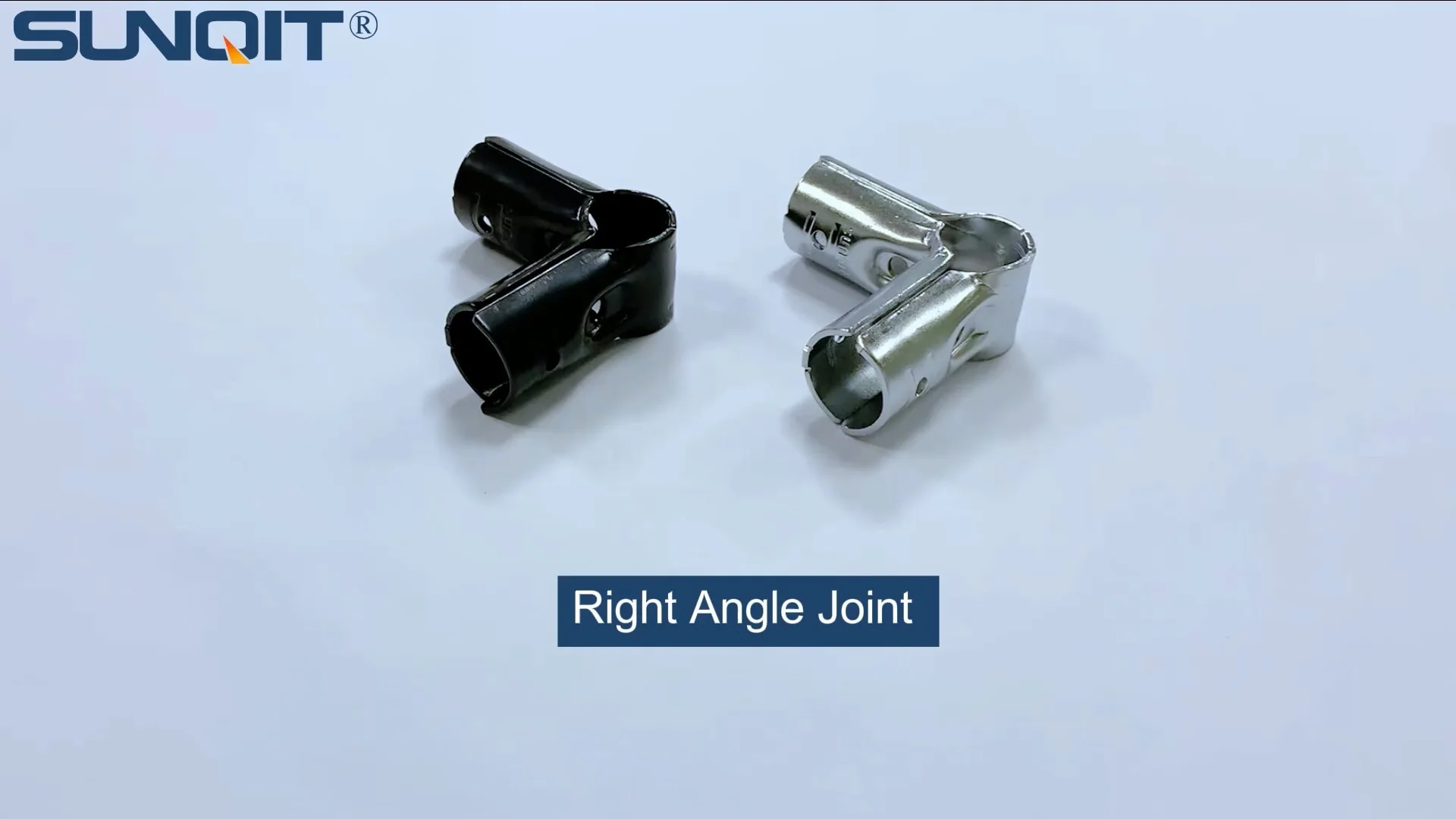
In the fast-paced world of manufacturing, where every second counts and efficiency is the backbone of success, the smallest components often play the biggest roles. Lean manufacturing isn't just a buzzword—it's a philosophy that hinges on eliminating waste, streamlining processes, and building systems that adapt and endure. At the heart of these systems lies a network of tools and components designed to work in harmony, and among them, the three way lean pipe joint chrome stands out as a quiet workhorse. It's not the flashiest piece of equipment on the factory floor, but ask any production manager, and they'll tell you: a reliable joint can mean the difference between smooth operations and costly downtime.
Imagine a busy assembly line where workers rely on sturdy workbenches to assemble electronics, or a warehouse where flow racks keep materials moving seamlessly from station to station. Every connection in those structures—every joint that holds pipes, shelves, and rails together—must withstand constant use, varying weights, and the daily grind of industrial environments. That's where the three way lean pipe joint chrome comes into play. More than just a connector, it's a cornerstone of durability and resilience, engineered to keep lean systems running strong, even in the toughest conditions. In this article, we'll dive deep into what makes this joint so essential, exploring its corrosion resistance, unmatched durability, and how it elevates the performance of lean pipe systems, workbenches, and flow racks across industries.
Understanding the Three Way Lean Pipe Joint Chrome
Before we unpack its features, let's start with the basics: what exactly is a three way lean pipe joint chrome? At its core, it's a specialized connector designed to join three lean pipes at once, forming stable, multi-directional structures. Lean pipes—often made of steel, aluminum, or stainless steel—are the building blocks of lean manufacturing setups, used to create everything from workbenches and material racks to conveyor systems and assembly lines. The joint is the "glue" that holds these pipes together, and the "chrome" in its name refers to the protective plating that sets it apart from standard joints.
But this isn't just any plating. Chrome plating is a process where a thin layer of chromium is electroplated onto the surface of the joint, which is typically made from high-grade steel. This layer isn't just for aesthetics (though it does give the joint a sleek, silver finish); it's a functional shield. In industrial settings, where dust, moisture, oils, and even chemicals are part of the daily landscape, unprotected metal joints can quickly degrade. Rust forms, connections loosen, and before long, the entire structure becomes wobbly or unsafe. The three way lean pipe joint chrome is engineered to fight back against these threats, ensuring that the connections it forms stay tight and reliable for years.
What makes the "three way" design so valuable? In lean systems, flexibility is key. Factories and warehouses rarely have static layouts; as production needs change, so do the structures. A three way joint allows for the creation of T-shaped or Y-shaped connections, enabling the assembly of complex, multi-level structures without the need for multiple separate joints. For example, a lean pipe workbench might use three way joints to add side shelves or tool holders, while a flow rack could use them to branch out into additional lanes for materials. This versatility reduces the number of components needed, simplifies assembly, and makes reconfiguring structures faster—a critical advantage in lean environments where adaptability equals efficiency.
Corrosion Resistance: A Shield Against the Elements
Why Corrosion Matters in Industrial Settings
Corrosion is the silent enemy of industrial equipment. It starts as a small spot of rust, barely noticeable, but over time, it eats away at metal, weakening structures and compromising safety. In manufacturing facilities, especially those with high humidity (like food processing plants), exposure to water (from cleaning routines), or dusty environments (like automotive workshops), corrosion can shorten the lifespan of equipment by years. For lean pipe systems, which are often used in these exact conditions, a joint that resists corrosion isn't just a nice feature—it's a necessity.
Consider a typical day in a electronics assembly plant. The floor is cleaned twice daily with water and mild detergents to prevent dust buildup on sensitive components. Overhead sprinklers might kick in during shift changes to keep the air moist and reduce static electricity. In this environment, a standard steel joint without protective plating would start showing signs of rust within months. As rust forms, the joint's grip on the pipes loosens, leading to wobbly workbenches or unstable flow racks. Workers might adjust the joints repeatedly, wasting time, or worse, a shelf could collapse under the weight of materials, causing delays and potential injuries. The three way lean pipe joint chrome eliminates this risk by creating a barrier between the steel core and the elements.
How Chrome Plating Delivers Corrosion Resistance
The secret to the joint's corrosion resistance lies in the chrome plating process. Chromium is a naturally corrosion-resistant metal, but when electroplated onto steel, it forms a hard, non-porous layer that acts like armor. Here's how it works: the joint is first cleaned and treated to remove any impurities, then submerged in a bath of chromium ions. An electric current is applied, causing the ions to bond to the steel surface, creating a layer that's just microns thick but incredibly tough. This layer doesn't just repel water; it also resists chemicals, oils, and salts—common culprits of corrosion in industrial settings.
But chrome plating isn't just about the chromium itself. The process also involves pre-treatments like zinc plating (a "undercoat") in some cases, which adds an extra layer of protection. If the chrome layer ever gets scratched (a rare occurrence, given its hardness), the underlying zinc or steel is still shielded from direct contact with moisture. This "sacrificial" protection ensures that even minor damage doesn't lead to rapid corrosion. In contrast, joints with paint or powder coatings can chip easily, exposing the metal underneath and accelerating rust.
To put this into perspective, let's compare the corrosion resistance of chrome-plated joints with other common options. A study by a leading industrial components manufacturer tested three joint types in a humid environment (85% humidity, 30°C temperature) over 12 months: non-plated steel, powder-coated steel, and chrome-plated steel. The results were striking: non-plated joints showed significant rust after 3 months, powder-coated joints began chipping and rusting at 6 months, while chrome-plated joints remained rust-free, with only minor surface discoloration by the end of the test. For factories looking to minimize replacement costs and maximize uptime, this difference is game-changing.

Durability: Built to Handle the Grind
The Steel Core: Strength from the Inside Out
While corrosion resistance protects the joint from the outside, durability starts from within. The three way lean pipe joint chrome is built around a core of high-strength steel, chosen for its ability to withstand heavy loads and repeated stress. Not all steel is created equal, though—manufacturers of quality chrome joints use low-carbon steel with a tensile strength of at least 450 MPa (megapascals), ensuring that the joint can handle the weight of materials without bending or warping.
Let's put that into context. A typical lean pipe workbench used in automotive assembly might hold tools, parts bins, and a laptop for quality checks—easily 150-200 kg of weight. The joints holding the workbench's frame together must support this load day in and day out, often with workers leaning on the bench or placing heavy components on it. A joint with a weak steel core would start to deform over time, causing the bench to sag or become uneven. This isn't just a matter of inconvenience; an uneven workbench can lead to errors in assembly, as parts don't sit flat, or strain on workers' backs as they adjust their posture to compensate. The high-strength steel core of the chrome joint ensures that even under constant load, the joint maintains its shape and grip.
Wear Resistance: Standing Up to Repeated Use
Durability isn't just about load capacity—it's also about how well a joint holds up to repeated assembly and disassembly. In lean manufacturing, structures are rarely permanent. A flow rack that's used for one product line might need to be reconfigured next month for a new model, requiring workers to take apart the joints, adjust the pipes, and reattach them. Each time a joint is tightened or loosened, the threads and contact points experience friction, which can wear down weaker materials.
The chrome plating on the three way lean pipe joint chrome adds a hard, smooth surface that resists wear. Chromium has a hardness of around 800-1000 HV (Vickers hardness), compared to standard steel's 150-200 HV. This means that even after dozens of assembly cycles, the threads on the joint remain sharp, and the contact points where the pipe meets the joint don't become pitted or worn. In contrast, a plastic joint might crack after a few uses, and an unplated steel joint could develop burrs on the threads, making it difficult to tighten securely. The result? Less time spent replacing worn joints and more time focused on production.
Load Capacity: Supporting Lean Systems with Confidence
When designing a lean system, knowing the load capacity of each component is critical. A three way lean pipe joint chrome is typically rated to support between 150-250 kg of vertical load, depending on the pipe diameter and the quality of the joint. This makes it suitable for a wide range of applications, from light-duty workbenches to heavy-duty material racks.
Take a material rack B (3 row and 3 floor)—a common setup in warehouses for storing boxes of components. Each shelf might hold 10 boxes, each weighing 10 kg, totaling 300 kg per rack. The three way joints at the corners of the rack must support this weight, plus the weight of the pipes and shelves themselves. A joint with a lower load capacity might buckle under the strain, causing the shelves to tilt or collapse. The chrome joint's steel core and precision engineering ensure that it can handle these loads without failure, giving managers peace of mind that their material storage systems are safe and reliable.

Design and Functionality: More Than Just a Connector
A joint's job is to connect pipes, but a well-designed joint does much more: it simplifies assembly, enhances stability, and adapts to different configurations. The three way lean pipe joint chrome excels in all these areas, thanks to thoughtful engineering that prioritizes both functionality and ease of use.
One of the key design features is the precision-machined threads. Unlike some budget joints with rough, uneven threads, the chrome joint's threads are cut with tight tolerances, ensuring a snug fit with the pipes. This reduces wobble in the structure and makes it easier to tighten the joint securely with just a wrench—no need for excessive force or additional tools. The three-way design itself is also optimized for balance: the three connection points are spaced evenly around the joint, distributing weight evenly across the structure. This symmetry reduces stress on individual pipes, preventing bending or cracking over time.
Another standout feature is the rounded edges of the joint. In busy factories, workers are constantly moving around, and sharp edges on equipment can lead to cuts or scrapes. The chrome joint's smooth, rounded design eliminates this hazard, making the workplace safer. It also reduces the risk of damaging products that might brush against the joint—important in industries like electronics, where even a small scratch can ruin a component.
Applications: Where the Three Way Lean Pipe Joint Chrome Shines
Lean Pipe Workbenches: The Foundation of Efficient Assembly
Lean pipe workbenches are the workhorses of assembly lines, providing workers with a stable, organized surface to build products. Whether it's assembling circuit boards, packaging goods, or repairing machinery, the workbench must be sturdy, adjustable, and resistant to the wear and tear of daily use. The three way lean pipe joint chrome is a critical component here, used to connect the pipes that form the bench's frame, legs, and accessories like tool hooks or side shelves.
Consider a workbench E (single deck-without caster), a popular model in small assembly cells. The frame is built using 28mm lean pipes connected by three way chrome joints. The joints at the corners connect the vertical legs to the horizontal rails, while additional joints add a lower shelf for storing tools. Because the chrome joints resist corrosion, the workbench can be used in environments like cleanrooms or food processing areas, where frequent cleaning with water is required. And because they're durable, the workbench can be reconfigured with new accessories (like a monitor arm or a parts bin holder) without worrying about the joints wearing out.
Flow Racks: Keeping Materials Moving Smoothly
Flow racks are designed to keep materials moving from the back to the front, using gravity to feed components to workers at the assembly line. They're a staple in lean manufacturing, as they reduce the need for workers to walk to retrieve materials, saving time and reducing waste. The three way lean pipe joint chrome is used to build the frame of the flow rack, supporting the roller tracks that carry the materials.
A typical flow rack might have multiple lanes, each with roller tracks, and the three way joints are used to connect the vertical supports to the horizontal rails that hold the tracks. In a busy warehouse, these racks are loaded and unloaded hundreds of times per day, with boxes sliding along the tracks and putting stress on the joints. The chrome joint's durability ensures that the rack remains stable, even with constant use, and its corrosion resistance means it can withstand the dust and occasional spills that are common in warehouse settings.
Assembly Lines: Flexibility for Changing Production Needs
Assembly lines are dynamic environments, where the layout can change weekly based on production schedules. The three way lean pipe joint chrome's flexibility makes it ideal for building temporary or semi-permanent structures like line-side material racks, tool boards, or even temporary workstations.
For example, when a new product is introduced, a manufacturer might need to add a temporary assembly station alongside the main line. Using lean pipes and three way chrome joints, workers can quickly build a small workbench with shelves for parts and a roller track to feed components from the main line. Once the product run is complete, the station can be disassembled, and the joints and pipes can be reused to build something else. This adaptability is a hallmark of lean manufacturing, and the chrome joint makes it possible without sacrificing stability or safety.
Comparing Three Way Lean Pipe Joint Chrome with Other Joint Types
To truly appreciate the value of the three way lean pipe joint chrome, it helps to compare it with other common joint types used in lean systems. Below is a table highlighting key differences in corrosion resistance, durability, and functionality:
| Joint Type | Corrosion Resistance | Durability (Wear & Load) | Best For | Lifespan (Typical) |
|---|---|---|---|---|
| Three Way Lean Pipe Joint Chrome | Excellent (chrome plating resists rust, moisture, and chemicals) | High (steel core, 150-250 kg load capacity, wear-resistant threads) | Humid/dusty environments, heavy loads, frequent reconfiguration | 5-7 years |
| Aluminum Lean Pipe Joint | Good (aluminum naturally resists corrosion) | Medium (lower load capacity: 80-150 kg, softer material prone to wear) | Light-duty applications, cleanrooms, non-industrial settings | 3-5 years |
| Non-Chrome Steel Joint | Poor (prone to rust in humid/dusty environments) | Medium-High (similar load capacity to chrome, but threads wear faster) | Dry, low-moisture environments, temporary structures | 2-3 years |
| Plastic Joint | Good (resists moisture, but not chemicals) | Low (load capacity: 30-50 kg, prone to cracking/breaking) | Ultra-light applications, temporary displays, non-industrial use | 1-2 years |
As the table shows, the three way lean pipe joint chrome outperforms other joint types in corrosion resistance and durability, making it the best choice for industrial settings where reliability is critical. While aluminum joints offer good corrosion resistance, they can't match the chrome joint's load capacity or wear resistance. Non-chrome steel joints are cheaper upfront but cost more in the long run due to frequent replacements. Plastic joints are lightweight but too fragile for most manufacturing applications.
Installation and Maintenance: Getting the Most from Your Chrome Joints
Tips for Proper Installation
To ensure your three way lean pipe joint chrome performs at its best, proper installation is key. Here are a few tips to keep in mind:
1. Clean the pipes first: Before attaching the joint, wipe the ends of the lean pipes with a clean cloth to remove dust, oil, or debris. This ensures a tight, secure fit and prevents scratches on the chrome plating.
2. Don't over-tighten: While it's important to tighten the joint securely, over-tightening can strip the threads or damage the pipe. Use a torque wrench if available, following the manufacturer's recommended torque settings (typically 25-30 Nm for most joints).
3. Check alignment: Ensure the three pipes are aligned correctly before fully tightening the joint. Misaligned pipes can put extra stress on the joint, leading to premature wear.
4. Use compatible pipes: Chrome joints are designed to work with standard lean pipes (usually 28mm diameter). Using pipes with a different diameter can result in loose connections or damage to the joint.
Simple Maintenance for Longevity
Maintaining your three way lean pipe joint chrome is easy and requires minimal effort:
1. Regular cleaning: Wipe the joints with a damp cloth every few months to remove dust and grime. For stubborn stains, use a mild detergent—avoid abrasive cleaners, which can scratch the chrome plating.
2. Lubricate threads occasionally: If you plan to disassemble and reconfigure the joint frequently, apply a small amount of machine oil to the threads to reduce friction and wear.
3. Inspect for damage: During routine checks, look for signs of rust (unlikely with chrome, but possible if the plating is scratched), bent threads, or cracks. replace any damaged joints immediately to prevent structural issues.
Conclusion: The Quiet Hero of Lean Manufacturing
In the world of lean manufacturing, where every component is chosen for its ability to reduce waste and boost efficiency, the three way lean pipe joint chrome stands out as a but indispensable tool. Its corrosion resistance ensures it thrives in harsh industrial environments, from humid factories to dusty warehouses. Its durability means it can handle heavy loads, repeated assembly cycles, and years of daily use without faltering. And its thoughtful design makes it flexible enough to adapt to changing production needs, helping manufacturers stay agile in a competitive market.
Whether it's holding together a lean pipe workbench where precision assembly happens, supporting a flow rack that keeps materials moving, or forming the corners of a material rack B (3 row and 3 floor) in a busy warehouse, this joint plays a critical role in keeping operations running smoothly. It's a reminder that in manufacturing, success often lies in the details—the small, reliable components that work behind the scenes to build systems that last.
So the next time you walk through a factory or warehouse, take a moment to look at the structures around you. Chances are, you'll spot a three way lean pipe joint chrome holding it all together. And now, you'll know: that small, shiny connector is more than just a joint—it's a symbol of the efficiency, durability, and innovation that define lean manufacturing.