- Company Articles
- Products and Technology
- Product knowledge
- Three Way Lean Pipe Joint Chrome: Environmental Impact in Sustainable Manufacturing

Three Way Lean Pipe Joint Chrome: Environmental Impact in Sustainable Manufacturing
Related Product
Three Way Lean Pipe Joint Chrome
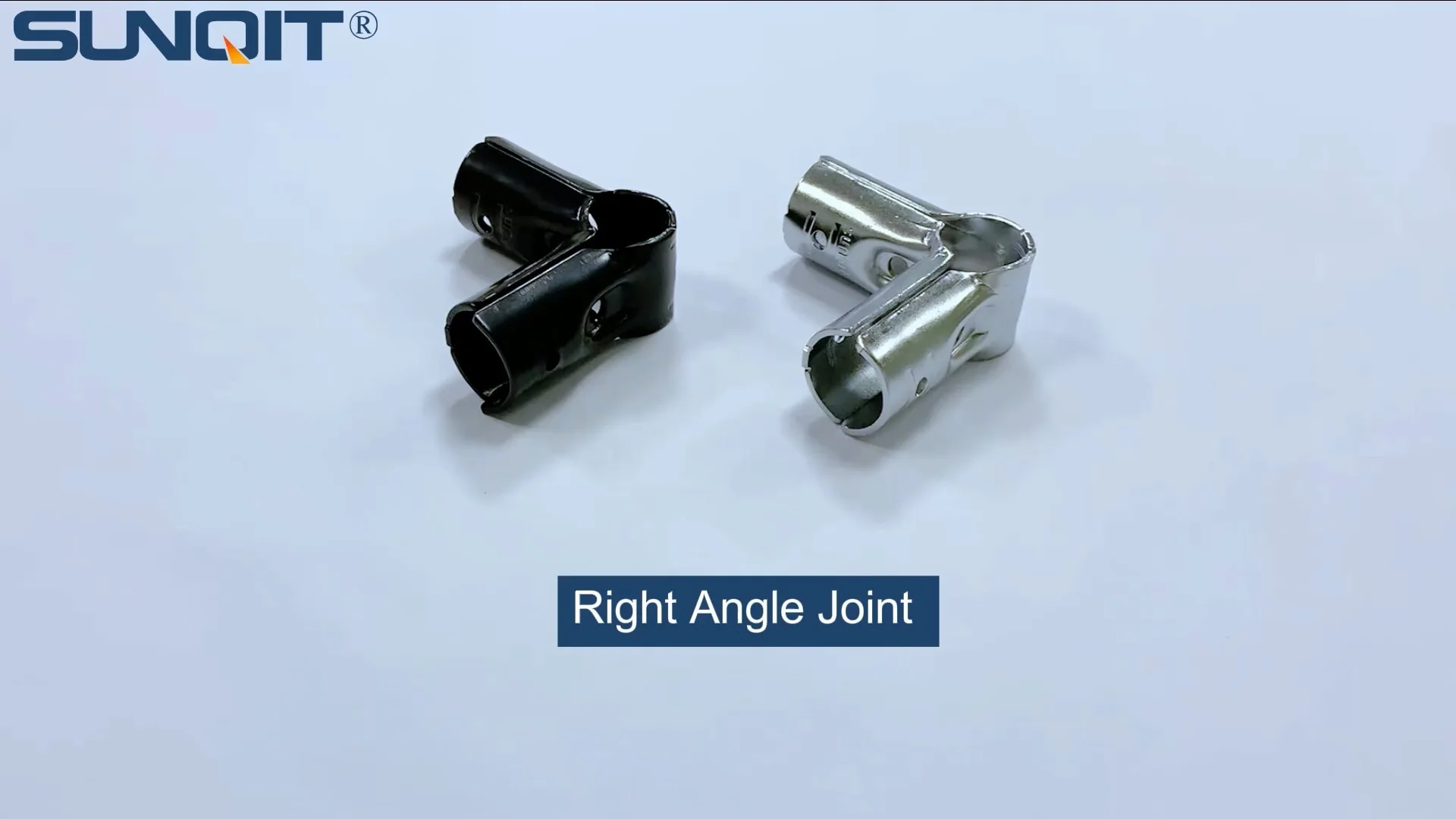
Three way lean pipe joint for 3 pcs 28MM lean pipe connection in straight angle, which used widely in workbench, flow rack, hand trolley frame connection.
Walk into any manufacturing plant today, and you'll feel it—the energy of production, the rhythm of assembly lines, the quiet hum of machines working in harmony. But if you listen closely, there's another sound too: the rustle of sustainability reports, the buzz of teams brainstorming waste reduction, and the clink of tools being reimagined for a greener future. In 2025, manufacturing isn't just about making things anymore; it's about making things responsibly . And in that mission, even the smallest components are stepping into the spotlight—like the three way lean pipe joint chrome.
At first glance, it's easy to overlook a joint. It's a tiny piece of metal, after all—maybe a few inches across, with threads or prongs that lock into place. But on the factory floor, those joints are the unsung heroes of lean pipe systems: the modular frameworks that hold up workbenches, guide roller tracks, and keep materials flowing smoothly. And as manufacturers race to cut carbon footprints, reduce waste, and build circular supply chains, the question isn't just "Does this joint work?" but "How does it work for the planet ?"
Lean Manufacturing: Where Efficiency Meets Sustainability
Before we dive into the specifics of three way lean pipe joint chrome, let's take a step back. Lean manufacturing has been around for decades, born from the idea that waste—whether time, materials, or energy—is the enemy of efficiency. But in recent years, "lean" has gotten a makeover. It's no longer just about trimming costs; it's about trimming environmental impact, too. A lean system that uses less material, reuses components, and avoids overproduction isn't just good for the bottom line—it's good for the Earth.
Modular systems are the backbone of this new era of lean manufacturing. Unlike rigid, one-size-fits-all production lines, modular setups use interchangeable parts—think lean pipe, joints, and accessories—to adapt to changing needs. Need to reconfigure a workbench for a new product? Swap out a few pipes. Scale up a roller track to handle more materials? Add extra sections. This flexibility doesn't just save time; it saves resources. When you can reuse 80% of your existing components instead of building something new from scratch, you're cutting down on the raw materials, energy, and emissions that come with manufacturing.
And that's where the three way lean pipe joint chrome comes in. It's the connective tissue of these modular systems. A three way joint, as the name suggests, lets you connect three lean pipes at once—say, building a corner of a workbench or branching a roller track to feed two assembly stations. Its design is simple but genius: strong enough to hold heavy loads, yet easy enough to disassemble when it's time for a change. But here's the catch: not all joints are created equal. The materials, the manufacturing process, and even the finish (like that chrome plating) can make a big difference in how sustainable the joint really is.
The Three Way Lean Pipe Joint Chrome: Design, Function, and Material Choices
Let's get up close with the star of the show: the three way lean pipe joint chrome. Most of these joints are made from steel—durable, strong, and familiar to manufacturers. Then, they're coated in chrome, a shiny layer that adds corrosion resistance, making the joint last longer in damp or dusty factory environments. On the surface, that makes sense: a longer-lasting joint means fewer replacements, which should be better for the environment, right? But sustainability is rarely that straightforward.
First, let's talk about the steel. Steel production is energy-intensive—think blast furnaces, high temperatures, and a significant carbon footprint. But steel is also one of the most recycled materials on the planet, with a recycling rate of over 90% in many countries. So if the steel in the joint comes from recycled sources, that already cuts down on its environmental impact. Then there's the chrome plating. Chrome plating uses toxic chemicals like hexavalent chromium, which can be harmful to workers and ecosystems if not handled properly. Modern plating facilities have strict regulations to prevent pollution, but the process still requires energy and water, adding to the joint's overall footprint.
But here's the flip side: chrome-plated joints are tough. In a busy factory, where pipes are bumped, tools are dropped, and materials slide across surfaces, a chrome coating can mean the difference between a joint that lasts 5 years and one that lasts 10. That longevity matters. A joint that needs replacing half as often reduces the demand for new steel, new plating, and new transportation—all of which add up to lower emissions over time. It's a classic sustainability trade-off: higher upfront impact vs. lower long-term impact.

Environmental Impact: From Factory to Factory Floor
To really understand the sustainability of three way lean pipe joint chrome, we need to look at its entire lifecycle: from raw material extraction to production, use, and eventual disposal. Let's break it down step by step.
1. Raw Materials and Production
The journey starts with steel. If the steel is virgin (made from iron ore), its production releases a lot of CO2—about 1.8 tons of CO2 per ton of steel, according to the World Steel Association. But if it's recycled steel (scrap metal melted down and reused), that number drops to just 0.3 tons of CO2 per ton—a 83% reduction! That's a huge win. Many lean pipe suppliers now prioritize recycled steel for their joints, which is a step in the right direction.
Then comes the chrome plating. The process involves submerging the steel joint in a bath of chromium solution and running an electric current through it—a method called electroplating. This uses energy (to heat the bath and power the current) and water (to rinse the joint afterward). The biggest concern, though, is the chemicals. Hexavalent chromium, if not treated properly, can leach into waterways, harming aquatic life and human health. But modern plating facilities use closed-loop systems that capture and reuse chemicals, and strict wastewater treatment to neutralize toxins. While not perfect, these measures drastically reduce the environmental risk.
2. The Use Phase: Durability and Efficiency
Once the joint is installed on the factory floor, its environmental impact shifts from "what went into making it" to "how much it saves while in use." Here, chrome-plated joints have a clear advantage: durability. In a 2023 study by the Lean Manufacturing Institute, chrome-plated lean pipe joints were found to last 30% longer than unplated steel joints in high-moisture environments (like food processing plants) and 20% longer in standard manufacturing settings. That means fewer replacements, which translates to less demand for new joints—and all the energy and materials that go into making them.
But durability isn't the only factor. The modularity of lean pipe systems, enabled by joints like the three way, also plays a role. Let's say a manufacturer needs to switch from producing Product A to Product B, which requires a narrower workbench. With a modular setup, they can disassemble the existing workbench, reuse the pipes and joints, and rebuild the new one. Without modularity, they might have to buy a whole new workbench, which means more steel, more energy, and more waste. A 2024 survey of lean pipe suppliers found that customers who used modular systems reported 40% less material waste from reconfigurations compared to fixed systems.
3. End-of-Life: Recycling and Disposal
Eventually, even the toughest joint reaches the end of its life. Maybe it's bent beyond repair, or the chrome has worn thin, leaving the steel vulnerable to rust. What happens next? Steel is highly recyclable, but the chrome plating can complicate things. When steel is recycled, the chrome can end up in the slag (a byproduct of smelting) or, in some cases, contaminate the recycled steel if not properly separated. This means some recycling facilities are hesitant to take chrome-plated steel, leading to joints being sent to landfills instead.
That said, progress is being made. Some lean pipe suppliers now offer take-back programs, where they collect old joints, strip off the chrome (using chemical or mechanical methods), and recycle the steel. It's a small step, but it's growing. In Europe, for example, the EU's Waste Framework Directive requires manufacturers to take responsibility for their products' end-of-life, pushing more suppliers to invest in recycling solutions for components like chrome-plated joints.

Comparing the Alternatives: Is Chrome the Best Choice?
Of course, chrome-plated steel isn't the only option for three way joints. Let's take a look at two popular alternatives—aluminum profile joints and stainless steel joints—and see how they stack up environmentally.
| Feature | Three Way Lean Pipe Joint Chrome (Steel) | Aluminum Profile Joint | Stainless Steel Joint |
|---|---|---|---|
| Production Energy (kWh/kg) | 6.3 (recycled steel) | 5.5 (recycled aluminum) | 7.8 (virgin stainless steel) |
| Recyclability Rate | 75% (chrome complicates recycling) | 95% (aluminum is easily recycled) | 90% (stainless steel is highly recyclable) |
| Typical Lifespan (Years) | 8–10 | 6–8 (less durable than steel) | 10–12 (most durable, but heavier) |
| Carbon Footprint (kg CO2e/unit) | 2.1 | 1.8 | 3.2 |
| Best For | General manufacturing, moderate moisture | Lightweight applications, quick reconfigurations | High-corrosion environments (chemical plants) |
Aluminum profile joints, for example, have a lower carbon footprint and are easier to recycle—aluminum can be recycled infinitely with 95% less energy than producing it from bauxite ore. But they're also less strong than steel, so they're better for lighter loads. Stainless steel joints are super durable and recyclable, but they're heavier (which increases transportation emissions) and more energy-intensive to produce. So, there's no one "perfect" joint—it depends on the application. For many manufacturers, though, chrome-plated steel strikes a balance: strong, long-lasting, and adaptable to most factory environments.
Case Study: GreenTech Assembly Plant's Lean Journey
Let's put this all into context with a real-world example. GreenTech Assembly, a mid-sized electronics manufacturer in Ohio, made the switch to modular lean pipe systems in 2022. They replaced their old fixed steel workbenches with lean pipe setups using three way lean pipe joint chrome, and the results were eye-opening.
First, they saw a 25% reduction in material waste from reconfigurations. In 2023 alone, they reconfigured their production line four times (for new phone models) and reused 90% of their pipes and joints each time. Before, with fixed workbenches, they would have scrapped the old benches and bought new ones, generating 2 tons of steel waste annually. With modular systems, that waste dropped to just 0.4 tons.
Energy use also improved. The lighter lean pipe workbenches were easier to move, reducing the need for forklifts (which guzzle fuel) and cutting warehouse energy use by 12%. And because the chrome-plated joints lasted longer, they only needed to replace 10% of their joints in two years, compared to 30% of the unplated joints they used before.
GreenTech's sustainability manager, Maria Gonzalez, summed it up: "We didn't just switch to lean systems for efficiency—we did it for the planet. The three way joints might seem small, but when you multiply their impact across our 10 production lines, it adds up. We're saving money and reducing our carbon footprint, and that's a win-win."
The Future: Innovations in Sustainable Joint Design
Manufacturers and lean pipe suppliers aren't resting on their laurels, though. The push for sustainability is driving innovation in joint design, with three key trends emerging:
1. Chrome-Free Coatings
Some suppliers are experimenting with alternatives to chrome plating, like zinc-nickel coatings or powder coating. Zinc-nickel offers similar corrosion resistance to chrome but uses less toxic chemicals, and powder coating (a dry paint applied electrostatically) emits fewer VOCs (volatile organic compounds). Early tests show these coatings last about 80% as long as chrome in high-wear environments—close enough to make them a viable option for many manufacturers.
2. Recycled and Low-Impact Materials
Lean pipe suppliers are also upping their use of recycled materials. One major supplier, LeanLine Solutions, now uses 100% recycled steel in all their joints, cutting production emissions by 50%. Others are blending steel with recycled aluminum to reduce weight without sacrificing strength, making transportation more efficient.
3. Design for Disassembly
The easier a joint is to take apart, the easier it is to recycle. New joint designs feature snap-together mechanisms instead of welded parts, so when a joint reaches the end of its life, the steel and coating can be separated quickly. Some suppliers even stamp QR codes on joints, so recyclers know exactly what materials they're dealing with and how to process them.
Conclusion: Small Joints, Big Impact
Sustainability in manufacturing is often talked about in grand terms: renewable energy, electric vehicles, zero-waste factories. But the truth is, it's also in the details—the three way lean pipe joint chrome holding up a workbench, the roller track guiding materials to their next stop, the way we design, build, and rebuild the tools of production. These small components might not make headlines, but they're the building blocks of a greener industry.
The three way lean pipe joint chrome isn't perfect. Its production uses energy and chemicals, and recycling can be tricky. But when compared to the alternatives, it offers a strong balance of durability, flexibility, and environmental responsibility—especially when paired with modular lean systems that maximize reuse. And as suppliers innovate with recycled materials, chrome-free coatings, and smarter designs, even these small joints will get greener.
So, the next time you walk through a factory, take a second look at those metal joints. They're more than just connectors. They're a reminder that sustainability isn't about one big solution—it's about a million small choices, adding up to something bigger. And in that journey, every joint counts.