- Company Articles
- Products and Technology
- Product knowledge
- Three Way Lean Pipe Joint Chrome: Heat Resistance and Temperature Tolerance

Three Way Lean Pipe Joint Chrome: Heat Resistance and Temperature Tolerance
Related Product
Three Way Lean Pipe Joint Chrome
Three way lean pipe joint for 3 pcs 28MM lean pipe connection in straight angle, which used widely in workbench, flow rack, hand trolley frame connection.
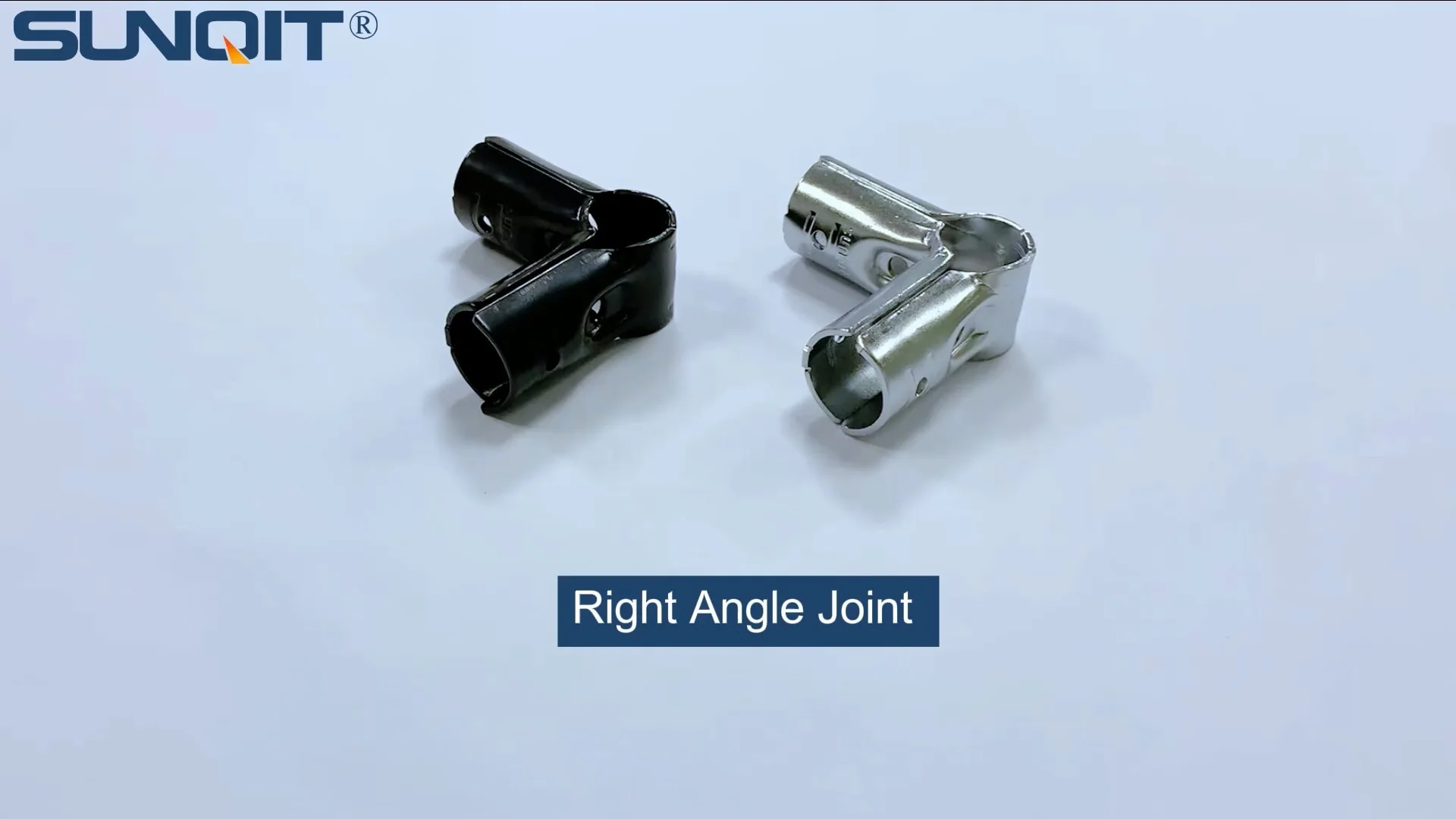
Walk through any modern manufacturing facility, and you'll quickly spot the unsung heroes keeping operations running smoothly: lean systems. These modular setups, built from interconnected lean pipes, joints, and accessories, form the backbone of assembly lines, workstations, and material handling processes. They're designed to be flexible, efficient, and adaptable—qualities that make them indispensable in fast-paced industries like automotive, electronics, and food processing. But here's the thing: not all lean system components are created equal. When production environments heat up—whether from welding stations, curing ovens, or high ambient temperatures—some parts falter. That's where the three way lean pipe joint chrome steps in. More than just a connector, this small but mighty component is engineered to stand up to heat, ensuring your lean system stays stable, safe, and productive even when the mercury rises.
Lean Systems 101: Why Joints Matter
Before diving into the specifics of chrome joints, let's take a step back and appreciate what lean systems bring to the table. At their core, lean systems are about eliminating waste—whether that's wasted time, space, or materials. They use modular lean pipes (hollow tubes typically made of steel, aluminum, or stainless steel) and joints to create customizable structures: think workbenches, flow racks, conveyors, and turnover trolleys. The magic lies in their flexibility: with the right joints, you can reconfigure a workstation in hours, not days, to adapt to new products or production demands.
But flexibility means nothing if the system isn't strong. Every joint in a lean system is a critical stress point. It's where pipes intersect, where weight is distributed, and where movement (like the sliding of materials on a flow rack) generates friction. In high-temperature environments, this stress multiplies. Heat causes materials to expand, contracts to weaken, and coatings to degrade. A joint that works perfectly in a climate-controlled factory might loosen, warp, or even fail when exposed to repeated temperature spikes. That's a problem not just for productivity—sudden joint failure can lead to equipment damage, workflow delays, or even safety hazards for workers.
The Heat Challenge: How Temperature Affects Lean Components
Manufacturing floors are rarely "comfortable." In automotive plants, welding bays can reach 120°F (49°C) or more during peak production. Electronics assembly lines often use soldering stations that emit localized heat, while food processing facilities may have hot water sanitization zones. Even warehouses in warm climates can see ambient temperatures climb into the 90s (°F) during summer months. For lean systems, these conditions test every component, but joints are particularly vulnerable.
Standard joints—often made of plain steel or plastic—struggle here. Uncoated steel joints, for example, may corrode faster when heat accelerates oxidation. Plastic joints can soften or warp at high temperatures, losing their grip on pipes. Even aluminum joints, while lightweight and corrosion-resistant, have lower melting points than steel and may not hold up in extreme heat. When a joint weakens, the entire structure becomes unstable. A leaning workbench, a sagging flow rack, or a conveyor that jams—these aren't just minor inconveniences. They disrupt workflows, slow down production, and force teams to waste time on repairs instead of value-adding tasks.

Three Way Lean Pipe Joint Chrome: Design for the Heat
Enter the three way lean pipe joint chrome. This isn't your average connector. From material selection to plating, every detail is engineered to resist heat and maintain performance in tough conditions. Let's break down what makes it tick.
Base Material: Strength from the Start
At its core, the three way lean pipe joint chrome is typically made from high-grade carbon steel. Steel is chosen for its inherent strength and heat resistance—carbon steel can withstand temperatures up to 1,400°F (760°C) before losing structural integrity, far higher than what most manufacturing environments will ever reach. This base ensures the joint can handle the physical stress of supporting lean pipe structures, even when heated.
Chrome Plating: The Heat-Resistant Shield
What really sets this joint apart is its chrome plating. Chrome (chromium) is a hard, corrosion-resistant metal with excellent heat tolerance. The plating process—usually electroplating—deposits a thin layer of chrome onto the steel joint, creating a barrier that does three key things:
- Resists oxidation: Heat accelerates rust, but chrome is highly resistant to corrosion. Even in humid, hot environments, the plating prevents the underlying steel from rusting, which would weaken the joint over time.
- Reduces friction: Chrome has a low coefficient of friction, meaning materials sliding over or against the joint (like parts on a flow rack) generate less heat through friction. This self-cooling effect helps keep the joint's temperature stable.
- Withstands thermal expansion: Chrome expands minimally when heated, so the plating won't crack or peel as the steel base expands and contracts with temperature changes. This ensures the joint remains tight and secure.
Three-Way Design: Versatility Meets Stability
As the name suggests, the three way lean pipe joint chrome connects three lean pipes at once, usually at 90-degree angles. This design is a workhorse in lean systems, used to build corners of workbenches, intersections of flow racks, or vertical supports for overhead structures. But why three-way? It distributes weight evenly across three points, reducing stress on any single connection. In high-heat environments, where materials are more prone to bending or warping, this balanced load distribution is critical. A joint that can spread weight evenly is less likely to loosen or fail, even when the pipes it connects expand slightly.

Temperature Tolerance: The Numbers Behind the Performance
Heat resistance isn't just a marketing claim—it's measurable. Manufacturers of three way lean pipe joint chrome subject their products to rigorous testing to determine their temperature limits. Let's look at the data:
Most chrome-plated steel joints can handle continuous operating temperatures between -20°F (-29°C) and 250°F (121°C). That's a wide range, covering everything from cold storage facilities to hot industrial zones. For short-term exposure—like a brief spike from a nearby welding torch—they can often withstand up to 300°F (149°C) without permanent damage. Compare that to standard plastic joints, which may start deforming at 150°F (66°C), or unplated steel joints, which rust quickly in hot, humid conditions, and the advantage becomes clear.
But numbers only tell part of the story. Real-world performance matters more. In one test conducted by a leading lean pipe supplier, a chrome joint was installed on a lean pipe workbench near a automotive welding station. Over six months, the joint was exposed to daily temperature fluctuations between 75°F (24°C) and 180°F (82°C), plus occasional 250°F (121°C) spikes from welding arcs. At the end of the test, the joint showed no signs of corrosion, its grip on the lean pipes remained tight, and there was no visible warping or degradation of the chrome plating. A standard steel joint tested alongside it? It had developed rust spots, and the connection had loosened by 15%, requiring re-tightening twice during the same period.
How Chrome Joints Compare to Other Materials
Curious how the three way lean pipe joint chrome stacks up against other common joint materials? Let's break it down in a comparison table:
| Joint Type | Base Material | Max Continuous Temp | Heat Resistance Rating | Corrosion Resistance | Best For |
|---|---|---|---|---|---|
| Three Way Lean Pipe Joint Chrome | Carbon Steel (Chrome-Plated) | 250°F (121°C) | Excellent | High (Chrome Plating) | High-heat environments, welding zones, humid industrial areas |
| Stainless Steel Joint | Stainless Steel (304 or 316) | 300°F (149°C) | Very Good | Very High | Extreme corrosion (e.g., food processing with chemicals) |
| Aluminum Joint | Aluminum Alloy | 200°F (93°C) | Good | Moderate (Prone to Oxidation) | Lightweight, low-heat applications (e.g., electronics assembly) |
| Plastic Joint | Nylon/Polypropylene | 150°F (66°C) | Poor | High (Chemical Resistance) | Cold, dry environments (e.g., office-based assembly) |
As the table shows, stainless steel joints can handle slightly higher temperatures, but they come with a premium price tag—often 30-50% more expensive than chrome-plated steel. For most manufacturers, the three way lean pipe joint chrome hits the sweet spot: it offers excellent heat and corrosion resistance at a cost-effective price, making it ideal for a wide range of high-temperature applications.
Applications: Where Chrome Joints Shine
So, where exactly do these chrome joints make the biggest difference? Let's explore a few key industries and use cases:
Automotive Manufacturing
Automotive plants are hotbeds of heat. Welding stations, paint curing ovens, and engine testing areas all generate significant heat. Lean systems here—like assembly line workbenches or parts flow racks—need to withstand daily temperature swings. A three way lean pipe joint chrome is perfect for building workstations near welding cells, where sparks and radiant heat can reach 200°F (93°C). Unlike plastic or aluminum joints, chrome-plated steel won't degrade from repeated exposure, ensuring the workstation remains stable and safe for workers.
Electronics Production
Electronics assembly lines often use soldering irons, reflow ovens, and heat guns, creating localized hot spots. ESD (electrostatic discharge) workstations, critical for protecting sensitive components, rely on stable lean pipe structures. Chrome joints are a smart choice here: their low friction reduces static buildup, and their heat resistance ensures the workstation frame doesn't warp when a soldering station is left on nearby. Plus, the corrosion resistance of chrome prevents rust from forming in humid cleanrooms, where moisture levels are carefully controlled.
Food Processing
Food processing facilities face a unique challenge: high heat from sterilization equipment (like steam cleaners) combined with moisture. Standard steel joints would rust quickly in this environment, but chrome-plated joints resist both heat and corrosion. They're often used in flow racks for moving packaged goods through hot-fill packaging lines or in workbenches near ovens, where temperatures can hit 220°F (104°C). And because chrome is easy to clean, these joints meet strict food safety standards for hygiene.
Choosing the Right Joint for Your Lean System
Not every lean system needs chrome joints. If your facility operates in a cool, dry environment—like a warehouse or office-based assembly line—standard steel or aluminum joints might be sufficient. But if heat is a factor, here's how to decide if three way lean pipe joint chrome is right for you:
- Check your temperature range: If your environment regularly exceeds 150°F (66°C), plastic joints are out. For 150-250°F (66-121°C), chrome or stainless steel are your best bets. Chrome is more budget-friendly for most cases.
- Assess corrosion risk: Humidity, chemicals, or food products mean corrosion is a concern. Chrome's plating offers strong protection here, second only to stainless steel.
- Consider load and stress: Three way joints bear more weight than two-way joints. Chrome-plated steel's strength makes it ideal for heavy-duty applications, like supporting a loaded flow rack or a workbench with power tools.
- Think long-term: Chrome joints have a longer lifespan in harsh environments, reducing replacement costs and downtime. Over 5-10 years, the initial investment in chrome can save money compared to frequent replacements of cheaper joints.
Maintenance Tips: Keeping Chrome Joints Strong in the Heat
Even the toughest components need a little care to perform their best. Here's how to keep your three way lean pipe joint chrome in top shape, especially in high-temperature settings:
Regular Cleaning
Heat and humidity can leave behind residues—like oil from machinery or dust baked onto surfaces—that can eat away at chrome plating over time. Wipe joints down monthly with a soft cloth and mild detergent (avoid abrasive cleaners, which can scratch the plating). For food processing environments, use sanitizing wipes approved for food contact to keep joints hygienic and corrosion-free.
Tighten Connections Seasonally
Thermal expansion and contraction cause pipes and joints to shift slightly over time. Twice a year (ideally before summer and winter), check all chrome joints and tighten any that feel loose. Use a torque wrench to avoid over-tightening, which can strip threads or crack the plating.
Inspect for Damage
Every quarter, do a visual inspection of joints. Look for signs of plating damage—scratches, chips, or peeling—as these expose the underlying steel to corrosion. If you spot damage, replace the joint promptly. Small flaws can quickly grow into big problems in high-heat environments.
Lubricate Moving Parts (If Applicable)
Some three way joints have rotating components (e.g., swivel joints for adjustable workbenches). In hot environments, lubricants can dry out faster. Apply a heat-resistant lubricant (like silicone-based grease) to these parts every 3-6 months to reduce friction and prevent wear.
Case Study: A Lean Pipe Workbench Upgrade
The Challenge: A mid-sized automotive parts manufacturer was struggling with frequent downtime on their welding assembly line. Their existing lean pipe workbench, built with standard steel joints, was loosening every 2-3 weeks. Workers reported the bench wobbling during use, and twice, a shelf holding tools collapsed, causing delays and a near-miss safety incident. The root cause? The workbench was positioned 10 feet from a welding station, exposing joints to daily heat spikes up to 200°F (93°C). Over time, the unplated steel joints rusted and weakened.
The Solution: The manufacturer partnered with a lean pipe supplier to upgrade the workbench. They replaced all standard joints with three way lean pipe joint chrome and added heat-resistant end caps to the lean pipes. The chrome joints were chosen for their heat resistance (up to 250°F/121°C) and corrosion protection.
The Result: Six months later, the workbench showed zero signs of joint loosening or rust. Downtime related to bench repairs dropped by 100%, and worker feedback improved—team members noted the bench felt "sturdier than ever." The supplier estimated the upgrade paid for itself in reduced downtime and tool replacement costs within 4 months.
Final Thoughts: Investing in Heat-Resistant Lean Systems
In the world of manufacturing, every component counts. The three way lean pipe joint chrome may seem small, but its impact is big. By standing up to heat, corrosion, and wear, it ensures your lean system remains the flexible, efficient backbone of your operation—no matter how hot things get. Whether you're building a new workbench, upgrading a flow rack, or designing an entire assembly line, don't overlook the joints. Choose chrome, and you're not just buying a connector—you're investing in reliability, safety, and long-term productivity.
So the next time you walk through your facility, take a closer look at those lean system joints. Are they up to the heat? If not, maybe it's time to make the switch to chrome. Your team, your workflow, and your bottom line will thank you.