- Company Articles
- Products and Technology
- Product knowledge
- Three Way Lean Pipe Joint Chrome in Lean Healthcare: Medical Supply Racks

Three Way Lean Pipe Joint Chrome in Lean Healthcare: Medical Supply Racks
Related Product
Three Way Lean Pipe Joint Chrome
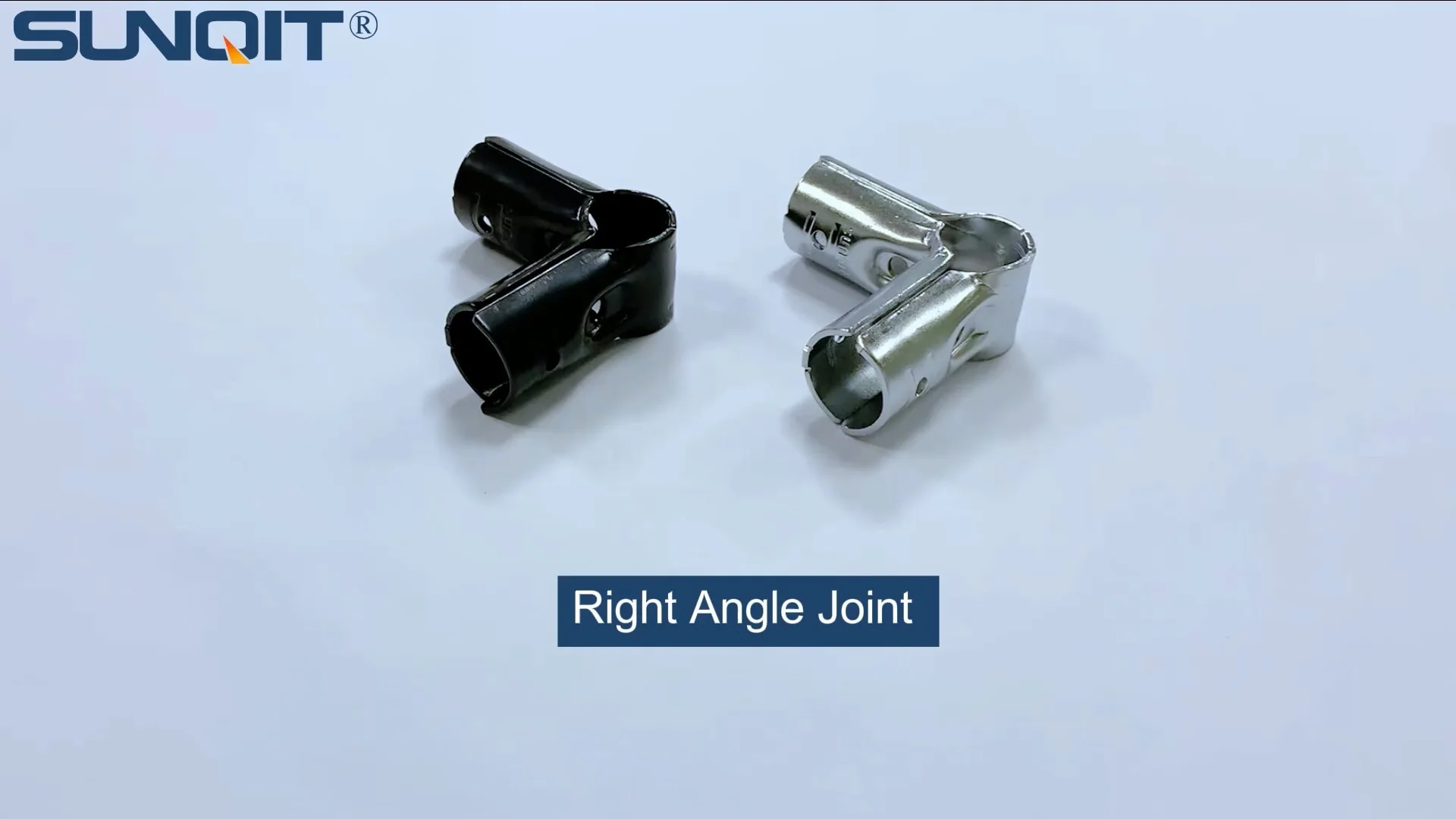
Three way lean pipe joint for 3 pcs 28MM lean pipe connection in straight angle, which used widely in workbench, flow rack, hand trolley frame connection.
In the fast-paced world of healthcare, every detail matters. From the moment a patient arrives at the emergency room to the daily operations of a hospital pharmacy, the efficiency of medical supply management can mean the difference between timely care and costly delays. Yet, many healthcare facilities still grapple with outdated storage systems: rigid metal racks that resist reconfiguration, hard-to-clean surfaces that compromise sterility, and fixed layouts that can't adapt to shifting demands. Enter lean healthcare—a philosophy centered on eliminating waste and prioritizing value—and at its physical core lies a surprisingly simple yet transformative component: the Three Way Lean Pipe Joint Chrome. This unassuming connector is redefining how medical supply racks are built, used, and adapted, turning cluttered storage rooms into streamlined hubs that support the heroes on the front lines of care.
The Hidden Cost of Disorganized Medical Supply Storage
Before diving into the solution, let's ground ourselves in the reality of traditional supply management. Walk into any average hospital storage closet, and you might find shelves overflowing with supplies, boxes haphazardly stacked, and critical items buried behind less urgent ones. Nurses spend precious minutes hunting for gloves or syringes; pharmacists struggle to rotate stock, leading to expired medications; and during peak seasons like flu outbreaks, the chaos escalates. This isn't just inefficiency—it's waste. Lean thinking identifies eight types of waste, and in healthcare, "motion waste" (unnecessary movement to retrieve items) and "inventory waste" (overstocking or stockouts) top the list.
Consider a scenario in a pediatric ward: A nurse needs a specific size of IV catheter for a child. The supply rack, a fixed metal unit installed five years ago, has no clear labeling system, and similar items are scattered across three shelves. After two minutes of searching, she finds it—but the delay means the child waits longer, and the nurse falls behind on other tasks. Multiply this by hundreds of interactions daily, and the cumulative impact on patient care and staff burnout becomes staggering. Traditional racks, built with permanence in mind, weren't designed for the dynamic needs of healthcare. They're hard to clean, often rust in humid environments, and when a new piece of equipment arrives or a department expands, replacing them means significant downtime and expense.
Lean Healthcare: Building Systems Around People
Lean healthcare isn't just about cutting costs—it's about creating systems that empower staff to focus on what matters most: patients. At its heart is the idea that physical spaces should adapt to human needs, not the other way around. This is where lean pipe systems shine. Composed of lightweight yet durable pipes, joints, and accessories, these systems are modular by design, allowing facilities to build, modify, and repurpose storage racks, workbenches, and carts with minimal effort. And at the center of this modularity is the Three Way Lean Pipe Joint Chrome—a small component with a big impact.
But why "three way"? In medical supply storage, versatility is key. A typical rack might need vertical supports, horizontal shelves, and diagonal bracing to hold heavy loads like IV fluid cases. The Three Way Lean Pipe Joint Chrome connects three pipes at 90-degree angles, creating stable, multi-directional structures that can be customized to fit any space. Unlike welded joints or plastic connectors that crack under pressure, this chrome-plated joint is built to last. The chrome finish isn't just for aesthetics; it's a barrier against moisture and corrosion, critical in healthcare settings where frequent cleaning with disinfectants is non-negotiable. Imagine wiping down a traditional metal rack with chipped paint—those tiny crevices become breeding grounds for bacteria. With chrome-plated joints, the surface is smooth, non-porous, and easy to sanitize, supporting infection control protocols.

The Three Way Lean Pipe Joint Chrome: A Closer Look
Let's break down what makes this joint a game-changer for medical supply racks. First, its design: the joint features three threaded ports, each accepting a lean pipe (typically 28mm in diameter, a standard in the industry). A simple hex key tightens the joint around the pipes, creating a secure connection that can hold up to 50kg per shelf—more than enough for most medical supplies, from bandages to surgical instruments. What sets it apart is its reusability. Unlike glued or welded joints, the Three Way Lean Pipe Joint Chrome can be unscrewed, moved, and reattached in minutes. This means when a department needs to add a shelf for new PPE stock or reconfigure a rack to fit a new mobile cart, staff don't need to call in contractors. A maintenance team or even department staff can make adjustments during a lunch break.
Durability is another standout feature. In healthcare, equipment takes a beating—constant cleaning, heavy loads, and frequent adjustments. The Three Way Lean Pipe Joint Chrome is made from high-grade steel with a thick chrome coating, resistant to dents and scratches. In a study comparing lean pipe systems to traditional racks in a hospital supply room, the lean pipe setup with chrome joints showed 70% less corrosion after 12 months of daily cleaning with harsh disinfectants. For facilities in humid climates or those with strict sterile requirements (like operating rooms), this longevity translates to lower replacement costs and fewer disruptions.
But perhaps its greatest strength is flexibility. Healthcare needs are never static. A hospital might expand its oncology unit, requiring more storage for chemotherapy supplies. A pharmacy might switch to unit-dose packaging, needing shallower shelves. With traditional racks, these changes mean purchasing new units. With the Three Way Lean Pipe Joint Chrome, existing pipes and joints can be repurposed. A rack used for gloves in the ER can become a shelf for syringes in the ICU with a few adjustments. This adaptability is why lean pipe suppliers often partner with healthcare facilities to design custom solutions—because every department has unique needs, and one-size-fits-all storage rarely works.

Traditional vs. Lean Pipe Racks: A Side-by-Side Look
| Feature | Traditional Medical Supply Racks | Lean Pipe Racks with Three Way Lean Pipe Joint Chrome |
|---|---|---|
| Flexibility | Fixed structure; requires professional modification | Modular design; reconfigurable by staff with basic tools |
| Durability in Healthcare Environments | Prone to rust and paint chipping; hard to sanitize | Chrome-plated joints resist corrosion; smooth surfaces for easy cleaning |
| Assembly & Installation | Requires welders or specialized labor; 1-2 days for setup | Tool-free assembly (hex key only); 2-4 hours for a standard rack |
| Cost Over Time | High replacement costs when needs change; frequent repairs | Low long-term costs; components reused during reconfiguration |
| Adaptability to Workflow | Static layout; staff must adapt to rack design | Customizable to workflow; shelves adjusted for height, depth, and labeling |
Beyond Racks: Flow Racks and the Power of Smooth Material Flow
While the Three Way Lean Pipe Joint Chrome is foundational, it's part of a larger ecosystem of lean components that work together to optimize healthcare storage. Enter flow racks—another critical element in reducing motion waste. Flow racks use gravity to "flow" supplies forward, ensuring that the oldest items (first to expire) are used first—a system known as "first in, first out" (FIFO), which is vital for medication and sterile supply management.
How do flow racks integrate with the Three Way Lean Pipe Joint Chrome? Imagine a pharmacy storage room where medications are stored in flow racks. The racks are built using lean pipes and three-way joints to create a sloped surface, with roller tracks (another key accessory) allowing boxes to glide forward as the front one is removed. Nurses and pharmacists stand at a lean pipe workbench adjacent to the flow rack, grabbing items with minimal reach. The workbench, also built with three-way joints, has adjustable height to accommodate staff of different sizes, reducing strain on backs and shoulders. This seamless integration—racks, workbenches, and flow tracks—creates a "pull system" where supplies are replenished only when needed, cutting down on overstocking.
In a busy emergency department, flow racks with roller tracks and three-way joints are a lifesaver. Trauma supplies—gauze, sutures, bandages—are organized by priority, with the most critical items at eye level and within arm's reach. When a trauma case arrives, the team can grab what they need without searching, shaving precious seconds off response times. And because the flow rack is modular, adding a new shelf for a recently approved trauma kit is as simple as attaching a few pipes and joints—no downtime, no disruption.
Aluminum Profiles: Lightweight Strength for Specialized Environments
While lean pipes are versatile, some healthcare settings demand even higher levels of precision, hygiene, or weight savings—think operating rooms, cleanrooms, or pediatric units where lighter carts are easier to maneuver. This is where aluminum profiles come into play. Aluminum extrusion profiles, often used alongside lean pipes, offer the same modularity but with added benefits: they're lighter, resistant to corrosion (even without chrome plating), and their smooth, anodized surfaces are ideal for sterile environments.
Aluminum profile accessories, like connectors and brackets, work seamlessly with Three Way Lean Pipe Joint Chrome systems, allowing facilities to mix materials based on needs. For example, a cleanroom in a research lab might use aluminum profiles for shelving (to avoid particulate matter from painted pipes) while using lean pipes with chrome joints for mobile carts outside the cleanroom. The result is a hybrid system that balances functionality and compliance with strict regulations.
Aluminum guide rails, another accessory, are often paired with roller tracks in flow racks to ensure supplies glide smoothly without jamming. In a blood bank, where temperature control is critical, aluminum racks with these rails maintain structural integrity even in cold environments, unlike plastic components that can become brittle. And because aluminum is recyclable, it aligns with the growing focus on sustainability in healthcare—a win for both the planet and facility budgets.
From Storage Rooms to Patient Beds: The Ripple Effect of Better Systems
It's easy to focus on the technical details of joints and racks, but the true measure of their value is in the impact on people. Let's return to the pediatric ward nurse from earlier. With a lean pipe supply rack built using Three Way Lean Pipe Joint Chrome, the IV catheters are now organized by size on a flow rack, with clear color-coded labels. The rack's height is adjusted so that the most frequently used sizes are at waist level, and the shelves are angled to let boxes slide forward automatically. Now, the nurse grabs the catheter in 10 seconds, the child is treated promptly, and she moves on to comfort the next patient. That's the power of lean systems—they turn frustrating, time-consuming tasks into seamless, almost invisible parts of the workflow.
Staff burnout is a crisis in healthcare, and much of it stems from feeling overwhelmed by inefficient processes. When storage systems are intuitive and adaptable, staff report lower stress levels and higher job satisfaction. A study by the American Hospital Association found that facilities using lean storage solutions saw a 22% reduction in reported "workplace frustration" among nurses and a 15% increase in time spent directly caring for patients. These aren't just numbers—they're stories of nurses who can now sit with a patient and listen, of pharmacists who can double-check medication orders without rushing, of teams that feel supported by the tools they use daily.
For lean pipe suppliers, this human impact is what drives innovation. It's not enough to sell joints and pipes; it's about understanding the unique challenges of healthcare and designing solutions that fit. A reputable lean pipe supplier will work with facilities to conduct workflow assessments, identifying pain points in storage and material flow before recommending a system. They'll consider factors like infection control, staff ergonomics, and future expansion, ensuring that the Three Way Lean Pipe Joint Chrome and other components aren't just parts, but pieces of a larger puzzle aimed at better care.
Building the Future of Healthcare, One Joint at a Time
The Three Way Lean Pipe Joint Chrome may seem like a small component, but in the world of lean healthcare, small changes lead to big results. It's a symbol of a shift in thinking—from rigid, one-size-fits-all systems to flexible, people-centered designs that adapt to the ever-changing needs of patient care. In a field where every decision impacts lives, the choice to invest in better storage systems isn't just about efficiency; it's about respect for the hard work of healthcare staff and a commitment to putting patients first.
As healthcare continues to evolve—with new technologies, aging populations, and emerging public health challenges—the need for adaptable infrastructure will only grow. Lean pipe systems, anchored by reliable components like the Three Way Lean Pipe Joint Chrome, offer a scalable, cost-effective way to build resilience into healthcare facilities. They remind us that sometimes, the most powerful innovations aren't flashy or high-tech—they're simple, well-designed tools that help people do their best work.
So the next time you walk into a hospital storage room, take a closer look. If you see modular racks with shiny chrome joints, adjustable shelves, and supplies flowing smoothly forward, know that behind that organization is a team of staff who can focus less on searching and more on healing. And that, ultimately, is the greatest measure of success.