- Company Articles
- Products and Technology
- Product knowledge
- Three Way Lean Pipe Joint Chrome: Surface Finish and Anti-Scratch Properties

Three Way Lean Pipe Joint Chrome: Surface Finish and Anti-Scratch Properties
Related Product
Three Way Lean Pipe Joint Chrome
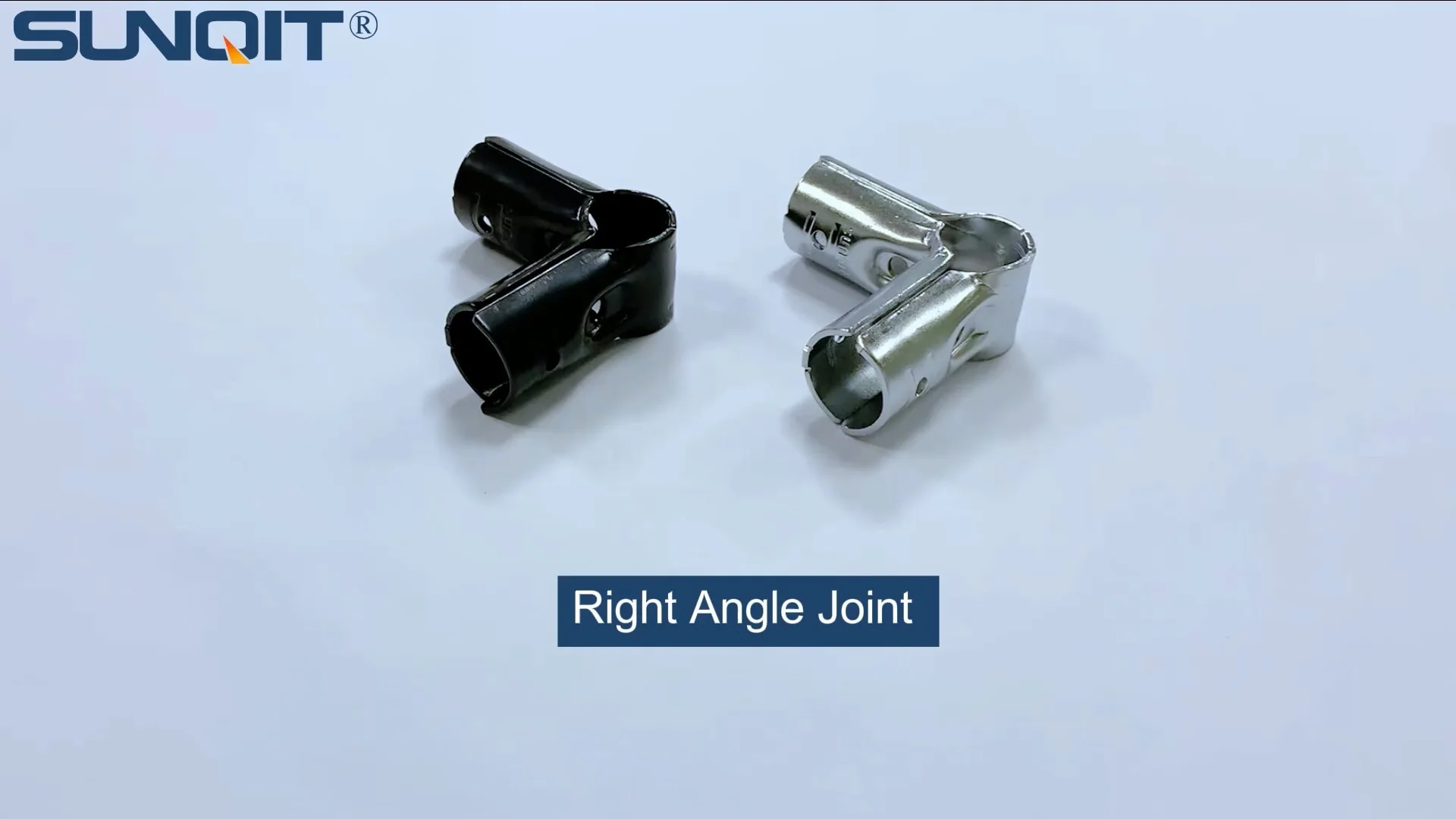
Three way lean pipe joint for 3 pcs 28MM lean pipe connection in straight angle, which used widely in workbench, flow rack, hand trolley frame connection.
The Unsung Hero of Lean Manufacturing: Why Details Like Joints Matter
Walk into any well-run factory or workshop, and you'll notice something immediately: order. Tools in their places, workbenches organized, materials flowing smoothly from one station to the next. This isn't just luck—it's the result of a lean system at work. Lean manufacturing is all about efficiency, reducing waste, and creating spaces that make work easier, not harder. But here's the thing: those seamless workflows don't happen by accident. They rely on countless small components working together, quietly and reliably, day in and day out.
One such component, often overlooked but critically important, is the three way lean pipe joint chrome. It's a small part, sure—just a connector that joins pieces of lean pipe to build workbenches, material racks, or turnover trolleys. But think about it: every time a worker leans on a workbench, every time a heavy cart bumps into a rack, every time tools are set down or parts are slid across a surface, those joints take the hit. A scratch here, a nick there—over time, those small damages can add up, turning a sturdy workstation into a wobbly, unprofessional mess. And in a lean system, mess equals waste: wasted time fixing broken parts, wasted money replacing components, and wasted energy dealing with the frustration of equipment that doesn't hold up.
That's where the three way lean pipe joint chrome shines. Its surface finish and anti-scratch properties aren't just about looks—they're about resilience. They're about building a lean system that doesn't just work on day one, but keeps working, looking sharp, and supporting your team for years. Let's dive into what makes this joint so special, and why it deserves a spot in your next workstation or material rack project.
What Is a Three Way Lean Pipe Joint Chrome, Anyway?
Before we get into the nitty-gritty of its surface and scratch resistance, let's make sure we're all on the same page. A three way lean pipe joint chrome is a metal connector designed to join three pieces of lean pipe at (you guessed it) three different angles. Picture it: a central hub with three arms, each arm fitting snugly over the end of a lean pipe. Tighten a screw, and the joint locks the pipes in place, creating a stable frame for everything from workbenches to assembly lines.
But what sets the "chrome" version apart? Chrome plating is a process where a thin layer of chromium is electroplated onto the surface of the joint (usually made of steel). This isn't just a cosmetic choice. Chromium is a hard, durable metal that forms a protective barrier over the underlying steel, shielding it from scratches, corrosion, and daily wear and tear. And when you're building a lean system , durability isn't a luxury—it's a necessity.

The Chrome Finish: More Than Just Shiny—It's a Shield
Let's talk about that chrome finish. At first glance, it's hard not to notice the mirror-like shine. A workstation built with chrome joints looks clean, professional, and well-maintained. But beyond aesthetics, that finish is working overtime to protect the joint (and your investment). Here's how:
1. The Science of Chrome Plating: Hardness That Stands Up to Daily Life
Chrome plating isn't just a coat of paint. It's a multi-step process that results in a surface harder than most other metals used in manufacturing. The underlying steel joint is first cleaned, then coated with a layer of nickel (for adhesion), and finally electroplated with chromium. The result? A surface hardness of around 800-1000 Vickers (a measure of material hardness), compared to around 150-200 Vickers for untreated steel. To put that in perspective: a fingernail has a hardness of about 20 Vickers, a copper penny around 40, and a kitchen knife blade around 500. So that chrome layer? It's harder than a knife blade. That means when a wrench slips, or a metal part is dropped on the joint, the chrome is far more likely to resist a scratch than an unplated or even painted joint.
2. Corrosion Resistance: Fighting Rust in Humid or Messy Environments
Factories aren't always clean, dry places. Spills, humidity, even the oils from workers' hands can lead to rust on unprotected steel. Rust isn't just ugly—it weakens the joint over time, making it loose and unreliable. Chrome acts as a barrier, preventing moisture and oxygen from reaching the steel underneath. Ever noticed how old chrome fixtures in bathrooms still shine while other metals rust? Same principle here. In a workshop where coolant might drip, or a warehouse with high humidity, a chrome-plated joint stays strong and rust-free, ensuring your lean pipe structures stay stable for years.
3. Easy to Clean: Less Time Wiping, More Time Working
Let's be real: no one wants to spend their day cleaning workbench joints. The smooth, non-porous surface of chrome makes it easy to wipe away dirt, grease, or grime with just a damp cloth. Unlike painted or powder-coated joints, which can trap dirt in tiny scratches, chrome resists those scratches in the first place—so even after months of use, a quick wipe-down brings back that original shine. For busy teams, this means less time maintaining equipment and more time focusing on what matters: getting the job done.

Anti-Scratch Properties: Why "Tough" Translates to "Trusted"
Scratches might seem like a minor issue, but in a lean system , minor issues can snowball into big problems. A scratch on a joint isn't just a blemish—it's a weak point. Dirt and moisture can get trapped in the scratch, leading to corrosion. Over time, the scratch can deepen, weakening the joint's grip on the pipe. And let's not forget the psychological impact: a workstation covered in scratched, dinged joints looks worn out, which can make workers feel like their workspace isn't valued. The three way lean pipe joint chrome fights back against all of this with its impressive anti-scratch properties.
A Day in the Life: How Scratch Resistance Saves the Day
Imagine Maria, an assembly line worker at a small electronics factory. Her workstation is built with lean pipe and chrome joints. At 9 AM, she accidentally bumps her wrench against the joint while tightening a component—no scratch. At noon, a coworker slides a heavy plastic bin of parts across the workbench, and the bin catches on the joint—still no scratch. At 3 PM, a new intern drops a metal bracket on the corner of the workstation—you guessed it: the chrome joint takes the hit without a mark. At the end of the day, Maria's workstation still looks as good as it did that morning. She doesn't have to worry about the joint weakening, and she feels proud working at a station that's well-cared for. That's the power of scratch resistance: it turns "oops" moments into non-events.
Testing the Toughness: How Chrome Stacks Up Against Other Materials
To really understand how tough the chrome joint is, let's compare it to other common joint materials, like aluminum (often used in aluminum profile systems) and non-plated steel. The table below breaks down their scratch resistance and other key features:
| Feature | Three Way Lean Pipe Joint Chrome | Aluminum Profile Joint (Anodized) | Non-Plated Steel Joint |
|---|---|---|---|
| Surface Hardness (Vickers) | 800-1000 | 150-300 | 150-200 |
| Resistance to Tool/Metal Scratches | Excellent (rarely scratches) | Fair (may scratch with heavy impact) | Poor (easily scratched by tools) |
| Corrosion Resistance | Excellent (resists rust and moisture) | Good (anodized layer resists corrosion) | Poor (prone to rust if scratched) |
| Long-Term Appearance | Maintains shine; minor scratches less visible | Scratches show as dull spots; color may fade | Scratches lead to rust; appearance degrades quickly |
| Best For | High-traffic workstations, humid environments, teams that value appearance | Light-duty use, environments where weight is a priority | Temporary setups, low-budget projects with short lifespans |
As the table shows, the chrome joint outperforms both aluminum and non-plated steel when it comes to scratch and corrosion resistance. For teams building a lean system that's meant to last, this isn't just a "nice-to-have"—it's a "must-have."
How It Fits with Lean Pipe and Accessories: A Team Player in Your Lean System
A joint is only as good as its ability to work with the rest of your lean pipe accessories . The three way lean pipe joint chrome isn't a lone wolf—it's designed to integrate seamlessly with lean pipe, casters, workbench tops, and more. Let's break down how it plays well with others:
1. Compatibility with Lean Pipe: A Perfect Fit
Most lean pipes are 28mm in diameter (about 1.1 inches), and the three way chrome joint is designed to fit this standard size perfectly. The inner diameter of each arm is slightly smaller than the pipe, so when you slide the pipe into the joint and tighten the setscrew, it creates a friction fit that's both strong and easy to adjust. This compatibility means you can mix and match with other lean pipe accessories—like casters for mobile trolleys, or shelf brackets for material racks—without worrying about mismatched parts.
2. Working with Aluminum Profile: When to Choose Chrome Over Aluminum
You might be wondering: why choose a chrome steel joint over an aluminum joint, especially if your system uses aluminum profile ? Aluminum is lightweight and corrosion-resistant, which makes it great for some applications. But aluminum is softer than chrome-plated steel, so it's more prone to scratches. If your workstation is in a high-impact area—like a warehouse where carts are constantly moving, or an assembly line where tools are frequently used—chrome joints will hold up better over time. Think of it this way: aluminum is like a running shoe—light and flexible for certain tasks—while chrome is like a steel-toed boot: tough, protective, and ready for heavy use.
3. Long-Term Value: Investing in Parts That Don't Let You Down
Lean manufacturing is all about reducing waste, and one of the biggest wastes is unnecessary replacement of parts. A chrome joint might cost a bit more upfront than a non-plated steel joint, but it more than pays for itself in the long run. Because it resists scratches and corrosion, you won't have to replace it every few months. And since it maintains its appearance, you won't feel the need to upgrade your workstation just to "freshen things up." For small businesses and large factories alike, this translates to lower costs and less downtime—two things every lean team can appreciate.
Maintenance Tips: Keeping Your Chrome Joints Looking (and Working) Like New
Even the toughest materials need a little love to stay in top shape. Luckily, maintaining three way lean pipe joint chrome is easy—no special tools or expensive cleaners required. Here are a few simple tips:
- Wipe regularly with a soft cloth: A quick wipe with a damp microfiber cloth removes dirt and grease before they can build up. For stuck-on grime, add a drop of mild dish soap to the cloth—avoid abrasive cleaners like steel wool or scouring pads, which can scratch the chrome.
- Dry thoroughly: If you clean the joints with water, make sure to dry them afterward to prevent water spots (though chrome is resistant to corrosion, water spots can dull the shine).
- Lubricate the setscrews: Every few months, add a drop of machine oil to the setscrews that hold the pipes in place. This makes it easier to adjust the joint later if you need to reconfigure your workstation.
- Inspect for loose connections: Over time, vibrations from daily use can loosen the setscrews. A quick check every week ensures the joint stays tight and stable.
Follow these steps, and your chrome joints will look and perform like new for years.
Why It Matters: The Big Picture of Small Components
At the end of the day, the three way lean pipe joint chrome is more than just a part. It's a statement. It says, "We care about our workspace. We care about efficiency. We care about our team." In a lean system , every detail counts—and this joint is a detail that delivers. It resists scratches so your workstation stays strong. It repels corrosion so your investment lasts. It shines bright so your team feels proud of where they work.
Whether you're building a new assembly line, upgrading an old workbench, or setting up a material storage rack, don't overlook the joints. Choose chrome, and you're not just choosing a connector—you're choosing reliability, durability, and a workspace that works as hard as your team does.