- Company Articles
- Products and Technology
- Product knowledge
- Three Way Lean Pipe Joint Chrome vs. Aluminum Joints: Weight and Strength Comparison

Three Way Lean Pipe Joint Chrome vs. Aluminum Joints: Weight and Strength Comparison
Related Product
Three Way Lean Pipe Joint Chrome
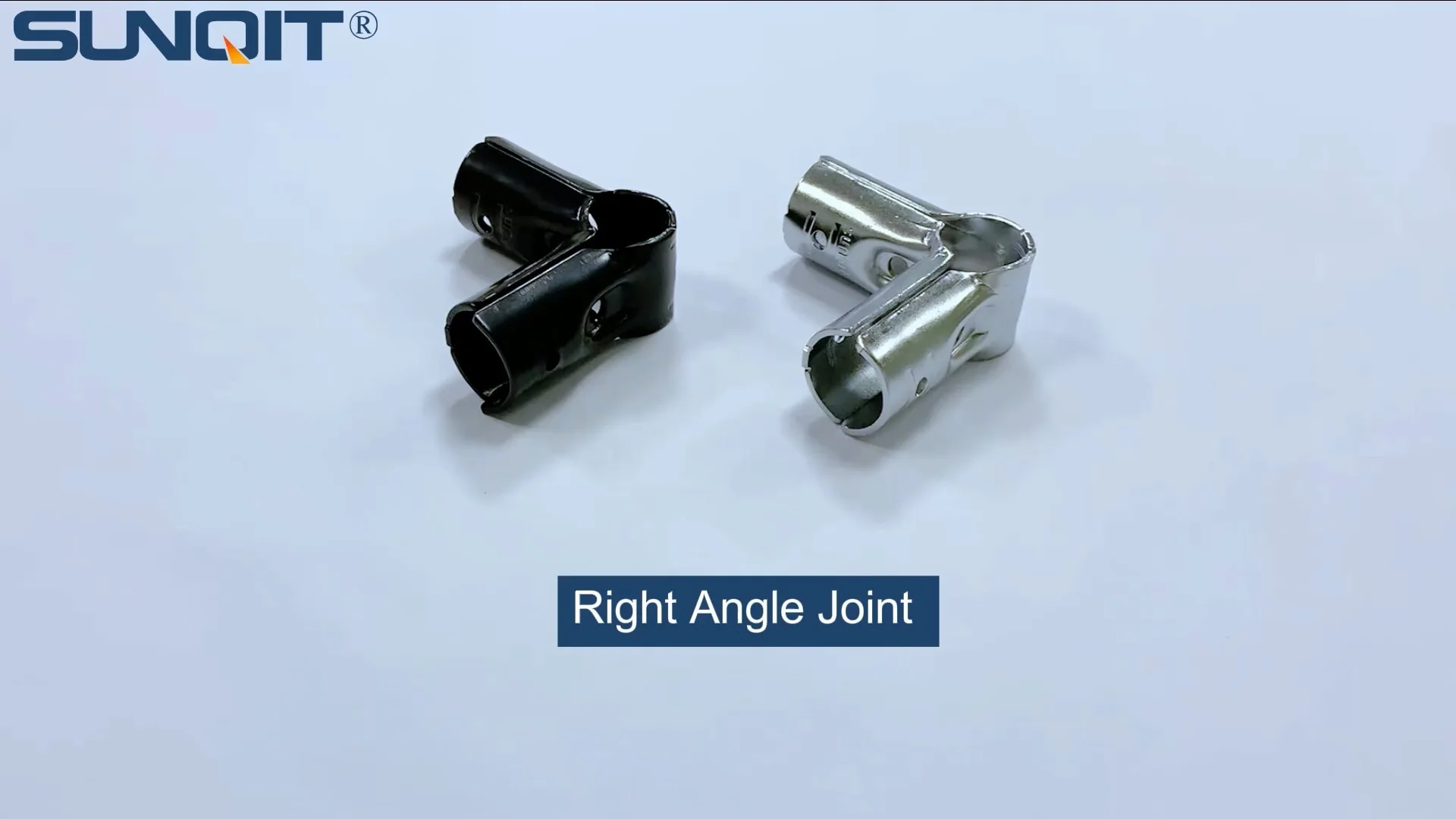
Three way lean pipe joint for 3 pcs 28MM lean pipe connection in straight angle, which used widely in workbench, flow rack, hand trolley frame connection.
In the fast-paced world of modern manufacturing, where efficiency and adaptability are the cornerstones of success, the tools and components that power production lines often go unnoticed—until they make or break a workflow. Lean systems, the backbone of streamlined operations, rely heavily on modular, flexible structures that can evolve with changing demands. At the heart of these structures lie the unsung heroes: lean pipe joints. These small but critical components hold together everything from workbenches and flow racks to conveyors and material trolleys, directly impacting stability, load capacity, and even the ergonomics of daily operations.
Today, we're zeroing in on two of the most widely used joint types in lean manufacturing: the three-way lean pipe joint chrome and aluminum joints. While they may seem similar at first glance, their differences in weight and strength can drastically alter how a lean system performs in real-world settings. Whether you're a plant manager looking to optimize your production line, a lean system supplier designing custom solutions, or a small business owner building a modular workspace, understanding these differences is key to making informed decisions that balance performance, cost, and practicality. Let's dive in.
The Role of Lean Pipe Joints in Modular Systems
Before we compare specific joint types, let's take a step back to appreciate what lean pipe joints are and why they matter. In lean manufacturing, the goal is to eliminate waste—whether that's time, materials, or unnecessary movement. Modular systems, built using lean pipes (also called "lean tubes") and joints, embody this philosophy by allowing teams to assemble, disassemble, and reconfigure structures with minimal effort. Unlike fixed, welded frameworks, these systems are dynamic: a workbench today can become a material rack tomorrow, or a conveyor section can be extended to accommodate a new product line.
Joints are the linchpin of this flexibility. They connect lean pipes at various angles (90°, 45°, 180°, or, in the case of three-way joints, multiple directions) and provide the stability needed to support tools, materials, and even heavy machinery. A well-chosen joint ensures that the structure can handle its intended load without wobbling or failing, while a poorly matched joint can lead to inefficiencies, safety risks, or premature wear and tear. When it comes to three-way joints specifically—designed to connect three pipes at a single point—their design becomes even more critical, as they must distribute weight evenly across multiple axes.
Three Way Lean Pipe Joint Chrome: The Heavy-Duty Workhorse
Let's start with the three-way lean pipe joint chrome, a staple in industrial settings where "toughness" is non-negotiable. At first touch, you'll notice its heft—a clue to its core material: steel. Most chrome joints are made from high-grade carbon steel, chosen for its exceptional tensile strength and durability. To enhance its longevity, the steel core is coated in a layer of chromium via electroplating, giving it that signature shiny, silver finish and adding a critical layer of corrosion resistance.
Composition: Steel at Its Core
The steel used in these joints is typically low-carbon steel, which balances strength with malleability—important for shaping the joint into its three-way configuration. The chromium coating, usually 0.0005 to 0.001 inches thick, serves two main purposes: it prevents rust and corrosion (a must in factories where moisture, oils, or chemicals are present), and it reduces friction, making assembly smoother. Unlike raw steel, which can develop sharp edges during manufacturing, the chrome plating also adds a subtle smoothness, reducing the risk of scratches on pipes or worker hands during setup.
Weight: Built for Stability, Not Speed
Steel is denser than aluminum, and that density translates directly to weight. A standard three-way chrome joint weighs in at around 180–220 grams, depending on the manufacturer and design. To put that in perspective, if you're building a (medium-sized workbench) with 12 three-way joints, that's an extra 2–2.5 kilograms of weight compared to an aluminum alternative. While that might not sound like much, multiply it by the dozens of joints in a typical system—say, a large flow rack with 50+ joints—and the total weight adds up quickly. This heft is intentional, though: the added mass contributes to the joint's stability, helping anchor the structure and reduce vibration under heavy loads.
Strength: A Force to Be Reckoned With
When it comes to sheer strength, chrome steel joints are hard to beat. Carbon steel has a tensile strength of around 400–500 MPa (megapascals), meaning it can withstand significant pulling or stretching forces before deforming. In practical terms, a single three-way chrome joint can typically support static loads of 300–500 kilograms without bending or breaking—more than enough for heavy tools, engine parts, or stacks of metal components. Dynamic loads (items being moved or dropped onto the structure) are also handled with ease, thanks to steel's ability to absorb impact without cracking.
This strength makes chrome joints ideal for environments like automotive manufacturing, where workbenches often hold heavy power tools, or warehouses where flow racks store bulky, weighty materials. A lean system supplier specializing in heavy-industry solutions will often recommend chrome joints for these scenarios, as they provide the reliability needed to avoid costly downtime.
Pros and Cons: When Chrome Shines (and When It Doesn't)
Pros:
- Unmatched Strength: Steel's density gives chrome joints superior load-bearing capacity, making them perfect for heavy-duty applications.
- Corrosion Resistance: The chrome plating acts as a barrier against moisture and chemicals, extending the joint's lifespan in harsh environments.
- Cost-Effective for Heavy Use: While not the cheapest option upfront, their durability means they need replacement less often, saving money long-term in high-stress setups.
Cons:
- Weighty to Handle: The extra mass can make assembly and reconfiguration more labor-intensive, especially for large structures. Workers may tire more quickly, or teams may need additional tools to maneuver joints into place.
- Overkill for Light Loads: In settings where the load is minimal—think a small electronics assembly workbench—chrome joints add unnecessary weight and cost.
- Prone to Scratches (Under the Chrome): While the chrome itself is tough, deep scratches can expose the steel core, leading to rust if not addressed promptly.

Aluminum Joints: The Lightweight Innovator
Now, let's turn to aluminum joints—a newer but increasingly popular alternative, especially in industries where agility and precision take precedence. Unlike their steel-based counterparts, aluminum joints are crafted from aluminum alloys (often 6061 or 6063, known for their strength and weldability) and are frequently treated with anodization—a process that thickens the natural oxide layer on the aluminum surface, boosting corrosion resistance and adding a sleek, matte finish (often silver, black, or gold).
Composition: Lightweight by Design
Aluminum is naturally lighter than steel—about one-third the density—making aluminum joints significantly easier to handle. The alloys used in these joints are engineered to enhance strength: 6061 aluminum, for example, contains magnesium and silicon, which improve its tensile strength and fatigue resistance. Anodization, which replaces the chrome plating of steel joints, not only protects against corrosion but also gives the joint a smooth, uniform texture that resists fingerprints and smudges—ideal for cleanrooms or settings where aesthetics matter, like consumer electronics manufacturing.
Weight: Featherlight Without Sacrificing Structure
A typical three-way aluminum joint weighs just 80–120 grams—less than half the weight of a chrome steel joint of the same size. This drastic weight reduction transforms how teams work with modular systems. Imagine assembling a workstation e (single deck, without casters) for a lab: with aluminum joints, one person can easily carry and connect the components, whereas chrome joints might require two people or a dolly. For lean systems that need frequent reconfiguration—say, a production line that switches between products weekly—this lightness translates to faster setup times and less worker fatigue.
Strength: The Power of "Good Enough"
Aluminum joints don't match chrome steel joints in raw strength—their tensile strength typically ranges from 200–300 MPa, about half that of steel. But here's the catch: aluminum offers an exceptional strength-to-weight ratio. In other words, for its light weight, it's surprisingly strong. For most applications—like small workbenches, lightweight flow racks, or conveyors moving small parts—this strength is more than sufficient. An aluminum lean pipe joint can easily support 100–250 kilograms of static load, which covers everything from circuit boards to small automotive components.
In industries like aerospace or medical device manufacturing, where precision and cleanliness are paramount, aluminum's non-magnetic properties and resistance to chemical corrosion (thanks to anodization) make it a safer choice. It also doesn't spark, reducing fire risks in environments with flammable materials—a detail that matters in pharmaceutical or paint production facilities.
Pros and Cons: When Aluminum Takes the Lead
Pros:
- Lightweight Agility: Easy to carry, assemble, and reconfigure, cutting down on labor time and worker fatigue.
- Corrosion Resistance (Anodized): Anodized aluminum forms a hard, protective layer that stands up to moisture, chemicals, and UV rays, making it ideal for cleanrooms or outdoor use.
- Sleek and Modern: The matte finish of anodized aluminum gives structures a professional, high-tech look—important for customer-facing areas or brands prioritizing aesthetics.
Cons:
- Higher Upfront Cost: Aluminum alloys and anodization processes are more expensive than steel and chrome plating, so aluminum joints can cost 30–50% more per unit.
- Limited Load Capacity: They struggle with heavy loads—exceeding 250 kilograms can lead to bending or failure, making them unsuitable for heavy machinery setups.
- Prone to Denting: Aluminum is softer than steel, so sharp impacts (like dropping a heavy tool on a joint) can leave dents, weakening the structure over time.

Head-to-Head: Weight and Strength Showdown
To truly understand how these joints stack up, let's put them side by side. The table below compares key metrics—weight, strength, applications, and more—to help you decide which is right for your needs.
| Metric | Three Way Lean Pipe Joint Chrome | Aluminum Joints |
|---|---|---|
| Material | Carbon steel with chrome plating | Aluminum alloy (e.g., 6061) with anodized finish |
| Weight (per joint) | 180–220 grams | 80–120 grams |
| Tensile Strength | 400–500 MPa | 200–300 MPa |
| Static Load Capacity | 300–500 kg | 100–250 kg |
| Best For | Heavy machinery, automotive workbenches, large flow racks | Electronics assembly, cleanrooms, lightweight conveyors |
| Corrosion Resistance | High (chrome plating) | High (anodized finish) |
| Assembly Ease | Heavier; may require tools or two people | Lightweight; often assemblable by one person |
| Cost (per unit) | Lower upfront | Higher upfront |
Real-World Applications: When to Choose Which
To bring this comparison to life, let's look at two scenarios where the choice between chrome and aluminum joints made a tangible difference for businesses.
Scenario 1: Automotive Manufacturing Workbench
A mid-sized automotive parts manufacturer needed to build a series of workbenches for its engine assembly line. Each bench would hold torque wrenches, hydraulic lifts, and partially assembled engine blocks—loads averaging 350 kg. The lean system supplier recommended three-way lean pipe joint chrome for the frame. Why? The chrome joints' 300–500 kg load capacity ensured the benches could handle the weight without flexing, even during long shifts. The steel core also stood up to the oil and grease in the workshop, while the chrome plating prevented rust. While the initial assembly required two workers per bench, the stability and durability meant the benches lasted over five years without joint replacements—proving the chrome joint's value for heavy-duty, high-stakes environments.
Scenario 2: Electronics Cleanroom Conveyor
A semiconductor company needed a modular conveyor system to move delicate circuit boards between stations in a Class 100 cleanroom. The system had to be reconfigured monthly to accommodate new board sizes, and workers had to sanitize it daily. Here, aluminum joints were the clear choice. Their light weight (100 grams per joint) allowed a single technician to disassemble and reassemble sections in under an hour, and the anodized finish resisted the harsh cleaning chemicals used in the cleanroom. The conveyor's load—circuit boards weighing just 0.5 kg each—was well within the aluminum joints' 100–250 kg capacity. While the aluminum joints cost 40% more upfront than chrome, the time saved on reconfiguration and reduced labor costs made them the more economical choice long-term.
Choosing the Right Joint: It's About Balance
At the end of the day, there's no "better" joint—only the right joint for the job. The three-way lean pipe joint chrome excels in strength and durability, making it the go-to for heavy loads and industrial environments. Aluminum joints, on the other hand, shine in agility, cleanliness, and lightweight applications, where speed and precision matter most. When selecting between them, start by asking: What is the maximum load the structure will bear? How often will it need to be reconfigured? What is the environment like (moisture, chemicals, cleanliness requirements)? And, of course, what is your budget—both upfront and for long-term maintenance?
For lean system suppliers and manufacturers alike, the key is to view joints not as mere "parts," but as strategic tools that shape how efficiently and safely work gets done. A well-chosen joint reduces waste, minimizes downtime, and keeps teams productive—all hallmarks of lean manufacturing. So whether you're building a rugged workbench for automotive parts or a sleek conveyor for electronics, take the time to weigh (pun intended) your options. Your production line—and your bottom line—will thank you.