- Company Articles
- Products and Technology
- Product knowledge
- Three Way Lean Pipe Joint Chrome vs. Brass Joints: Performance in Wet Environments

Three Way Lean Pipe Joint Chrome vs. Brass Joints: Performance in Wet Environments
Related Product
Three Way Lean Pipe Joint Chrome
Three way lean pipe joint for 3 pcs 28MM lean pipe connection in straight angle, which used widely in workbench, flow rack, hand trolley frame connection.
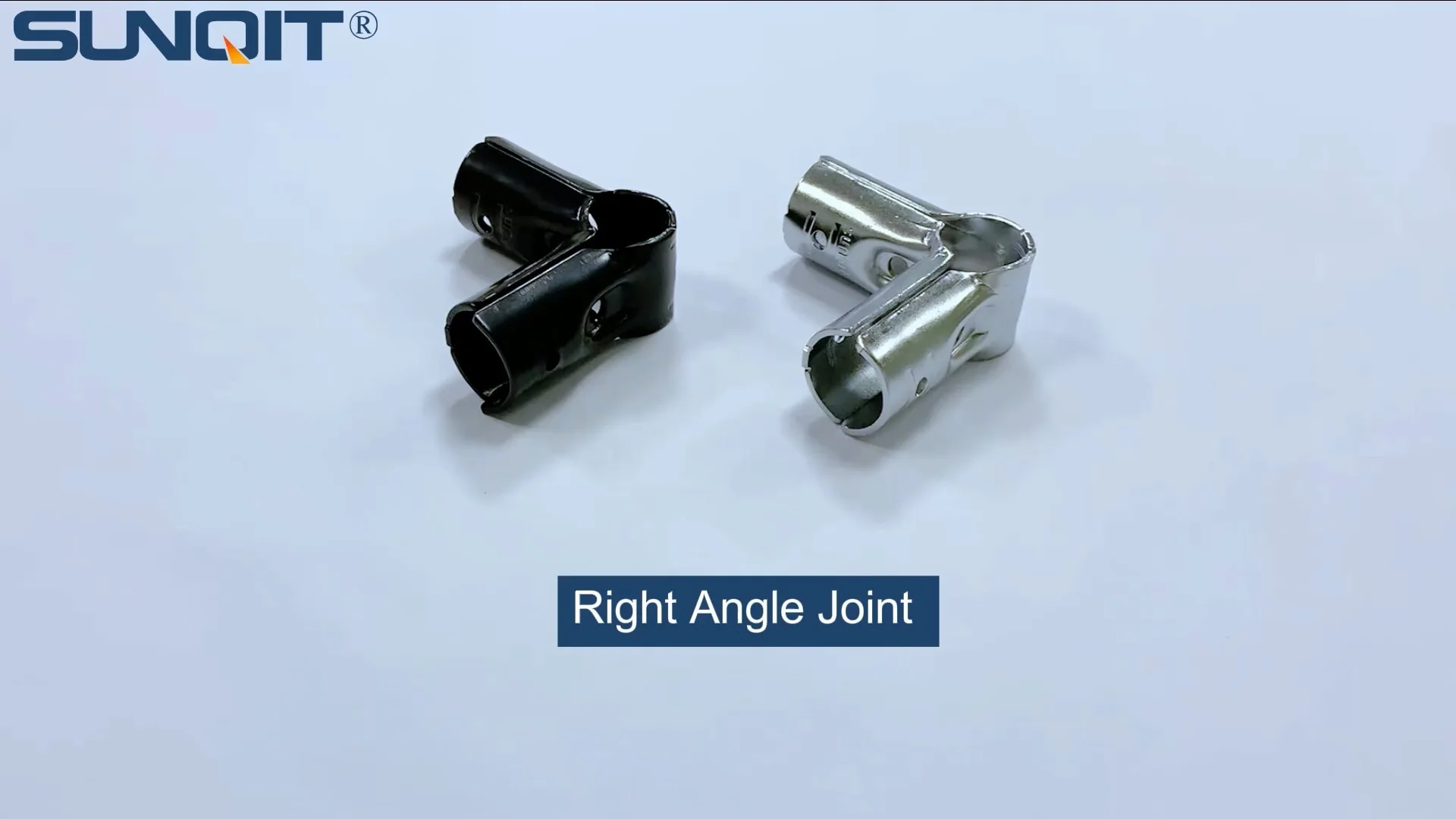
Walk into any busy manufacturing plant, and you'll likely spot lean pipe systems hard at work—holding up workbenches, guiding products along flow racks, or supporting conveyor lines. These unassuming structures are the backbone of efficient workflows, but their reliability hinges on one tiny yet critical component: the lean pipe joint. In dry, controlled environments, most joints might perform adequately, but throw in moisture—whether from daily washdowns in a food processing facility, leaky hoses on an automotive assembly line, or humid conditions in a coastal warehouse—and the difference between a joint that lasts and one that fails becomes starkly clear.
Today, we're zeroing in on two popular options for lean pipe joints: the three way lean pipe joint chrome and its brass counterpart. If you've ever wondered why some joints rust through in months while others stay strong for years in damp settings, or if you're trying to decide which is worth the investment for your wet-environment operations, this deep dive is for you. We'll break down their materials, how they stand up to water and chemicals, maintenance needs, costs, and real-world performance—so you can make a choice that keeps your lean systems running smoothly, even when the going gets wet.
First Things First: What Are Lean Pipe Joints, Anyway?
Before we jump into the chrome vs. brass debate, let's make sure we're all on the same page about what lean pipe joints are and why they matter. Lean pipe systems—often used in workbenches, flow racks, and material handling setups—are built by connecting metal pipes (like aluminum, steel, or stainless steel pipe series) with joints. These joints are the "glue" that holds the structure together, allowing you to build custom configurations quickly and adjust them as your needs change.
Three way lean pipe joints, as the name suggests, connect three pipes at once—say, forming a corner or branching off a main line. They're workhorses in complex setups, where stability and load-bearing capacity are non-negotiable. But in wet environments, their job gets harder. Moisture isn't just water; it's often laced with detergents, oils, or even mild acids (like in food processing sanitizers), all of which can eat away at materials over time. So, the question isn't just "Which joint is strong?" but "Which joint stays strong when it's wet?"
Chrome vs. Brass: What Are They Made Of?
Three Way Lean Pipe Joint Chrome: The Shiny Contender
Chrome joints are typically made from steel (often low-carbon steel) with a thin layer of chromium plating. The steel provides strength, while the chrome plating adds a sleek, shiny finish and a first line of defense against corrosion. Chromium is naturally resistant to rust, and when applied as a plating, it forms a hard, protective barrier on the steel surface. Sounds good, right? But here's the catch: that plating is just a layer—usually only a few micrometers thick. It's tough, but not invincible.
Think of it like a coat of paint on a metal fence. If the fence gets scratched, the paint chips, and suddenly the bare metal is exposed to the elements. The same goes for chrome-plated joints. A small nick from a dropped tool, a tight clamp during installation, or even repeated vibration from heavy loads can crack or wear away the chrome, leaving the underlying steel vulnerable to moisture. Once that happens, rust starts to form—and in wet environments, it spreads fast.
Brass Joints: The Classic Corrosion Fighter
Brass joints, on the other hand, are made from brass—a (alloy) of copper and zinc. Unlike chrome plating, brass is a solid material through and through; there's no "coating" to chip or wear off. This makes a big difference in wet conditions. Copper, one of brass's main components, is famous for its natural corrosion resistance. When exposed to moisture, copper forms a thin, protective layer called patina—a greenish film you've probably seen on old copper roofs or statues. This patina acts like a shield, stopping further corrosion from reaching the metal underneath.
Zinc, the other key ingredient in brass, adds strength and helps the alloy resist dezincification—a type of corrosion that can happen in water with high chloride levels (like saltwater or some industrial cleaners). Modern brass alloys are often formulated to be even more resistant to this, making them a go-to for environments where water and chemicals are constant companions.

Performance in Wet Environments: The Critical Tests
Now, let's get to the heart of the matter: how do these two joint types actually perform when they're wet? We'll put them through four key tests: corrosion resistance, strength over time, tolerance to chemicals, and longevity.
1. Corrosion Resistance: When Water Attacks
In a dry factory, a chrome-plated joint might last for years without a hint of rust. But spray it daily with water (like in a beverage bottling plant that hoses down floors to clean up spills) or expose it to high humidity (think a seafood processing facility near the ocean), and the story changes. Over time, even small imperfections in the chrome plating—microscopic cracks you can't see with the naked eye—let moisture seep through to the steel below. Once steel meets water and oxygen, rust (iron oxide) forms. And rust doesn't just look bad; it weakens the joint, making it prone to bending or breaking under load.
Brass, by contrast, laughs off most wet conditions. That patina layer we mentioned earlier forms quickly—often within weeks of exposure to moisture—and acts as a permanent barrier. Even in saltwater mist or frequent washdowns with alkaline detergents, brass joints rarely rust. Instead, they develop a dull, golden-brown finish (the patina), but underneath, the metal stays strong. We've spoken to maintenance managers in food plants who report brass joints lasting 5+ years in daily washdown environments, while chrome joints in the same setup needed replacement every 12–18 months due to rust-related failures.
2. Strength Over Time: Does Wetness Weaken Them?
Strength isn't just about how much weight a joint can hold on day one—it's about how well it maintains that strength over time in wet conditions. Chrome-plated joints start strong, but as rust forms, the steel underneath expands. This expansion can crack the chrome plating further, creating more entry points for moisture and accelerating the decay. In extreme cases, the joint can become so brittle that it snaps under normal use—like when a worker leans on a flow rack or a heavy bin is placed on a workbench.
Brass, being a ductile alloy, holds its strength remarkably well in wet environments. It doesn't expand or become brittle when exposed to water, so the joint remains tight and secure. Even after years of dampness, a brass joint will still grip pipes firmly, reducing the risk of the entire lean structure wobbling or collapsing. This is a big deal for safety—no one wants a workbench or flow rack giving way because a joint rusted through.
3. Tolerance to Chemicals: Beyond Just Water
Wet environments rarely involve "pure" water. In industrial settings, water is often mixed with cleaning agents, oils, coolants, or even weak acids (like in pickle processing plants). Chrome plating can handle mild soaps, but harsh chemicals—like the chlorine-based sanitizers used in meatpacking plants or the acidic cleaners in dairy facilities—can eat away at the plating faster. Once the plating is gone, the steel is exposed, and corrosion speeds up.
Brass, again, has the upper hand here. It's resistant to most organic acids, alkalis, and salt solutions—common in food, beverage, and pharmaceutical manufacturing. Even in automotive plants where oil and coolant spills are frequent, brass joints don't corrode or degrade. The only exception? Strong acids (like sulfuric acid) or ammonia-based cleaners in very high concentrations—but these are rare in most lean system environments.
4. Longevity: How Long Until You Need a Replacement?
Let's talk numbers. Based on industry data and user reports, here's what you can expect:
- Chrome-plated joints in wet environments: 1–3 years before visible rust appears, and 2–4 years before they need replacement (sooner if exposed to chemicals or salt).
- Brass joints in wet environments: 5–10 years of reliable performance, with minimal signs of corrosion. Many users report brass joints lasting over a decade in moderate wet conditions (like a warehouse with occasional rain exposure) with proper maintenance.

The Maintenance Showdown: Chrome vs. Brass
No joint is maintenance-free, but some are definitely easier to care for than others—especially in wet environments. Let's see how chrome and brass stack up here.
Chrome-plated joints: To keep them rust-free, you'll need to inspect them regularly—at least once a month in very wet settings. Look for chips or scratches in the plating; if you find any, sand the area lightly and apply a rust-inhibiting spray or paint. You'll also need to wipe them down after washdowns to remove standing water, which speeds up corrosion. Over time, as plating wears thin, you might notice spots of rust; at this point, the joint is living on borrowed time and should be replaced. All this adds up to more labor hours and downtime for inspections and repairs.
Brass joints: Maintenance is a breeze. A quick wipe with a damp cloth during routine cleaning is usually enough. The patina layer doesn't need to be removed—in fact, you want to leave it intact, as it's protecting the metal. If the joint gets covered in grease or grime, a mild soap and water scrub will clean it without damaging the patina. No need for rust sprays, touch-up paints, or frequent inspections. This saves your team time and keeps your lean systems up and running with minimal hassle.
Cost: The Upfront vs. Long-Term Debate
Let's talk money—because budget always plays a role in these decisions. At first glance, chrome-plated joints seem like the cheaper option. A three way lean pipe joint chrome typically costs 30–50% less upfront than a brass joint of the same size. If you're building a large system with dozens of joints, that initial savings can look tempting.
But here's the catch: in wet environments, chrome joints need to be replaced much more often. Let's say you build a flow rack with 20 three way joints. Chrome joints cost $5 each ($100 total), but need replacement every 2 years. Brass joints cost $8 each ($160 total) but last 8 years. Over 8 years, you'd spend $400 on chrome joints (replacing them 4 times) vs. $160 on brass joints (once). That's a 250% higher cost for chrome in the long run—before even factoring in the labor costs of replacing joints and the downtime when your flow rack is out of commission.
For operations where wet conditions are a fact of life, brass joints aren't just a better performer—they're a better investment. The upfront cost is offset by years of reliable service and minimal maintenance.
Chrome vs. Brass: The Verdict in a Table
| Feature | Three Way Lean Pipe Joint Chrome | Brass Joints |
|---|---|---|
| Material | Steel core with thin chrome plating | Solid brass alloy (copper + zinc) |
| Corrosion Resistance (Wet Environments) | Poor—plating chips, steel rusts quickly | Excellent—forms protective patina, no rust |
| Strength Over Time | Weakens as rust forms; prone to breaking | Maintains strength; ductile and durable |
| Chemical Tolerance | Vulnerable to acids, saltwater, and harsh detergents | Resistant to most industrial chemicals and saltwater |
| Maintenance Needs | High—regular inspections, rust treatment, replacements | Low—occasional cleaning, no special treatments |
| Upfront Cost | Lower (30–50% cheaper than brass) | Higher |
| Long-Term Cost (10-Year Lifespan) | 2–3x higher (due to frequent replacements) | Lower (one-time purchase, minimal upkeep) |
| Best For | Dry, indoor environments with no moisture exposure | Wet, humid, or chemical-exposed environments (food processing, marine, washdown areas) |
Real-World Stories: When the Rubber Meets the (Wet) Road
To bring this to life, let's hear from two operations that made different choices—and saw very different results.
Case Study 1: A Beverage Bottling Plant Chooses Chrome (and Regrets It)
A mid-sized soda bottling plant in Florida installed a series of flow racks using three way lean pipe joint chrome. The plant uses high-pressure hoses to clean up spilled syrup and water daily, creating a consistently damp environment. Within 18 months, maintenance crews noticed rust spreading across the joints. By month 24, several joints had rusted through, causing flow racks to sag and bottles to jam on the line. The plant had to shut down production for two days to replace all 120+ joints—a costly delay. They switched to brass joints afterward and, three years later, report zero rust and no need for replacements.
Case Study 2: A Seafood Processor Goes Brass (and Saves Time and Money)
A seafood processing facility in Maine, where saltwater mist drifts in from the nearby coast and daily washdowns with chlorine-based cleaners are mandatory, built their workbenches and conveyor systems with brass joints from day one. Now, five years in, the joints have developed a rich, brown patina but show no signs of corrosion. The maintenance team estimates they've saved over 200 labor hours by not having to inspect, clean, or replace rusted joints—time they've redirected to other critical tasks. "We paid more upfront, but it's been worth every penny," says the plant manager. "No more dealing with rusted-out joints or wobbly workbenches."
Final Thoughts: Choose Based on Your Environment
At the end of the day, there's no "best" joint—only the best joint for your environment. If your facility is dry, with no exposure to water or chemicals, chrome-plated joints might be a cost-effective choice. But if you deal with humidity, rain, washdowns, or chemicals—even occasionally—brass joints are the clear winner.
They resist corrosion, last longer, need less maintenance, and save you money in the long run. When you're building or upgrading your lean pipe systems, remember: the joints are the unsung heroes. Skimping on them in wet environments might seem like a quick win, but it'll cost you in downtime, repairs, and frustration down the line.
So, whether you're setting up a new flow rack, workbench, or conveyor system, ask yourself: How wet is my environment? If the answer is "very" or "often," brass joints are the way to go. Your lean systems—and your maintenance team—will thank you.