- Company Articles
- Products and Technology
- Product knowledge
- Three Way Lean Pipe Joint Chrome vs. Galvanized: Key Differences Explained

Three Way Lean Pipe Joint Chrome vs. Galvanized: Key Differences Explained
Related Product
Three Way Lean Pipe Joint Chrome
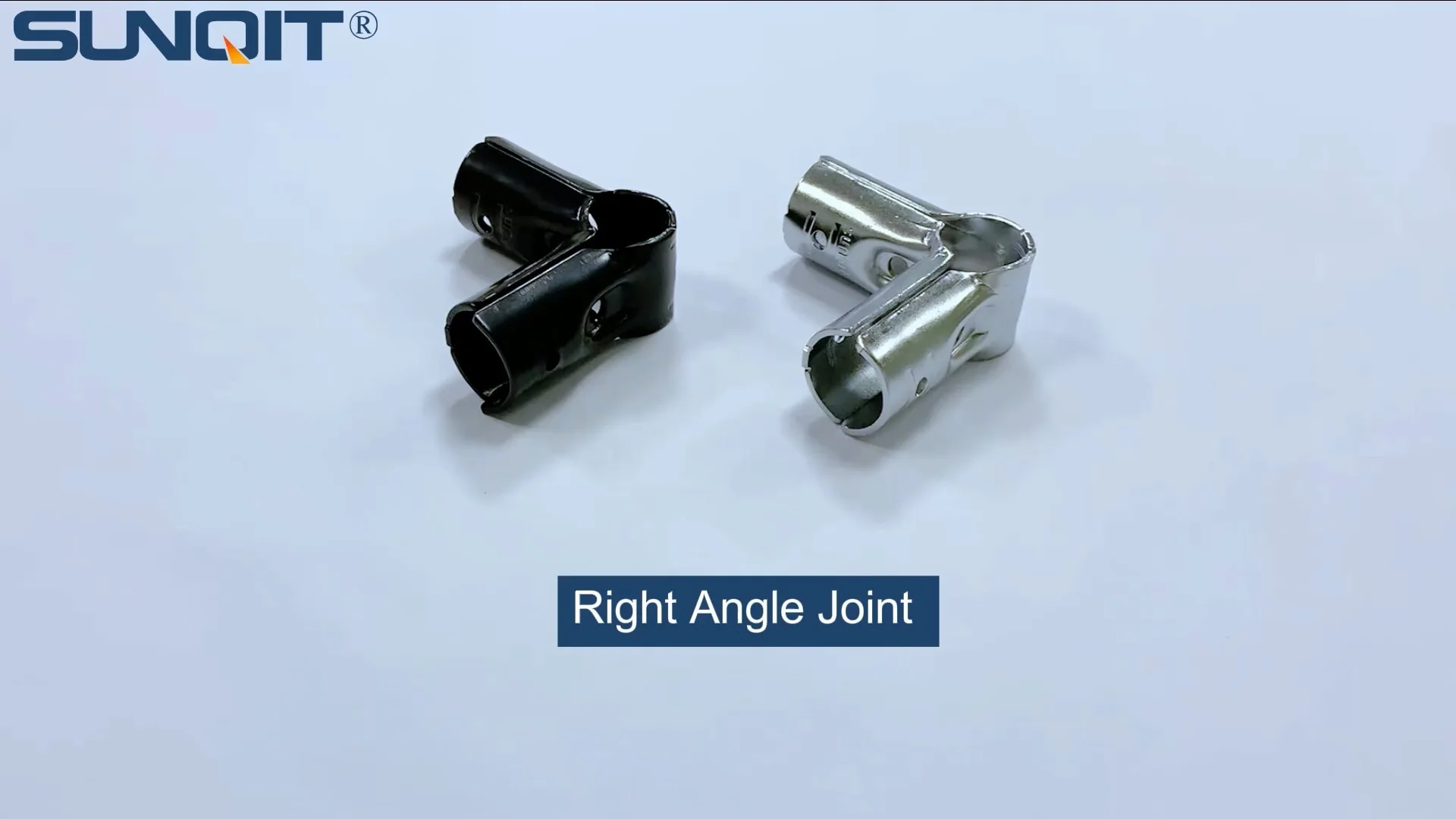
Three way lean pipe joint for 3 pcs 28MM lean pipe connection in straight angle, which used widely in workbench, flow rack, hand trolley frame connection.
Walk into any modern manufacturing facility, warehouse, or assembly line, and you'll likely spot the unsung heroes of operational efficiency: lean pipe systems. From lean pipe workbenches where technicians assemble delicate electronics to material racks that keep production floors organized, these systems rely on one critical component to hold everything together: the lean pipe joint. Among the most common options are three-way lean pipe joints finished with chrome or galvanized coatings. At first glance, they might seem interchangeable—both metal, both built to connect pipes—but dig deeper, and you'll find stark differences that can make or break your system's performance, longevity, and even cost-effectiveness. Let's unpack what sets these two apart, and how to choose the right one for your needs.
What Are Three Way Lean Pipe Joints, Anyway?
Before diving into coatings, let's clarify the basics. A three-way lean pipe joint is a T-shaped connector designed to join three lean pipes at 90-degree angles, forming the backbone of structures like workbenches, material racks (think material rack b (3 row and 3 floor) ), or turnover trolleys. These joints are the "glue" of lean systems, ensuring stability while allowing flexibility—key for adapting to changing production needs. But their effectiveness depends largely on how they're finished. Chrome and galvanized coatings aren't just about looks; they're functional barriers that protect the underlying metal (usually steel) from wear, corrosion, and damage. So, whether you're a lean pipe supplier advising clients or a facility manager building a custom system, understanding these coatings is non-negotiable.
The Basics: Chrome-Plated vs. Galvanized Coatings
To appreciate their differences, let's start with how each coating is applied. Both processes aim to protect the base metal, but they go about it in very different ways.
Chrome-Plated Joints: Shine with a Purpose
Chrome plating (or chromium plating) is an electroplating process where a thin layer of chromium is deposited onto the joint's surface using an electric current. The process typically involves cleaning the base steel to remove impurities, then submerging it in a chromic acid solution. An electric charge causes chromium ions to bond to the steel, forming a hard, smooth layer—usually just 0.0005 to 0.002 inches thick. The result? A mirror-like finish that's as tough as it is eye-catching.
But chrome plating isn't just for aesthetics. The chromium layer acts as a barrier against corrosion and wear, while the underlying nickel layer (often applied first to improve adhesion) adds extra protection. This makes chrome joints popular in settings where both durability and appearance matter—think high-visibility workbenches or customer-facing areas of a facility.
Galvanized Joints: Rust Resistance, No Frills
Galvanization, on the other hand, is all about practicality. The most common method is hot-dip galvanizing, where the steel joint is dipped into a bath of molten zinc (around 860°F/460°C). The zinc reacts with the steel to form a series of zinc-iron alloy layers, followed by a top layer of pure zinc. This creates a coating that's much thicker than chrome—typically 0.002 to 0.006 inches—and deeply bonded to the metal. Unlike chrome's shiny finish, galvanized joints have a matte, silvery-gray appearance, often with a slightly rough texture from the zinc crystallization.
Galvanizing's claim to fame is its "sacrificial protection": if the coating is scratched or damaged, the zinc around the nick will corrode first, slowing or preventing rust on the underlying steel. This makes it a favorite for outdoor or high-moisture environments where corrosion is a constant threat.

Side-by-Side: Key Differences at a Glance
To cut through the technical jargon, let's compare the two coatings head-to-head in the table below. This snapshot will help you quickly assess which might be better suited for your specific application.
| Feature | Chrome-Plated Three Way Joints | Galvanized Three Way Joints |
|---|---|---|
| Coating Method | Electroplating (chromium layer over nickel) | Hot-dip immersion in molten zinc |
| Coating Thickness | 0.0005–0.002 inches (thin, uniform) | 0.002–0.006 inches (thicker, textured) |
| Corrosion Resistance | Good in dry/indoor environments; poor in high humidity or chemicals | Excellent in wet, humid, or outdoor settings; resists salt spray and mild chemicals |
| Aesthetics | Bright, mirror-like shine; smooth finish | Matte silvery-gray; slightly rough texture |
| Durability (Wear & Scratches) | Hard but brittle; prone to scratching if mishandled | Tough, ductile; more resistant to dents and scratches |
| Maintenance Needs | Requires regular cleaning to preserve shine; scratches can lead to rust | Low-maintenance; can be hosed down or wiped with mild detergent |
| Cost | Higher upfront cost (electroplating is labor-intensive) | Lower initial cost (hot-dip process is more efficient) |
| Typical Applications | Indoor workbenches, cleanrooms, display areas, ESD-sensitive environments | Outdoor racks, humid warehouses, food processing (non-corrosive), material handling in wet areas |

Deeper Dive: The Critical Differences That Matter
1. Corrosion Resistance: Battle Against the Elements
Corrosion is the arch-nemesis of any metal component, and when it comes to three-way joints, the coating's ability to fight rust can drastically extend your system's lifespan. Here's how chrome and galvanized stack up:
Chrome-Plated Joints: Chrome's corrosion resistance is a double-edged sword. In dry, indoor environments—like a climate-controlled electronics assembly line with ESD workbenches —it performs admirably. The chromium layer acts as a barrier, preventing oxygen and moisture from reaching the steel beneath. However, chrome is not impervious. If the coating is scratched (say, from dropping a heavy tool on the joint), the exposed steel can rust quickly, and the rust can even spread under the remaining chrome over time. In humid environments, like a warehouse near the coast or a facility with frequent power washing, chrome joints will struggle. The moisture seeps into tiny cracks in the plating, leading to unsightly rust spots that weaken the joint's integrity.
Galvanized Joints: Galvanized coatings laugh in the face of moisture. Thanks to that thick zinc layer, they're ideal for wet or outdoor settings. Zinc is more reactive than steel, so if the coating is damaged, the zinc corrodes first (a process called "sacrificial protection"), buying time for the steel underneath. This makes galvanized joints a no-brainer for outdoor material racks, loading docks, or food processing facilities where floors are regularly hosed down. They even hold up well against mild chemicals, like the cleaning agents used in beverage bottling plants. The tradeoff? In extremely acidic or alkaline environments (think battery manufacturing or chemical labs), galvanized zinc can break down over time—though it still outperforms chrome in these scenarios.
2. Aesthetics: When Looks Matter
Let's be honest: not all industrial equipment is purely functional. A clean, professional-looking workspace can boost morale and even impress clients or auditors. Here's how the two coatings fare in the looks department:
Chrome-Plated Joints: There's a reason chrome is synonymous with "shine." Its mirror-like finish adds a touch of polish to any lean system, making it a favorite for lean pipe workbenches in customer-facing areas, like demo labs or retail backrooms. In electronics manufacturing, where precision and cleanliness are paramount, chrome's bright finish can even make it easier to spot dust or debris on work surfaces. However, that shine comes with a catch: fingerprints, smudges, and water spots are highly visible. If your team is constantly handling the joints (e.g., adjusting the height of a workbench), expect to spend extra time wiping them down to maintain that "new" look.
Galvanized Joints: Galvanized coatings have a more utilitarian vibe. Their matte, silvery-gray finish is understated and blends well with industrial settings, where function trumps flash. This can be an advantage: smudges and scratches are far less noticeable, so the joints maintain a consistent appearance even with heavy use. That said, over time, galvanized coatings can develop a dull, chalky patina (a thin layer of zinc oxide) as they react with air. While this patina actually enhances corrosion resistance, some find it unappealing. If aesthetics are critical, and you need something low-maintenance, you might opt for pre-painted galvanized joints (available from some suppliers), though this adds cost.
3. Durability: Scratches, Dents, and Daily Wear
In a busy facility, lean pipe joints take a beating. Forklifts brush against them, tools drop on them, and workers lean or step on them. How do chrome and galvanized hold up?
Chrome-Plated Joints: Chrome plating is hard—very hard. On the Mohs scale of mineral hardness, chromium scores a 8.5 (diamond is 10), making it resistant to minor abrasions. But it's also brittle. A sharp impact (like a dropped wrench) can chip or crack the plating, exposing the steel underneath. Once that happens, rust isn't far behind. This brittleness also makes chrome joints a poor choice for applications where pipes are frequently adjusted or disassembled; repeated twisting can weaken the plating. They're best suited for static structures that stay in place once built.
Galvanized Joints: Zinc is softer than chromium (Mohs hardness 2.5), but it's ductile—meaning it bends rather than cracks under stress. This makes galvanized joints surprisingly tough. A dropped tool might leave a dent, but the zinc layer will stretch rather than chip, keeping the steel protected. They're also more forgiving during assembly: if you need to reposition a joint or tighten a pipe, the coating won't flake off. This durability is why galvanized joints are a staple in material handling, where material rack b (3 row and 3 floor) might get bumped by pallet jacks daily.
4. Cost: Short-Term Savings vs. Long-Term Value
Budget is always a factor, and here's where the two coatings diverge sharply:
Chrome-Plated Joints: Expect to pay 30–50% more for chrome-plated joints compared to galvanized ones. The electroplating process is labor-intensive, requiring multiple steps (cleaning, nickel plating, chromium plating) and specialized equipment. For small projects—a single workbench, for example—the added cost might be negligible. But for large-scale systems with dozens of joints, the price tag can add up quickly. However, in low-wear, indoor environments, chrome joints can last 5–7 years with proper care, making them a long-term investment if appearance and corrosion resistance in dry settings are priorities.
Galvanized Joints: Galvanized joints are the budget-friendly option. Hot-dip galvanizing is a high-volume process, so suppliers can produce them at scale, passing savings on to customers. Initial costs are lower, but remember: "cheap" isn't always "cost-effective." If you use galvanized joints in a dry, indoor setting where chrome would last longer, you might end up replacing them just as often, eroding those savings. Conversely, in a wet or outdoor environment, galvanized joints can outlast chrome by 10+ years, making them the smarter financial choice in the long run.
Real-World Applications: When to Choose Which
The best way to decide between chrome and galvanized is to match the joint to your environment and needs. Let's walk through common scenarios:
Scenario 1: Electronics Assembly Workbench (Indoor, Climate-Controlled)
You're building a lean pipe workbench for assembling circuit boards, where ESD protection and a clean, bright workspace are critical. The facility is air-conditioned, with low humidity, and the workbench will rarely be moved or bumped. Here, chrome-plated joints shine (literally). Their smooth, reflective surface is easy to sanitize, resists dust buildup, and adds a professional look that aligns with the precision of the work. Just train your team to handle tools carefully to avoid scratches.
Scenario 2: Outdoor Material Rack (Exposed to Rain and Sun)
You need a material rack b (3 row and 3 floor) to store pallets of raw materials in an uncovered loading dock. Rain, UV rays, and occasional salt spray (if near the coast) are daily realities. Galvanized joints are a no-brainer here. Their thick zinc coating will stand up to the elements, preventing rust and extending the rack's lifespan. Chrome would corrode within months, leading to wobbly shelves and safety hazards.
Scenario 3: Food Processing Facility (Wet, High-Cleanliness Standards)
Your facility produces bottled sauces, and you need a lean pipe system to transport bottles from filling to labeling. The area is hosed down daily with hot water and mild detergent. Galvanized joints work here too—zinc resists the cleaning agents, and the coating won't chip off into food products. Avoid chrome, as the frequent moisture would cause rust, and scratches could harbor bacteria.
Scenario 4: High-Traffic Warehouse (Constant Adjustments)
Your warehouse handles seasonal inventory, so you need flexible material racks that can be reconfigured monthly. Joints will be disassembled, moved, and reassembled regularly. Galvanized joints are more durable during these adjustments—their ductile coating won't crack when pipes are twisted or tightened. Chrome joints would scratch or chip with frequent handling, leading to premature failure.
Maintenance Tips: Making Your Joints Last
Whichever coating you choose, a little maintenance goes a long way. Here's how to keep your joints in top shape:
For Chrome-Plated Joints:
- Clean weekly with a soft cloth and mild soap (avoid abrasive sponges or cleaners).
- Dry thoroughly after cleaning to prevent water spots.
- Apply a thin coat of car wax every 3 months to preserve shine and add a protective layer.
- Immediately touch up scratches with chrome nail polish or a rust-inhibiting primer to prevent corrosion.
For Galvanized Joints:
- Wipe down with a damp cloth or hose off monthly to remove dirt and grime.
- Avoid using acidic cleaners (like vinegar) or steel wool, which can strip the zinc coating.
- If the patina becomes too dull for your liking, gently buff with a fine-grit sandpaper (but note: this removes some zinc, so do sparingly).
- For deep scratches, apply a zinc-rich paint to seal the exposed steel.
Final Thoughts: It's All About Context
At the end of the day, there's no "better" option—only the right option for your specific situation. Chrome-plated three-way lean pipe joints excel in dry, indoor, low-wear environments where aesthetics matter. Galvanized joints dominate in wet, humid, or high-traffic settings where durability and corrosion resistance are non-negotiable. As a lean pipe supplier once told me, "We don't sell joints—we sell solutions. A chrome joint in a coastal warehouse is a problem; a galvanized joint in a cleanroom is overkill."
So, assess your environment: Is it dry or humid? Indoor or outdoor? Will the joints be handled frequently? What's your budget—upfront or long-term? By answering these questions, you'll narrow down the choice, ensuring your lean pipe system is not just built to connect pipes, but built to last.