- Company Articles
- Products and Technology
- Product knowledge
- Three Way Lean Pipe Joint Chrome vs. Powder-Coated: Which Suits Your Factory?

Three Way Lean Pipe Joint Chrome vs. Powder-Coated: Which Suits Your Factory?
Related Product
Three Way Lean Pipe Joint Chrome
Three way lean pipe joint for 3 pcs 28MM lean pipe connection in straight angle, which used widely in workbench, flow rack, hand trolley frame connection.
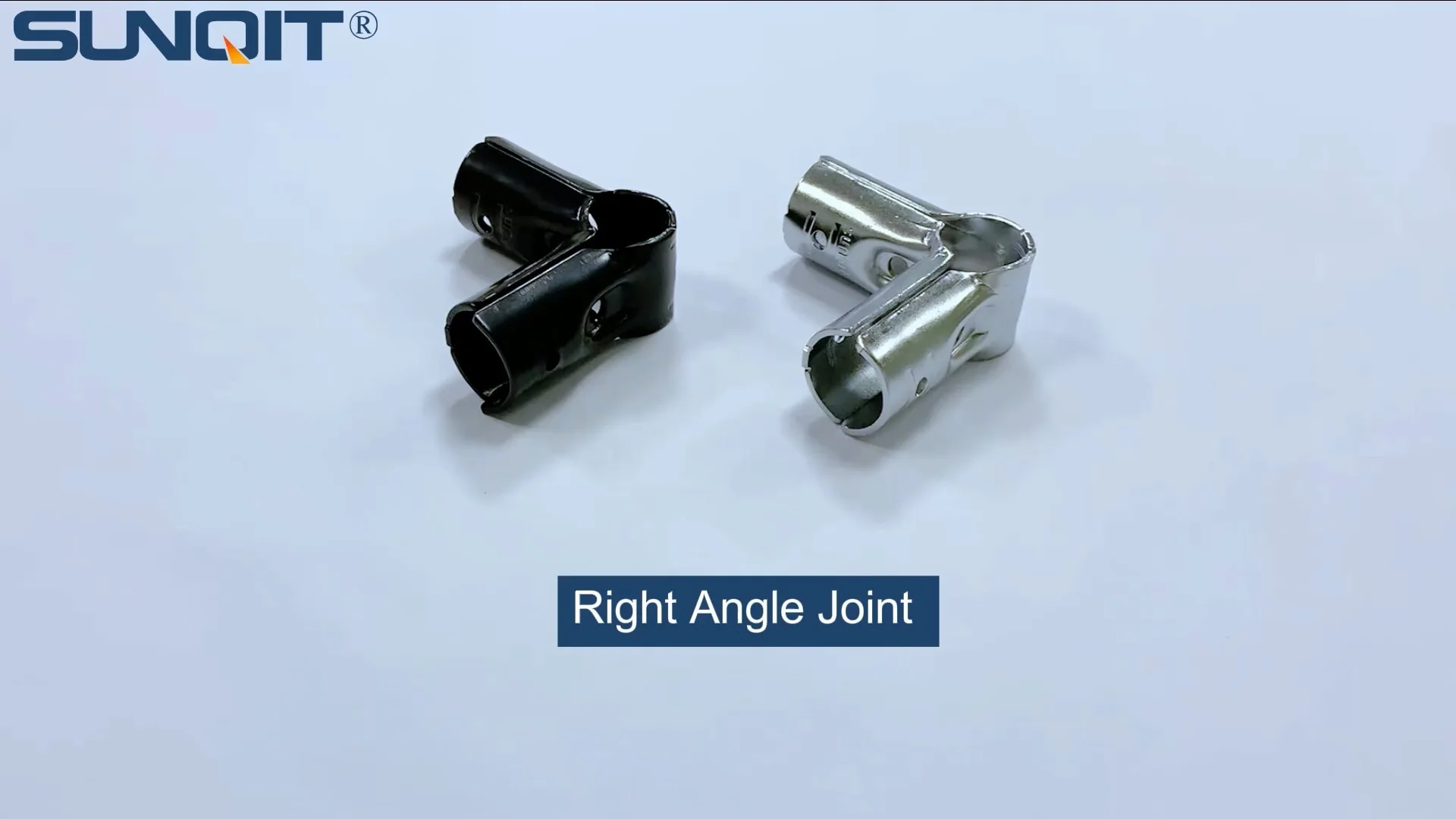
Walk through any thriving manufacturing facility, and you'll notice the quiet rhythm of efficiency: parts gliding along flow racks, workbenches organized to cut down wasted steps, and assembly lines where every second counts. Behind this harmony lies a network of lean tools, and at the heart of many of these tools are the unsung heroes—lean pipe joints. Specifically, three-way lean pipe joints, the connectors that bring together the aluminum pipes, profiles, and accessories that form the backbone of your lean system. But when it comes to choosing between chrome-plated and powder-coated three-way joints, the decision isn't just about looks. It's about durability, cost, environment, and how well they'll support your factory's unique needs. Let's dive into the details to help you pick the right partner for your lean journey.
What Are Three-Way Lean Pipe Joints, Anyway?
Before we compare finishes, let's make sure we're on the same page. Three-way lean pipe joints are the multi-taskers of the lean system world. Shaped to connect three pipes at once (often at 90-degree angles, though some designs allow flexibility), they're the reason you can build sturdy workbenches, adaptable flow racks, and custom material trolleys with minimal effort. Think of them as the "elbows" and "T-junctions" of your factory's circulatory system—without strong, reliable joints, even the best aluminum pipes or stainless steel series will fail to hold up under daily use.
Whether you're a small workshop just starting to implement lean principles or a large-scale manufacturer upgrading your production line, these joints are non-negotiable. They're the reason your lean pipe supplier emphasizes quality—because a weak joint can throw off an entire workflow, leading to delays, damaged parts, or even safety risks. Now, the question is: chrome or powder-coated? Let's break down each option.
Chrome-Plated Three-Way Joints: The Shiny Workhorse
How They're Made
Chrome-plated joints start as base metal (usually steel or aluminum) that's cleaned, treated with a layer of nickel (for adhesion), and then electroplated with chromium. The result? A mirror-like finish that's hard, smooth, and instantly recognizable. This process isn't just for show—chromium is naturally resistant to corrosion, and the plating adds a protective barrier that stands up to moisture, oils, and mild chemicals.
The Pros: Why Factories Love Chrome
Durability in High-Traffic Zones: If your factory floor sees constant movement—forklifts zipping by, workers leaning on workbenches, or parts sliding across flow racks—chrome joints thrive here. The hard plating resists scratches and dents better than many other finishes, making them ideal for areas where joints take regular knocks.
Easy to Clean, Hard to Stain: That smooth, non-porous surface? It's a dream for maintenance teams. Oil, grease, and dirt wipe off with a damp cloth, which is why chrome is a staple in automotive and machinery shops where spills are common. Unlike painted finishes, chrome doesn't absorb stains, so joints stay looking newer longer—important if client tours or OSHA inspections are part of your routine.
Corrosion Resistance in Moderate Environments: While not invincible, chrome holds its own in dry to moderately humid settings. If your factory isn't exposed to heavy rain, salt air, or harsh chemicals (like acids), chrome joints will resist rust and degradation for years, reducing replacement costs.
The Cons: Where Chrome Falls Short
Prone to Chipping (If Mishandled): That hard plating is a double-edged sword. If a chrome joint takes a sharp impact—say, from a dropped tool or a collision with a trolley—it can chip. Once the plating cracks, the underlying metal is exposed, opening the door to corrosion. In high-impact zones, this means more frequent inspections and potential replacements.
Limited Aesthetic Options: Chrome is classic, but it's also one-note. If your factory uses color-coding to organize work zones (e.g., red for hazardous materials, blue for finished goods), chrome's silver shine won't help. You'll need to rely on colored pipes or labels instead, which can add extra steps to setup.
Costlier Upfront: Electroplating is a multi-step process, and that translates to higher initial costs. For small factories on a tight budget, chrome joints might feel like a splurge—though many managers argue the long-term durability offsets the price tag.

Powder-Coated Three-Way Joints: The Durable Contender
How They're Made
Powder coating takes a different approach. Instead of liquid paint or electroplating, dry powder (made of resin, pigments, and additives) is electrostatically charged and sprayed onto the joint. The coated joint is then baked in an oven, where the powder melts into a smooth, even layer. The result? A finish that's thicker than paint, more flexible than chrome, and available in almost any color under the sun.
The Pros: Why Powder-Coated Joints Are Gaining Popularity
Scratch and Chip Resistance That Bends, Not Breaks: Unlike chrome's hard, brittle plating, powder coating has a slight flexibility. This means it can absorb minor impacts without cracking or chipping. If a joint gets bumped by a trolley or scraped by a tool, the finish is more likely to dent than peel—keeping the underlying metal protected longer. This makes powder-coated joints a favorite for workbench legs and material rack corners, where accidental knocks are part of daily life.
Color-Coding Made Simple: Remember that color-coding we mentioned earlier? Powder coating solves that problem effortlessly. Need yellow joints for your assembly line workbenches and grey for your storage flow racks? A good lean pipe supplier can match almost any Pantone color, turning your factory into an organized, visual workspace that reduces errors and speeds up training for new employees.
Better Corrosion Resistance in Harsh Environments: While chrome handles moderate moisture, powder coating excels in tough conditions. Factories with high humidity, exposure to cleaning chemicals, or even outdoor storage areas (like loading docks) benefit from powder-coated joints. The thick, sealed finish acts as a barrier against rust and oxidation, making them a smart choice for food processing plants (where stainless steel series are common) or pharmaceutical facilities (where hygiene is critical).
Eco-Friendly and Cost-Effective Long-Term: Powder coating produces less waste than electroplating (no toxic solvents) and uses fewer resources. While the initial cost might be similar to chrome, the reduced need for replacements (thanks to better chip resistance) often makes powder-coated joints cheaper over time—especially in busy factories where maintenance budgets are tight.
The Cons: When Powder Coating Might Not Be the Best Fit
Not as "Shiny" (and That Matters to Some): Let's be honest—chrome has a certain visual appeal. Powder coating, while smooth, has a matte or satin finish (unless you opt for a glossy powder, which is less common). For factories that prioritize a sleek, industrial look, this might be a turn-off.
Can Fade in Direct Sunlight: If your joints are exposed to constant UV rays (e.g., near skylights or outdoor work areas), some powder-coated colors might fade over time. Darker shades are more prone to this than lighter ones, so keep that in mind when choosing hues.
Harder to Repair On-Site: If a powder-coated joint does get damaged (e.g., a deep scratch that exposes metal), touching it up isn't as simple as wiping on some chrome polish. You'll need to sand the area, apply new powder, and bake it—something most factories can't do in-house. This means sending the joint back to the supplier for repair or replacing it entirely, which can cause downtime.

Head-to-Head: Chrome vs. Powder-Coated Joints
| Factor | Chrome-Plated Three-Way Joints | Powder-Coated Three-Way Joints |
|---|---|---|
| Durability (Scratches/Chips) | Resistant to light scratches; prone to chipping on heavy impact | Flexible finish resists chips and minor dents |
| Corrosion Resistance | Good for dry/moderate environments; struggles with harsh chemicals | Excellent for humid, chemical-exposed, or outdoor areas |
| Aesthetics & Color Options | Shiny silver finish; limited color choices | Custom colors available; matte/satin finish options |
| Maintenance & Cleaning | Easy to wipe clean; stains don't stick | Easy to clean, but deep scratches require professional repair |
| Cost (Initial vs. Long-Term) | Higher upfront cost; moderate long-term maintenance | Similar initial cost; lower long-term replacement needs |
| Ideal Environments | Automotive shops, dry warehouses, showrooms | Food processing, pharmaceutical, high-humidity factories, color-coded workspaces |
Choosing the Right One: It All Depends on Your Factory's Needs
At this point, you might be thinking, "There's no clear winner!" And you're right—because the best choice depends on your specific situation. Let's walk through a few scenarios to help you decide:
Scenario 1: You Run a Busy Automotive Assembly Line
Your factory floor is dry, but it's high-traffic—forklifts, tool carts, and workers moving constantly. You need joints that can handle bumps, resist oil stains, and look clean for client tours. Chrome-plated joints might be your best bet here. Their scratch resistance and easy cleaning will keep your flow racks and workbenches looking sharp, even under daily use.
Scenario 2: You Manage a Food Packaging Plant
Hygiene is non-negotiable, and your facility is cleaned daily with strong disinfectants. Humidity levels are higher near the packaging machines, and you use color-coding to separate raw and finished goods. Powder-coated joints are the way to go. Their corrosion resistance against chemicals and customizable colors will help you meet safety standards and keep workflows organized.
Scenario 3: You're a Small Workshop on a Tight Budget
You need to build a few workbenches and a small flow rack, but you can't afford frequent replacements. You don't have harsh chemicals, but your team is still learning lean practices (so accidental bumps are common). Powder-coated joints make sense here. Their chip resistance means they'll last longer through the learning curve, and the color options can help you keep your small space organized without extra labels.
Scenario 4: You Have Outdoor Loading Docks or High-Moisture Areas
Rain, snow, or high humidity is part of your daily reality. Chrome joints might start rusting within a year, even with regular cleaning. Powder-coated joints (paired with aluminum or stainless steel pipes) will stand up to the elements, saving you from costly replacements.
Don't Forget Your Lean Pipe Supplier: A Partner in the Decision
No matter which finish you choose, your lean pipe supplier should be more than just a vendor—they should be a partner. A good supplier will ask about your factory's environment, workflow, and long-term goals before (recommending) products. They'll have samples of both chrome and powder-coated joints, so you can test them in your space (scratch them with a tool, wipe them with your cleaning chemicals) and see which holds up better.
For example, if you're building a flow rack that will hold heavy parts, your supplier might suggest chrome joints for their rigidity. If you're designing a mobile workbench that will be moved across concrete floors daily, they might push for powder-coated joints with better chip resistance. The key is to communicate openly—your supplier's expertise can save you from making a costly mistake.
Final Thoughts: It's About Balance
Chrome-plated and powder-coated three-way lean pipe joints both have their strengths. Chrome shines (literally and figuratively) in dry, high-traffic environments where aesthetics and easy cleaning matter. Powder-coated joints excel in harsh conditions, color-coded workspaces, and scenarios where long-term durability and flexibility are key. There's no "one size fits all"—but by considering your factory's unique challenges, you can choose the finish that will keep your lean system running smoothly for years to come.
So, the next time you're ordering parts from your lean pipe supplier, take a moment to think about those three-way joints. They might be small, but they're the foundation of your efficiency. Choose wisely, and watch your factory's rhythm get even stronger.