- Company Articles
- Products and Technology
- Installation And Maintenance
- Three Way Lean Pipe Joint Loosening: Causes & Quick Fixes

Three Way Lean Pipe Joint Loosening: Causes & Quick Fixes
Related Product
Three Way Lean Pipe Joint
Three way lean pipe joint for 3 pcs 28MM lean pipe connection in straight angle, which used widely in workbench, flow rack, hand trolley frame connection.
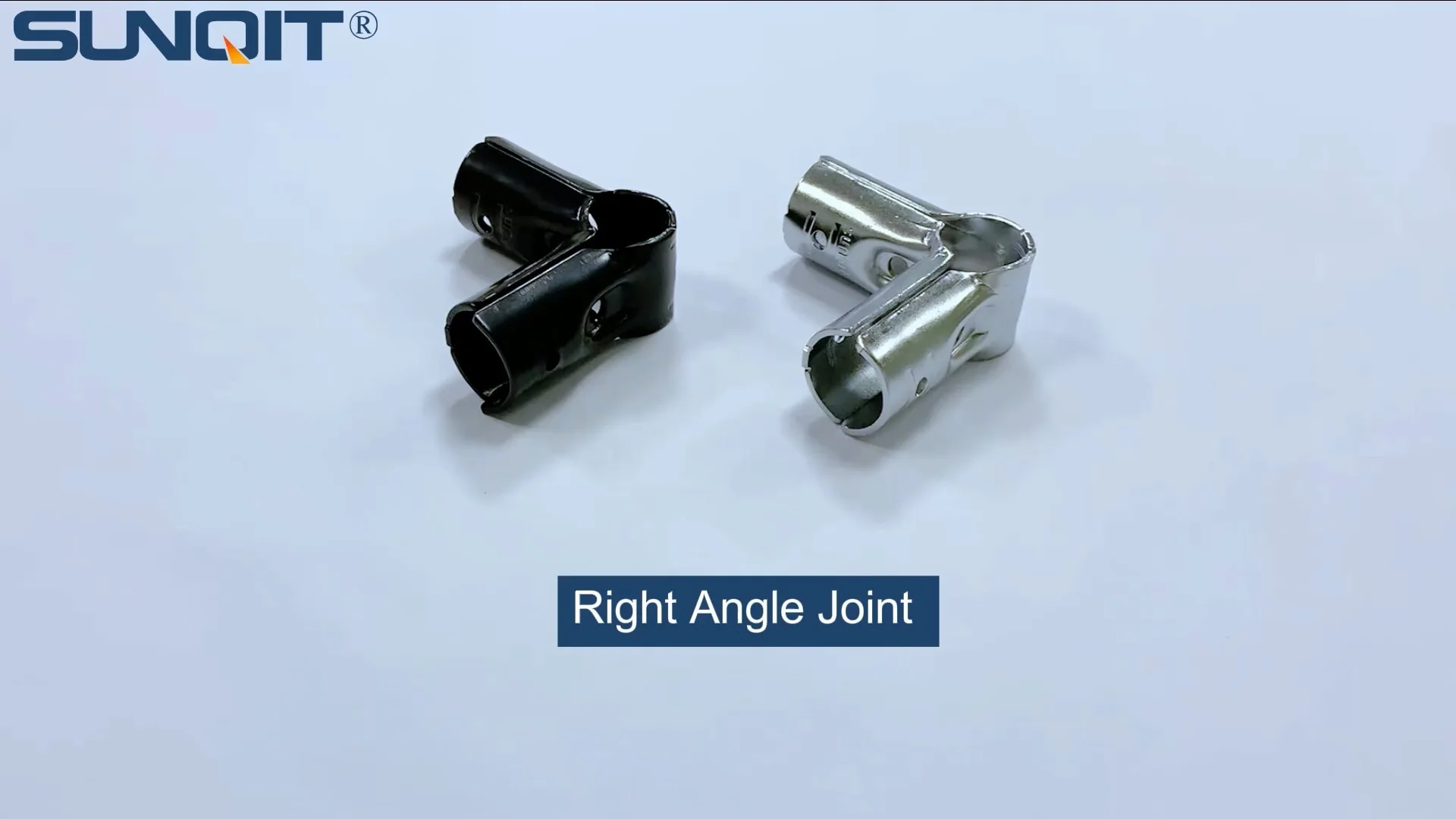
Keeping your lean systems tight, efficient, and ready for action
Walk into any bustling production facility, and the rhythm of efficiency is palpable. Lean pipe workbenches hum with activity as assemblers piece together components, roller tracks glide smoothly under the weight of parts, and caster wheels on trolleys silently ferry materials from station to station. These systems—built on the backbone of lean principles—are designed to minimize waste and maximize flow. But there's a small, critical component holding it all together: the lean pipe joint. Specifically, the three way lean pipe joint, which connects multiple pipes at once, is a linchpin in structures like workbenches, material racks, and flow racks. When it loosens, the entire system stutters. A wobbly workbench, a jammed roller track, or a trolley that won't roll straight—these are the headaches a loose joint can bring. Let's unpack why these joints loosen, how to fix them fast, and how to keep them tight for the long haul.
Why Do Three Way Lean Pipe Joints Loosen? The Hidden Culprits
1. Over-Tightening During Installation: Too Much of a Good Thing
It's a common mistake: when assembling a lean system, the urge to "crank it tight" to ensure stability can backfire. Three way lean pipe joints are designed with threaded connections that require precise torque. Over-tightening strips the threads, weakens the plastic or metal components, or even warps the joint itself. Think of it like over-tightening a jar lid—eventually, the threads wear out, and the lid won't stay closed. On a production floor, this means the joint starts to slip within weeks (or even days) of installation.
2. Vibration: The Silent Shaker
Production facilities are never quiet. Conveyor belts rumble, machinery hums, and forklifts pass by—all sending vibrations through the floor and into your lean systems. Over time, these vibrations act like a silent wrench, gradually loosening the connection between the joint and the pipes. This is especially true for lean pipe workbenches near heavy machinery or roller tracks adjacent to conveyor systems. The constant back-and-forth movement jiggles the joint loose, turning a tight fit into a wobbly mess.
3. Improper Joint Selection: Using the Wrong Tool for the Job
Not all three way lean pipe joints are created equal. Some are made for light-duty use (like holding up a small parts bin), while others are built for heavy loads (like supporting a fully stocked material rack). Using a lightweight joint on a heavy-duty aluminum profile structure is a recipe for disaster. The joint can't handle the stress, and over time, the weight pulls it apart. For example, if you're building a workbench with an aluminum honeycomb panel top (which is sturdy but dense), skimping on a heavy-duty joint will lead to loosening as the panel's weight strains the connection.
4. Wear and Tear: The Slow Erosion of Components
Even the best lean pipe joints don't last forever. Plastic joints can degrade from exposure to oils, chemicals, or UV light; metal joints can rust or corrode in humid environments. The "teeth" or gripping surfaces on the joint that hold the pipe in place wear down, reducing friction and allowing the pipe to rotate or slip. This is particularly noticeable on roller tracks, where the constant movement of parts adds extra stress to the joints holding the track to the aluminum profile frame.
5. Overloading: Pushing the Limits
Lean systems are built to handle specific weight limits, and three way joints are no exception. Stacking a material rack with more components than its design capacity puts excessive strain on the joints. For instance, a rack rated for 500 lbs that's loaded with 700 lbs of parts will cause the three way joints to flex, stretch, and eventually loosen. Over time, this leads to sagging shelves, misaligned pipes, and a system that's no longer safe to use.
Quick Fixes: How to Tighten a Loose Three Way Lean Pipe Joint in Minutes
A loose joint doesn't have to shut down your workflow. Here are step-by-step solutions for the most common causes—no fancy tools required.
Fix 1: Retighten with Precision (For Stripped or Loose Threads)
If the joint is loose but the threads are still intact, retightening with the right torque is often enough. Here's how:
- Assess the damage: Check if the joint is simply loose or if the threads are stripped. Stripped threads will feel "slippery" when you turn the bolt—no resistance.
- Use a torque wrench (or a calibrated hand tool): Most lean pipe joints require 15-25 Nm of torque (check the manufacturer's specs). Avoid using pliers or adjustable wrenches, which can round the bolt heads.
- Add thread locker (optional): For joints prone to vibration (like those near conveyor belts), apply a small drop of medium-strength thread locker (e.g., Loctite Blue) to the threads before retightening. This prevents future loosening without making disassembly impossible later.
Fix 2: replace the Joint (For Worn or Damaged Components)
If the joint is cracked, warped, or has stripped threads, replacement is the only fix. Here's a quick swap:
- Remove the old joint: Loosen the bolts holding the joint to the pipes. If it's stuck, tap gently with a rubber mallet to free it.
- Clean the pipes: Wipe away dirt, grease, or rust from the pipe ends—this ensures a tight fit with the new joint.
- Install the new joint: Align the pipes with the joint's ports, then tighten the bolts to the recommended torque. For heavy-duty applications (like aluminum profile workbenches), opt for metal joints over plastic—they're more durable.
Fix 3: Add Reinforcement (For Overloaded or Misaligned Joints)
If the joint is loose due to overloading or misalignment, adding a reinforcement bracket or switching to a heavier-duty joint can solve the problem:
- Reinforcement brackets: Attach a metal angle bracket (like a small iron corner code) to the joint and the adjacent pipes for extra support.
- Upgrade the joint: Swap a plastic joint for a stainless steel or aluminum three way joint. For example, if you're using a basic plastic joint on a lean pipe workbench with a heavy top, switching to an aluminum joint with reinforced ribs will distribute weight better.
Fix 4: Dampen Vibration (For Joints Shaken Loose by Machinery)
Vibration is tricky, but simple dampeners can make a big difference:
- Rubber gaskets: Place thin rubber gaskets between the joint and the pipes to absorb shock.
- Isolate the system: If the joint is near a vibrating machine, add rubber pads under the lean pipe workbench or roller track legs. This reduces the transfer of vibrations.

Preventive Maintenance: Keep Joints Tight for the Long Run
The best fix is no fix at all. Regular maintenance catches loose joints before they cause problems. Use this checklist to stay ahead:
| Task | Frequency | Tools Needed | Notes |
|---|---|---|---|
| Torque check on all three way joints | Weekly (high-use areas); Monthly (low-use) | Torque wrench, hex keys | Focus on joints near vibrating equipment or heavy loads |
| Inspect joints for cracks/wear | Monthly | Flashlight, magnifying glass (for small cracks) | replace any joint with visible damage immediately |
| Clean and lubricate metal joints | Quarterly (or monthly in humid environments) | Degreaser, dry cloth, anti-corrosion spray | Avoid lubricating plastic joints—they can become slippery |
| Check weight limits on racks/workbenches | Quarterly | Scale (for loaded racks) | Post weight limits visibly to prevent overloading |

Real-World Example: How One Factory Solved Chronic Joint Loosening
A mid-sized electronics manufacturer was struggling with recurring loose joints on their lean pipe workbenches. The assembly line, which produced circuit boards, had workbenches positioned next to a large conveyor belt. Every few days, the three way joints connecting the workbench legs to the frame would loosen, causing the benchtops to wobble and components to spill. The maintenance team was retightening joints daily, but the problem kept coming back.
After assessing the situation, they realized two issues: (1) the conveyor belt's vibration was shaking the joints loose, and (2) the original plastic joints were too weak for the heavy aluminum honeycomb benchtops. Their solution? They replaced the plastic three way joints with aluminum three way joints (more durable) and added rubber vibration-dampening pads under the workbench legs. They also started a weekly torque check routine. Within a month, joint loosening dropped by 90%—and the maintenance team finally had time for other tasks.

Final Thoughts: The Joint That Keeps Your Line Moving
Three way lean pipe joints might be small, but their impact is huge. A loose joint isn't just a minor annoyance—it's a bottleneck waiting to happen. By understanding the causes (over-tightening, vibration, poor selection), fixing them quickly (retightening, replacing, reinforcing), and maintaining proactively, you can keep your lean systems running smoothly. Remember, the goal of lean manufacturing is to eliminate waste—and nothing wastes time like a system brought down by a single loose joint. Invest a little time in your joints, and they'll keep your production line flowing for years to come.