
- Company Articles
- Products and Technology
- Product knowledge
- Three Way Lean Pipe Joint Material Comparison: Aluminum vs Stainless Steel
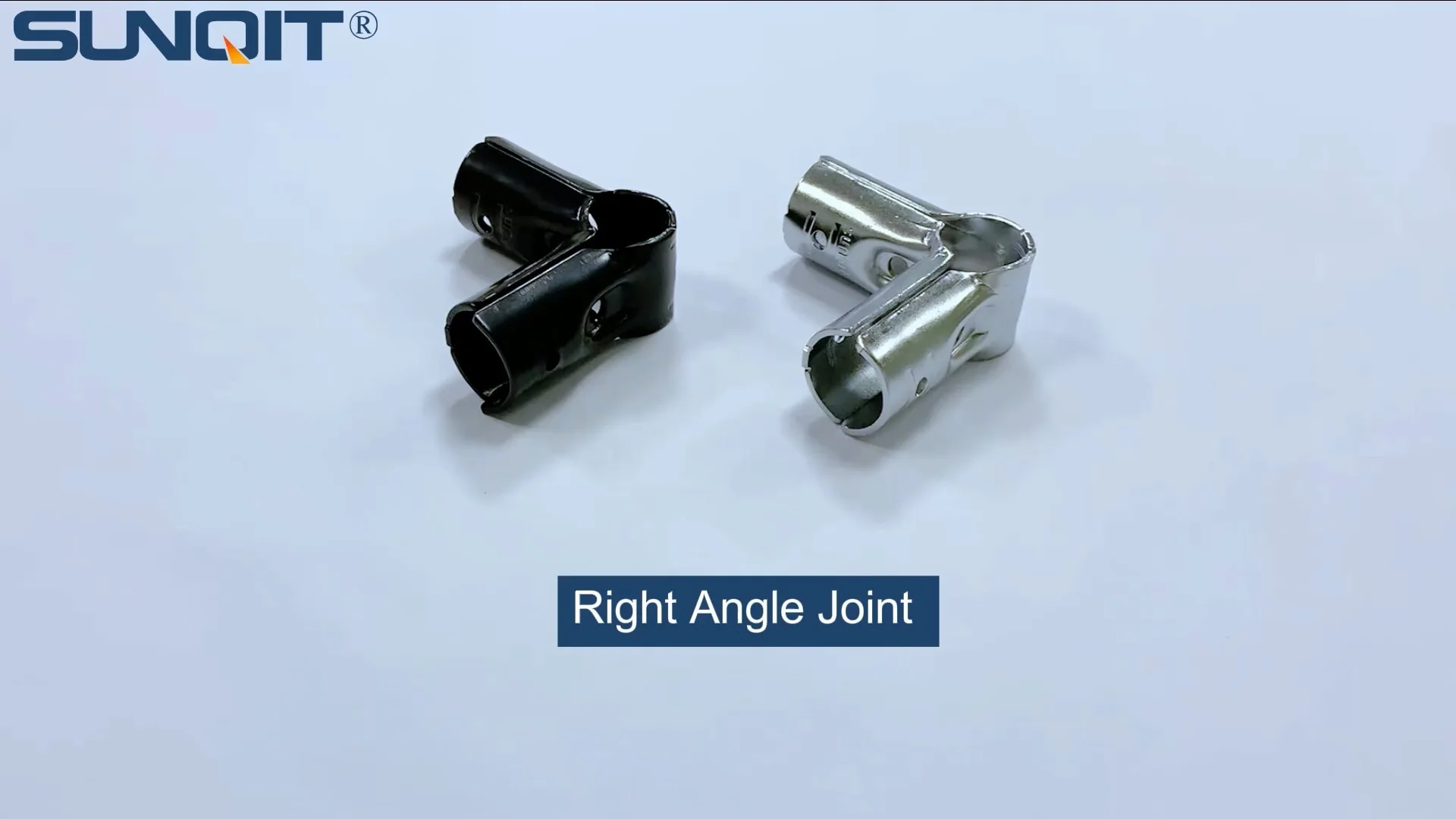
Walk into any well-run manufacturing facility today, and you'll notice a quiet rhythm: parts glide smoothly along roller tracks, workbenches are positioned with precision, and every tool seems to have its perfect spot. This harmony isn't accidental – it's the result of a lean system at work. At the heart of this system, holding everything together, are the often-overlooked components: lean pipe joints. Specifically, three way lean pipe joints, which connect pipes at critical intersections, are the unsung heroes that turn a collection of tubes and profiles into a functional, flexible workspace.
Imagine a scenario in a busy electronics assembly plant. A technician is rushing to meet a production deadline when suddenly, a section of the material rack wobbles. A closer look reveals a loose three way joint – the very piece that's supposed to keep the rack stable. Minutes turn into hours as the team halts work to fix it, delaying the entire line. This isn't just a minor hiccup; it's a reminder that even the smallest components can make or break operational efficiency.
When it comes to three way lean pipe joints, two materials dominate the market: aluminum and stainless steel. Both have their loyal advocates, but choosing between them isn't just about cost or availability. It's about matching the joint's properties to your facility's unique needs – from the weight of the loads it will bear to the environment it will operate in, and even the long-term maintenance demands of your team. Let's dive into what makes each material tick, and how to decide which one deserves a spot in your lean system.


