- Company Articles
- Products and Technology
- Solution
- Tool Storage Racks: 2.0mm Stainless Steel Pipe Organization Solutions

Tool Storage Racks: 2.0mm Stainless Steel Pipe Organization Solutions
Related Product
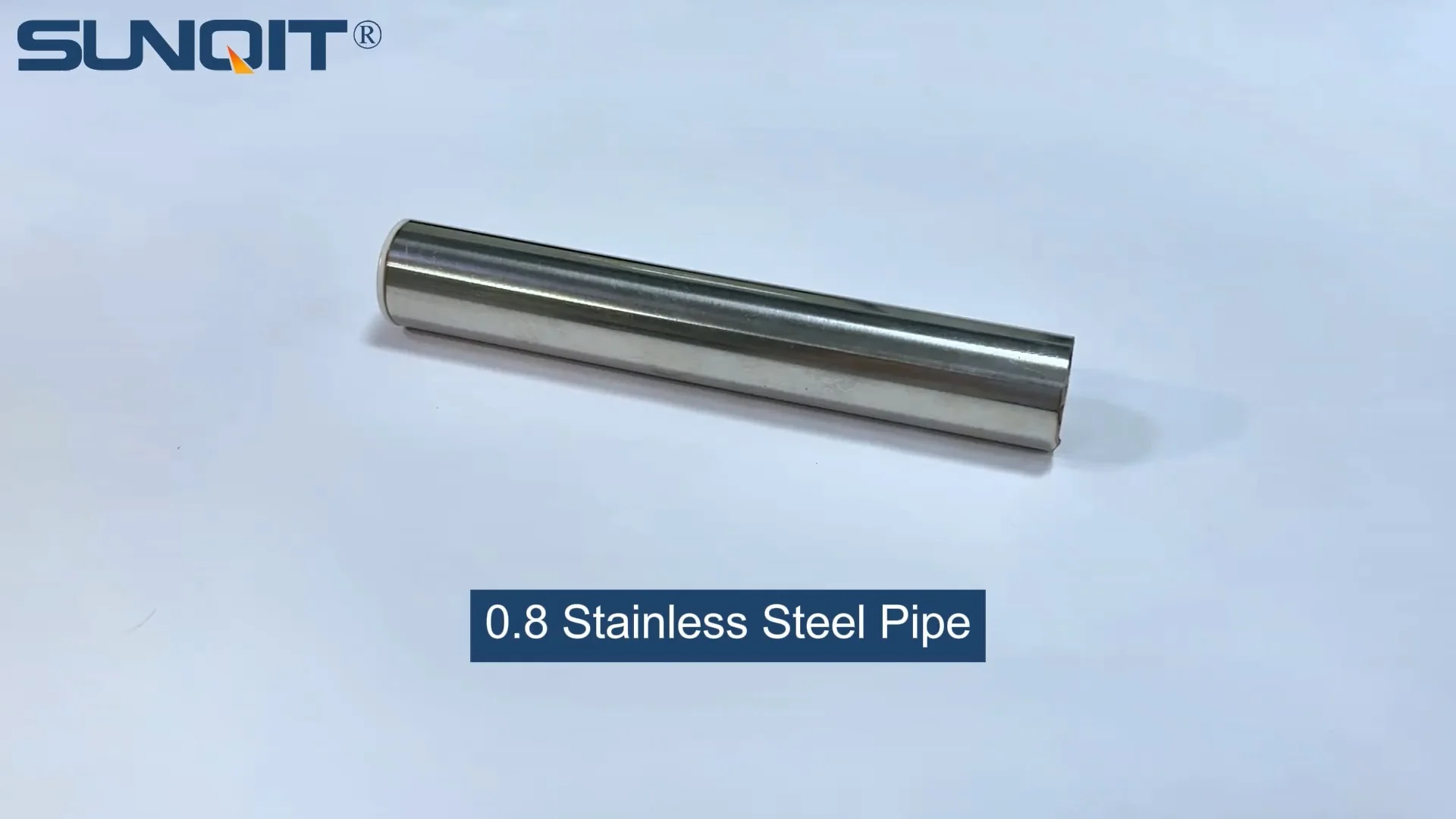
2.0mm Stainless Steel Pipe
Stainless steel pipe, lean pipe, diameter is 28mm, material is SS201 or SS304, SS201 is normally used in the market. It knows a KARAKURI, KAIZEN material for industrial plant to improve efficiency, save labor cost, standard management.
The Hidden Cost of Clutter: Why Tool Storage Matters
In any workspace—whether it's a bustling factory floor, a busy auto repair shop, or a home garage—clutter isn't just an eyesore. It's a silent productivity killer. Lost tools, wasted time searching for equipment, and even safety hazards like tripping over scattered items can grind operations to a halt. The solution? A storage system that's not just about "putting things away," but about creating a workflow that feels intuitive, durable, and adaptable. Enter the 2.0mm stainless steel pipe series: a game-changer in tool organization that blends strength, versatility, and long-term reliability.
Unlike flimsy plastic shelves or rust-prone wooden racks, 2.0mm stainless steel pipe storage solutions are built to withstand the toughest environments. From heavy machinery parts to delicate precision tools, these racks don't just store—they support, streamline, and grow with your needs. And at the heart of this system? Components like lean pipe joints that turn simple pipes into custom configurations, ensuring no two workspaces have to settle for one-size-fits-all storage.
Why 2.0mm Stainless Steel Pipe? The Science of Strength
Stainless steel has long been revered for its durability, but not all stainless steel pipes are created equal. The 2.0mm thickness is a sweet spot that balances two critical factors: load capacity and flexibility. Let's break it down:
Corrosion Resistance: Built to Last in Any Environment
Stainless steel's chromium content forms a protective oxide layer, making it resistant to rust, moisture, and chemicals. This isn't just a bonus—it's a necessity in environments like food processing plants (where cleaning agents are harsh), coastal workshops (salty air), or garages (oil and grease). A 2.0mm pipe isn't just thick; it's a barrier against the elements, ensuring your storage racks look and perform like new for decades.
Load Capacity: No More "Will It Hold?" Worries
Thinner pipes (like 1.2mm or 1.5mm) might save a few dollars upfront, but they sag under heavy loads. A 2.0mm stainless steel pipe, however, can easily support 50-80kg per linear foot—enough for power tools, metal parts, or even small machinery. In manufacturing settings, where a single rack might hold hundreds of pounds of inventory, this strength isn't optional; it's essential.
Versatility: From Racks to Workbenches (and Everything In Between)
Stainless steel pipes are malleable enough to cut, bend, and shape, but rigid enough to maintain structural integrity. This means you're not limited to basic shelves. With the right components, you can build workbenches, turnover trolleys, flow racks, and even mobile carts—all from the same 2.0mm pipe stock. It's like having a modular building kit for your workspace.

The Unsung Hero: Lean Pipe Joints and Modular Assembly
You could have the strongest pipes in the world, but without the right connectors, they're just pieces of metal. That's where lean pipe joints come in. These small but mighty components are the glue that holds the 2.0mm stainless steel pipe system together—and they're designed with modularity in mind.
Lean pipe joints (sometimes called "pipe fittings") come in dozens of configurations: fixed 90-degree angles for corners, swivel joints for adjustable shelves, T-joints for branching structures, and even multi-way connectors for complex setups. Most are made from high-strength plastic or metal, with a grip that tightens securely around the pipe without welding or drilling. This means you can assemble, disassemble, and reconfigure your racks in minutes—no special tools required.
Pro Tip: When choosing lean pipe joints, opt for metal-reinforced plastic versions for heavy loads. They offer the best of both worlds: the flexibility of plastic (no scratching pipes) and the strength of metal (no slipping under pressure).
Imagine building a tool rack that starts with three shelves, then adding a hanging pegboard section six months later as your tool collection grows. With lean pipe joints, that's not a renovation project—it's a 30-minute upgrade. This adaptability is why factories and workshops worldwide swear by stainless steel pipe systems: they evolve with your business, not against it.

Beyond Racks: 5 Storage Solutions You Can Build with 2.0mm Stainless Steel Pipe
The beauty of the 2.0mm stainless steel pipe series is its versatility. Here are five common (and creative) ways to use it in your workspace:
1. Heavy-Duty Workbenches: The Heart of Productivity
A workbench isn't just a table—it's where the magic happens. Whether you're assembling electronics, repairing engines, or crafting prototypes, a sturdy workbench is non-negotiable. A 2.0mm stainless steel pipe workbench combines a solid surface (like a plywood or metal top) with under-shelf storage, pegboards for hanging tools, and even built-in drawers for small parts. Add lockable caster wheels, and you've got a mobile workstation that can roll to wherever the job is.
What sets this apart from generic workbenches? Customization. Need a 36-inch height for standing work? Cut the pipes to size. Want a shelf specifically for your drill press? Add a few extra joints. It's a workstation designed around your workflow, not the other way around.
2. Turnover Trolleys and Racks: Move Tools, Not Just Store Them
In warehouses or manufacturing lines, tools and materials rarely stay in one place. Turnover trolleys—built with 2.0mm stainless steel pipes and caster wheels—solve this problem. These trolleys feature multiple shelves (adjustable, of course, via lean pipe joints) and can carry heavy loads without wobbling. Pair them with turnover racks—vertical storage units with slanted shelves for easy access—and you've got a system that moves materials from storage to workstation in seconds.
For example, an auto shop might use a turnover trolley to transport a set of wrenches, sockets, and torque tools directly to a car lift, eliminating trips back and forth to a fixed rack. It's small changes like this that add up to hours of saved time each week.
3. Flow Racks: Let Gravity Do the Work
In high-volume settings (think assembly lines or shipping departments), flow racks use gravity to keep materials moving. Built with 2.0mm stainless steel pipes and roller tracks, these racks have sloped shelves where boxes or bins glide forward as items are removed. No more reaching to the back of a shelf—new stock automatically rolls into place. Stainless steel's smooth surface ensures bins glide easily, while the 2.0mm thickness supports the weight of stacked materials without bowing.
4. Wall-Mounted Tool Racks: Maximize Vertical Space
Floor space is precious, but vertical space is often underutilized. Wall-mounted racks made with 2.0mm stainless steel pipes turn empty walls into storage goldmines. These racks can hold everything from power tools (hung by their handles) to bulky items like extension cords or air hoses. Use S-hooks or custom brackets (connected via lean pipe joints) to keep tools visible and accessible—no more digging through drawers.
5. Mobile Tool Carts: Your Tools, Wherever You Are
For workers who move between stations—like maintenance technicians or event setup crews—mobile tool carts are a lifesaver. Built on a stainless steel pipe frame with heavy-duty caster wheels, these carts feature drawers, tool hooks, and even small shelves for parts. The 2.0mm pipes ensure the cart doesn't tip when loaded with heavy tools, while stainless steel's resistance to dents keeps it looking professional trip after trip.
Stainless Steel vs. the Rest: A Comparison You Can Trust
Still on the fence about 2.0mm stainless steel? Let's see how it stacks up against other common storage materials:
| Material | Thickness | Corrosion Resistance | Max Load Capacity (per linear foot) | Best For | Longevity |
|---|---|---|---|---|---|
| 2.0mm Stainless Steel Pipe | 2.0mm | Excellent (resists rust, chemicals, moisture) | 50-80kg | Heavy tools, industrial settings, wet environments | 20+ years |
| Aluminum Pipe | 1.5-2.0mm | Good (resists rust, but dents easily) | 30-50kg | Light tools, clean rooms, temporary setups | 10-15 years |
| Wooden Racks | N/A (varies by wood type) | Poor (prone to rot, warping, and pest damage) | 20-40kg (before weakening) | Home garages, light storage | 3-7 years |
| Plastic Shelving | 1.0-1.5mm (hollow) | Good (resists moisture, but not chemicals) | 10-25kg | Small parts, dry environments | 5-8 years (prone to cracking over time) |
As the table shows, 2.0mm stainless steel pipe outperforms alternatives in almost every category—especially in load capacity and longevity. While upfront costs might be higher than plastic or wood, the 20+ year lifespan means you'll save money in replacements over time. It's an investment, not an expense.
Building Your System: Tips for Designing and Installing
Ready to dive in? Here's how to create a 2.0mm stainless steel pipe storage system that works for your space:
Step 1: Map Your Space and Needs
Start by measuring your workspace and listing your tools. How many large items (like drills or saws) need storage? How many small parts (screws, bolts)? Do you need mobile solutions (trolleys) or fixed racks? Sketching a rough layout (even on graph paper) helps avoid overbuying or underutilizing space.
Step 2: Choose Your Components
You'll need: 2.0mm stainless steel pipes (cut to your desired lengths), lean pipe joints (mix of fixed, swivel, and T-joints), a work surface (if building a bench), caster wheels (for mobility), and optional extras like pegboards or drawer units. Most suppliers offer pre-cut pipes, but cutting them yourself with a hacksaw or pipe cutter is easy if you need custom lengths.
Step 3: Assemble with Ease (No Welding Required!)
One of the biggest perks of lean pipe joints is that assembly is tool-free (or requires only a hex key for tightness). Simply slide the pipes into the joints, twist to lock, and you're done. Start with the frame, then add shelves or accessories. Pro tip: Tighten joints just enough to hold—over-tightening can crack plastic components.
Step 4: Test and Adjust
Once assembled, load the rack with tools and check for stability. If a shelf sags, add a center support (using a T-joint and extra pipe). If a trolley wobbles, ensure the caster wheels are all facing the same direction and the frame is square. Remember: This system is modular, so tweaks are easy.
Maintenance: Keeping Your System Shining for Decades
Stainless steel is low-maintenance, but a little care goes a long way:
- Clean Regularly: Wipe down pipes and joints with a damp cloth to remove dust, oil, or grease. For tough stains, use mild soap and water—avoid abrasive cleaners that can scratch the surface.
- Check Joints: Every few months, tighten any loose lean pipe joints (especially on mobile trolleys, where vibration can loosen connections).
- Lubricate Casters: If you're using caster wheels, apply a drop of oil to the axles annually to keep them rolling smoothly.
- Avoid Overloading: While 2.0mm pipes are strong, exceeding their load capacity can cause bending over time. Stick to the 50-80kg per linear foot guideline.
With these simple steps, your stainless steel storage system will outlast most of the tools it holds.
Real-World Impact: How One Workshop Transformed with Stainless Steel Pipes
Let's take a look at a real example: a mid-sized electronics manufacturing plant in Ohio that was struggling with disorganized tool storage. Before switching to 2.0mm stainless steel pipe racks, workers spent an average of 15 minutes per shift searching for tools. The old wooden shelves were warped from moisture, and plastic bins cracked under the weight of circuit boards.
After installing custom racks with lean pipe joints, workbenches, and turnover trolleys, the results were staggering: Tool search time dropped to 2 minutes per shift, and the plant saw a 12% increase in daily production. Workers reported feeling less stressed, and safety incidents (like trips and falls) decreased by 40%. "It's not just about the racks," said the plant manager. "It's about creating a space where every tool has a home, and every step feels intentional."
Final Thoughts: Invest in Storage That Invests in You
Tool storage isn't a afterthought—it's the foundation of a productive, safe, and efficient workspace. The 2.0mm stainless steel pipe series, paired with lean pipe joints, offers something no generic shelf can: a system that's built for your tools, your space, and your future. It's durable enough to handle heavy loads, flexible enough to grow with your needs, and low-maintenance enough to keep up with even the busiest workdays.
So, if you're tired of clutter, frustrated by disorganization, or ready to take your workspace to the next level, consider the 2.0mm stainless steel pipe series. It's not just storage—it's a productivity upgrade that pays dividends for years to come.