- Company Articles
- Products and Technology
- Product knowledge
- Top 5 Benefits of Using Plastic Pipe Covers in Flexible Production Lines

Top 5 Benefits of Using Plastic Pipe Covers in Flexible Production Lines
Related Product
Plastic Pipe Cover
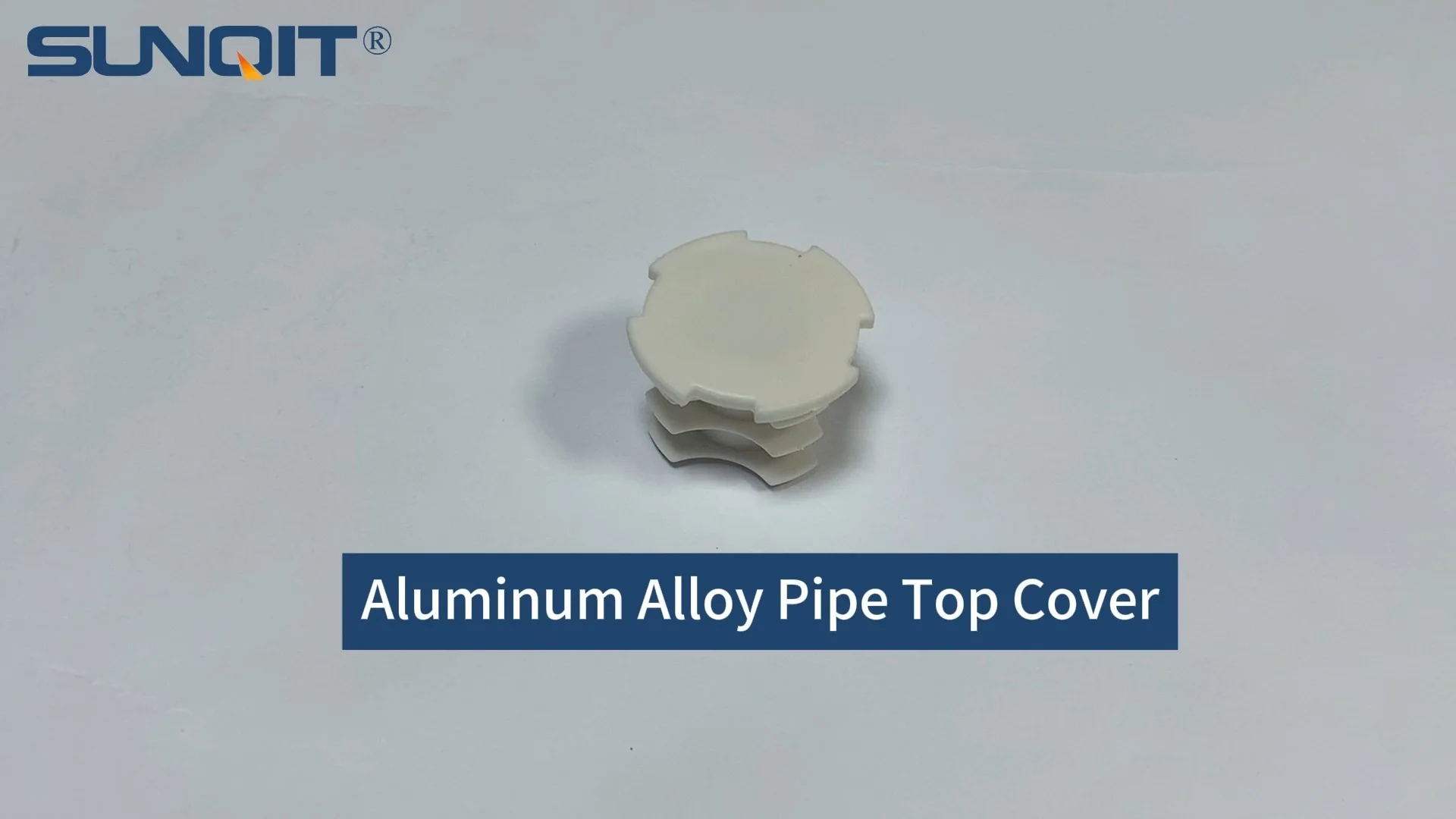
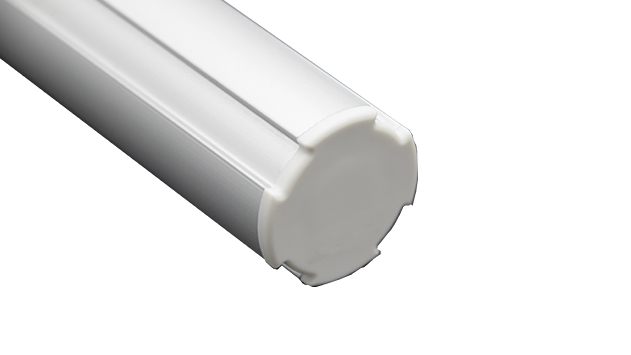
Plastic pipe cover to cover dia 28MM aluminum pipe end at workbench, flow rack, to prevent metal surface scratch material or worker.
In the fast-paced world of manufacturing, where every second counts and efficiency is the name of the game, flexible production lines have become the backbone of lean operations. These systems thrive on adaptability, allowing factories to pivot quickly to changing demands, reduce waste, and keep workflows running like well-oiled machines. At the heart of these setups lies a network of components working in harmony—from lean pipes that form the structure of workbenches and racks to roller tracks that move materials seamlessly across the floor. Yet, among these critical parts, one element often flies under the radar: plastic pipe covers. These unassuming accessories might seem trivial at first glance, but their impact on productivity, safety, and long-term cost savings is anything but. In this article, we'll dive into the top five benefits of integrating plastic pipe covers into your flexible production lines, and why they deserve a spot on every manufacturer's checklist.
1. Enhanced Durability and Wear Resistance: Protecting Your Lean Pipes for the Long Haul
Lean pipes—those versatile, lightweight tubes that form the skeleton of workbenches, flow racks, and material trolleys—are workhorses in any production environment. Day in and day out, they're subjected to a barrage of wear and tear: tools being leaned against them, materials sliding across their surfaces, and the occasional bump from forklifts or pallet jacks. Without proper protection, even the sturdiest lean pipes can start to show signs of damage over time—scratches that weaken the structure, corrosion from exposure to oils or chemicals, or dents that throw off the alignment of roller tracks. This is where plastic pipe covers step in as silent guardians.
Made from robust materials like PVC (polyvinyl chloride) or high-density polyethylene (HDPE), plastic pipe covers act as a protective barrier between the lean pipe and the harsh realities of factory life. Imagine a lean pipe used in a busy automotive assembly line: without a cover, its surface might quickly accumulate scratches from metal parts being dragged across it, or rust spots from spills of lubricants. Over months, these small flaws could compromise the pipe's integrity, leading to wobbling workbenches or misaligned roller tracks that slow down production. With a plastic cover, however, the pipe remains shielded. The cover absorbs the impact of daily use, preventing direct contact between the pipe and damaging elements. This not only keeps the pipe looking newer for longer but also maintains its structural integrity, ensuring that your lean system remains stable and reliable.
What's more, plastic covers are designed to withstand the temperature fluctuations common in manufacturing facilities—from the heat of welding stations to the cool air of climate-controlled storage areas. Unlike metal or rubber alternatives, they don't crack in cold conditions or become brittle under UV exposure, making them a durable choice for both indoor and outdoor use. For manufacturers relying on lean principles to minimize waste, this durability translates to fewer replacements, less downtime, and a production line that stays strong even under pressure.
2. Improved Safety for Workers: Reducing Risks in Busy Environments
In any factory, the safety of workers is paramount. A single accident can disrupt operations, harm employees, and lead to costly downtime—not to mention the human toll. Plastic pipe covers play a surprisingly significant role in creating a safer workspace, addressing two key risks: sharp edges and slips. Let's start with edges. Raw lean pipes, especially those made of aluminum or steel, can have rough or sharp edges where they're cut or joined, posing a risk of cuts or scrapes to workers who brush against them during their shifts. Plastic covers, which are molded to fit snugly over the pipe, smooth out these edges, turning a potential hazard into a soft, rounded surface that's far less likely to cause injury.
Then there's the issue of slips and falls—one of the most common workplace injuries in manufacturing. Factories are often bustling with activity: workers moving quickly between stations, materials being transported on trolleys, and spills (of water, oil, or cleaning solutions) that can turn floors into accident zones. Plastic pipe covers, particularly those with textured surfaces, offer enhanced grip, reducing the risk of slips when workers lean against or step near pipes. But their safety benefits don't stop there. Many plastic pipe covers, like the plastic roller track guide rail yellow and plastic roller track guide rail grey variants, are color-coded to improve visibility. In a busy production line filled with machinery, tools, and materials, bright yellow guide rails stand out, alerting workers to the presence of roller tracks or edges. Grey rails, on the other hand, blend subtly into neutral factory environments while still providing a visual boundary, helping to prevent accidental collisions with equipment.
Consider a scenario in a electronics assembly plant, where workers stand for hours at lean pipe workbenches, handling delicate components. A uncovered lean pipe under the workbench might have a sharp edge that snags a worker's sleeve, causing them to jerk and potentially drop a part. With a plastic cover, that edge is smoothed, and the risk of such incidents drops dramatically. Similarly, in a warehouse using flow racks with plastic roller track guide rails, the bright yellow color of the rails makes it easier for forklift operators to see the edges of the racks, reducing the chance of accidental collisions. In short, plastic pipe covers don't just protect the equipment—they protect the people who keep the production line moving.
3. Cost-Effective Maintenance and Longevity: Saving Money in the Long Run
For manufacturers, every dollar counts. While investing in new equipment or upgrades is often necessary, finding ways to reduce long-term costs is equally important. Plastic pipe covers are a prime example of a small investment that yields big savings over time, thanks to their ability to extend the lifespan of lean pipes and simplify maintenance. Let's break it down: a single lean pipe might cost a few dollars, but when you multiply that by the hundreds (or thousands) of pipes in a large production facility, replacing them frequently adds up fast. Without a plastic cover, pipes degrade more quickly—scratches lead to corrosion, dents lead to misalignment, and before you know it, you're replacing entire sections of your lean system. With a cover, however, the pipe's lifespan can be extended by 30% or more, according to industry estimates, drastically reducing replacement costs.
Maintenance is another area where plastic covers shine. When a cover gets damaged—say, a section cracks after a heavy impact—it's far cheaper and easier to replace just the cover than to replace the entire pipe. Plastic covers are lightweight, require no special tools to install, and can be swapped out in minutes by a single worker. Compare that to replacing a lean pipe, which might involve disassembling part of the workbench or rack, removing the old pipe, cutting a new one to size, and reattaching all the joints and accessories. The latter process could take hours and require multiple workers, leading to downtime that costs even more in lost productivity. For example, a food and beverage plant using lean pipe turnover trolleys might find that the plastic covers on the trolley handles wear out after a year of heavy use. Replacing those covers costs a fraction of the price of a new trolley, and the swap can be done during a short break, ensuring the trolley is back in service the same day.
Additionally, plastic covers help prevent costly repairs to other components. A scratched or dented lean pipe might cause roller tracks to misalign, leading to jams that slow down material flow. Fixing those jams could require stopping the production line, disassembling the track, and realigning the pipes—all of which eat into valuable time. By keeping pipes smooth and intact, plastic covers reduce the likelihood of these issues, keeping maintenance teams focused on more critical tasks and production lines running smoothly. In the end, the cost of plastic pipe covers is quickly offset by the savings in replacement parts, labor, and downtime—making them a smart financial choice for any manufacturer looking to maximize their return on investment.

4. Optimized Material Flow and Efficiency: Keeping Lean Principles in Motion
At the core of lean manufacturing is the idea of eliminating waste—whether it's time, materials, or effort. Nowhere is this more critical than in material flow: the movement of parts, components, and finished goods through the production line. Any hiccup in this flow— a jammed roller track, a sticky surface, or uneven movement—can create bottlenecks, slow down production, and increase lead times. Plastic pipe covers, particularly in the form of roller track guide rails, play a key role in keeping material flow smooth and efficient, aligning perfectly with lean principles.
Take plastic roller track guide rail yellow and plastic roller track guide rail grey as examples. These rails are designed to guide roller tracks, ensuring that items glide along the line with minimal friction. The plastic material is naturally smooth, reducing the resistance that can cause boxes or parts to get stuck. Unlike metal rails, which might rust or develop burrs over time, plastic rails maintain their smooth surface, even after years of use. This means materials move consistently, at the right speed, and without unexpected stops—exactly what lean systems need to eliminate waste. For instance, a pharmaceutical manufacturer using flow racks with grey plastic roller track guide rails to transport vials between stations can rely on the smooth rails to ensure the vials move steadily, preventing spills or delays that could compromise product quality.
Plastic covers also help maintain the alignment of lean pipes, which is crucial for keeping roller tracks level. When pipes are dented or bent, the track can become uneven, causing materials to slow down or tip over. By protecting pipes from damage, plastic covers ensure the track remains straight and level, allowing for a continuous flow of goods. This is especially important in high-speed production lines, where even a small disruption can have a ripple effect, delaying downstream processes. For example, an automotive parts supplier using lean pipe conveyor systems with yellow plastic guide rails can trust that the rails will keep the conveyor aligned, ensuring parts arrive at the assembly line exactly when they're needed—no earlier, no later. In this way, plastic pipe covers don't just protect pipes; they help keep the entire production line in sync, making it easier to meet deadlines, reduce inventory, and deliver products to customers faster.

5. Versatility and Adaptability: Keeping Up with Changing Production Needs
One of the biggest advantages of flexible production lines is their ability to adapt to changing demands—whether it's a new product launch, a shift in customer orders, or a need to reconfigure workflows for better efficiency. Plastic pipe covers are designed with this adaptability in mind, making them easy to integrate into existing systems and adjust as needs evolve. Unlike rigid metal covers, which might require custom fabrication or welding, plastic covers are lightweight, flexible, and compatible with a wide range of lean pipe sizes and accessories. This means you can install them on new lean pipes, retrofit them onto existing systems, or even swap them out when you need to change the color or style of your setup.
For example, a electronics manufacturer might start with grey plastic roller track guide rails on their flow racks but later decide to add color-coding to differentiate between different product lines. With plastic covers, they can simply replace the grey rails with yellow ones, without having to replace the entire rack or track system. Similarly, a small business using lean pipe workbenches might expand their operations and need to extend their workbench setup. Plastic covers can be easily cut to fit new pipe lengths, ensuring the extended workbench matches the existing one in both functionality and appearance. This versatility makes plastic pipe covers ideal for businesses of all sizes—from startups scaling up to large corporations with complex, ever-changing production lines.
Additionally, plastic covers are compatible with a wide range of lean pipe joints and accessories, from swivel casters to roller track connectors. This means you can build custom solutions—like mobile workstations with covered pipes and integrated roller tracks—without worrying about compatibility issues. For instance, a furniture manufacturer might design a turnover trolley using lean pipes with plastic covers, adding swivel casters for mobility and a roller track with yellow guide rails for easy loading and unloading. The plastic covers ensure the trolley is durable, safe, and efficient, while the modular design allows the manufacturer to modify the trolley later if needed—adding more shelves, changing the wheel type, or adjusting the height. In a world where production needs are constantly shifting, this adaptability is invaluable, helping manufacturers stay agile and competitive.
Comparing Plastic Pipe Cover Colors: Yellow vs. Grey
| Color | Primary Use Case | Visibility Level | Environmental Resistance | Best For |
|---|---|---|---|---|
| Plastic Roller Track Guide Rail Yellow | High-traffic areas, safety zones, material flow paths | High—stands out in busy environments | Resistant to oils, chemicals, and UV light; ideal for indoor/outdoor use | Assembly lines, warehouses, and areas where worker safety and material flow visibility are critical |
| Plastic Roller Track Guide Rail Grey | Neutral environments, cleanrooms, and areas where subtlety is preferred | Medium—blends with industrial settings while still providing boundary definition | Resistant to dust, moisture, and mild chemicals; best for indoor use | Electronics manufacturing, pharmaceutical facilities, and lean workbenches where a sleek, understated look is desired |
Conclusion: Small Covers, Big Impact
In the world of flexible production lines, it's often the smallest components that make the biggest difference. Plastic pipe covers may not grab headlines like high-tech machinery or automated systems, but their impact on durability, safety, cost savings, efficiency, and adaptability is undeniable. By protecting lean pipes from wear and tear, reducing workplace injuries, lowering maintenance costs, optimizing material flow, and adapting to changing needs, these unassuming accessories play a vital role in keeping production lines running smoothly and lean principles in action.
Whether you're using plastic roller track guide rail yellow to enhance safety in a busy warehouse or grey rails to maintain a clean look in a pharmaceutical lab, plastic pipe covers offer a simple, cost-effective way to improve your lean system. So the next time you're designing or upgrading your production line, don't overlook these small but powerful tools. After all, in lean manufacturing, every detail counts—and plastic pipe covers are one detail that can make all the difference.