- Company Articles
- Products and Technology
- Product knowledge
- Top 5 Materials for Parallel Rotatory Lean Pipe Joints: Aluminum vs. Steel

Top 5 Materials for Parallel Rotatory Lean Pipe Joints: Aluminum vs. Steel
Related Product
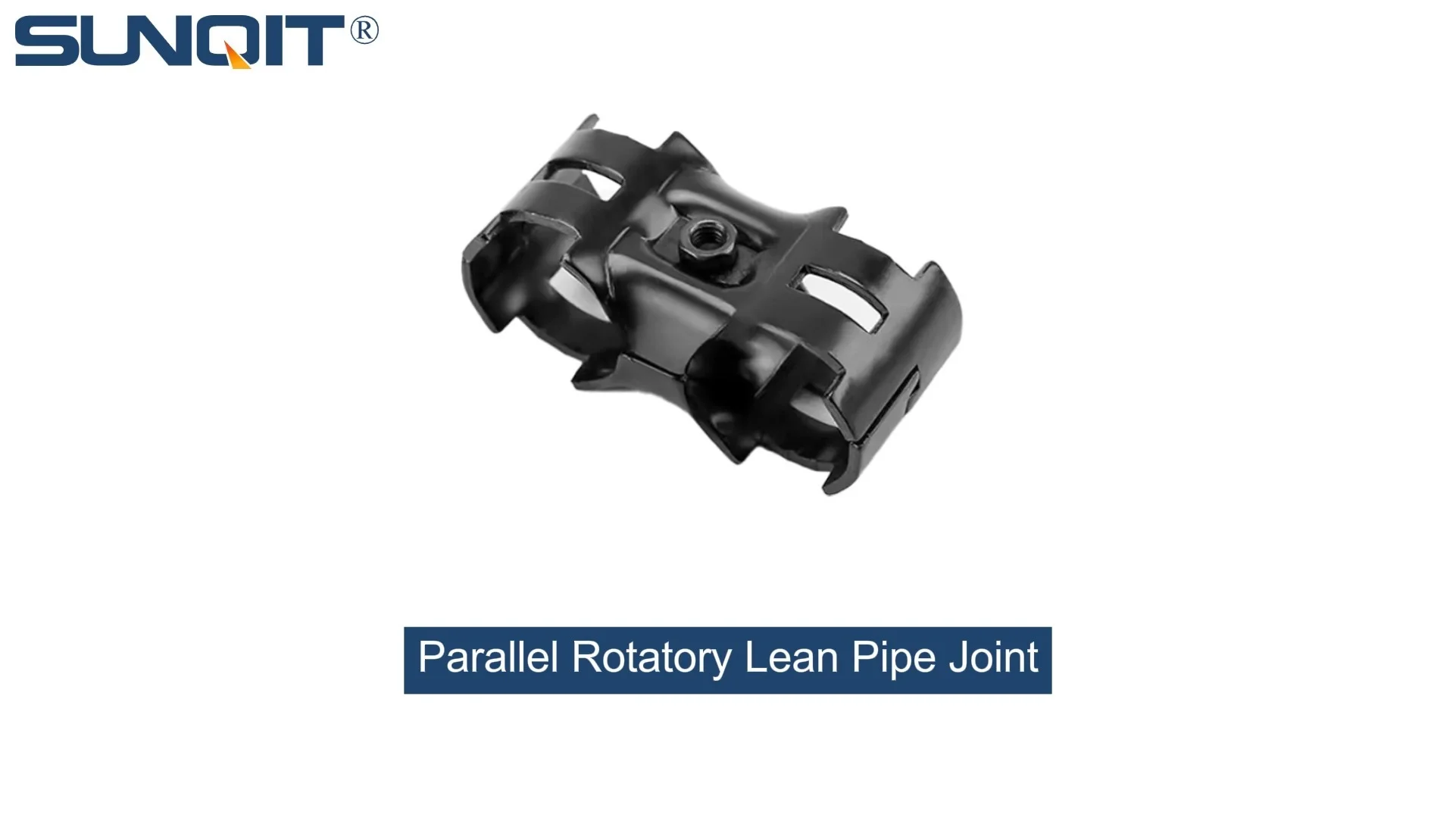
Parallel Rotatory Lean Pipe Joint
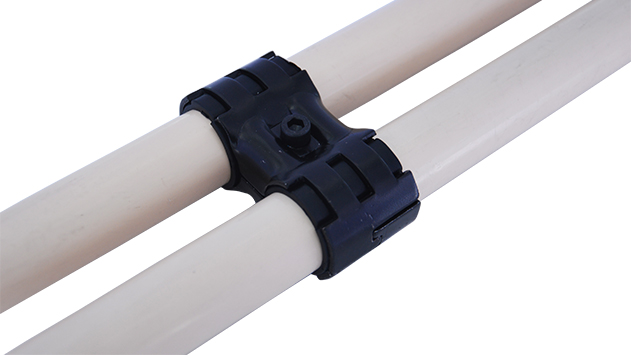
Parallel rotatory lean pipe joint, for 2 pcs pipe conenction in parallel direction with rotatory function.
Walk into any modern factory, warehouse, or assembly line, and you'll notice a common theme: efficiency. Every tool, every workstation, every rack is designed to reduce waste, speed up processes, and keep things moving. This is the heart of lean system philosophy—and at the core of these systems lie unassuming but critical components: lean pipes and their joints. Among these, parallel rotatory lean pipe joints stand out. They're the flexible connectors that let you adjust angles, rotate structures, and reconfigure setups on the fly. But here's the thing: not all joints work the same. The material they're made from can change everything—how strong your setup is, how long it lasts, even how easy it is to adapt when your needs shift. Let's explore the top 5 materials for these unsung heroes, with a close look at the age-old rivalry: aluminum vs. steel.
What Are Parallel Rotatory Lean Pipe Joints, Anyway?
Before we dive into materials, let's make sure we're on the same page. Parallel rotatory lean pipe joints are the "hinges" of lean manufacturing. They connect lean pipe (hollow tubes used to build structures like workbenches, flow racks, and conveyors) and allow controlled rotation along a parallel axis. Think of them as the joints in your arm—they let you move parts of the structure without disconnecting everything. For example, a workbench with these joints might let you swivel a tool holder into place or tilt a material rack for easier access. In short, they're what make lean systems "lean" — flexible, adaptable, and waste-free.
But why does material matter so much? Imagine using a plastic joint to hold up a heavy metal pipe on a factory floor. It might work for a day, but soon it'll crack under the weight. Use a rust-prone steel joint in a damp food processing plant, and you'll be replacing it every month. The right material ensures your joints can handle the load, resist the environment, and keep up with the demands of your workflow. Let's break down the top 5 options.
Material 1: Aluminum – The Lightweight Workhorse
If there's a "fan favorite" in modern lean setups, it's aluminum. You've probably seen aluminum lean pipe in electronics factories or clean rooms—those shiny, silver tubes that look lightweight but hold their own. Aluminum joints, often paired with aluminum pipes, have become go-to for teams that value flexibility and efficiency.
What makes aluminum stand out? For starters, it's lightweight. A typical aluminum joint weighs about 30-50% less than a steel joint of the same size. That might not sound like much, but multiply that by hundreds of joints in a large setup, and suddenly your workers aren't straining to adjust a workbench or reconfigure a flow rack. I once visited a smartphone assembly plant where they switched from steel to aluminum joints, and the team lead told me their setup time for new production lines dropped by 40%. Why? Because workers could carry and adjust aluminum joints without needing extra help or heavy tools.
Then there's corrosion resistance. Aluminum naturally forms a thin oxide layer when exposed to air, which acts like a shield against rust and moisture. That makes it perfect for environments where cleanliness matters—like pharmaceutical labs or semiconductor plants. Unlike steel, you don't have to paint or coat aluminum joints to protect them, which saves time and money on maintenance. And let's not forget aesthetics: aluminum has a clean, modern look that fits well in spaces where appearance matters, like customer-facing demo areas or R&D labs.
But aluminum isn't all sunshine and rainbows. It's not as strong as steel, so if you're building a structure that needs to hold extremely heavy loads—say, a rack for car engines—aluminum might not be the best pick. It also dents more easily than steel. drop a steel joint on concrete, and it might scratch; drop an aluminum one, and you could bend the threading, making it useless. Still, for most light to medium-duty applications, aluminum's pros far outweigh its cons.
Real-World Example:
A medical device manufacturer I worked with switched to aluminum parallel rotatory joints for their assembly workbenches. Their old steel joints were heavy, making it hard to adjust the height of work surfaces for different operators. With aluminum, workers could now tweak the bench height in seconds, reducing ergonomic strain and cutting down on "adjustment time" (a hidden waste in many factories). Plus, since aluminum resists corrosion, they didn't have to worry about rust compromising the sterile environment required for medical tools.
Material 2: Steel – The Tough, Time-Tested Classic
If aluminum is the new kid on the block, steel is the seasoned veteran. For decades, steel joints were the only game in town for heavy-duty lean setups. Walk into an automotive factory or a warehouse handling metal parts, and you'll still see steel joints holding up pipes like they're nothing. Why? Because when it comes to raw strength, steel is hard to beat.
Steel's superpower: tensile strength. Tensile strength is how much pulling force a material can handle before breaking. Steel has a tensile strength of around 400-500 MPa (megapascals), while aluminum sits around 200-300 MPa. What does that mean in real life? A steel joint can safely hold a pipe loaded with 500 kg without bending, while an aluminum joint might start to warp at 300 kg. That's why steel is king in environments with heavy loads—think conveyor belts carrying engine blocks or material racks stacked with metal sheets.
Another plus? Cost. Steel is cheaper than aluminum, especially in bulk. If you're building a large setup on a tight budget, steel joints can cut your material costs by 20-30%. And while steel is heavier, that weight can be an advantage in some cases. A steel-jointed structure is less likely to wobble or shift under vibration—handy if you're using it near heavy machinery that shakes the floor.
But steel has its drawbacks, and rust is the big one. Unless it's coated (with zinc, paint, or another material), steel will start to rust in damp or humid environments. That's a problem in food processing plants, outdoor setups, or anywhere with water exposure. Even in dry environments, steel joints can corrode over time if they're not maintained. I visited a furniture factory once that used uncoated steel joints in their material racks. After a year, the joints had rusted so badly that the racks started to lean—they had to replace all of them, costing thousands in downtime. Lesson learned: if you go steel, invest in coatings.
Steel is also harder to work with. Cutting, drilling, or adjusting steel joints requires heavier tools (think power drills instead of hand tools), and because they're heavy, assembling a steel structure takes more people and more time. For teams that need to reconfigure setups often, this can be a dealbreaker.

Material 3: Stainless Steel – The Corrosion-Resistant Champion
What if you want the strength of steel but need to avoid rust? Enter stainless steel. Part of the stainless steel pipe series , these joints are steel with a secret ingredient: chromium. Add at least 10.5% chromium to steel, and you get a material that forms a protective oxide layer, just like aluminum. The result? A joint that's as tough as steel but resists corrosion like a champ.
Where does stainless steel shine? Anywhere moisture, chemicals, or hygiene are priorities. Take food and beverage plants, for example. They're full of water, cleaning chemicals, and strict sanitation rules. A stainless steel joint can handle daily hosing down with sanitizers without rusting, unlike regular steel. Pharmaceutical labs love it too—stainless steel is non-porous, so bacteria can't hide in cracks, making it easier to keep sterile.
Stainless steel also holds up in outdoor environments. I worked with a logistics company that built outdoor loading docks using stainless steel joints and pipes. Even in rainy, salty coastal air, the joints looked brand-new after two years. Regular steel would have been rusted to bits by then.
But all that resistance comes at a cost. Stainless steel is pricier than regular steel—sometimes double the cost. It's also heavier than aluminum, so while it's strong, it's not as easy to move around. And while it resists rust, it's not completely immune. In highly acidic environments (like a chemical plant with sulfuric acid fumes), even stainless steel can corrode. For those cases, you might need "super alloys" like titanium, but that's a whole other (very expensive) category.

Material 4: Plastic Composites – The Lightweight, Low-Maintenance Option
If you're looking for something completely different, plastic composites might be the way to go. These joints are made from materials like glass-reinforced plastic (GRP), nylon, or polypropylene—think "heavy-duty plastic with extra strength." They're not as common as aluminum or steel, but they have niche uses where their unique properties shine.
Why plastic composites? First, they're lightweight—even lighter than aluminum. A plastic composite joint might weigh half as much as an aluminum one, making them perfect for temporary setups or structures that need to be moved often. They're also corrosion-resistant to just about everything: water, chemicals, oils, you name it. I visited a battery manufacturing plant once where they used plastic composite joints in their acid-handling areas. The acid would eat through steel in weeks, but the plastic joints lasted for years without a scratch.
Another perk: they're electrical insulators. In electronics manufacturing, where static electricity can fry sensitive components, plastic joints prevent static buildup. They're also quiet—no clanging metal when you adjust them, which is a nice bonus in noisy factories.
But let's be real: plastic composites aren't for heavy lifting. They have lower tensile strength than metal, so they're best for light to medium loads—think small parts bins, tool holders, or lightweight workbenches. They also can't handle extreme heat. Expose them to temperatures over 100°C (like near ovens or furnaces), and they'll warp or melt. And while they resist most chemicals, some solvents (like strong adhesives or industrial cleaners) can eat through the plastic over time.
Material 5: Brass – The Precision Player
Brass is the dark horse of the group. It's not as common as the others, but in the right situations, it's irreplaceable. Made from copper and zinc, brass joints offer a unique mix of properties: corrosion resistance, antimicrobial properties, and precision.
When to choose brass? Precision is key here. Brass is easy to machine into tight tolerances, making it perfect for joints that need to rotate smoothly without wobbling. Watchmakers or jewelry manufacturers, for example, use brass joints in their workbenches because they can adjust tools to exact angles without any "play" in the joint. Brass also has natural antimicrobial properties—copper, one of its main components, kills bacteria on contact. That's why you might see brass joints in hospitals or labs where cleanliness is critical.
Brass is also corrosion-resistant, though not as much as stainless steel. It holds up well in dry or slightly damp environments but can tarnish (develop a greenish layer) in highly humid areas. The upside? Tarnish is just a surface layer—it doesn't weaken the metal like rust does. And let's not forget the look: brass has a warm, golden hue that adds a touch of professionalism, making it popular in showrooms or customer-facing setups.
The downside? Cost. Brass is more expensive than steel or aluminum, so it's usually reserved for specialized applications. It's also softer than metal, so it can scratch or dent if roughly handled. For most general lean setups, brass is overkill—but when precision and aesthetics matter, it's worth the investment.
Aluminum vs. Steel vs. The Rest: A Side-by-Side Comparison
With so many options, it's hard to keep track. Let's put them all in one place to see how they stack up:
| Material | Strength (Tensile Strength, MPa) | Weight (vs. Steel) | Corrosion Resistance | Best For | Cost (vs. Steel) |
|---|---|---|---|---|---|
| Aluminum | 200-300 | 30-50% lighter | Excellent (natural oxide layer) | Electronics, clean rooms, light to medium loads | 10-20% more expensive |
| Steel (Carbon) | 400-500 | Standard (heaviest) | Poor (needs coating) | Heavy loads, automotive, low-budget setups | Baseline (cheapest) |
| Stainless Steel | 500-600 | Same as steel | Excellent (chromium oxide layer) | Food processing, damp environments, hygiene-critical areas | 50-100% more expensive |
| Plastic Composites | 100-200 | 50-70% lighter | Excellent (resists chemicals/water) | Light loads, electronics (ESD), chemical areas | Same as aluminum |
| Brass | 300-400 | 20-30% lighter than steel | Good (tarnishes but doesn't rust) | Precision setups, labs, antimicrobial needs | 200-300% more expensive |
How to Choose: 5 Questions to Ask Yourself
Now that you know the options, how do you pick the right one for your setup? Start with these questions:
1. What's the maximum load my joint will need to handle? If you're holding up 50kg+ (like heavy machinery parts), steel or stainless steel is your best bet. For lighter loads (10-30kg), aluminum or plastic composites work. Brass is for precision, not heavy lifting.
2. Where will the joint be used? A dry factory floor? Steel or aluminum works. A damp food plant? Stainless steel is a must. A clean room with ESD concerns? Plastic composites or aluminum.
3. How often will I need to adjust or move the structure? If you're reconfiguring weekly, lightweight aluminum or plastic composites save time and labor. If it's a permanent setup, steel's durability might be worth the extra weight.
4. What's my budget? Steel is the cheapest, followed by aluminum and plastic composites. Stainless steel and brass are premium options—only splurge if you need their unique properties.
5. Do I care about appearance or maintenance? Aluminum and stainless steel look clean and need little upkeep. Steel needs coating and can rust. Brass tarnishes but has a classic look.
Quick Case Study: Choosing Between Aluminum and Steel
A small electronics repair shop needs a workbench with rotating tool holders. They don't handle heavy loads (max 15kg per holder), and they reconfigure the bench monthly to accommodate new tools. Their budget is tight but not critical.
Why aluminum wins here: It's lightweight (easy to adjust), corrosion-resistant (no rust in their air-conditioned shop), and affordable enough for their budget. Steel would be overkill—heavier, harder to adjust, and unnecessary for light loads.
A small electronics repair shop needs a workbench with rotating tool holders. They don't handle heavy loads (max 15kg per holder), and they reconfigure the bench monthly to accommodate new tools. Their budget is tight but not critical.
Why aluminum wins here: It's lightweight (easy to adjust), corrosion-resistant (no rust in their air-conditioned shop), and affordable enough for their budget. Steel would be overkill—heavier, harder to adjust, and unnecessary for light loads.
Wrapping Up: The Right Material for Your Lean Journey
At the end of the day, there's no "perfect" material for parallel rotatory lean pipe joints—only the right one for your needs. Aluminum shines for flexibility and light loads, steel for strength and budget, stainless steel for corrosion resistance, plastic composites for specialty environments, and brass for precision. The key is to match the material to your workflow: how you use your structure, where you use it, and what you need it to do.
Remember, lean manufacturing is all about reducing waste—including the waste of choosing the wrong tools. A well-chosen joint material will last longer, need less maintenance, and keep your team focused on what matters: making great products efficiently. So take the time to assess your needs, test a few options if you can, and build a setup that grows with you. After all, the best lean systems aren't just built—they're built to adapt.