- Company Articles
- Products and Technology
- Product knowledge
- Top 7 Benefits of Using Single Side Aluminum Pipe in Flexible Production Lines

Top 7 Benefits of Using Single Side Aluminum Pipe in Flexible Production Lines
Related Product
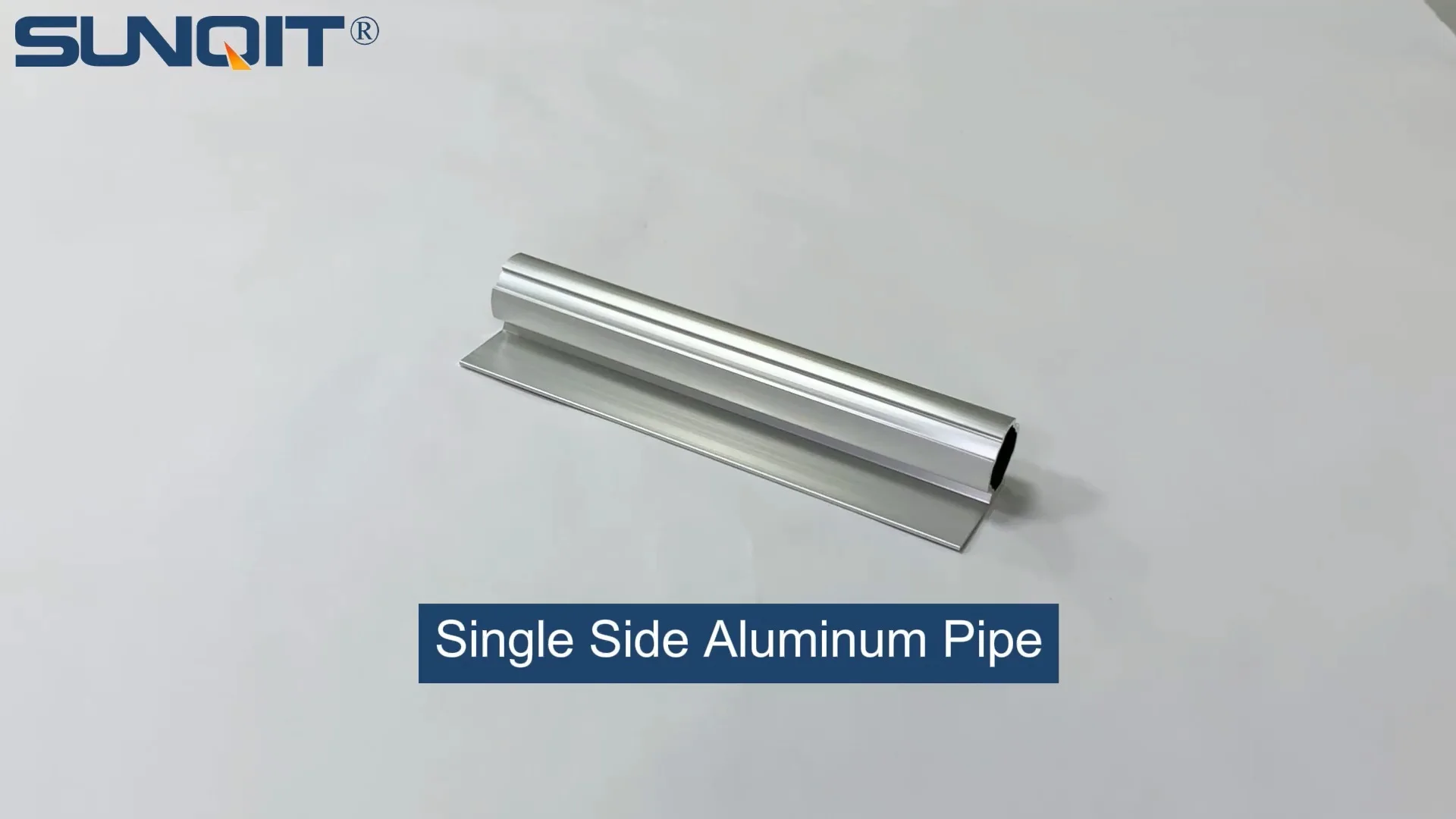
Single Side Aluminum Pipe
The single-sided plane can be installed with a back-mounted material box, and can also be used as a sidewall or partition.
In today's fast-paced manufacturing landscape, flexibility isn't just a buzzword—it's the backbone of staying competitive. Production lines that can adapt to shifting market demands, new product launches, and evolving operational needs are the ones that thrive. Enter the single side aluminum pipe: a humble yet transformative component that's quietly revolutionizing how factories, warehouses, and assembly plants design their workflows. Unlike rigid steel structures or one-size-fits-all wooden setups, single side aluminum pipe offers a unique blend of versatility, durability, and cost-effectiveness that aligns perfectly with the goals of modern lean manufacturing. Let's dive into the top seven reasons why more and more production managers are making the switch to this game-changing solution.
1. Unmatched Flexibility for Dynamic Production Needs
The most compelling advantage of single side aluminum pipe lies in its extraordinary flexibility. Traditional production lines often feel like fixed puzzles—once assembled, they're difficult to reconfigure without heavy tools, specialized labor, or even downtime. Single side aluminum pipe, however, is designed for change. Its modular nature, paired with a wide range of aluminum profile accessories like joints, connectors, and clamps, allows teams to disassemble, rearrange, and reassemble structures in hours, not days.
Consider a small electronics manufacturer gearing up for a seasonal product launch. Last quarter, they needed long workbenches for circuit board assembly; this quarter, they require compact material racks to store component kits. With single side aluminum pipe, their team can quickly adjust the layout: removing a section of the workbench, adding casters to create mobile carts, and reusing the same pipes to build the new racks. No need to invest in entirely new equipment or halt production for renovations—just a few tweaks, and the line is ready for the next challenge.
This flexibility extends beyond just physical rearrangements. Single side aluminum pipe works seamlessly with other modular components, such as roller tracks and adjustable shelves, making it easy to integrate new tools, conveyors, or even ESD (Electrostatic Discharge) features for sensitive electronics. For businesses that prioritize agility, this adaptability isn't just convenient—it's a strategic advantage.
2. Lightweight Design Without Sacrificing Strength
When it comes to industrial materials, there's often a trade-off between weight and durability. Steel is strong but heavy, making it hard to maneuver during reconfigurations. Plastic is light but lacks the sturdiness needed for heavy loads. Single side aluminum pipe strikes the perfect balance: it's significantly lighter than steel (about 30% the weight of an equivalent steel pipe) while maintaining impressive structural integrity.
This lightweight quality has tangible benefits for day-to-day operations. For starters, it reduces the physical strain on workers. Imagine a team of assemblers needing to shift a workbench to accommodate a new machine—with steel, this might require four people and a forklift; with single side aluminum pipe, two workers can lift and move it with ease, reducing the risk of injuries and fatigue. It also lowers installation costs: since the pipes are lighter, there's less need for specialized lifting equipment or extensive structural support, saving both time and money during setup.
Don't let the lightness fool you, though. Single side aluminum pipe is built to handle industrial-grade demands. Made from high-quality aluminum alloy, it can support heavy loads—think stacks of raw materials, bulky machinery parts, or even fully loaded turnover trolleys—without bending or warping. This combination of light weight and robust strength makes it ideal for everything from small assembly workstations to large-scale material handling systems.

3. Long-Term Cost Efficiency That Boosts Your Bottom Line
At first glance, the upfront cost of single side aluminum pipe might seem higher than traditional materials like steel or wood. But look closer, and you'll realize it's an investment that pays dividends over time. Let's break it down: steel rusts, wood warps, and both require frequent maintenance—repainting, replacing rotted boards, or repairing corroded joints. Single side aluminum pipe, on the other hand, is naturally resistant to corrosion and wear, meaning it lasts longer with minimal upkeep. No more annual repainting or unexpected replacements—just occasional cleaning to keep it looking and performing like new.
Then there's the cost of adaptability. When your production needs change, rigid systems force you to buy new equipment. With single side aluminum pipe, you reuse what you already have. A study by the Manufacturing Flexibility Institute found that companies using modular aluminum systems reduced their equipment replacement costs by up to 40% over five years compared to those using fixed steel structures. That's money that can be reinvested in training, technology, or product development.
To put this in perspective, let's consider a mid-sized automotive parts supplier. They initially invest $15,000 in a single side aluminum pipe setup for their assembly line. Over the next three years, they reconfigure the line twice (for new part designs) and expand it once (to meet increased demand)—all using the original pipes and only purchasing $2,000 in additional aluminum profile accessories. A comparable steel setup would have cost $12,000 upfront but required $8,000 in new materials for each reconfiguration, totaling $36,000 over the same period. The savings speak for themselves.

4. Seamless Integration with Lean System Principles
Lean manufacturing isn't just about cutting costs—it's about eliminating waste, optimizing workflows, and creating value for customers. Single side aluminum pipe was practically made for lean systems. Its modular design aligns with core lean principles like "just-in-time" production and "continuous improvement," making it easier to implement practices that streamline operations.
Take "5S" methodology, for example—a cornerstone of lean that focuses on sorting, setting in order, shining, standardizing, and sustaining workplace organization. Single side aluminum pipe helps teams "set in order" by allowing customized storage solutions: tool racks that keep equipment within arm's reach, flow racks that ensure materials move smoothly to the assembly line, and workbenches tailored to the exact height and layout of each task. No more wasted steps searching for tools or navigating cluttered workspaces—everything has a place, and every place is optimized for efficiency.
Another lean principle, "kaizen" (continuous improvement), thrives with single side aluminum pipe. Teams can experiment with small changes to the production line—adding a roller track here, adjusting a workbench height there—and measure the impact without disrupting the entire operation. If a new layout doesn't work, they simply revert to the previous setup. This culture of experimentation leads to incremental gains that add up to significant improvements in productivity over time. For companies committed to lean system excellence, single side aluminum pipe isn't just a tool—it's a partner in progress.

5. Versatile Compatibility with Aluminum Profile Accessories
A modular system is only as good as its accessories, and single side aluminum pipe shines here thanks to its compatibility with a vast ecosystem of aluminum profile accessories. From simple joints and clamps to specialized components like ESD-safe workbench tops and swivel roller balls, the range of add-ons means you can customize your setup to fit nearly any production need—no custom fabrication required.
Let's say you're running an ESD-sensitive operation, like assembling medical devices or semiconductors. With single side aluminum pipe, you can easily integrate ESD workbench components: conductive mats, grounding clips, and static-dissipative joints that protect sensitive electronics from electrostatic damage. Or, if your line relies on material flow, you can add roller tracks with plastic guide rails (yellow or grey, depending on your color-coding system) to create gravity-fed conveyors that move parts from one station to the next with minimal effort.
Even specialized needs are covered. Need a mobile workstation for off-the-line repairs? Attach casters to a single side aluminum pipe frame, add a fold-down shelf, and you've got a portable solution. Want to organize small parts? Use aluminum guide rails and placon mounts to build a custom pick-and-place rack. The beauty is that these accessories are designed to work together seamlessly—no guesswork, no mismatched parts, just a plug-and-play system that grows with your needs.
6. Clean, Professional Aesthetic That Enhances Workplace Morale
It's easy to overlook the impact of workplace aesthetics on productivity, but studies consistently show that clean, organized environments boost employee morale and focus. Single side aluminum pipe brings a sleek, modern look to production lines that traditional steel or wood setups simply can't match. Its smooth, corrosion-resistant surface is easy to wipe down, resisting stains and grime that can make workspaces feel unkempt. The bright, neutral finish also reflects light, making areas feel more open and less cramped—an especially welcome change in busy factories where lighting can sometimes be dim.
Beyond just looks, this clean aesthetic has practical benefits. Unlike steel pipes, which can rust and leave marks on products or floors, single side aluminum pipe maintains its appearance over time, reducing the need for frequent repainting or touch-ups. Its modular design also minimizes clutter: since components are neatly connected with precision joints, there are no loose bolts, protruding nails, or jagged edges to catch on clothing or equipment. This not only makes the space safer but also gives visitors and clients a positive impression of your operation—important for building trust in quality-focused industries.
Perhaps most importantly, a well-organized, visually appealing workspace sends a message to your team: "We care about your environment." When employees see that their workplace is designed with thought and attention to detail, they're more likely to take pride in their work, follow organizational protocols, and stay engaged throughout the day. It's a small change that can have a big impact on company culture.
7. Sustainable and Eco-Friendly for Greener Manufacturing
Sustainability is no longer optional for modern businesses. Customers, regulators, and even employees are demanding more environmentally responsible practices, and manufacturing is under increasing pressure to reduce its carbon footprint. Single side aluminum pipe aligns with these goals by offering a sustainable alternative to traditional materials.
Aluminum is one of the most recyclable materials on the planet—nearly 75% of all aluminum ever produced is still in use today. When a single side aluminum pipe setup reaches the end of its lifespan (which, with proper care, can be decades), the pipes and accessories can be recycled with minimal energy input, reducing waste and conserving natural resources. Compare that to steel, which requires significant energy to recycle, or wood, which often ends up in landfills when structures are discarded.
Additionally, the longevity and reusability of single side aluminum pipe directly reduce the need for new raw materials. Instead of buying new steel beams every time you reconfigure your line, you can reuse the same aluminum pipes, cutting down on the environmental impact of manufacturing and transportation. For companies aiming to achieve green certifications or meet corporate sustainability targets, this is a tangible way to make a difference—one pipe at a time.
7. Cost-Effective Durability That Stands the Test of Time
We touched on long-term cost efficiency earlier, but it's worth emphasizing just how durable single side aluminum pipe is. Unlike wood, which can rot or warp in humid environments, or steel, which rusts when exposed to moisture or chemicals, aluminum is naturally resistant to corrosion. This makes it ideal for use in diverse settings—from food processing plants with strict sanitation requirements to outdoor warehouses where exposure to rain and humidity is unavoidable.
The secret lies in aluminum's protective oxide layer: when exposed to air, the metal forms a thin, invisible film that prevents further oxidation. This layer self-heals if scratched, ensuring the pipe remains strong and intact even with regular use. In fact, many single side aluminum pipe systems come with warranties of 5–10 years, a testament to their longevity. For businesses in harsh environments, this durability translates to fewer replacements, lower maintenance costs, and peace of mind knowing their infrastructure can handle whatever the job throws at it.
Why Single Side Aluminum Pipe Beats Traditional Materials: A Quick Comparison
| Feature | Single Side Aluminum Pipe | Steel Pipe | Wooden Structures |
|---|---|---|---|
| Flexibility | High (modular, easy to reconfigure) | Low (rigid, requires welding to modify) | Very Low (permanent, prone to damage when moved) |
| Weight | Light (30% of steel weight) | Heavy (requires tools/machinery to move) | Medium (varies by wood type, can be bulky) |
| Durability | High (corrosion-resistant, long lifespan) | Medium (prone to rust without coating) | Low (warps, rots, or splinters over time) |
| Maintenance | Low (easy to clean, no repainting needed) | High (requires painting/coating to prevent rust) | High (needs sealing, sanding, or replacement) |
| Sustainability | High (100% recyclable, low energy to produce) | Medium (recyclable but energy-intensive) | Medium (renewable but requires deforestation) |
In a manufacturing world that demands more with less—more flexibility, more efficiency, more sustainability—single side aluminum pipe emerges as a clear solution. Its ability to adapt to change, integrate with lean systems, and stand up to the rigors of daily use makes it more than just a material choice; it's a strategic investment in your operation's future. Whether you're a small workshop looking to optimize your first assembly line or a large plant aiming to scale production, single side aluminum pipe offers the kind of versatility that turns challenges into opportunities. It's time to stop building production lines for today—and start building them for whatever tomorrow brings.