- Company Articles
- Products and Technology
- Procurement Guidelines
- Top Aluminum Workbench C Suppliers: What to Look for in a Manufacturer

Top Aluminum Workbench C Suppliers: What to Look for in a Manufacturer
Related Product
Aluminum Workbench C
aluminum-tube-workbench-is-more-flexible-and-durable,-compared-with-traditional-pe/abs-coated-steel-tube.-it-is-easy-to-assemble,-anti-corrosion,-rust-protection,-and-recycle-use-after-disassemble.
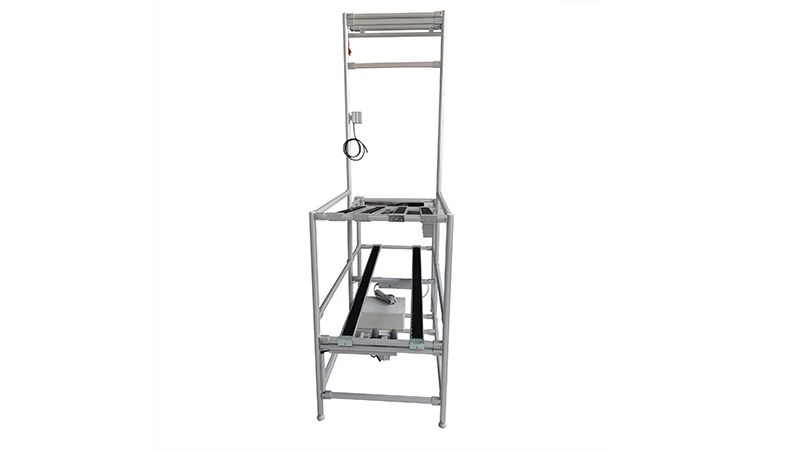
In the fast-paced world of manufacturing, assembly lines, and workshops, the tools and equipment we rely on can make or break daily operations. Among these, the workbench stands as a silent workhorse—supporting everything from intricate component assembly to heavy-duty material handling. But not all workbenches are created equal. For businesses prioritizing durability, flexibility, and long-term value, aluminum workbenches have emerged as a top choice, and Aluminum Workbench C, in particular, has gained a reputation for balancing functionality with adaptability. However, the quality of your workbench is only as good as the supplier behind it. Choosing the right manufacturer isn't just about buying a product; it's about investing in a partner who understands your needs, prioritizes quality, and delivers solutions that grow with your business. Let's dive into what makes Aluminum Workbench C a standout option and how to identify the suppliers who can truly deliver on its promise.
Why Aluminum Workbench C Stands Out in Modern Workspaces
Before we jump into evaluating suppliers, let's first unpack why Aluminum Workbench C has become a go-to for so many industries. At its core, this workbench leverages aluminum's unique properties to address common pain points in traditional workbench materials like wood or steel. Aluminum is inherently lightweight yet surprisingly strong—making it easy to reposition (even with heavy loads) without sacrificing stability. Unlike steel, it resists corrosion, a critical advantage in environments with moisture, chemicals, or frequent cleaning, such as labs, food processing facilities, or automotive workshops. And when paired with precision-engineered aluminum extrusion profiles, Aluminum Workbench C gains a modularity that's hard to match. These profiles, with their T-slot designs, allow for easy attachment of accessories, from tool hooks to shelving, making it simple to customize the workbench to specific tasks.
But what truly sets Aluminum Workbench C apart is its focus on practicality. Many models, like the "Workbench E (single deck-without caster)" variant, are designed to integrate seamlessly into existing workflows. Whether you need a fixed station for assembly or a mobile unit (with optional casters), the design prioritizes ergonomics—adjustable heights, smooth surfaces, and cable management options—to reduce worker fatigue and boost productivity. For businesses already using lean manufacturing principles, this adaptability is key: Aluminum Workbench C can evolve with changing production needs, avoiding the cost of frequent replacements. It's not just a workbench; it's a flexible foundation for efficiency.
Key Factors to Evaluate When Choosing an Aluminum Workbench C Supplier
Now that we understand why Aluminum Workbench C matters, let's turn to the critical question: How do you choose a supplier who can deliver a workbench that lives up to its potential? Not all manufacturers have the same standards, capabilities, or commitment to quality. Below are the non-negotiable factors to consider during your search.
1. Material Quality: The Foundation of Durability
At the heart of any aluminum workbench is the aluminum itself, and not all aluminum extrusion profiles are created equal. A reputable supplier will use high-grade aluminum alloys (typically 6061 or 6063) known for their strength-to-weight ratio and resistance to warping. Ask about the extrusion process: precision extruding ensures consistent wall thickness and dimensional accuracy, which is crucial for stability and compatibility with accessories. Avoid suppliers who cut corners with low-grade aluminum or inconsistent extrusion—these workbenches may look sturdy initially but will sag under heavy loads or degrade quickly in harsh environments.
Don't forget to inquire about the quality of secondary components, too. Aluminum pipe accessories like joints, brackets, and fasteners should be made from materials that match the workbench's durability. For example, if the supplier uses cheap plastic brackets instead of aluminum or steel, they could become the weak link, leading to wobbling shelves or loose attachments over time. A trustworthy supplier will be transparent about material sources and happy to share specifications, such as alloy composition and profile thickness.
2. Customization Capabilities: Tailoring to Your Unique Needs
No two workspaces are identical. Maybe your team needs a workbench with a built-in drawer system for tool storage, or perhaps you require a specific height to align with conveyor systems. A top-tier Aluminum Workbench C supplier won't force you into a one-size-fits-all model. Instead, they'll offer customization options that let you adjust dimensions (length, width, height), add features (like ESD protection for electronics assembly), or integrate accessories (such as roller tracks for material flow). For example, can they modify the "Workbench E" model to include casters for mobility? Can they add a second deck for additional storage? The ability to tweak these details ensures the workbench fits your space and workflow, rather than the other way around.
Customization also extends to compatibility with existing systems. If your facility uses a lean system—with flow racks, conveyors, or turnover trolleys—a good supplier will ensure the Aluminum Workbench C integrates smoothly. This might mean matching hole patterns for easy attachment to lean pipe structures or designing the workbench to align with roller track heights. For lean system suppliers, this cross-compatibility is often a selling point, as it reduces the need for custom adapters and streamlines operations.
3. Production Capacity and Lead Times: Reliability When You Need It
Even the highest-quality workbench won't help if it arrives months after your project starts. When evaluating suppliers, ask about their production capacity: Do they have the machinery, workforce, and raw material stock to handle your order size—whether it's 10 workbenches or 100? A supplier with limited capacity may struggle to meet tight deadlines, causing delays in your operations. Equally important is transparency around lead times. A reliable manufacturer will provide a clear timeline, including design approval, production, and shipping, and communicate proactively if delays arise (e.g., due to material shortages).
Don't hesitate to ask for references or case studies from clients with similar order sizes. If a supplier has a history of delivering large orders on time, that's a good sign they can scale to meet your needs. On the flip side, be wary of suppliers who promise unrealistically short lead times—this may indicate rushed production or cutting corners in quality control.
4. Quality Control and Certifications: Ensuring Consistency
A workbench is only as reliable as the processes used to make it. Reputable suppliers implement rigorous quality control (QC) measures at every stage, from raw material inspection to final assembly. Ask about their QC protocols: Do they test for load capacity? Check for burrs or sharp edges that could pose safety risks? Verify that aluminum extrusion profiles meet industry standards (e.g., ISO 6060 for extruded aluminum structures)? Certifications like ISO 9001 (for quality management systems) are also a strong indicator that the supplier follows documented processes and is committed to continuous improvement.
It's also worth asking about third-party testing. Some suppliers partner with independent labs to verify claims like weight capacity, corrosion resistance, or structural integrity. For example, a workbench rated to hold 500kg should have test reports to back that up. Without this evidence, you're essentially taking the supplier's word for it—and that's a risk no business should take.
5. After-Sales Support: Beyond the Purchase
The relationship with your supplier shouldn't end when the workbench is delivered. What happens if a component breaks, or you need help reconfiguring the workbench a year later? A supplier who stands behind their product will offer robust after-sales support, including warranties (look for at least 1-3 years), access to replacement parts (like aluminum pipe accessories or casters), and technical assistance. For example, if a caster wheel wears out, can they ship a replacement quickly? If you want to add a shelf later, do they provide guidance on compatible brackets?
Poor after-sales support can turn a great workbench into a frustration. Imagine needing a critical replacement part and being met with unresponsive customer service or long wait times—that's downtime your business can't afford. Prioritize suppliers who have a dedicated support team and a clear process for handling issues. Reading customer reviews or asking for references can reveal a lot about a supplier's responsiveness here.
6. Pricing and Value: Balancing Cost and Longevity
Let's be honest: cost matters. But when it comes to Aluminum Workbench C, the cheapest option is rarely the best value. A low-priced workbench might save you money upfront, but if it sags after six months, requires frequent repairs, or can't be customized as your needs change, you'll end up spending more in the long run. Instead of focusing solely on the sticker price, evaluate the total cost of ownership: How long will the workbench last? What's the cost of maintenance or replacement parts? Does its durability reduce the need for future upgrades?
A quality supplier will be transparent about pricing and help you understand where your money is going—whether it's premium aluminum extrusion profiles, precision machining, or rigorous testing. They may even offer tiered pricing for bulk orders, making it easier to scale without sacrificing quality. Remember: A workbench is an investment, not an expense. The right supplier will help you see it that way, too.

Common Mistakes to Avoid When Choosing a Supplier
Even with the best intentions, it's easy to fall into traps when selecting an Aluminum Workbench C supplier. Here are a few pitfalls to steer clear of:
Mistake #1: Prioritizing price over quality. It's tempting to go with the lowest bid, but cheap aluminum extrusion profiles or shoddy welding can lead to unstable workbenches that pose safety risks. Ask for samples or visit the supplier's facility if possible to inspect craftsmanship firsthand.
Mistake #2: Assuming "customizable" means "unlimited options." Some suppliers advertise customization but have strict limits on what they can modify. Always get details in writing: What dimensions can be adjusted? What accessories are available? Are there extra costs for changes?
Mistake #3: Overlooking supplier reputation. A quick Google search or a call to past clients can reveal red flags, like frequent delays or poor quality. Don't hesitate to ask for references—reputable suppliers will be happy to share them.
Mistake #4: Ignoring compatibility with existing systems. If your facility uses lean pipe structures or aluminum profile accessories, ensure the workbench can integrate without costly adapters. A lean system supplier, for example, might have pre-tested compatibility with their own products.

Comparing Top Aluminum Workbench C Suppliers: A Quick Reference
To put these factors into context, let's compare a few hypothetical suppliers (based on common industry standards) to see how they stack up. Note: Names are fictional, but the criteria reflect real-world considerations.
| Supplier | Aluminum Extrusion Profile Quality | Customization Options | Lead Time | Warranty | Key Strengths |
|---|---|---|---|---|---|
| PrecisionAlu Solutions | 6061-T6 alloy, 2.5mm wall thickness, ISO 6060 certified | Adjustable height, add-on shelves, ESD coating, caster options | 2-3 weeks (standard); 4-5 weeks (custom) | 3 years (parts + labor) | Strong focus on lean system integration; offers free design consultations |
| ModularWorkbench Co. | 6063-T5 alloy, 2.0mm wall thickness, ASTM B221 compliant | Custom lengths/widths, roller track attachments, tool drawer systems | 1-2 weeks (standard); 3-4 weeks (custom) | 2 years (parts only) | Fastest lead times; large inventory of aluminum pipe accessories |
| AluPro Manufacturing | 6061-T6 alloy, 3.0mm wall thickness, ISO 9001 certified | Heavy-duty options (up to 1000kg load), custom color powder coating | 3-4 weeks (standard); 5-6 weeks (custom) | 5 years (structural warranty) | Industrial-grade durability; specializes in high-load applications |
| LeanFlow Supplies | 6063-T5 alloy, 2.0mm wall thickness, compatible with lean pipe systems | Lean system integration kits, flow rack attachments, mobile configurations | 2-3 weeks (all orders) | 2 years (parts + labor) | Best for lean manufacturing setups; offers training on workbench optimization |

Final Thoughts: Your Supplier, Your Partner
Choosing an Aluminum Workbench C supplier is about more than checking boxes on a list. It's about finding a partner who understands that your workbench is integral to your success—whether you're assembling electronics, packaging products, or conducting research. By prioritizing material quality (look for high-grade aluminum extrusion profiles), customization flexibility (don't settle for "close enough"), and reliable support (after-sales matters), you'll ensure that your workbench not only meets today's needs but adapts to tomorrow's challenges.
Remember, the right supplier won't just sell you a workbench—they'll collaborate with you to design a solution that fits your space, workflow, and budget. So take the time to ask questions, verify claims, and compare options. Your team, your productivity, and your bottom line will thank you.