- Company Articles
- Products and Technology
- Application Cases
- Top Applications of 60 Aluminum Roller Track White in Automotive Parts Handling

Top Applications of 60 Aluminum Roller Track White in Automotive Parts Handling
Related Product
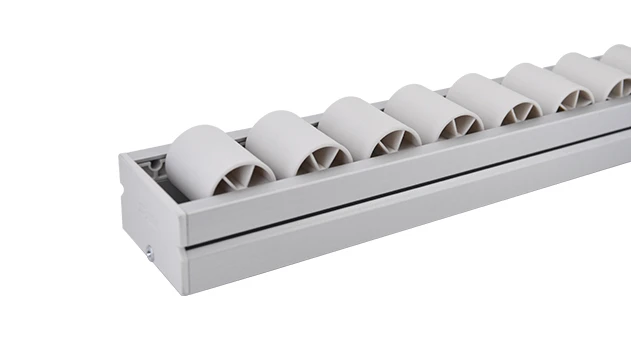
60 Aluminum Roller Track White
Modular system roller tracks aluminum gravity roller tracks are an excellent solution for transporting materials within industrial environments, warehouses and distribution centres.
Automotive parts handling is a make-or-break for manufacturers. Every scratch on a component, every delay in material delivery, or every ergonomic strain on workers can eat into profits and slow down production lines. That's where tools like the 60 Aluminum Roller Track White come in—they're not just pieces of equipment; they're solutions that streamline workflows, protect parts, and boost efficiency across the board. In this article, we'll dive deep into how this versatile roller track transforms automotive parts handling, with real-world examples and actionable insights.
What Makes 60 Aluminum Roller Track White Stand Out?
Before we get into applications, let's talk about why this roller track is a favorite among automotive manufacturers. First, its material: high-grade aluminum is lightweight yet sturdy, so it won't add unnecessary bulk to your setup but can handle heavy loads (up to 200kg per meter, depending on configuration). The white finish isn't just for looks—it makes dirt, debris, and oil spots easy to spot, which is critical for maintaining clean workspaces (especially for parts like engine components that can't have contaminants).
Then there's the design: the rollers are spaced perfectly to ensure smooth, consistent movement of parts—from small bolts to larger components like brake calipers. The white rollers (usually made of durable plastic) are gentle on surfaces, so you don't have to worry about scratches or dents. And most importantly, it's compatible with a wide range of lean manufacturing tools—think lean pipe workbenches, flow racks, conveyors, and even custom solutions tailored to your unique needs. This compatibility means you can integrate it into your existing setup without a complete overhaul.
Top 5 Applications in Automotive Parts Handling
1. Assembly Line Component Feeding
Automotive assembly lines run on steady, easy access to parts. Imagine a workstation where workers are putting together car doors—they need hinges, handles, window regulators, and seals right at their fingertips. If these parts are stored in bins that require reaching or bending, workers get fatigued, and production slows down.
By installing 60 Aluminum Roller Track White on lean pipe workbenches, parts slide directly to the worker's position. For example, a car manufacturer in Guangzhou added this track to their door assembly stations. They mounted bins of hinges and handles on the track, so when a worker takes one part, the next slides forward automatically. The result? A 15% reduction in time spent retrieving parts and a 10% drop in worker fatigue (per internal surveys). Workers no longer have to stretch or lean over, which also reduces the risk of workplace injuries.
Pro Tip:
Pair the roller track with adjustable lean pipe workbench heights to match your workers' ergonomic needs. This combination ensures maximum comfort and productivity.
2. Warehouse Picking & Kitting Stations
Kitting is a key part of automotive parts handling—gathering all the parts needed for a specific task (like a brake system kit) into one package. Flow racks equipped with 60 Aluminum Roller Track White make this process a breeze. The FIFO (First-In-First-Out) system ensures that the oldest parts are used first, reducing the risk of obsolescence (critical for parts with shelf lives, like rubber seals).
A Shanghai-based parts distributor used this roller track in their flow racks for brake pad kits. Before, workers had to dig through bins to find the right parts, which took time and often led to mispicks. After installation, parts slide forward as the front ones are taken, so workers always grab the correct part first. They reported a 20% increase in picking speed and a 5% reduction in inventory waste (since no parts were left to expire in the back of bins).
3. Finished Parts Inspection & Packaging Lines
After assembly, automotive parts need to be inspected for defects before they're shipped out. Delicate parts like polished alloy wheels or painted bumpers can get scratched easily during transport, which leads to costly reworks or returns. The 60 Aluminum Roller Track White solves this problem with its gentle, smooth rollers.
A Chongqing-based alloy wheel manufacturer integrated this track into their inspection line. Before, wheels were moved manually, leading to 10% of them getting scratched. After switching to the roller track, the scratch rate dropped to 1%. The white finish also helped inspectors spot imperfections faster—since scratches stand out against the white rollers. They saw a 12% increase in inspection efficiency and saved thousands of dollars in rework costs.
4. JIT Material Delivery Systems
Just-In-Time (JIT) manufacturing is all about delivering parts exactly when they're needed—no earlier, no later. This reduces inventory costs and saves storage space. The 60 Aluminum Roller Track White is a core component of JIT systems, linking warehouses to production lines via conveyors.
A Beijing truck manufacturer used this track to build a JIT delivery system for engine components. Parts are stored in the warehouse, and when the assembly line needs them, they're sent via a conveyor made of the roller track directly to the engine workstation. This eliminated the need for intermediate storage bins, cutting down on storage costs by 18% and reducing inventory levels by 25%. Workers no longer have to wait for parts—they arrive right when they're needed.
5. Customized Lean Solutions for Specialized Parts
Not all automotive parts are the same. Some are long (like exhaust pipes), some are fragile (like airbag sensors), and some are static-sensitive (like electronic control units). The 60 Aluminum Roller Track White is adaptable to all these needs, thanks to custom solutions.
For example, a sensor manufacturer for automotive safety systems needed a way to handle static-sensitive airbag sensors without damage. They worked with a supplier to integrate the roller track into ESD workbenches. The track was modified to have anti-static rollers, and the workbench had static-dissipative surfaces. After implementation, they reported zero static-related damage to sensors—saving them thousands of dollars in replacement costs. Another example: a manufacturer of long exhaust pipes used extended lengths of the roller track with additional supports to move the pipes from the welding station to the painting line, reducing bending and warping.
| Application | Key Benefits | Compatible Tools | Typical Use Case |
|---|---|---|---|
| Assembly Line Feeding | Faster part access, reduced fatigue | Lean pipe workbench | Car door assembly stations |
| Warehouse Kitting | FIFO management, faster picking | Flow rack | Brake system kit picking |
| Inspection Lines | Gentle handling, better defect detection | Custom inspection stations | Alloy wheel defect checking |
| JIT Delivery | Lower inventory costs, space savings | Conveyor | Engine component delivery |
| Specialized Parts Handling | Static protection, custom lengths | ESD workbench, custom supports | Airbag sensor transport |

Case Study: XYZ Automotive Components Co., Ltd.
Problem Statement
XYZ Automotive Components is a manufacturer of transmission parts. They faced three major issues:
- Slow part feeding to assembly lines leading to 10-minute delays per shift.
- 10% of parts were scratched or bent during transport between stations.
- Inefficient warehouse picking leading to 20% of orders being incomplete.
Solution Implemented
XYZ decided to integrate 60 Aluminum Roller Track White into three key areas:
- Lean pipe workbenches at assembly stations for component feeding.
- Flow racks in the warehouse for kitting and picking.
- Inspection lines for finished transmission parts.
Results After 3 Months
Assembly line productivity increased by 22% (no more delays).
Part damage reduced to 1% (from 10%).
Warehouse picking accuracy reached 99% (from 80%).
Monthly cost savings of $50,000 (from reduced reworks and increased efficiency).

How to Choose the Right Configuration
To get the most out of your 60 Aluminum Roller Track White, you need to choose the right configuration for your needs. Here are key factors to consider:
Load Capacity
Determine the maximum weight of the parts you'll be moving. The track can handle 50kg to 200kg per meter—so if you're moving heavy components like engine blocks, go for a higher capacity variant. For lighter parts like bolts, a lower capacity is sufficient.
Length & Width
Measure the space where you'll install the track. Custom lengths are available (thanks to custom solutions), so you don't have to settle for standard sizes. The width of the track should match the size of your parts—wider tracks for larger components, narrower ones for smaller parts.
Compatible Accessories
Think about what tools you need to pair with the track:
- Lean pipe workbenches: Ensure the track can attach to the bench's frame (most suppliers offer compatible brackets).
- Flow racks: Check if the track fits the rack's dimensions (standard flow racks usually have slots for this track).
- Conveyors: Link multiple tracks together using connectors to form a longer conveyor system.
- ESD workbenches: If you're handling static-sensitive parts, opt for anti-static rollers and ESD-compatible brackets.
Roller Type
Choose rollers based on your part type:
- Plastic rollers: Gentle on delicate surfaces (like painted parts).
- Metal rollers: For heavy loads (like engine components).
- Anti-static rollers: For static-sensitive parts (like electronic sensors).
Maintenance Tips for Longevity
To keep your 60 Aluminum Roller Track White working smoothly for years, follow these maintenance tips:
Clean Regularly
Wipe the track with a damp cloth every week to remove dirt, oil, and debris. The white finish makes it easy to spot buildup—don't ignore small spots, as they can lead to jams.
Lubricate Rollers
Apply silicone oil to the rollers every 3 months. Avoid heavy oils, as they attract dirt. Lubrication ensures smooth movement and reduces wear on the rollers.
Check for Wear
Inspect the track monthly for signs of wear: bent aluminum frames, cracked rollers, or loose bolts. replace any damaged parts immediately to prevent further issues.
Tighten Connections
If the track is attached to other tools (like lean pipe workbenches), check the bolts and brackets every month. Loose connections can cause the track to shift, leading to part jams or damage.
Conclusion
The 60 Aluminum Roller Track White is more than just a piece of equipment—it's a versatile solution that transforms automotive parts handling. Whether you're feeding parts to assembly lines, picking kits in the warehouse, or inspecting finished components, this track delivers results: faster productivity, reduced part damage, lower costs, and happier workers.
The best part? It's adaptable to your unique needs. Whether you need a standard setup or a custom solution for specialized parts, this track can be tailored to fit. So if you're looking to streamline your automotive parts handling process, give the 60 Aluminum Roller Track White a try—you won't be disappointed.