- Company Articles
- Products and Technology
- Application Cases
- Top Applications of Aluminum Side Guards in 3C Assembly Workstations

Top Applications of Aluminum Side Guards in 3C Assembly Workstations
Related Product
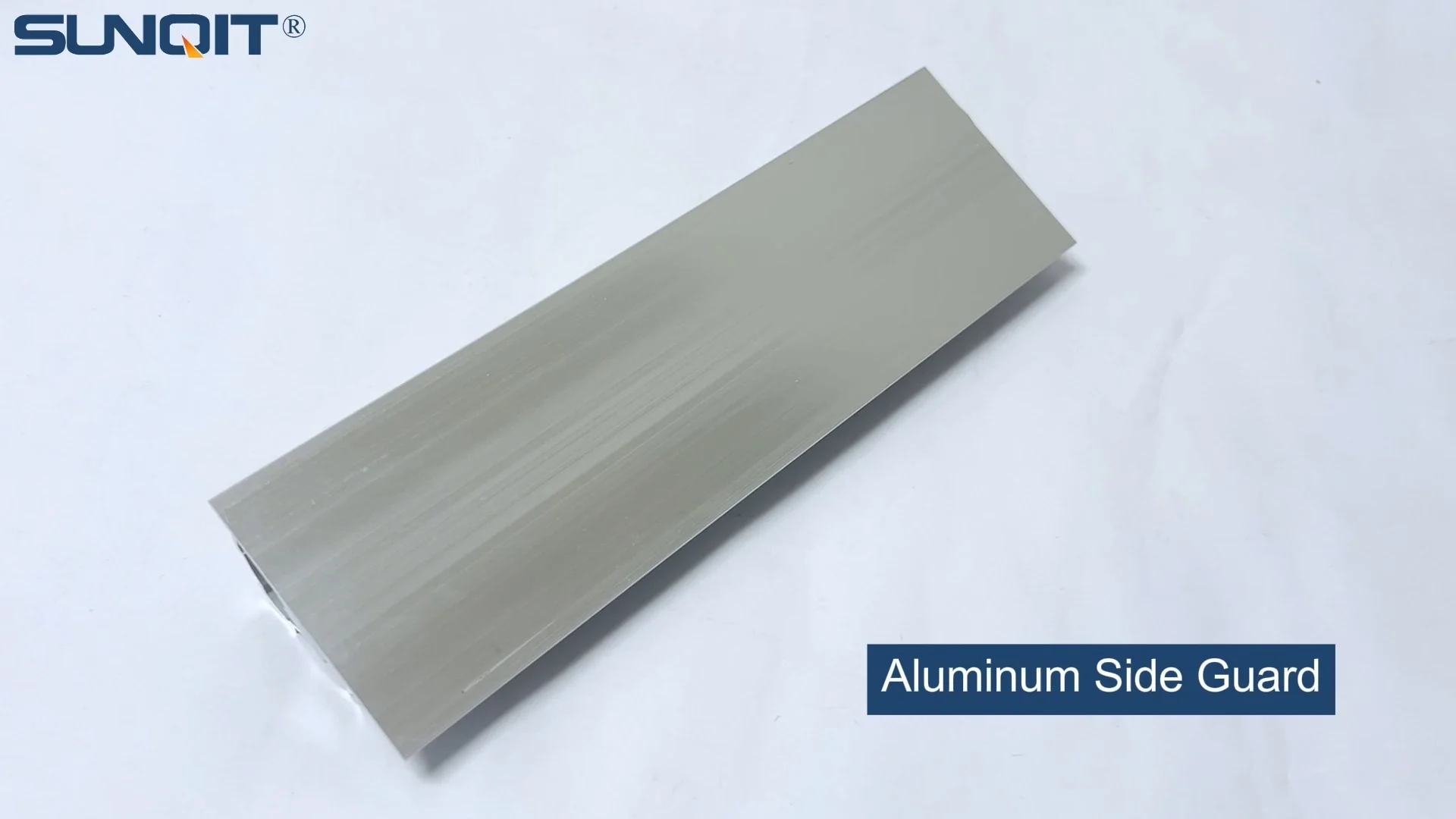
Aluminum Side Guard
Aluminum side guard, it works with a aluminum pipe or a roller track as side guard to prevent material drop,or move to wrong direction.
In the fast-paced world of 3C (Computers, Communications, and Consumer Electronics) manufacturing, every detail counts. From the tiniest microchip to the largest assembly line, precision, efficiency, and safety are the cornerstones of success. While high-tech machinery and automated systems often steal the spotlight, there's a humble yet critical component working behind the scenes: aluminum side guards. These unassuming structures, typically crafted from durable aluminum profile , play a pivotal role in streamlining workflows, protecting sensitive components, and ensuring seamless operations. In this article, we'll dive into the top applications of aluminum side guards in 3C assembly workstations, exploring how they integrate with tools like roller tracks and workbenches to elevate productivity and reliability—especially in esd workstations where electrostatic discharge (ESD) protection is non-negotiable.
Understanding Aluminum Side Guards: More Than Just "Guards"
Before we jump into their applications, let's clarify what aluminum side guards are and why they're indispensable in 3C assembly. At their core, these are lightweight yet robust structures made from extruded aluminum profile —a material prized for its strength-to-weight ratio, corrosion resistance, and flexibility. Unlike rigid metal guards, aluminum side guards are designed to be modular: they can be cut to custom lengths, fitted with accessories like hinges or brackets, and easily integrated with other workstation components such as roller tracks , shelves, and tool holders. This modularity makes them a favorite in 3C manufacturing, where production lines often need to adapt to new product models or process changes.
What truly sets aluminum side guards apart, though, is their dual role as both protectors and enablers. They shield delicate electronics from accidental knocks, contain small parts to prevent loss, and guide materials along roller tracks with pinpoint accuracy. In esd workstations , they can even be treated with anti-static coatings or paired with grounding strips to dissipate static electricity—critical for safeguarding microchips, PCBs, and other ESD-sensitive components from damage.
Key Benefits of Aluminum Side Guards in 3C Assembly
To appreciate their applications, it's first helpful to outline why aluminum side guards have become a staple in 3C facilities. Here are the top advantages that make them irreplaceable:
- Lightweight Durability: Aluminum's low density means guards are easy to install and reconfigure, while its inherent strength withstands daily wear from moving parts and frequent adjustments.
- ESD Compatibility: When paired with conductive coatings or integrated into esd workstations , they prevent static buildup—a silent killer of sensitive electronics like smartphone processors or camera modules.
- Customization: Extruded aluminum profile comes in various shapes (T-slots, square, round) and sizes, allowing guards to be tailored to specific tasks, from guiding tiny screws to supporting larger PCBs.
- Cost-Effective: Unlike stainless steel or plastic alternatives, aluminum offers a balance of longevity and affordability, reducing long-term replacement costs.
- Seamless Integration: Designed to work with standard workbench systems, roller tracks , and aluminum lean pipe accessories, they fit into existing setups without major overhauls.

Top Applications in 3C Assembly Workstations
Now, let's explore the specific ways aluminum side guards enhance 3C manufacturing. From material handling to quality control, these applications highlight their versatility and impact on daily operations.
1. Guiding Precision in Material Handling with Roller Tracks
One of the most common uses of aluminum side guards is to complement roller tracks —the conveyor-like systems that move components through assembly stages. In 3C manufacturing, even a millimeter of misalignment can cause jams, delays, or damaged parts (think: a misaligned PCB scratching against a track edge). Aluminum side guards act as "lane dividers," ensuring components stay centered on the roller track as they glide from one workstation to the next.
For example, in smartphone assembly, PCBs (printed circuit boards) are often transported on roller tracks between soldering, testing, and component-mounting stations. These PCBs are thin, fragile, and easily bent. Aluminum side guards with soft, rounded edges (often made from anodized aluminum profile ) create a secure channel, preventing the PCBs from slipping off the track or colliding with adjacent components. The guards can also be adjusted in height and width to accommodate different PCB sizes—critical in facilities that produce multiple phone models.
Another scenario is handling small parts like microchips or connectors. These tiny components are often placed in trays that ride on roller tracks . Without side guards, trays can tip, spilling parts and causing costly delays. Aluminum guards with a low-profile design (as little as 10mm tall) keep trays stable, even when the roller track is inclined or moving at high speeds. Their lightweight nature ensures they don't add unnecessary friction to the track, keeping the flow smooth and efficient.
2. Enhancing ESD Protection in Sensitive Work Zones
3C products rely on electronics that are highly susceptible to ESD—static electricity discharges as small as 250 volts can damage a microchip, and 10,000 volts can ruin a circuit board. That's why esd workstations are mandatory in areas where these components are handled. Aluminum side guards play a quiet but vital role in these zones by reinforcing ESD safety measures.
Many aluminum side guards used in esd workstations are treated with an anti-static coating or made from conductive aluminum profile . This coating ensures that any static buildup on the guard itself is dissipated to the workstation's grounding system, rather than transferring to nearby components. For added protection, guards can be paired with ESD-safe roller tracks (featuring conductive wheels) and grounded work surfaces, creating a fully integrated ESD-shielded environment.
Consider a workstation where technicians assemble smartwatch motherboards. These motherboards contain sensors and chips that are sensitive to even minor static charges. The esd workstation here would include an aluminum side guard along the edge of the workbench , running parallel to the roller track that feeds in component trays. The guard is grounded via a small wire connected to the workstation's ESD mat, ensuring any static from the technician's movements or the environment is safely redirected. This simple addition reduces the risk of ESD-related defects by up to 40%, according to industry studies—saving manufacturers thousands in rework and scrap costs.
3. Organizing Workbench Spaces for Maximum Efficiency
A cluttered workbench is the enemy of precision in 3C assembly. Technicians need quick access to tools, parts, and documentation, but too much chaos leads to errors and wasted time. Aluminum side guards solve this by acting as modular dividers, creating organized "zones" on the workbench surface.
For instance, a workbench used for camera module assembly might have three zones: one for tools (tweezers, screwdrivers), one for incoming components (lenses, sensors), and one for the assembly area. Aluminum side guards—mounted vertically or horizontally on the workbench —separate these zones, preventing tools from rolling into the component area and vice versa. The guards can also feature T-slots (a common design in aluminum profile ) that allow for attaching accessories like tool hooks, label holders, or small bins. This customization turns a generic workbench into a task-specific station tailored to the technician's needs.
Moreover, aluminum side guards can be used to create "vertical storage" on the workbench . By mounting guards vertically along the back edge of the bench, manufacturers can add shelves or pegboards above the workspace, keeping frequently used items within arm's reach without cluttering the surface. This is especially useful in tight assembly lines where floor space is limited—every inch of vertical space counts.
4. Safety and Ergonomics for Assembly Line Technicians
Beyond protecting components, aluminum side guards also protect the people who build them. Assembly line technicians spend hours standing at workbenches , repeating precise movements. Fatigue and strain are common issues, but well-designed side guards can mitigate these risks by improving ergonomics and safety.
For example, guards mounted along the front edge of a workbench can act as a wrist rest, reducing strain on the technician's arms during repetitive tasks like soldering or screwing. The guards' rounded edges (a standard feature in aluminum profile design) prevent sharp corners from digging into wrists or forearms, making long shifts more comfortable. Some guards even come with padded inserts (compatible with the T-slot design) for extra cushioning.
Safety is another key aspect. In areas where roller tracks move components at waist height, aluminum side guards act as a barrier, preventing fingers or clothing from getting caught in the rollers. Guards can also be fitted with sensors that stop the roller track if an obstruction is detected—an added layer of protection in high-speed lines. For example, in a laptop assembly line, a roller track moving laptop shells might have aluminum side guards with built-in light curtains; if a technician's hand crosses the guard, the track pauses automatically, preventing injuries.
5. Supporting Custom Fixturing for Unique Assembly Tasks
3C manufacturing often requires custom fixturing—specialized tools that hold components in place during assembly. Aluminum side guards excel here, as their modular design makes them ideal for building temporary or permanent fixtures that support unique tasks.
Take, for example, the assembly of a VR headset's lens array. The lenses must be aligned with micrometer precision to ensure clear imaging. A custom fixture might involve a base plate mounted on a workbench , with aluminum side guards acting as guides for the lens holders. The guards can be adjusted using aluminum profile accessories like angle brackets or sliding T-slot nuts, allowing technicians to tweak the alignment until it's perfect. Once set, the guards lock into place, ensuring consistency across every unit produced.
Another example is testing stations, where finished components are checked for functionality. Aluminum side guards can form a "test enclosure," creating a controlled environment (free from dust or interference) around the testing equipment. Guards with clear acrylic panels (attached via T-slot brackets) allow technicians to monitor the test without exposing the component to external contaminants. This is particularly useful for testing sensitive radio-frequency (RF) components, where even small disruptions can affect results.

Integration with Other Workstation Components: A Harmonious System
Aluminum side guards rarely work alone—their true power lies in how well they integrate with other workstation tools. Let's take a closer look at how they pair with common 3C assembly components:
| Component | How Aluminum Side Guards Enhance It | Real-World Example |
|---|---|---|
| Roller Tracks | Guides components, prevents jams, and maintains alignment; compatible with track connectors for seamless joins. | Smartphone PCB trays gliding along a roller track, kept centered by side guards to avoid collisions. |
| ESD Workstations | Reinforces ESD protection via conductive coatings; grounds static to prevent component damage. | Microchip handling station with grounded aluminum guards, reducing ESD-related defects by 35%. |
| Workbenches | Organizes workspace into zones; supports vertical storage and tool mounting via T-slots. | Camera module workbench with guarded zones for tools, components, and assembly. |
| Aluminum Lean Pipe | Forms modular frames with lean pipe for custom structures like material racks or mobile trolleys. | Mobile parts cart built with aluminum lean pipe and side guards, used to transport components between lines. |
This integration turns individual tools into a cohesive system, where each part supports the others to boost overall efficiency. For example, a roller track without side guards might work, but adding guards reduces errors and speeds up material flow. Similarly, an esd workstation with aluminum guards becomes more than just a static-safe zone—it becomes a controlled, organized space where technicians can focus on precision rather than cleanup or safety concerns.
Case Study: How Aluminum Side Guards Transformed a Tablet Assembly Line
To put these applications into context, let's look at a real-world example (anonymized for privacy) of a major 3C manufacturer that upgraded its tablet assembly line with aluminum side guards. Prior to the upgrade, the line faced two key issues: frequent ESD-related defects (15% of PCBs were damaged) and slow material flow due to misaligned components on roller tracks .
The manufacturer's solution was to install aluminum side guards (made from conductive aluminum profile ) along all roller tracks and esd workstations . The guards were grounded to the facility's ESD system and paired with anti-static roller track wheels. Additionally, guards were added to workbenches to organize tools and components, reducing clutter and distractions.
Within three months, the results were clear: ESD defects dropped to 3%, a reduction of 80%. Material flow speed increased by 20% as components stayed centered on the roller tracks , eliminating jams. Technicians reported less fatigue, citing the ergonomic wrist rests on the workbench guards. The manufacturer estimated annual savings of over $200,000 from reduced scrap, faster production, and fewer worker absences—all from an investment in aluminum side guards.
Choosing the Right Aluminum Side Guards for Your Workstation
With so many options available, selecting the right aluminum side guards can seem overwhelming. Here are key factors to consider:
- Material and Coating: For ESD-sensitive areas, choose conductive aluminum profile or guards with anti-static coatings. For general use, standard anodized aluminum works well.
- Size and Shape: Match the guard's height and width to the components being handled. For small parts, low-profile guards (10-20mm tall) suffice; for larger items like PCBs, taller guards (50-100mm) may be needed.
- Compatibility: Ensure the guards fit your existing workbench , roller track , and aluminum lean pipe systems. Look for T-slot designs for maximum accessory compatibility.
- Customization Needs: If you require unique angles or features (like integrated sensors), opt for manufacturers that offer custom extrusion or cutting services.
- Safety Standards: For high-speed lines, choose guards with rounded edges and compatibility with safety sensors (like light curtains).
Conclusion: The Unsung Hero of 3C Assembly
Aluminum side guards may not grab headlines like the latest automated robots or AI-powered quality control systems, but they are the backbone of efficient, safe, and reliable 3C assembly lines. From guiding components along roller tracks to protecting sensitive electronics in esd workstations , from organizing workbenches to supporting custom fixturing—these unassuming structures do it all. Their versatility, durability, and seamless integration with other tools make them indispensable in a industry where precision and efficiency are non-negotiable.
As 3C manufacturing continues to evolve—with smaller components, faster production cycles, and stricter quality standards—the role of aluminum side guards will only grow. They are more than just "guards"; they are partners in productivity, ensuring that every component, every assembly, and every technician has the support needed to succeed. So the next time you pick up a smartphone, tablet, or laptop, take a moment to appreciate the invisible work of aluminum side guards—they're the quiet force that helped bring that device to life.