- Company Articles
- Products and Technology
- Product knowledge
- Top Benefits of Aluminum Profile Rubber Strips: Sealing, Cushioning, Noise Reduction

Top Benefits of Aluminum Profile Rubber Strips: Sealing, Cushioning, Noise Reduction
Related Product
Aluminum Profile Rubber Strip
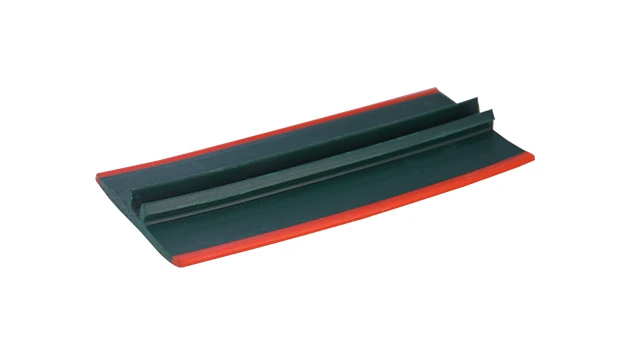
The tread strip fits into a T-slot channel and provides an anti-slip ribbed surface. It has a key pad that presses into a T-slot and is commonly used for adding traction on steps or as padding for doors. Tread strip can be ordered by rolls. The high quali
Walk into any modern manufacturing facility, workshop, or assembly line, and you'll likely notice a common backbone: aluminum profiles. These sleek, versatile structures form the basis of workbenches, material racks, conveyors, and more—quietly supporting the rhythm of production. But what makes these aluminum extrusion profiles truly effective? Often, it's the small, unassuming components that work behind the scenes. Enter aluminum profile rubber strips: the unsung heroes that turn functional frameworks into optimized, efficient, and worker-friendly environments. In this article, we'll dive into why these rubber strips matter, focusing on their three core benefits—sealing, cushioning, and noise reduction—and how they elevate the performance of aluminum profile systems.
Why Aluminum Profiles Need Rubber Strips: The Basics
Aluminum profiles, with their T-slot designs and modular nature, are beloved for their flexibility. They let you build, modify, and expand structures with ease, adapting to evolving production needs. But even the most well-designed aluminum profile has gaps: between joints, along edges, or where components meet. These gaps might seem trivial, but in industrial settings, they can lead to bigger issues—dust accumulation, material damage, excessive noise, or even safety hazards. That's where aluminum profile rubber strips come in. As essential aluminum profile accessories, they fill these gaps, add protective layers, and enhance the overall functionality of the system. Think of them as the finishing touch that turns a "good" setup into a "great" one.
Benefit 1: Sealing—Keeping Contaminants Out, Cleanliness In
In manufacturing, cleanliness isn't just about aesthetics; it's about quality, safety, and compliance. Dust, moisture, and debris can wreak havoc on sensitive components—imagine a circuit board assembly line where a single speck of dust causes a short circuit, or a food packaging area where moisture leads to mold growth. Aluminum profile rubber strips act as a barrier, sealing gaps in aluminum extrusion profiles to prevent these contaminants from sneaking in.
How Sealing Works in Practice
Most aluminum profiles have T-slots—those long, narrow grooves that allow for easy attachment of accessories. When you mount a panel, shelf, or guide rail to a profile, there's often a tiny gap between the two surfaces. Rubber strips, designed to fit snugly into these slots or along edges, compress slightly when installed, creating a tight seal. This compression ensures that even fine particles or droplets can't pass through. For example, in an ESD workstation (where electrostatic discharge protection is critical), a sealed aluminum profile frame prevents dust buildup on sensitive electronics, reducing the risk of malfunctions or defects.
Rubber strips also protect the aluminum profiles themselves. Without sealing, moisture can seep into joints, leading to corrosion over time—especially in humid environments or facilities that use water-based cleaning solutions. By forming a waterproof barrier, rubber strips extend the lifespan of your aluminum profile systems, reducing maintenance costs and downtime.
Sealing in Specialized Environments
Certain industries demand extra sealing rigor. Take pharmaceutical manufacturing, where sterile conditions are non-negotiable, or semiconductor production, where even trace contaminants can ruin batches. In these cases, high-quality rubber strips—often made from materials like EPDM or silicone—provide chemical resistance and enhanced sealing performance. They stand up to harsh cleaning agents, high temperatures, and strict hygiene standards, ensuring the aluminum profile framework remains a reliable, contamination-free foundation.

Benefit 2: Cushioning—Protecting Materials and Equipment
Production lines are busy places. Parts slide down roller tracks, workers load and unload materials onto workbenches, and trolleys bump against racks. All this movement creates impact—and without protection, that impact can damage both the materials being handled and the aluminum profiles themselves. Aluminum profile rubber strips act as a buffer, absorbing shocks and reducing wear and tear.
Gentle on Materials, Tough on Impact
Imagine a flow rack in a warehouse, where boxes of components glide down from the top shelf to the picking area. Without cushioning, a heavy box hitting the end of the rack could dent the aluminum profile or damage the contents inside. But add a rubber strip along the edge of the rack, and suddenly that impact is softened. The rubber compresses on contact, dispersing the force and protecting both the box and the rack. Similarly, on workbenches, rubber strips along the edges prevent tools or parts from getting chipped when accidentally dropped, saving on replacement costs and reducing waste.
Extending Equipment Lifespan
It's not just materials that benefit—aluminum extrusion profiles themselves last longer with rubber strip protection. Every time a trolley bumps into a rack or a tool scrapes against a profile edge, tiny scratches or dents form. Over time, these can weaken the structure or create rough surfaces that catch on materials. Rubber strips act as a sacrificial layer, taking the brunt of the impact so the aluminum profile stays smooth and intact. This is especially important for high-traffic areas, like conveyor systems or turnover trolley stations, where constant movement increases the risk of wear.
Custom Cushioning for Different Needs
Rubber strips aren't one-size-fits-all. Depending on the application, you can choose from different thicknesses, densities, and materials to match the level of cushioning needed. For example, a plastic roller track guide rail yellow might use a softer rubber strip to cushion lightweight parts, while a heavy-duty material rack could opt for a denser strip to handle larger loads. This flexibility makes rubber strips a versatile solution across industries, from automotive assembly (where metal parts need gentle handling) to electronics (where delicate components require precision protection).

Benefit 3: Noise Reduction—Creating a Quieter, Calmer Workplace
Industrial environments are inherently noisy. The clatter of metal on metal, the hum of conveyors, the rattle of parts sliding down tracks—all these sounds add up, creating a stressful atmosphere that can affect worker focus, productivity, and even hearing health. Aluminum profile rubber strips tackle this issue head-on by dampening vibrations and reducing friction, leading to a quieter workspace.
How Rubber Strips Muffle Noise
Noise in aluminum profile systems often comes from two sources: impact (when parts hit the profile) and friction (when parts slide against it). Rubber strips address both. When a part hits a rubber-sealed edge, the rubber absorbs the sound waves instead of letting them bounce off the hard aluminum surface. Similarly, when materials slide along a rubber-lined track—like a plastic roller track guide rail grey—the rubber reduces friction between the material and the aluminum, minimizing the squeaking or scraping sounds that come from metal-on-metal contact.
Consider a roller conveyor system: without rubber strips, metal rollers might vibrate against aluminum rails, creating a constant, high-pitched hum. Add rubber strips between the rollers and the rails, and the vibrations are dampened, turning that hum into a soft murmur. The difference isn't just noticeable—it's measurable. Studies show that reducing workplace noise by even 10 decibels can lower stress levels, improve concentration, and decrease the risk of errors, making for a more efficient and harmonious production floor.
Compliance and Worker Wellbeing
Noise reduction isn't just about comfort; it's about compliance. OSHA and other safety bodies set strict limits on workplace noise levels (typically 90 decibels over an 8-hour shift) to protect workers from hearing loss. Aluminum profile rubber strips help facilities meet these standards without expensive overhauls. Instead of investing in bulky soundproofing, you can integrate rubber strips into existing aluminum profile systems, making incremental improvements that add up to significant noise reduction. This not only keeps your team safe but also boosts morale—no one enjoys shouting over the din to communicate, after all.
Beyond the Big Three: Additional Perks of Rubber Strips
While sealing, cushioning, and noise reduction are the star benefits, aluminum profile rubber strips offer more. For starters, they improve safety by softening sharp edges on aluminum extrusion profiles, reducing the risk of cuts or scrapes. They also enhance grip—rubber's textured surface prevents materials from slipping off workbenches or racks, even in busy, fast-paced environments. And let's not forget aesthetics: rubber strips come in colors like yellow or grey, adding a pop of visibility (helpful for marking danger zones or workflow paths) or blending seamlessly with the profile for a clean, professional look.
| Rubber Strip Type | Primary Benefit | Common Application | Material Notes |
|---|---|---|---|
| Plastic Roller Track Guide Rail Yellow | High visibility + cushioning | Assembly line tracks, material flow racks | Soft, flexible rubber; UV-resistant |
| Plastic Roller Track Guide Rail Grey | Noise reduction + durability | Heavy-duty conveyors, warehouse racks | Dense rubber; resistant to wear and tear |
| ESD-Compliant Rubber Strip | Sealing + electrostatic protection | Electronics workstations, cleanrooms | Conductive rubber; prevents static buildup |
| High-Temp Silicone Strip | Sealing + heat resistance | Food processing, automotive painting lines | Withstands temperatures up to 200°C |
Choosing the Right Rubber Strips: What to Look For
Not all rubber strips are created equal. To get the most out of your aluminum profile system, you'll need to choose strips that match your specific needs. Here are a few key factors to consider:
Material Matters
Rubber strips come in various materials, each with its own strengths. EPDM is great for general-purpose sealing and weather resistance, making it ideal for indoor/outdoor use. Silicone excels in high-temperature or chemical-heavy environments. For ESD-sensitive areas, conductive rubber is a must. Consider your workspace conditions—temperature, exposure to chemicals, or static risks—and pick accordingly.
Fit and Compatibility
Aluminum profiles come in different sizes (like 2020, 3030, or 4040 series), and so do rubber strips. Make sure the strip you choose fits the T-slot or edge of your specific profile. A poor fit won't seal gaps effectively or provide proper cushioning. Reputable aluminum profile suppliers often offer strips tailored to their profiles, so check with them first.
Durability and Longevity
Industrial environments are tough, so your rubber strips need to be too. Look for strips with good wear resistance—they should stand up to friction, impact, and cleaning without cracking or degrading. Cheaper, low-quality strips might save money upfront, but they'll need frequent replacement, costing more in the long run.
Final Thoughts: Small Accessory, Big Impact
Aluminum profile rubber strips may not be the first thing you notice on a production floor, but their impact is undeniable. By sealing gaps, cushioning impacts, and reducing noise, they transform aluminum extrusion profiles from basic frameworks into optimized systems that support efficiency, safety, and worker wellbeing. As aluminum profile accessories go, they're a small investment that delivers big returns—fewer defects, lower maintenance costs, happier teams, and smoother operations.
So the next time you walk through a workshop or assembly line, take a closer look at those aluminum profiles. Chances are, there's a rubber strip quietly doing its job, making sure everything runs just a little bit better. And if you're building or upgrading your own aluminum profile system? Don't overlook these unsung heroes—your production line (and your team) will thank you.