- Company Articles
- Products and Technology
- Product knowledge
- Top Benefits of Using Two Way Lean Pipe Joint in Lean Production Systems

Top Benefits of Using Two Way Lean Pipe Joint in Lean Production Systems
Related Product
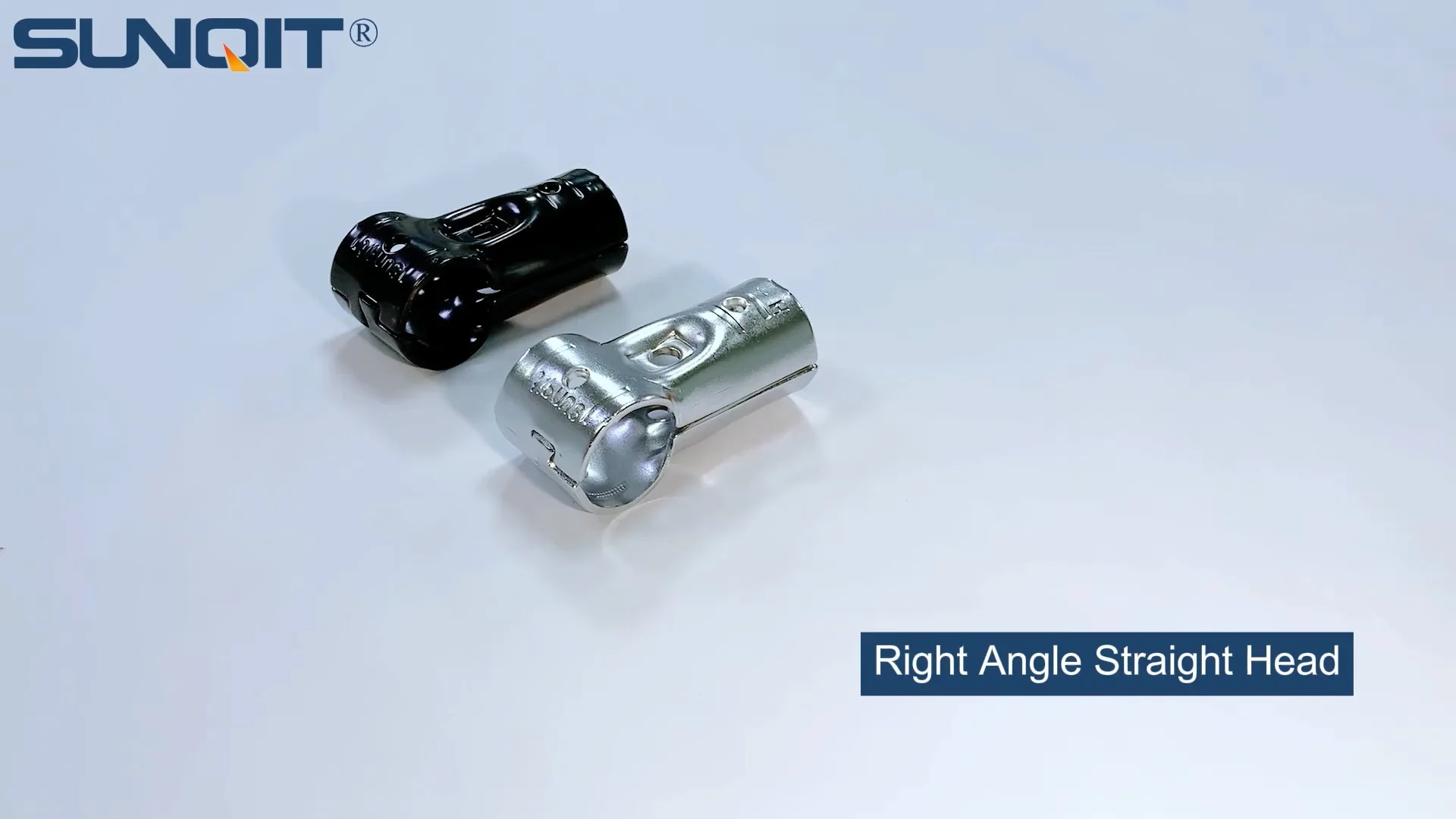
Two Way Lean Pipe Joint
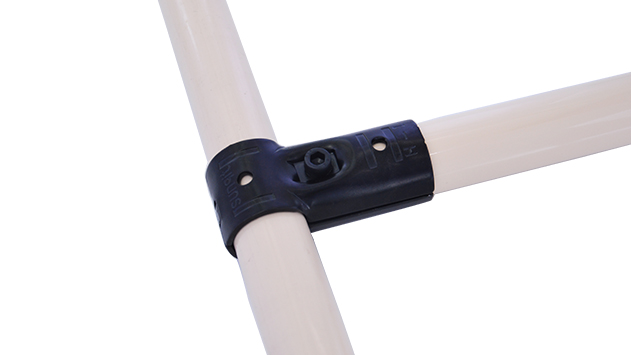
Two way lean pipe joint for 2 pcs 28MM lean pipe connection in straight angle, which used widely in workbench, flow rack, hand trolley frame connection.
In the fast-paced world of manufacturing, where efficiency and adaptability can make or break a production line, lean production systems have become the gold standard. At the heart of these systems lies a network of tools designed to minimize waste, streamline workflows, and foster continuous improvement. Among these tools, the two way lean pipe joint stands out as a yet indispensable component. Far more than just a connector, it's a catalyst for flexibility, cost savings, and operational excellence. Let's dive into why this small but mighty part deserves a spot in every modern production setup.
1. Unmatched Flexibility to Adapt Workbench and Material Rack Layouts
One of the biggest challenges in production environments is keeping up with changing demands—whether it's a new product line, a shift in assembly processes, or a need to accommodate larger batches. Fixed workbenches and rigid material racks often become bottlenecks, forcing teams to either work around outdated setups or invest in costly replacements. This is where the two way lean pipe joint shines: it turns static structures into dynamic, customizable workspaces.
Imagine a electronics assembly line where workers recently transitioned from assembling small circuit boards to larger, more complex components. The original workbench, with its fixed shelves and narrow surface, suddenly felt cramped. Instead of ordering a workbench, the team used two way lean pipe joints to reconfigure the existing setup. They extended the surface by adding extra aluminum profile sections, raised the height of the upper shelf to fit larger tools, and even attached side brackets for holding cables and manuals—all in under an hour.
Real-World Scenario:
A automotive parts supplier needed to adjust their material rack B (3 row and 3 floor) to store longer components. By loosening the two way lean pipe joints connecting the vertical and horizontal pipes, they repositioned the shelves to create taller gaps between rows. The entire process took two workers 30 minutes, and the rack was back in use the same day—no downtime, no new equipment costs.
This flexibility isn't limited to workbenches and racks. Two way lean pipe joints work seamlessly with everything from turnover trolleys to roller track systems, making them a universal solution for on-the-fly adjustments. Whether you're adding a caster wheel to a trolley for better mobility or reangling a section of roller track to improve material flow, these joints ensure your setup evolves with your needs, not against them.
2. Cost-Effective Scalability Without Compromising Quality
For many manufacturers, especially small to mid-sized operations, budget constraints are a constant concern. Investing in a fully optimized production line upfront can drain resources, while scaling piecemeal often leads to mismatched systems and inefficiencies. Two way lean pipe joints offer a middle ground: they let you start small and expand gradually, without sacrificing performance or breaking the bank.
Consider a startup that produces custom furniture. In the beginning, their production line was modest—a single workbench, a basic material rack, and a few hand tools. As orders grew, they needed to add a second assembly station and a dedicated area for finishing. Instead of buying pre-built workbenches and racks (which would have cost thousands), they purchased lean pipe and accessories in bulk (taking advantage of lean pipe wholesale options) and used two way joints to build the new stations themselves. The joints ensured the new structures matched the existing ones in stability and design, creating a cohesive workflow at a fraction of the cost.
What makes this scalability so cost-effective? Unlike welded or bolted systems, two way lean pipe joints don't require specialized tools or labor to install. Any team member with a basic wrench can assemble, disassemble, or reconfigure sections, reducing reliance on external contractors. Additionally, since the joints are reusable, you can repurpose pipes and accessories from old setups into new ones—minimizing waste and maximizing the value of every dollar spent.
3. Durability That Stands Up to Daily Production Grind
In production environments, equipment takes a beating. Workbenches support heavy tools, material racks bear the weight of daily inventory, and roller tracks see constant movement of parts. A flimsy joint can lead to wobbly structures, frequent breakdowns, and even safety hazards. Two way lean pipe joints are engineered to withstand this daily grind, thanks to their robust construction and high-quality materials.
Most two way lean pipe joints are made from hardened steel or aluminum, coated to resist rust and corrosion. This makes them ideal for use in environments with moisture, dust, or chemicals—common in industries like food processing, automotive, and electronics manufacturing. The precision threading and locking mechanisms ensure a tight, secure fit that doesn't loosen over time, even with repeated adjustments. For example, a workbench E (single deck-without caster) used in a heavy machinery plant might support 200+ pounds of tools daily; with two way joints, its frame remains stable for years, requiring only occasional tightening.
Durability also translates to fewer replacements. While cheaper plastic or low-grade metal joints might save money upfront, they often crack, bend, or wear out within months, leading to unexpected downtime and replacement costs. Two way lean pipe joints, by contrast, have a lifespan that matches or exceeds the pipes and profiles they connect, making them a long-term investment in reliability.

4. Seamless Integration with Roller Tracks and Aluminum Profile Accessories
A production system is only as strong as its weakest link, and compatibility between components is key to avoiding those weak links. Two way lean pipe joints are designed to play well with others, integrating smoothly with roller tracks, aluminum profiles, and a wide range of accessories. This interoperability turns individual parts into a cohesive, high-performing ecosystem.
Take roller tracks, for instance—critical for moving materials from one station to the next. Whether you're using plastic roller track guide rails (yellow or grey) or heavy-duty steel roller tracks, two way lean pipe joints make it easy to connect sections, adjust angles, or attach supports. Need to create a gentle slope for gravity-fed flow? Use joints to angle the roller track slightly. Want to connect a roller track to an aluminum profile workbench? The joints adapt to both pipe diameters and profile grooves, ensuring a snug fit.
Aluminum profiles, known for their lightweight strength, are another natural partner. Two way lean pipe joints work with aluminum guide rails (A and B types), profile end caps, and even specialized accessories like aluminum honeycomb panels. This means you can build a workbench with an aluminum profile frame, add a roller track for material delivery, and secure tools with aluminum side guards—all using the same joint system.
| Component Type | Compatibility Level | Common Use Case |
|---|---|---|
| Roller Track (Plastic/Steel) | High – connects via placon mounts and brackets | Gravity-fed material flow from storage to assembly |
| Aluminum Profile (2020/3030/4040 series) | High – adapts to T-slot grooves and end caps | Custom workbench frames with adjustable shelves |
| Caster Wheels & Accessories | Medium – connects via castor install base | Mobile turnover trolleys for material transport |
| Swivel Roller Balls (1 inch/0.5 inch) | Medium – mounts to pipe ends or brackets | Low-friction surfaces for manual part handling |
This compatibility isn't just convenient—it's strategic. By using a single joint type across multiple systems, you simplify inventory management (fewer part numbers to track), reduce training time (workers learn one connection method), and ensure consistency in quality and performance across your production floor.

5. Empowering Continuous Improvement (Kaizen) in Daily Operations
Lean production isn't just about setting up efficient systems—it's about continuously improving them. Kaizen, the philosophy of small, incremental changes, relies on teams being able to test new ideas quickly and implement what works. But without the right tools, even the best ideas can get stuck in the planning phase. Two way lean pipe joints remove that barrier, turning kaizen from a concept into a daily practice.
Consider a team that noticed workers were spending too much time walking to retrieve tools from a distant material rack. Their idea? Move a small subset of frequently used tools closer to the assembly line using a mobile trolley. Instead of waiting for approval to purchase a new trolley, they used two way lean pipe joints to build one from spare pipes, caster wheels, and a flat aluminum panel. They tested the trolley for a week, adjusted its height and shelf positions based on feedback, and finalized the design—all before the end of the month. The result? A 15% reduction in time spent retrieving tools, with zero upfront costs.
Kaizen in Action:
A packaging plant struggled with bottlenecks at their conveyor station, where boxes often got stuck at a sharp corner. The team hypothesized that a gentler curve in the roller track might help. Using two way lean pipe joints, they disassembled the corner section, repositioned the pipes to create a wider arc, and reconnected the roller track. The test run showed a 90% reduction in jams. What could have been a week-long project with fixed infrastructure took just two hours—proving that small changes, enabled by flexible joints, drive big results.
This ability to experiment, learn, and adapt quickly is what separates top-performing production lines from the rest. Two way lean pipe joints don't just support change—they encourage it, making kaizen a tangible, accessible process for every team member, not just managers or engineers.
Why Two Way Lean Pipe Joints Are Non-Negotiable for Lean Systems
At first glance, the two way lean pipe joint might seem like a simple component, but its impact ripples through every aspect of production—from workbench flexibility to kaizen-driven improvements. It's the difference between a production line that fights change and one that embraces it, between a budget drained by constant replacements and one that grows efficiently. Whether you're running a small workshop or a large-scale manufacturing facility, these joints empower you to build systems that work for your team, not against them.
When paired with quality lean pipe, aluminum profiles, and roller track accessories, two way lean pipe joints become the backbone of a truly lean operation—one that minimizes waste, maximizes productivity, and stays ready for whatever the future brings. So the next time you look at your production floor, take a closer look at the connections holding it all together. Chances are, the right joint could be the key to unlocking your team's full potential.