- Company Articles
- Products and Technology
- Installation And Maintenance
- Transportation & Handling of 4040F EU Standard Aluminum Profile: Best Practices

Transportation & Handling of 4040F EU Standard Aluminum Profile: Best Practices
Related Product
4040F EU Standard Aluminum Profile
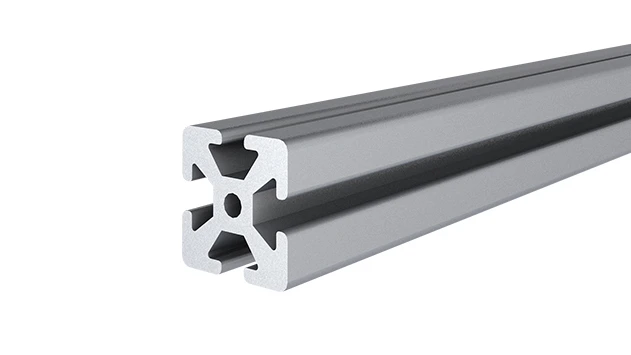
4040F is a 4.00x4.00 CM fractional 40 series square extrusion T-slot profile with four side open T-slots, each side with 4.00cm face. The profile has align-a-grooves to assist in aligning connecting profiles.
Aluminum profiles have become the backbone of modern manufacturing, construction, and automation industries, thanks to their lightweight, durability, and versatility. Among these, the 4040F EU standard aluminum profile stands out for its precision engineering and compatibility with a wide range of applications—from workbenches and machine frames to conveyor systems and lean manufacturing setups. But here's the thing: even the highest-quality aluminum extrusion profile can lose its value if mishandled during transportation or storage. Dents, scratches, or bending not only compromise aesthetics but can also weaken structural integrity, leading to costly rework or even safety hazards. In this guide, we'll walk through the best practices for transporting and handling 4040F EU standard aluminum profiles, ensuring they reach their destination in pristine condition and perform as intended.
Understanding the 4040F EU Standard Aluminum Profile
Before diving into handling practices, let's take a moment to appreciate what makes the 4040F EU standard aluminum profile unique. Designed to meet strict European standards, this profile typically features a 40mm x 40mm square cross-section with T-slots along its length—these slots allow for easy integration with aluminum profile accessories like connectors, brackets, and panels, making customization a breeze. Its extruded construction ensures uniform strength, while anodized or powder-coated finishes protect against corrosion and wear. Common uses include building modular workstations, material racks, and automated production lines, where precision and reliability are non-negotiable. Given its role in critical systems, any damage during transportation can disrupt workflows, delay projects, and erode trust with clients. That's why proper handling isn't just a "nice-to-have"—it's essential.
Pre-Transportation Preparation: Laying the Groundwork for Success
The journey of a 4040F aluminum profile from the extrusion facility to your workshop starts long before it hits the road. Pre-transportation preparation is where you set the stage for damage-free delivery. Let's break this down into three key steps: inspection, packaging, and documentation.
1. Inspection: Catch Issues Before They Travel
Before packing, every profile must undergo a thorough inspection. Start by checking the surface: are there any scratches, dents, or discoloration? Even minor imperfections can worsen during transit, so it's better to address them early. Next, verify dimensions—does the length, width, and slot alignment match the order specifications? A warped profile might not fit into your assembly, so reject any pieces that deviate from tolerances. Finally, check for sharp edges or burrs, especially at the cut ends. These can tear through packaging materials or injure handlers, so smooth them out with a deburring tool if needed. Remember: the goal is to ship only profiles that meet quality standards, so don't rush this step.
2. Packaging: Protecting Profiles Like They're Your Own
Once inspected, the next line of defense is packaging. Aluminum profiles are susceptible to surface damage, so the right packaging materials can make all the difference. Here's what we recommend:
- Surface Protection: Wrap each profile in stretch film or bubble wrap to shield against scratches. For anodized finishes, consider using anti-scratch film—this thin, adhesive layer creates a barrier that peels off easily without leaving residue.
- Bundling: Group profiles of the same length and type together, securing them with plastic or steel bands. Avoid over-tightening, which can cause indentations; the goal is to keep them from sliding against each other.
- Crating for Long or Heavy Loads: For profiles longer than 6 meters or weighing over 50kg, use wooden crates. Line the crate with foam padding to absorb shocks, and secure the profiles with screws or straps to prevent movement. Ensure the crate is sturdy enough to withstand stacking—add reinforcement bars if needed.
- Corner Guards: Attach plastic or metal corner guards to the ends of bundled profiles. These protect against impacts during loading/unloading, which is where most damage occurs.
3. Documentation: Avoid Delays and Confusion
Clear documentation is critical for smooth transportation. Each package should include a label with: the consignee's details, profile specifications (length, quantity, batch number), weight, and handling instructions (e.g., "This Side Up" or "Do Not Stack"). For international shipments, include compliance documents like CE certificates (since we're dealing with EU standard profiles) and material safety data sheets (MSDS) if required. A packing list inside the crate helps receivers verify the order quickly, reducing the chance of lost or misplaced items. Pro tip: Take photos of the packaged profiles before shipping—these can be invaluable if a dispute arises over damage claims.

Loading and Unloading: The Make-or-Break Moment
Even with perfect packaging, improper loading or unloading can ruin your hard work. This is where technique, equipment, and training come into play. Let's explore how to handle this critical phase safely and effectively.
Choosing the Right Equipment
The first rule of loading/unloading is using the right tools for the job. For small bundles (under 100kg), a pallet jack or hand truck might suffice, but for larger loads, you'll need a forklift or crane. When using a forklift, opt for soft-faced forks or add padding (like rubber sleeves) to prevent dents. For crated profiles, use a spreader bar with slings to distribute weight evenly—this avoids bending the crate or crushing the profiles inside. Never use chains directly on aluminum surfaces, as they can scratch or indent the metal. Instead, use nylon straps with protective sleeves. If you're unsure about the equipment, consult the profile supplier—they'll often have recommendations based on their products' specific needs.
Techniques to Prevent Damage
How you lift and position the profiles matters as much as the equipment. Always lift from the center of gravity—for long profiles, this might mean using two forklifts (one at each end) to keep the load balanced. Avoid dragging profiles across the ground or other surfaces, as this can scratch the finish. When stacking, place heavier bundles at the bottom and lighter ones on top, and never stack higher than the truck's side rails (or the crate's weight capacity). Leave a small gap between stacks to allow air circulation and prevent moisture buildup. If you're loading multiple crates, secure them to the truck bed with ratchet straps—angle the straps diagonally from the crate to the truck's anchor points to prevent lateral movement. And remember: slow and steady wins the race. Rushing increases the risk of accidents, so take the time to align loads properly.
Safety First: Protecting Your Team
Handling heavy aluminum profiles isn't just about protecting the product—it's about protecting your people. All workers involved in loading/unloading should wear PPE: steel-toed boots, gloves (to prevent cuts from sharp edges), and safety glasses. Ensure forklift operators are certified and familiar with the specific load they're handling. Establish clear communication protocols, like hand signals or radios, to avoid misunderstandings. And never allow anyone to stand under a suspended load—even for a second. A moment of carelessness can lead to serious injury, so enforce these rules strictly.
In-Transit Care: Keeping Profiles Safe on the Road
Once loaded, the focus shifts to ensuring the profiles stay secure during transit. Roads are bumpy, weather is unpredictable, and even the most careful drivers can hit potholes. Here's how to mitigate these risks.
Securing the Load: No Room for Movement
The number one cause of in-transit damage is shifting loads. To prevent this, use a combination of blocking and strapping. Blocking involves placing wooden beams or metal bars between the crates to keep them from sliding—secure the blocks to the truck bed with screws or bolts. For strapping, use high-tensile nylon or polyester straps with ratchet tensioners. Tighten the straps until they're firm but not so tight that they deform the packaging. For extra security, add edge protectors where the straps meet the crates to prevent tearing. If you're transporting uncrated profiles, use a load binder to keep them pressed together—this minimizes movement and reduces the risk of scratches.
Battling the Elements
Aluminum is resistant to rust, but its finish can still be damaged by moisture, extreme temperatures, or UV rays. If transporting in an open truck, cover the load with a waterproof tarpaulin—secure it tightly to prevent flapping, which can rub against the profiles and cause scratches. In hot weather, avoid leaving profiles in direct sunlight for extended periods, as this can cause the packaging film to stick to the surface. In cold climates, ensure the truck's interior is dry to prevent condensation from forming on the profiles. If possible, choose enclosed trucks for long-distance shipments—they offer the best protection against weather and road debris.
Monitoring the Load
Even with the best securing, it's wise to check the load periodically during transit. Ask the driver to inspect the straps and blocks at rest stops—tighten any that have loosened and replace any damaged materials. If you're shipping internationally, use GPS tracking to monitor the truck's location and receive alerts if there's an unexpected delay (which could mean the load is sitting in a vulnerable area). Communication with the driver is key—make sure they know to report any issues immediately, like a strap breaking or a tarp coming loose.
Storage Handling: Keeping Profiles Ready for Action
Once the profiles arrive safely, the job isn't over—how you store them can impact their quality until they're ready for use. Poor storage can lead to warping, corrosion, or damage from accidental impacts. Let's cover the essentials of storing 4040F EU standard aluminum profiles.
Creating the Right Environment
Aluminum profiles thrive in a dry, well-ventilated space. Avoid storing them in damp areas like basements or near sprinkler systems, as moisture can cause spots on anodized finishes. If your warehouse is prone to humidity, use a dehumidifier to keep levels below 60%. The storage area should also be level—uneven floors can cause stacks to lean, increasing the risk of collapse. Keep the space clean and free of debris, and avoid storing profiles near chemicals or abrasive materials that could damage their surfaces.
Stacking and Racking Guidelines
When stacking profiles, follow these rules to prevent damage: First, never stack unbundled profiles—they'll shift and scratch each other. Keep bundles intact until you're ready to use the profiles. Second, limit stack height to 1.5 times the width of the base bundle (e.g., a 40mm-wide bundle shouldn't be stacked more than 600mm high). Third, use sturdy racks with horizontal supports—avoid leaning profiles against walls, as this can cause them to bend over time. For long profiles, use cantilever racks, which allow easy access without moving other bundles. If you're storing different lengths or types of profiles, separate them with dividers or label each stack clearly—this saves time when retrieving materials and reduces the chance of accidental damage during searches.
Accessibility and FIFO
Organize your storage area using the FIFO (First In, First Out) principle: place newer arrivals at the back and older ones at the front. This ensures profiles don't sit in storage for too long, reducing the risk of forgotten damage. Label each stack with the arrival date, quantity, and specifications—this makes inventory checks a breeze. Finally, leave enough space between stacks for forklifts or pallet jacks to maneuver. A crowded storage area increases the risk of collisions, so aim for at least 1.5 meters of clearance between rows.
Handling Aluminum Profile Accessories: Small Parts, Big Impact
While much of this guide focuses on the profiles themselves, let's not forget about aluminum profile accessories —connectors, brackets, end caps, and fasteners. These small parts are just as critical to your project, and they require special handling too. Store accessories in sealed plastic bins or drawers to prevent loss, and label each container with the part number and quantity. Avoid mixing different accessory types, as this can lead to errors during assembly. For delicate parts like anodized brackets, wrap them in tissue paper or bubble wrap to prevent scratches. When transporting accessories, use rigid boxes with dividers to keep them from shifting—loose parts can rattle around and break. Remember: a missing connector or damaged bracket can delay an entire assembly, so treat these small components with the same care as the profiles themselves.
Common Mistakes to Avoid: Learning from Others' Errors
To wrap up, let's highlight some common mistakes that lead to damaged aluminum profiles—and how to steer clear of them:
| Mistake | How to Avoid It |
|---|---|
| Using dirty or damaged packaging materials | Inspect packaging for tears or debris before use; replace stretch film or bubble wrap if it's dirty or punctured. |
| Overloading the truck or storage rack | Check the truck's weight capacity and rack load limits; distribute weight evenly to avoid stress. |
| Ignoring weather conditions during transit | Check the forecast before shipping; use tarps or enclosed trucks for rain, snow, or extreme heat. |
| Rushing loading/unloading | Allocate enough time for each step; train workers to prioritize care over speed. |
| Storing profiles near corrosive substances | Keep profiles away from chemicals, salt, or fertilizers; use separate storage areas for different materials. |
Conclusion: Protecting Your Investment, One Profile at a Time
Transporting and handling 4040F EU standard aluminum profiles might seem like a straightforward task, but as we've explored, it requires careful planning, attention to detail, and a commitment to quality. From pre-transport inspection to storage organization, every step plays a role in ensuring your profiles arrive in perfect condition and perform as expected. By following these best practices, you'll reduce waste, minimize delays, and protect your bottom line. Remember: a little extra effort during transportation and handling can save you from costly repairs or replacements down the line. So the next time you're preparing to ship or store aluminum profiles, take a moment to do it right—your projects (and your clients) will thank you.