- Company Articles
- Products and Technology
- Product knowledge
- Transportation Logistics: Easy Handling of Single Side Aluminum Pipe for On-Site Setup

Transportation Logistics: Easy Handling of Single Side Aluminum Pipe for On-Site Setup
Related Product
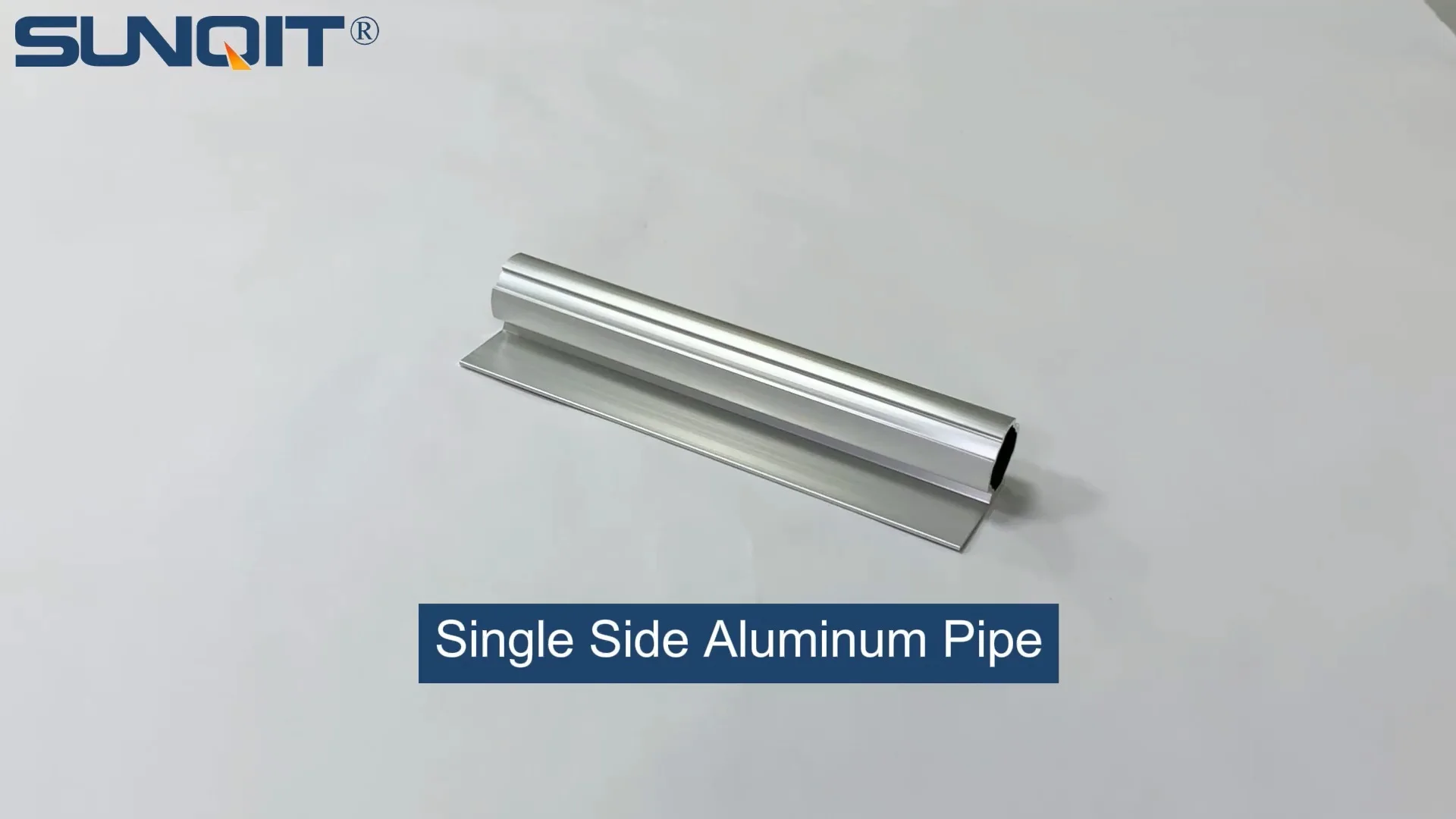
Single Side Aluminum Pipe
The single-sided plane can be installed with a back-mounted material box, and can also be used as a sidewall or partition.
Walk into any busy logistics hub, and you'll notice a silent battle being waged every day: the fight against time. Teams race to unload trucks, sort packages, and move materials—only to hit a wall when they need to set up temporary workstations, adjust material racks, or reconfigure roller tracks. Traditional setup methods, with their heavy steel pipes, complicated fasteners, and hours of assembly, have long been the norm. But what if there was a way to cut setup time in half, reduce worker fatigue, and build flexible structures that adapt as quickly as your operations do? Enter single side aluminum pipe—a lightweight, modular solution that's quietly revolutionizing on-site setup in transportation logistics.
What Is Single Side Aluminum Pipe, Anyway?
Let's start with the basics. Single side aluminum pipe is exactly what it sounds like: a lightweight aluminum tube designed with a single, continuous T-slot along one side. This slot isn't just a design quirk—it's the secret to its versatility. Unlike solid steel pipes or even standard aluminum profiles, the single side T-slot lets you attach accessories—think brackets, joints, caster wheels, or roller track mounts—with minimal effort. No drilling, no welding, no wrestling with nuts and bolts that never seem to line up. Just slide, twist, and lock. It's like building with a high-tech erector set, but for grown-ups solving real logistics problems.
What makes it "single side"? The T-slot runs along only one edge, which keeps the pipe lightweight while still offering enough connection points for most on-site needs. This design choice is intentional: it balances strength and flexibility, making the pipe easy to carry (even for one person) and simple to maneuver in tight spaces—like the back of a delivery truck or a crowded warehouse aisle.
The Hidden Cost of "Sticking with What You Know"
To understand why single side aluminum pipe matters, let's talk about the cost of using traditional materials. Take steel pipe, for example. A 10-foot steel pipe can weigh 30 pounds or more—meaning two workers are needed just to carry it. Then there's assembly: you'll need wrenches, screwdrivers, maybe even a power drill to attach brackets. If a joint is misaligned? You're looking at 20 minutes of backtracking, loosening bolts, and readjusting. And if you need to move the structure later? Good luck—steel doesn't budge easily, and disassembly often damages the pipes, making them useless for future setups.
Even standard aluminum profiles, while lighter than steel, can be overkill for temporary or frequently changing setups. Their multi-slot design adds unnecessary weight and complexity when you only need a few connection points. Single side aluminum pipe cuts through that noise: it's light enough for one worker to handle, simple enough for anyone to assemble, and durable enough to withstand the daily grind of logistics operations.

Why Logistics Teams Are Falling for Single Side Aluminum Pipe
It's not just about "new and shiny"—single side aluminum pipe solves real, day-to-day problems in transportation logistics. Here's how:
1. Lightweight = Less Fatigue, More Speed – A 10-foot single side aluminum pipe weighs just 8–10 pounds. That means one worker can carry multiple pipes at once, and assembly doesn't require straining or team lifts. In busy hubs, this alone cuts setup time by 30%—no more waiting for a second person to help move materials.
2. Tool-Free Assembly (Mostly) – Thanks to the T-slot design, most aluminum profile accessories snap or slide into place. A simple hex key is often all you need to tighten a joint—no power tools, no welding, no specialized training. New hires can assemble a basic workbench in under an hour, even on their first day.
3. Flexibility to Adapt – Logistics needs change fast. A sudden influx of orders might require an extra packing station; a delayed truck might mean rerouting a roller track. Single side aluminum pipe structures are easy to take apart and reconfigure. Need to shorten a material rack? Just disconnect a section. Want to add caster wheels to a workstation for mobility? Snap them on. It's like having a modular toolkit that grows with your needs.
4. Durable Enough for the Long Haul – Don't let the lightweight fool you. Aluminum resists rust and corrosion, making it ideal for humid warehouses or outdoor loading zones. Even with daily use, single side aluminum pipe holds up—no dents, no bending, and no need for frequent replacements.

The Magic of Aluminum Profile Accessories: Building Blocks for Success
Single side aluminum pipe is only as good as the accessories that go with it—and that's where aluminum profile accessories shine. These small, specialized parts turn a simple pipe into a fully functional structure. Let's break down the must-haves for logistics setups:
Internal Straight Aluminum Joints
These sleek connectors slide into the T-slot to join two pipes at straight angles. Twist a hex key, and they lock tight—no wobbly joints, no fuss.
Caster Wheels
Add mobility in seconds. Locking caster wheels snap onto the base of a structure, turning a fixed workbench into a movable cart that follows workers where they need it.
Roller Track Placon Mounts
Mount roller track sections directly to single side aluminum pipe frames. Perfect for creating temporary conveyor lines or sliding material racks.
The best part? These accessories are universal. Mix and match joints, brackets, and wheels to build exactly what you need—no custom parts, no long lead times. It's modularity at its finest.

From Workbench to Roller Track: Real-World Logistics Applications
Let's get practical. How do logistics teams actually use single side aluminum pipe on the job? Here are three common scenarios where it makes a huge difference:
1. Temporary Workstations for Peak Seasons
During holiday rushes or sales events, warehouses often need extra packing or sorting stations—fast. With single side aluminum pipe, a team can build a sturdy workbench in under an hour. Start with four vertical pipes for legs, connect them with horizontal pipes using internal straight joints, and top it with an aluminum honeycomb panel (lightweight but strong enough for boxes). Add a few side brackets to hold tools, and you're ready to go. When the rush ends? Disassemble the workstation, pack the parts in a storage bin, and reuse them next time.
2. Adjustable Roller Tracks for Material Flow
Moving packages from a truck to a sorting area often requires roller tracks—but fixed tracks can't adapt to changing truck positions or package sizes. Single side aluminum pipe solves this. Build a frame with adjustable height (using telescoping pipe sections and locking joints), then attach roller track sections with roller track placon mounts. Tilt the frame slightly for gravity-fed flow, or add motorized rollers for heavier loads. If the next truck parks 10 feet to the left? Disassemble the track, move the frame, and reassemble in 15 minutes.
3. Mobile Material Racks for On-Demand Storage
Storing pallets or boxes near the loading dock saves steps—but permanent racks waste space when not in use. Enter mobile material racks built with single side aluminum pipe. Assemble a multi-shelf frame, add caster wheels for mobility, and load it up with inventory. When the dock is clear, roll the rack to a storage area. Need to adjust shelf heights for taller boxes? Loosen the joints, slide the shelves up or down, and retighten—done.
Setup Time Showdown: Traditional vs. Single Side Aluminum Pipe
Still skeptical? Let's put it to the test. Below is a comparison of setting up a 10-foot material rack using traditional steel pipe vs. single side aluminum pipe:
| Aspect | Traditional Steel Pipe | Single Side Aluminum Pipe |
|---|---|---|
| Assembly Time | 2–3 hours (with 2 workers) | 30–45 minutes (with 1 worker) |
| Tools Needed | Wrench, drill, screwdriver, level | Hex key (included with joints) |
| Weight (per 10ft structure) | ~150 lbs | ~40 lbs |
| Reconfigurability | Low (requires cutting/welding to adjust) | High (disassemble and rebuild in minutes) |
| Long-Term Cost | Higher (replacement due to rust/damage) | Lower (durable, reusable, no rust) |
Pro Tips for Mastering Single Side Aluminum Pipe Setup
Ready to dive in? Here are a few insider tips to make your first setup (and every one after) a breeze:
- Label your accessories: Keep aluminum profile accessories in labeled bins (e.g., "joints," "caster wheels," "roller mounts") to avoid hunting during setup.
- Pre-cut pipes to common lengths: If you often build 4ft or 6ft structures, pre-cut pipes to those lengths and store them together. Saves time on the fly.
- Test weight limits first: While single side aluminum pipe is strong, always test with lighter loads before stacking heavy items. Better safe than sorry!
- Train the team: Hold a quick 15-minute demo to show everyone how the T-slot system works. You'll be surprised how quickly even new hires pick it up.
The Future of Logistics Setup: Lightweight, Flexible, Unstoppable
As transportation logistics grows more fast-paced and unpredictable, the need for adaptable on-site solutions will only increase. Single side aluminum pipe isn't just a trend—it's a glimpse into the future: a future where setup isn't a chore, but a quick, painless step that supports your team's efficiency. Whether you're running a small warehouse or a large distribution center, this lightweight, modular system has the power to transform how you build, adapt, and thrive.
So, the next time your team groans at the thought of setting up a new workbench or reconfiguring a roller track, remember: there's a better way. Single side aluminum pipe and aluminum profile accessories are here to make on-site setup the easiest part of your day—not the hardest.
Efficiency in logistics starts with the tools you use to build your operations. Make single side aluminum pipe yours, and watch your team move faster, work smarter, and handle anything the day throws at them.