- Company Articles
- Products and Technology
- Installation And Maintenance
- Troubleshooting 40 Steel Roller Track Black ESD Wheels: Common Issues & Fixes

Troubleshooting 40 Steel Roller Track Black ESD Wheels: Common Issues & Fixes
Related Product
40 Steel Roller Track Black ESD Wheel
The roller track can be installed with multiple accessories to create different slopes and configurations of flow racks.All steel conveyor 40 roller track accessories are engineered to perfectly fit the sliding rail.
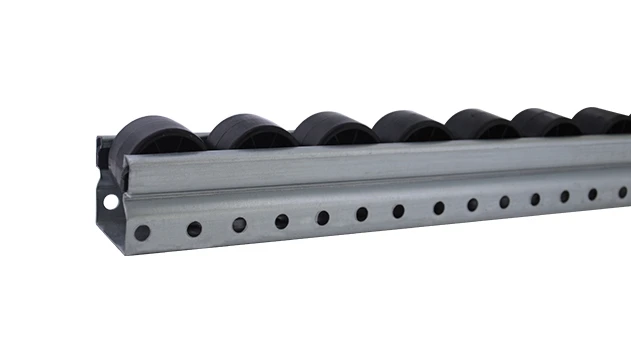
Let's talk about something every production floor manager or assembly line worker knows all too well: the backbone of smooth operations—your equipment. And when it comes to keeping parts moving in production assemble lines, few things are as critical as your 40 steel roller track with black ESD wheels. These workhorses handle everything from small components to heavier assemblies, ensuring materials glide seamlessly from station to station. But what happens when they start acting up? A stuck wheel here, a static shock there, or that annoying grinding noise that just won't quit—suddenly, your once-efficient line feels like it's running through molasses.
If you've ever found yourself scratching your head, wondering why your 40 steel roller track isn't performing like it used to, you're in the right place. In this guide, we're breaking down the most common issues with these ESD wheels, why they happen, and step-by-step fixes to get your line back on track. Think of it as your go-to troubleshooting buddy—no fancy jargon, just practical solutions you can implement today.
Why Your 40 Steel Roller Track Black ESD Wheels Matter More Than You Think
Before we dive into the problems, let's take a second to appreciate what these tracks do. In the world of lean system design, every component has a job to keep waste to a minimum—whether that's time, materials, or energy. Your 40 steel roller track with black ESD wheels? It's the unsung hero of lean solution implementation. Here's why:
- ESD Protection: The "black ESD" part isn't just for show. In electronics manufacturing (think 3C assembly or circuit board production), static electricity can fry sensitive components. These wheels are designed to dissipate static, keeping your products—and profits—safe.
- Smooth Material Flow: When parts glide effortlessly from one workstation to the next, bottlenecks disappear. That means faster production times and happier teams.
- Durability: Steel construction stands up to heavy daily use, but even the toughest equipment needs a little TLC. Ignore small issues, and you're looking at costly replacements down the line.
So, when your roller track starts causing headaches, it's not just a minor inconvenience—it's a threat to your lean goals. Let's fix that.
5 Common Issues (and How to Fix Them)
We've talked to plant managers, maintenance techs, and assembly line workers to compile the most frequent problems with 40 steel roller track black ESD wheels. Spoiler: Most fixes are simpler than you think.
Issue #1: Wheels Getting Stuck or Jamming
Picture this: You're pushing a bin of parts along the track, and suddenly—*jerk*—it stops. You give it a little nudge, and it moves again… but only for a few inches. Sound familiar? Wheel jamming is the most reported issue, and it's usually caused by one of three things:
What's Causing It?
- Dirt and Debris: Metal shavings, dust, or even a stray screw can wedge between the wheel and track, grinding movement to a halt.
- Worn Bearings: Inside each wheel, tiny bearings keep things spinning smoothly. Over time, they can wear out or get contaminated with grease and grime.
- Wheel Misalignment: If the wheel isn't sitting straight in its housing, it'll rub against the track rails, causing friction and jams.
How to Fix It:
- Check for Debris: Grab a flashlight and inspect the track closely. Look for any foreign objects stuck between the wheels or in the track grooves. Use a soft brush or compressed air to gently remove dirt—avoid metal tools that could scratch the ESD coating.
- Test the Bearings: Spin the wheel by hand. If it feels rough or doesn't spin freely, the bearings are likely the culprit. Remove the wheel (most just pop out with a little pressure), clean the housing, and replace the bearings if needed. Pro tip: Use ESD-safe lubricant on new bearings to keep them in top shape.
- Realign the Wheels: Loosen the mounting bolts slightly, adjust the wheel so it sits evenly, then retighten. A quick visual check—ensure the wheel spins without touching the track sides—will tell you if you've got it right.
Pro Tip: Make "debris checks" part of your daily start-up routine. A two-minute scan with a brush can save you hours of downtime later.
Issue #2: ESD Function Failure
Remember that whole "static protection" thing we talked about? If your ESD wheels stop working, you're playing Russian roulette with your electronics. How do you know it's failing? Look for:
- Random product defects (e.g., dead circuit boards) that can't be traced to manufacturing errors.
- Static shocks when touching the track or bins (a big red flag—you shouldn't feel static at all).
- ESD meter readings outside the safe range (typically 10⁶ to 10⁹ ohms; check your manufacturer specs).
What's Causing It?
- Contaminated Wheels: Grease, oil, or even heavy dust can coat the ESD wheel surface, blocking static dissipation.
- Damaged ESD Coating: Scratches or chips in the black ESD layer break the conductive path, rendering the wheel useless for static control.
- Poor Grounding: The track itself needs to be properly grounded to the facility's ESD system. If the ground wire is loose or disconnected, static has nowhere to go.
How to Fix It:
- Clean the Wheels: Use a mild, ESD-safe cleaner (avoid harsh solvents like acetone—they'll eat away the coating). Wipe each wheel thoroughly, then let it dry completely before testing.
- Inspect for Damage: Run your finger along the wheel surface. If you feel scratches deeper than the coating, or if the black layer is peeling, it's time to replace the wheel. No amount of cleaning will fix a damaged ESD coating.
- Check Grounding: Locate the track's ground wire (usually a green or bare copper wire connected to the track frame). Tighten any loose connections, and use a multimeter to verify continuity between the track and your facility's ground. If the wire is frayed or broken, replace it immediately.
Issue #3: Misaligned Tracks
Ever watched a train derail in slow motion? That's basically what happens when your roller track is misaligned. Parts veer off course, wheels grind against rails, and you're left with a mess. Common signs:
- Parts sliding off the track or getting stuck at joints.
- Uneven wheel wear (one side of the wheel is more worn than the other).
- The track "rocks" when you push on it (a sign the mounting brackets are loose).
What's Causing It?
- Loose Mounting Brackets: Over time, vibrations from daily use can loosen the bolts holding the track to the frame or floor.
- Floor Unevenness: If your facility floor has dips or bumps (common in older plants), the track will follow the contour, leading to misalignment.
- Poor Initial Installation: Sometimes, the problem starts on day one. If the track wasn't leveled properly during setup, issues will crop up sooner or later.
How to Fix It:
- Tighten Brackets: Grab a wrench and go along the track, checking each mounting bolt. Tighten any that wiggle—just don't over-tighten (you could warp the track).
- Level the Track: Use a spirit level to check for dips or rises. For minor unevenness, shim the low side with thin metal plates (ESD-safe, of course). For major floor issues, you may need to adjust the track supports or consult a flooring specialist.
- Check Joints: If your track has sections bolted together, ensure the joints are flush. A small gap can throw off alignment. Loosen the joint bolts, realign the sections, then retighten.
Issue #4: Excessive Noise During Operation
A little hum is normal, but if your roller track sounds like a rock concert, something's wrong. Loud noises aren't just annoying—they're a sign of friction, which means parts are wearing out faster. Common culprits:
What's Causing It?
- Dry Bearings: Without proper lubrication, wheel bearings grind against metal, creating that high-pitched squeal we all hate.
- Worn Wheel Treads: Over time, the rubber or plastic tread on the wheel can wear unevenly, leading to a "thumping" sound as the wheel spins.
- Loose Components: Rattling noises often come from loose bolts, brackets, or even wheels that aren't fully seated in their housings.
How to Fix It:
- Lubricate Bearings: Use a lightweight, ESD-safe lubricant (silicone-based works best) and apply a drop to each wheel bearing. Spin the wheel by hand to distribute the lube—you'll hear the noise quiet down immediately.
- Inspect Treads: If the wheel tread is cracked, flattened, or uneven, replace the wheel. Worn treads can't be fixed, and they'll only get louder (and less effective) over time.
- Tighten Everything: Go on a "rattling hunt." Shake brackets, wheels, and joints to find loose parts, then tighten them. A little locktight on bolts that keep coming loose can work wonders.
Pro Tip: Keep a "noise log." If a new sound pops up, note when it started and where it's coming from—this will help you diagnose issues faster.
Issue #5: Inability to Handle Load Capacity
Your roller track is rated for a certain weight (check the manufacturer specs—most 40 steel tracks handle 50-100 kg per linear meter). If bins are sagging, wheels are bending, or the track is bowing, you're overloading it. Consequences? Bent tracks, shattered wheels, and possibly even safety hazards.
What's Causing It?
- Ignoring Weight Limits: It's easy to "just add one more part" to a bin, but over time, those "one more"s add up.
- Uneven Weight Distribution: Even if the total weight is under the limit, putting all the weight on one side of the bin can stress the track.
- Weakened Supports: If the track's undercarriage or mounting brackets are damaged (e.g., from a forklift bump), they can't hold as much weight as they used to.
How to Fix It:
- Check the Load: Weigh your bins! You might be surprised how often "estimate" turns into "overload." Post weight limits near the track as a reminder.
- Redistribute Weight: Train your team to load bins evenly—no piling all the heavy parts on one end. Use dividers if needed to keep weight balanced.
- Reinforce Supports: If the track itself is bowing, add extra mounting brackets or supports in the middle. For damaged brackets, replace them immediately—don't try to "bend them back."

Quick Reference: Troubleshooting Cheat Sheet
Print this out and stick it by your track—you'll thank us later.
| Issue | Common Cause | Fix in 3 Steps |
|---|---|---|
| Wheels Jamming | Debris, worn bearings, misalignment | 1. Clean debris; 2. replace bearings if rough; 3. Realign wheels |
| ESD Failure | Contaminated wheels, damaged coating, poor grounding | 1. Clean with ESD-safe cleaner; 2. replace scratched wheels; 3. Check ground wire |
| Track Misalignment | Loose brackets, uneven floor | 1. Tighten brackets; 2. Shim low spots; 3. Align joints |
| Excessive Noise | Dry bearings, worn treads, loose parts | 1. Lubricate bearings; 2. replace worn wheels; 3. Tighten components |
| Overloading | Exceeding weight limits, uneven loading | 1. Weigh bins; 2. Redistribute weight; 3. Add supports if needed |

Preventive Maintenance: Keep It Running Like New
Fixing problems is great, but avoiding them? Even better. Here's a simple maintenance schedule to keep your 40 steel roller track black ESD wheels in top shape:
Daily:
- Scan for debris and clean with a brush.
- Check for obvious issues (e.g., stuck wheels, loose bolts).
- Test ESD function with a meter (if you have one handy).
Weekly:
- Lubricate wheel bearings with ESD-safe lubricant.
- Tighten all visible bolts and brackets.
- Inspect wheel treads for wear.
Monthly:
- Check track alignment with a spirit level.
- Test ESD readings across the entire track (not just one spot).
- Inspect undercarriage and supports for rust or damage.
Quarterly:
- replace any wheels with worn treads or damaged ESD coating.
- Deep-clean track grooves with compressed air and a soft brush.
- Review weight limits with your team—refresher training never hurts!
Final Thoughts: Your Track, Your Lean Success
Your 40 steel roller track with black ESD wheels isn't just a piece of equipment—it's a cornerstone of your lean system . When it runs smoothly, your whole operation runs smoothly. When it breaks down? So do your efficiency goals, product quality, and team morale.
The good news? Most issues are fixable with a little time, the right tools, and this guide. Remember: lean manufacturing isn't just about big-picture strategies—it's about the small, daily habits that keep your systems humming. So, grab your brush, your wrench, and your ESD meter, and give your roller track the care it deserves. Your bottom line (and your team) will thank you.
Need more help? Whether you're looking for replacement parts, custom track designs, or expert advice, don't hesitate to reach out to a trusted lean solution provider. After all, even the best troubleshooting is easier when you've got a partner in lean.