- Company Articles
- Products and Technology
- Installation And Maintenance
- Troubleshooting 40 Steel Wheel Roller Track Jamming Problems

Troubleshooting 40 Steel Wheel Roller Track Jamming Problems
Related Product
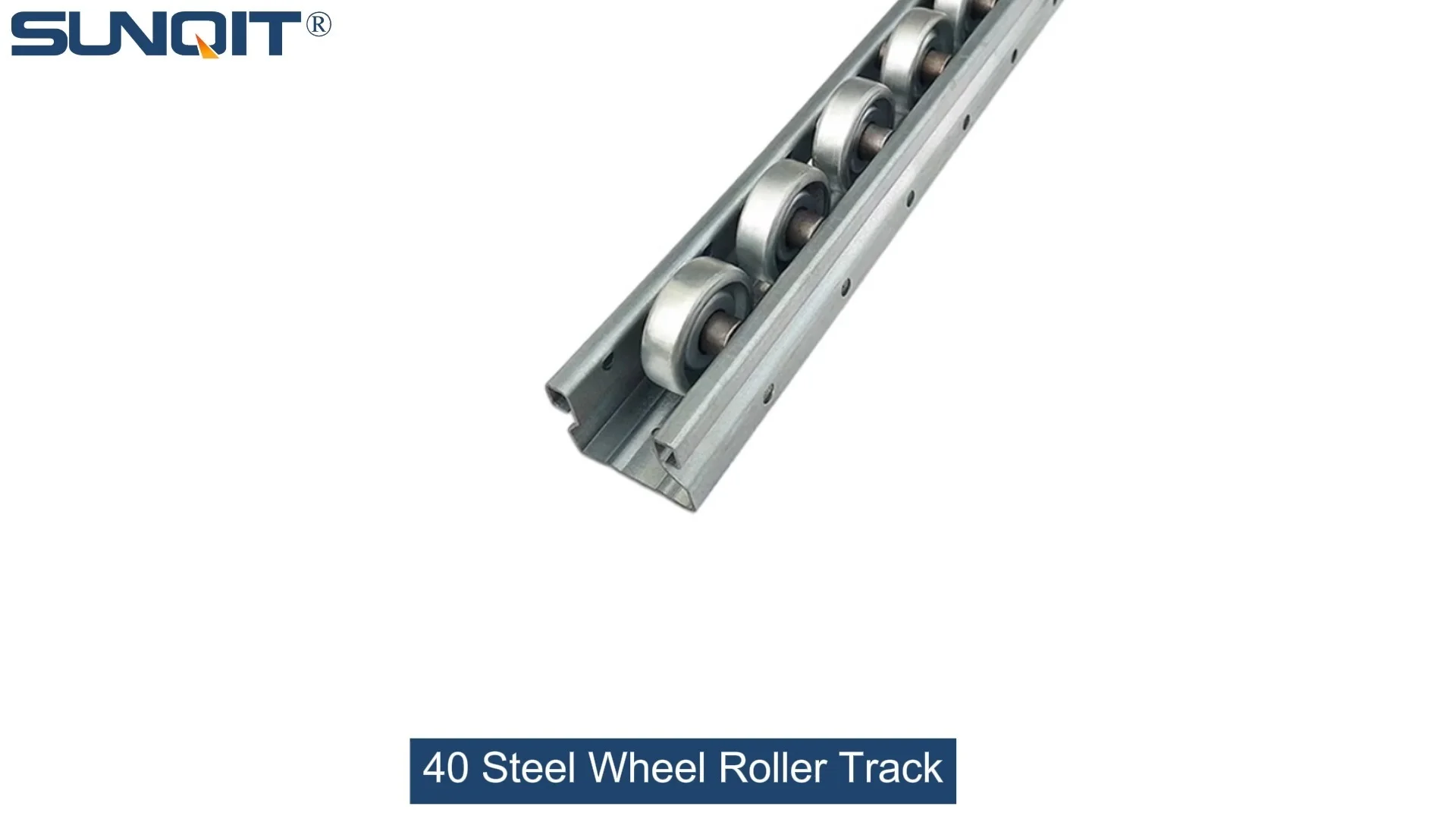
40 Steel Wheel Roller Track
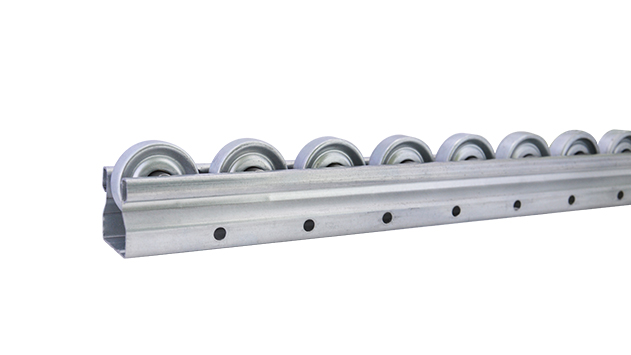
Heavy duty steel wheel roller track with cylindrical steel rollers for use in processing, logistics and materials handling operations. Ideal for transporting goods quickly and easily as well as for installing on shelving to aid in picking operations.
Picture this: It's a busy Tuesday morning on your production floor. Your team is in the zone, assemblies moving smoothly along the 40 steel wheel roller track—until suddenly, everything stops. A cart loaded with components is stuck halfway, wheels skidding against the track, and the clock keeps ticking. We've all been there. Roller track jams aren't just annoying; they disrupt workflows, delay deadlines, and can even damage valuable materials. But here's the good news: most jamming issues have simple fixes once you know what to look for. In this guide, we'll break down the most common causes of 40 steel wheel roller track jams, walk through step-by-step troubleshooting, and share pro tips to keep your line rolling like clockwork. Let's dive in.
Why Do 40 Steel Wheel Roller Tracks Jam? Common Culprits
Before we fix the problem, let's understand what's causing it. Roller tracks are workhorses, but they're also precision systems—even small issues can throw them off. Here are the usual suspects:
1. Wheel Troubles: The Silent Saboteurs
Your roller track's wheels are its foundation, and when they fail, everything grinds to a halt. Common wheel issues include:
- Worn-Out Treads: Steel wheels take a beating, especially if you're moving heavy loads daily. Over time, the treads can wear unevenly, creating bumps or flat spots that catch on the track.
- Stuck Bearings: If a wheel isn't spinning freely, it's often due to dried-out or damaged bearings. Without proper lubrication, bearings corrode, turning smooth rotation into a jerky, jam-prone mess.
- Foreign Objects: A stray screw, piece of debris, or even a buildup of dust can get lodged between the wheel and track, acting like a tiny brake.
2. Misaligned Tracks: When Straight Gets Crooked
Roller tracks rely on perfect alignment to work their magic. Even a fraction of an inch off can cause big problems:
- Uneven Installation: If the track wasn't mounted level during setup, gravity takes over. Carts might drift to one side, wheels rubbing against the track edges until they jam.
- Loose Connections: Roller track connectors are the glue holding your system together. Vibrations from daily use can loosen bolts or brackets, creating gaps or dips where carts get stuck.
- Warped Sections: Extreme temperatures or heavy impacts can warp steel tracks, creating bends that trap wheels mid-roll.
3. Overloading: When "Just a Little Extra" Breaks the System
We've all been tempted to pile on one more box to save a trip, but roller tracks have strict weight limits. 40 steel wheel tracks are tough, but exceeding their capacity (usually 500-800 lbs per linear foot, depending on design) can bend tracks, strain wheels, and lead to—you guessed it—jams.
4. Dirty Tracks: Dust, Grease, and Grime Buildup
Manufacturing floors are messy places. Metal shavings, oil leaks, and general dust love to settle on roller tracks. Over time, this gunk acts like sandpaper, increasing friction between wheels and tracks. In humid environments, it can even rust metal parts, turning smooth rolls into sticky struggles.
Step-by-Step Troubleshooting: How to Fix a Jammed Roller Track
Now that we know the causes, let's roll up our sleeves and fix this. Follow these steps in order—we'll start with the simplest fixes first to save you time.
Step 1: Safety First—Power Down and Secure the Area
Before touching anything, turn off any motorized components and lock out the system if it's connected to power. You don't want the track suddenly lurching while you're working on it. If there's a stuck cart, gently unload it to reduce weight—safety goggles and gloves are a good idea here too!
Step 2: Check for Obvious Obstacles
Start with the easiest fix: look for visible debris. Grab a flashlight and inspect the track from end to end. Is there a loose screw? A piece of plastic wrap? A clump of dust? Use a brush or compressed air to clear any gunk—sometimes this is all it takes to get things moving again.
Step 3: Inspect the Wheels (The Most Likely Culprit)
Spin each wheel by hand. They should turn smoothly with minimal resistance. If a wheel is stuck or wobbly:
- Check for Debris in Bearings: Use a toothpick or small tool to dislodge any dirt around the (bearings). If they're really grimy, a quick spray of degreaser (like WD-40) might free them up.
- Lubricate Stiff Wheels: If wheels spin but feel rough, apply a few drops of lightweight machine oil to the bearings. Avoid heavy grease—it attracts more dust!
- replace Worn Wheels: If you see flat spots, cracks, or tread wear deeper than 1/8 inch, it's time for new wheels. Most suppliers carry 40 steel wheel replacements that bolt on easily.
Step 4: Check Track Alignment and Connections
Even a small misalignment can cause big problems. Here's how to check:
- Level Test: Place a bubble level on the track. It should be perfectly horizontal—even a 1-degree slope can make carts drift and jam.
- Inspect Joints: Look at where track sections meet. Are there gaps or overlaps? Tighten loose roller track connectors with a wrench—loose bolts are a classic jam trigger.
- Check for Warps: Run your hand along the track's surface. It should feel smooth with no bends or dents. A warped section might need straightening or replacement.
Step 5: Test the Load—Is It Too Heavy?
Remember that "just a little extra" we talked about earlier? Grab the specs for your roller track (you can usually find them in the manual or from your supplier) and check the weight limit. If you're regularly exceeding it, that's a recipe for jams. Try moving a lighter load—if it works, you'll need to adjust your workflow to stay under capacity.
Step 6: Clean the Track (Yes, Even Steel Needs a Bath)
Grease and dust are roller track enemies. Mix a mild detergent with warm water and scrub the track with a stiff brush. For tough grime, use a metal-safe degreaser. Rinse with a damp cloth and dry thoroughly—moisture can lead to rust. A clean track reduces friction and keeps wheels rolling freely.
Pro Tips to Prevent Future Jams: Keep the Momentum Going
Fixing a jam is great, but preventing it is even better. Here's how to keep your 40 steel wheel roller track in top shape:
1. Schedule Weekly "Track Check-Ups"
Set aside 15 minutes every Friday to inspect your roller track. Have a checklist: wheels spin smoothly? Connectors tight? Track clean? Catching small issues early saves big headaches later.
2. Train Your Team to Spot Issues
Your frontline staff sees the track daily—teach them to report wobbling carts, strange noises, or slow movement. A quick "Hey, the track by station 3 feels sticky" can prevent a full-blown jam.
3. Invest in Quality Replacement Parts
When replacing wheels or roller track connectors, don't skimp on cheap parts. High-quality steel wheels with sealed bearings last longer and resist jamming better. Think of it as an investment in less downtime.
4. Adjust for Seasons
Humidity and temperature changes affect metal. In rainy seasons, check for rust more often. In dry, dusty environments, increase cleaning frequency. Your track's needs change with the weather—adapt your routine accordingly.

Quick Reference: Roller Track Jam Troubleshooting Table
| Problem | Likely Cause | Fix |
|---|---|---|
| Carts stop suddenly with a "clunk" | Loose roller track connector or warped track | Tighten connectors; straighten or replace warped sections |
| Wheels skid but don't roll | Dirty/worn wheels or lack of lubrication | Clean wheels; lubricate bearings; replace worn treads |
| Carts drift to one side and jam | Track not level or misaligned sections | Adjust track with shims; realign sections |
| Jams happen only with heavy loads | Overloading beyond track capacity | Reduce load weight; upgrade to higher-capacity track if needed |
| Intermittent jams (works sometimes, not others) | Debris buildup or loose wheels | Deep clean track; check and tighten all wheel bolts |

When to Call in the Pros: Knowing Your Limits
Most jams are DIY-friendly, but some issues need expert eyes. If you've tried the steps above and the problem persists, it might be time to contact a lean solution provider. Here are red flags to watch for:
- Repeated Jams in the Same Spot: This could mean structural issues with the track frame or mounting—something a pro can assess with specialized tools.
- Bent or Cracked Track Rails: Steel tracks can bend under extreme stress. Attempting to straighten them yourself might weaken the metal further.
- Motorized Track Issues: If your roller track has motors or sensors, electrical or mechanical failures require a technician—messing with wiring can be dangerous.
Many lean system suppliers offer on-site maintenance services, and some even provide custom solutions if your current setup isn't meeting your needs. Sometimes a simple upgrade, like switching to aluminum guide rail for smoother transitions, can eliminate jams for good.
Keep Rolling: Your Roller Track, Your Productivity
40 steel wheel roller tracks are the backbone of efficient production lines. When they work, they make your team look like rockstars; when they jam, they turn even the best days into frustrating slogs. But with the right troubleshooting steps and a little preventive care, you can keep jams to a minimum. Remember: check wheels first, keep it clean, watch the load, and don't ignore small issues. Your future self (and your team) will thank you when that Tuesday morning runs like clockwork.
Got a tricky jam we didn't cover? drop a comment below—we're always here to help. Now go get that track rolling again!