- Company Articles
- Products and Technology
- Installation And Maintenance
- Troubleshooting 60 Steel Roller Track Green: Common Issues & Quick Fixes

Troubleshooting 60 Steel Roller Track Green: Common Issues & Quick Fixes
Related Product
60 Steel Roller Track Green
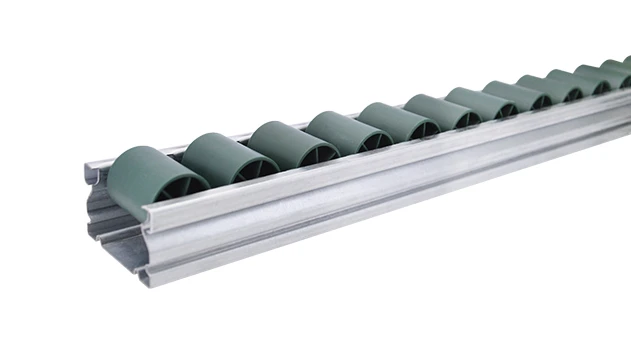
The roller track can be installed with multiple accessories to create different slopes and configurations of flow racks.All steel conveyor 60 roller track accessories are engineered to perfectly fit the sliding rail.It is enable the movement of SLC boxes.
Troubleshooting 60 Steel Roller Track Green: Common Issues & Quick Fixes
If you're using a 60 Steel Roller Track Green in your lean system or production assemble line, you know how essential it is for keeping materials moving smoothly. This track is a workhorse in flow racks, conveyor systems, and lean pipe workbench setups—helping to reduce waste, speed up processes, and maintain efficiency. But like any piece of industrial equipment, it can develop issues over time that disrupt your workflow. Whether you're a maintenance technician, a production manager, or someone who works with these tracks daily, this guide will walk you through the most common problems you might encounter and give you practical, quick fixes to get your operations back on track. We'll also share preventive measures to keep these issues from popping up again, saving you time and money in the long run.
1. Common Issue: Roller Jamming or Sticking
One of the most frustrating problems with 60 Steel Roller Track Green is when rollers get stuck or jammed, stopping materials from sliding along the track. This can slow down your entire line, leading to delays and lost productivity. Let's break down why this happens and how to fix it quickly.
Causes of Roller Jamming
Dirt, dust, or debris buildup between the rollers or in the bearing areas.
Misaligned rollers that are not sitting evenly on the track frame.
Worn-out or damaged bearings inside the rollers, preventing them from spinning freely.
Overloading the track with materials heavier than its recommended capacity.
Loose roller track connectors that shift the rollers out of position.
Quick Fixes for Stuck Rollers
The first step to fixing jammed rollers is to identify the root cause. Here are actionable steps for each scenario:
Clean the Track:
Turn off any motorized conveyor system (if applicable) and use a soft-bristled brush to remove loose debris from the rollers and gaps. For stubborn grime, use a mild detergent mixed with warm water—avoid harsh chemicals that can damage the green coating. Wipe the track dry with a clean cloth to prevent moisture buildup.
Realign Rollers:
Check if rollers are misaligned. Use a level tool to ensure each roller is sitting flat. If a roller is out of place, gently adjust it back into position using a rubber mallet (to avoid scratching the coating). Tighten any loose roller track connectors to keep the rollers stable.
replace Worn Bearings:
If a roller still won't spin after cleaning and realigning, the bearing inside might be damaged. To replace it, remove the roller from the track frame (using the appropriate tools like a screwdriver or wrench). Pop out the old bearing and insert a new one (make sure it's compatible with the 60 Steel Roller Track Green). Reinstall the roller and test its rotation.
Reduce Load:
If you suspect overloading, remove excess materials from the track. Check the manufacturer's guidelines for the maximum weight capacity of your track and ensure you're not exceeding it.
Preventive Measures to Avoid Jamming
To keep rollers from jamming in the future, follow these tips:
Schedule weekly cleaning sessions for the track—focus on removing debris from the rollers and bearing areas.
Use high-quality roller track accessories from a reputable lean pipe supplier to ensure connectors and rollers are durable and fit properly.
Train your team to avoid overloading the track and to report any stuck rollers immediately.
Conduct monthly inspections to check for loose connectors or worn bearings.
Pro Tip:
For high-traffic tracks, consider using a compressed air canister to blow out debris from hard-to-reach areas (like between rollers) during weekly cleanings. This helps keep bearings free of dust and extends their lifespan.
2. Common Issue: Uneven Roller Rotation
Another common problem with 60 Steel Roller Track Green is uneven roller rotation—where some rollers spin faster than others. This can cause materials to tilt or get stuck mid-flow, leading to product damage or line delays. Let's explore the causes and fixes.
Causes of Uneven Rotation
Bent track frame that causes rollers to sit at different heights.
Inconsistent roller height adjustments (some rollers are higher than others).
Lack of lubrication in the bearings, leading to friction and slow rotation.
Damaged roller surfaces (scratches or dents) that create resistance.
Loose roller axles that shift during operation.
Quick Fixes for Uneven Rotation
Fixing uneven rotation requires careful inspection and adjustment. Here's what to do:
Straighten the Frame:
If the track frame is bent, use a hydraulic jack or a straightening tool to gently bend it back into shape. Be careful not to apply too much force—this can cause further damage. If the frame is severely bent, consider replacing it with a new one from a trusted supplier.
Adjust Roller Heights:
Use a feeler gauge or a level to check the height of each roller. Adjust the roller axles or brackets to ensure all rollers are at the same height. Tighten any loose bolts to keep the rollers in place.
Lubricate Bearings:
Apply a small amount of light machine oil or bearing grease to each roller's bearing area. This reduces friction and helps rollers spin smoothly. Avoid using too much lubricant—this can attract dust and debris.
replace Damaged Rollers:
If a roller has scratches or dents on its surface, it's best to replace it. Damaged rollers create resistance and can cause uneven rotation. Look for replacement rollers that match the 60 Steel Roller Track Green specifications.
Preventive Measures for Even Rotation
Handle the track frame with care during installation and maintenance to avoid bending.
Lubricate bearings every 2-3 months (or more frequently for high-traffic tracks).
Inspect roller surfaces monthly for scratches or dents—replace damaged rollers immediately.
Use quality roller track accessories to ensure proper alignment and stability.
3. Common Issue: Track Misalignment or Slippage
Track misalignment or slippage is a serious issue that can cause materials to fall off the track or get stuck. This is often caused by improper installation or wear and tear over time. Let's look at how to fix this.
Causes of Track Misalignment
Loose roller track connectors that hold the track sections together.
Uneven floor surface where the track is installed.
Overloading the track, which causes the frame to shift.
Worn-out or damaged track brackets that hold the track to the frame.
Incorrect installation (track sections not aligned properly).
Quick Fixes for Misalignment
Fixing track misalignment requires repositioning and securing the track properly. Here's the step-by-step process:
Tighten Connectors:
Use a wrench to tighten all roller track connectors. Check each section of the track to ensure it's securely attached. For loose connectors, replace them with new ones if necessary.
Re-Level the Track:
Use a spirit level to check if the track is level. If it's not, adjust the track brackets or use shims to raise the lower sections. Ensure the track is level both horizontally and vertically.
Reduce Load:
If the track is overloaded, reduce the amount of material on it to the recommended capacity. Overloading can cause the track to shift and misalign.
replace Brackets:
If track brackets are worn out or damaged, replace them with new ones. This ensures the track is securely attached to the frame and won't shift during operation.
Preventive Measures for Alignment
Follow the manufacturer's installation guidelines carefully to ensure proper alignment.
Check track connectors monthly and tighten them if necessary.
Avoid overloading the track—always adhere to the recommended weight capacity.
Inspect track brackets quarterly for wear and tear—replace them as needed.
4. Common Issue: Corrosion on Green Coating
The green coating on the 60 Steel Roller Track Green is designed to protect against corrosion, but it can still develop rust spots over time. This is often caused by exposure to moisture or chemicals, or scratches in the coating that allow rust to form underneath. Let's see how to fix this.
Causes of Corrosion
Exposure to moisture (like water or humidity) for extended periods.
Scratches in the green coating that expose the steel underneath.
Contact with harsh chemicals (like cleaning agents or industrial fluids).
Lack of protective maintenance (like cleaning or applying anti-rust spray).
Quick Fixes for Corrosion
Fixing corrosion requires removing rust spots and restoring the protective coating. Here's what to do:
Remove Rust Spots:
Use a mild abrasive (like steel wool or a sanding block) to gently scrub the rust spots. Be careful not to scratch the surrounding green coating. Wipe the area clean with a damp cloth to remove rust particles.
Touch-Up Coating:
Apply a small amount of green touch-up paint (matching the track's coating) to the affected area. Let the paint dry completely before using the track again. This restores the protective layer and prevents further rust.
Apply Anti-Rust Spray:
For areas prone to corrosion, apply a thin layer of anti-rust spray. This adds an extra layer of protection against moisture and chemicals.
replace Severely Corroded Sections:
If a section of the track is severely corroded (with large rust spots or holes), it's best to replace it. Severely corroded tracks are unsafe and can break during operation.
Preventive Measures for Corrosion
Keep the track dry—wipe up any water or moisture immediately.
Avoid using harsh chemicals to clean the track—use mild detergents instead.
Inspect the green coating monthly for scratches—touch up any scratches immediately.
Apply anti-rust spray every 6 months to protect against corrosion.
5. Common Issue: Excessive Noise During Operation
Excessive noise from the 60 Steel Roller Track Green can be a nuisance and a sign of underlying issues. Loud rattling or squeaking sounds often indicate loose parts or lubrication problems. Let's fix this.
Causes of Excessive Noise
Dry bearings that create friction and squeaking sounds.
Loose roller track connectors or brackets that rattle during operation.
Misaligned rollers that rub against each other or the track frame.
Damaged roller surfaces that create grinding sounds.
Overloading the track—this causes the frame to flex and rattle.
Quick Fixes for Noise
Reducing noise requires identifying the source and addressing it. Here's how:
Lubricate Bearings:
Apply a small amount of bearing grease or machine oil to each roller's bearing area. This reduces friction and eliminates squeaking sounds.
Tighten Loose Parts:
Check all roller track connectors, brackets, and bolts. Tighten any loose parts to eliminate rattling sounds.
Realign Rollers:
Misaligned rollers often rub against each other or the frame, creating noise. Adjust the rollers to ensure proper alignment.
replace Damaged Rollers:
If a roller has damaged surfaces, replace it to eliminate grinding sounds.
Reduce Load:
Overloading the track can cause the frame to flex and rattle. Reduce the load to the recommended capacity.
Preventive Measures for Quiet Operation
Lubricate bearings every 2-3 months to keep them quiet and smooth.
Check loose parts monthly and tighten them as needed.
Avoid overloading the track—this prevents frame flexing and rattling.
Inspect rollers monthly for damage—replace them immediately.
When to Seek Professional Help
While most issues with the 60 Steel Roller Track Green can be fixed with DIY methods, some problems require professional assistance. Here are scenarios where you should contact a professional:
Severely bent track frame that can't be straightened with DIY tools.
Extensive corrosion that affects a large portion of the track.
Track misalignment that causes repeated issues despite fixes.
Need for large-scale replacement of rollers or track sections.
A reputable lean pipe supplier or maintenance team can provide expert help and ensure your track is restored to optimal condition.
Summary of Common Issues & Solutions
| Common Issue | Key Causes | Quick Fixes | Preventive Tips |
|---|---|---|---|
| Roller Jamming | Debris buildup, misaligned rollers, worn bearings, overloading, loose connectors | Clean track, realign rollers, replace bearings, reduce load, tighten connectors | Weekly cleaning, use quality accessories, avoid overloading, monthly inspections |
| Uneven Rotation | Bent frame, inconsistent roller height, lubrication issues, damaged rollers | Straighten frame, adjust heights, lubricate bearings, replace rollers | Handle frame carefully, lubricate regularly, inspect rollers monthly |
| Track Misalignment | Loose connectors, uneven floor, overloading, worn brackets | Tighten connectors, re-level track, reduce load, replace brackets | Follow installation guidelines, check connectors monthly, avoid overloading |
| Corrosion | Moisture exposure, scratches, harsh chemicals, lack of maintenance | Remove rust, touch-up coating, apply anti-rust spray, replace sections | Keep dry, avoid harsh chemicals, inspect coating monthly |
| Excessive Noise | Dry bearings, loose parts, misaligned rollers, damaged rollers, overloading | Lubricate bearings, tighten parts, realign rollers, replace rollers, reduce load | Lubricate regularly, check loose parts monthly, avoid overloading |
Conclusion
The 60 Steel Roller Track Green is a vital component of many lean system and production assemble setups, and keeping it in good working order is key to maintaining efficiency. By understanding the common issues—like jamming, uneven rotation, misalignment, corrosion, and noise—and knowing how to fix them quickly, you can minimize downtime and keep your operations running smoothly. Remember to follow preventive measures like regular cleaning, lubrication, and inspections to avoid these problems in the first place. If you encounter issues that are too complex to fix on your own, don't hesitate to reach out to a professional lean pipe supplier or maintenance team for help. With the right care and attention, your 60 Steel Roller Track Green will continue to serve your business well for years to come.