- Company Articles
- Products and Technology
- Installation And Maintenance
- Troubleshooting Alignment Issues in 40 Roller Track Placon Mount Flat Installations

Troubleshooting Alignment Issues in 40 Roller Track Placon Mount Flat Installations
Related Product
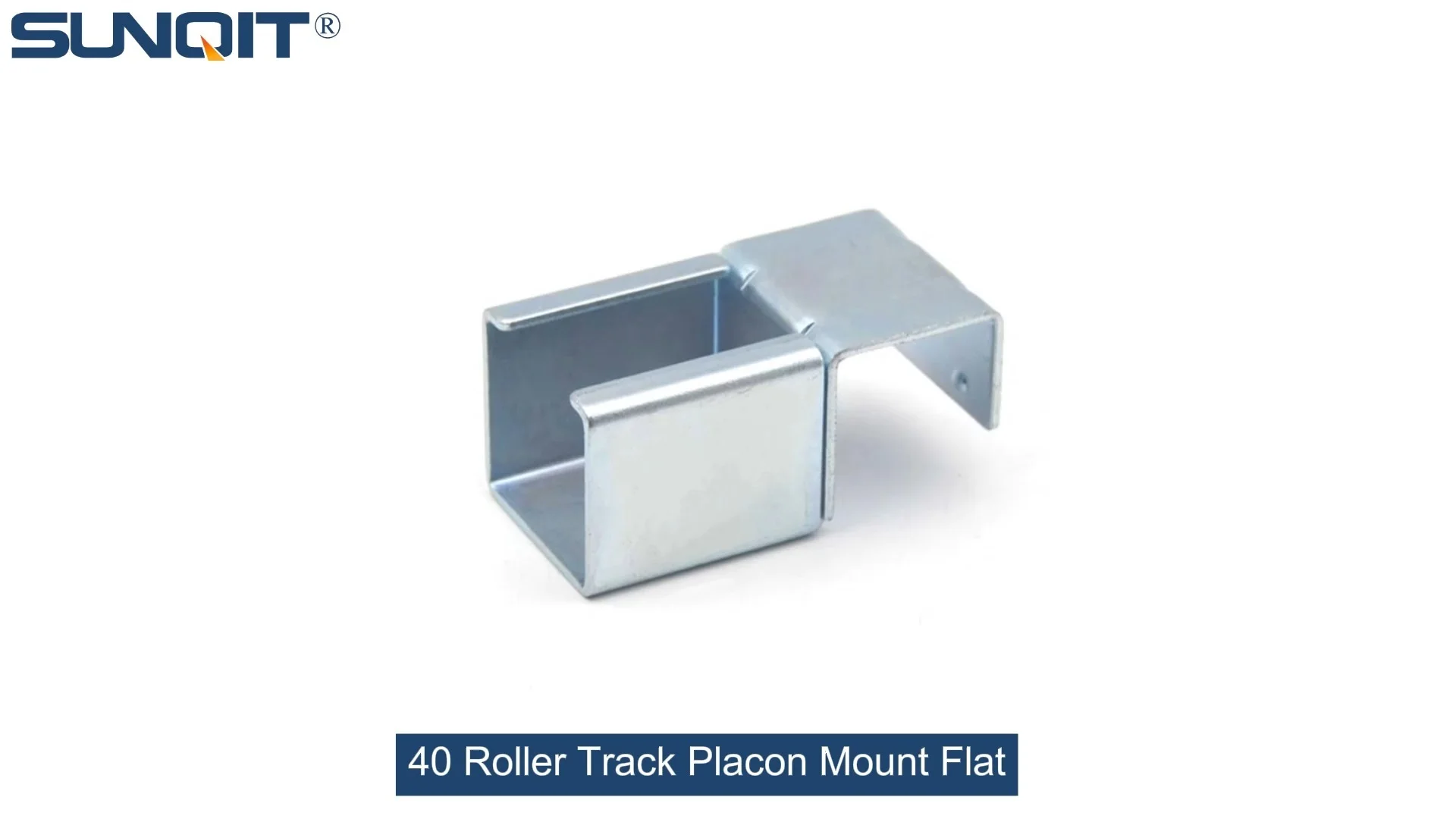
40 Roller Track Placon Mount Flat
Roller track placon mount work as a connector for roller track and pipe or aluminum profile in rack syetem, it is a necessary parts in rack system which widely used in industrial plant and logistic,warehouse storage.
Picture this: a bustling manufacturing floor where every second counts. Conveyors hum, components glide, and teams work in sync to meet production goals. At the heart of this rhythm lies equipment like the 40 Roller Track Placon Mount Flat—unassuming yet critical, it's the silent backbone that keeps materials flowing from station to station. But what happens when that flow stutters? When alignment issues creep in, turning smooth conveyance into a frustrating dance of jams, delays, and worn parts? For anyone managing a lean system, these hiccups aren't just inconveniences—they chip away at efficiency, disrupt workflows, and even risk compromising product quality.
Whether you're setting up a new production line or maintaining an existing one, getting your roller track alignment right is non-negotiable. In this guide, we'll walk through the most common alignment headaches, break down why they happen, and equip you with step-by-step solutions to get your track back to peak performance. Because in lean manufacturing, every detail matters—and a well-aligned roller track isn't just about moving parts; it's about keeping your entire operation in harmony.
First, Let's Spot the Red Flags: Common Alignment Issues
Alignment problems rarely announce themselves with a loud bang. Instead, they start as subtle clues—until suddenly, your conveyor is underperforming. Here's how to recognize the early warning signs:
| Phenomenon | What It Feels Like | Why It Matters |
|---|---|---|
| Material Sticking or Jamming | Boxes, components, or assemblies slow down, get stuck mid-track, or even tip over. | Creates bottlenecks, forces operators to stop and intervene, and risks damaging fragile parts (especially in 3C or medical device production). |
| Uneven Roller Wear | Some rollers look shiny or worn thin, while others stay brand-new. | Shortens track lifespan, leads to costly replacements, and causes inconsistent conveyance speed. |
| Excessive Noise or Vibration | A low rumble turns into a clatter; the track "shudders" as materials pass through. | Fatigues operators, masks other equipment issues, and signals unnecessary stress on the track structure. |
| Off-Center Material Movement | Items drift to one side of the track, scraping against guides or falling off. | Damages track edges, increases scrap rates, and disrupts downstream processes (like automated assembly stations). |
These issues often stem from one root cause: misalignment. Let's dig into why that happens—and how to fix it.
Troubleshooting Step-by-Step: Getting Your Track Back on Track
Fixing alignment doesn't have to be a guessing game. Follow this systematic approach to diagnose and resolve issues with confidence—no advanced engineering degree required.
Step 1: Check the Basics—Level and Plumb
Start with the foundation: is your track level horizontally and vertically? Even a tiny slope can throw off material flow. Here's how to verify:
- Horizontal Level: Place a spirit level along the length of the track. The bubble should sit dead center. If not, note whether the track dips (bubble rolls toward the lower end) or rises (bubble rolls toward the higher end).
- Vertical Plumb: Hold the level vertically against the track's side rails. The bubble should align here too—leaning left or right means the track is "twisted" in the frame.
- Common Culprit: Loose or unevenly tightened mounting brackets. Over time, vibrations from daily use can wiggle bolts loose, especially if they weren't torqued to spec during installation.
Fix: Loosen the bracket bolts, adjust the track using shims (for minor gaps) or repositioning the brackets (for larger slopes), then retighten evenly. For aluminum profile frames, use the T-slot to fine-tune height—this is where the precision of aluminum extrusion profiles really shines.
Step 2: Inspect Joints and Connections
40 Roller Track Placon Mount Flat sections connect via joints—think of them as the "hinges" of your conveyor. When these joints misalign, the track becomes a bumpy road instead of a smooth highway.
What to look for:
- Gap Between Track Sections: A visible space (even 1-2mm) where two track ends meet. Materials can catch here, especially small parts like circuit boards.
- Vertical Offset: One track section sits higher than the next, creating a "step" that materials have to "climb" over.
- Twisted Joints: Track sections angle left/right relative to each other, like a snake curving off course.
Fix: Use a straightedge (a long, rigid aluminum pipe works perfectly here) to span the joint—if light peeks through or the straightedge rocks, you've found the problem. Loosen the joint connectors (check for stripped threads!), realign the sections so they're flush and straight, then retighten. Pro tip: For high-vibration environments (like automotive assembly lines), add thread-locking fluid to keep bolts secure long-term.
Step 3: Verify Roller Spacing and Height
Rollers are the workhorses of your track, but they need to be spaced and positioned consistently to do their job. Missteps here cause materials to "teeter" or drag.
Checklist:
- Spacing: Measure the distance between roller centers. It should be uniform across the track (most specs call for 50-80mm, depending on load size). Gaps that are too wide let materials sag; too narrow creates unnecessary friction.
- Height: All rollers should sit at the same height relative to the track rails. A roller that's 1mm lower than its neighbors acts like a speed bump.
- Rotation: Spin each roller by hand—they should turn freely, with no "sticking" or grinding. Seized rollers create drag and uneven wear.
Fix: replace bent or seized rollers with new ones (always use manufacturer-recommended parts—this is where buying from a reliable lean pipe supplier pays off). For spacing issues, adjust the roller mounts using the pre-drilled holes in the placon mount—precision is key here, so take your time with a tape measure.
Step 4: Check the Underlying Structure
Your roller track is only as stable as the frame it sits on. A wobbly or uneven support structure will undo even the best alignment work.
Inspect the (brackets) and legs:
- Uneven Leg Height: Use a level on the frame's crossbars. If the bubble moves, some legs are shorter than others—common if floor concrete isn't perfectly smooth (which, let's be honest, most factory floors aren't).
- Bent or Damaged Brackets: Look for brackets that are dented, twisted, or cracked—often from accidental impacts with forklifts or pallet jacks.
- Loose Fasteners: Bolts connecting the track to the frame, or the frame to the floor, can vibrate loose over time.
Fix: For uneven legs, use adjustable leveling feet (anti-slip versions are a must for wet or oily environments). replace bent brackets with new aluminum profile accessories—sticking with compatible parts ensures a snug, secure fit. And don't skimp on retightening floor bolts—this prevents the entire structure from "walking" during operation.

Stop Problems Before They Start: Proactive Maintenance
Lean manufacturing isn't just about fixing issues—it's about preventing them. With a little regular care, your 40 Roller Track Placon Mount Flat will run smoothly for years, embodying the "sustainable improvement" spirit of lean solutions.
| Frequency | Task | Why It Works |
|---|---|---|
| Daily (End of Shift) | Wipe down track rails and rollers; remove debris (dust, loose screws, packaging scraps). | Prevents buildup that can gum up rollers or scratch materials (critical for ESD workbenches where dust harms sensitive electronics). |
| Weekly | Check for loose bolts/joints; lubricate roller bearings (use a light machine oil). | Catches minor issues before they become major; keeps rollers spinning freely, reducing wear. |
| Monthly | Verify level/plumb with a spirit level; measure joint alignment; inspect roller wear. | Catches gradual shifts (like seasonal temperature changes causing frame expansion/contraction) before they disrupt flow. |
| Quarterly | Deep-clean joints and brackets; test with a "dummy load" (simulate your heaviest/most common material). | Ensures hidden areas (like joint crevices) stay clean; confirms the track handles real-world conditions, not just empty runs. |
Pro Tip: Create a simple checklist for your team—laminate it and hang it near the track. When everyone knows what to look for, small issues get flagged early, keeping your lean pipe system in top shape.

Real-World Win: How a 3C Factory Fixed Their Alignment Woes
Let's put this all into context with a story from the field. A mid-sized 3C assembly plant (think smartphones and tablets) reached out to us with a frustrating problem: their 40 Roller Track Placon Mount Flat, part of a lean tube workstation, was jamming multiple times per shift. Components like battery packs and screens were getting stuck, forcing operators to stop, unjam, and restart—costing them an estimated 2 hours of production daily.
Our team visited and quickly spotted the issues:
- The track had a 0.5° downward slope over its 5-meter length—small on paper, but enough to slow materials until they caught on a slightly offset joint.
- Two roller brackets were bent (likely from a pallet jack impact), causing those rollers to sit 3mm lower than the rest.
- Joints between track sections had loosened, creating 1-2mm gaps where battery packs (with their smooth, flat bottoms) were catching.
We walked the plant's maintenance team through the fixes: adjusting the leveling feet to correct the slope, replacing the bent brackets with new aluminum profile accessories, and realigning the joints using a straightedge and torque wrench. The result? Zero jams the next day, and operators reported the track "felt like new." Over the next month, their line efficiency increased by 8%—proof that even small alignment tweaks deliver big lean system wins.

Final Thoughts: Alignment = Flow = Success
At the end of the day, a 40 Roller Track Placon Mount Flat is more than just metal and rollers—it's a critical link in your production chain. When it's aligned, materials flow, operators focus on value-adding work, and your entire lean system hums with efficiency. When it's not, every part of the process feels like wading through mud.
Whether you're troubleshooting a current issue or setting up a new line, remember: precision matters. From the aluminum pipe that forms your frame to the roller track placon mount connectors that hold it all together, every component plays a role in keeping things straight. And when in doubt, lean on your suppliers—reputable lean pipe suppliers don't just sell parts; they bring decades of expertise in solving exactly these kinds of challenges.
Here's to smooth tracks, steady flows, and a production line that works as hard as your team does. Now go make that alignment perfect—your future self (and your bottom line) will thank you.